


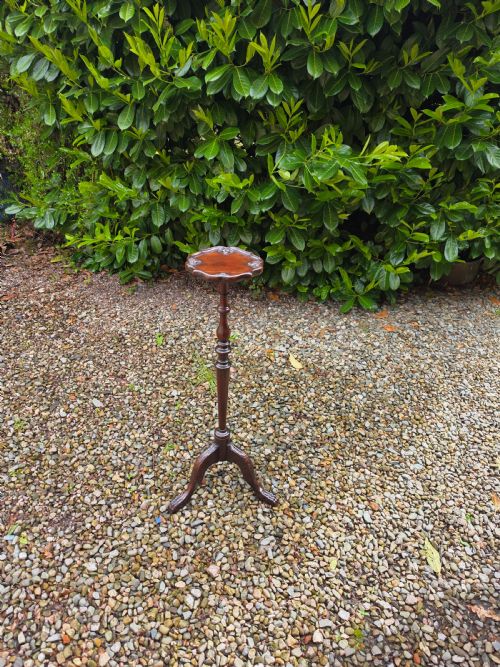
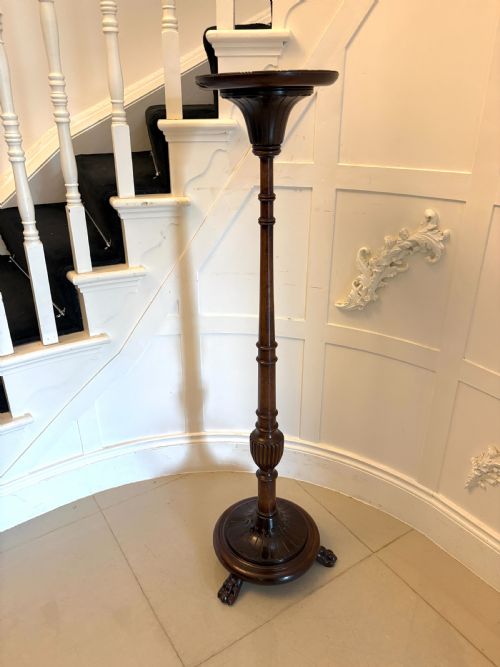
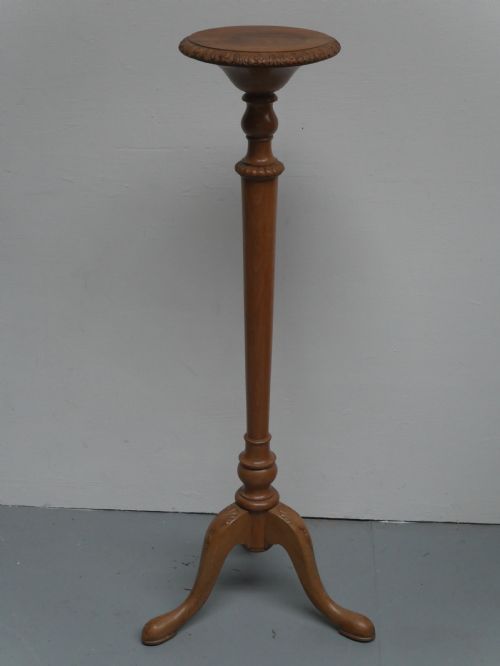
Edwardian Torchere Stand
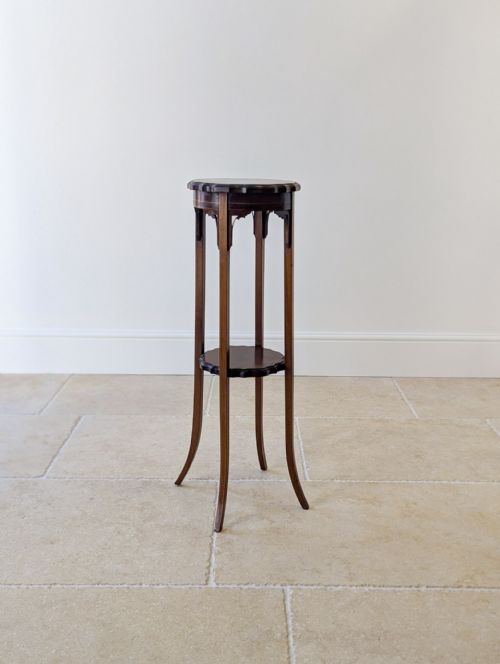
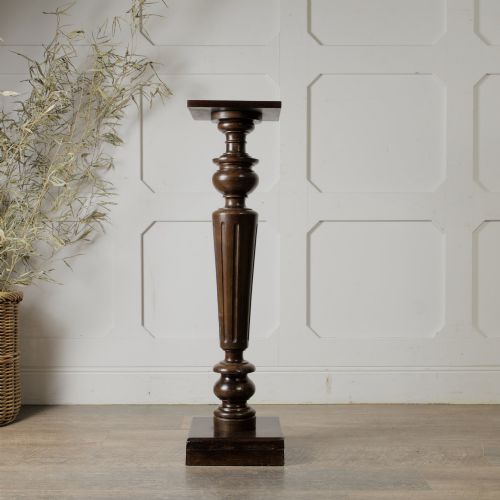
An edwardian torchere stand offers a slender architectural platform to elevate a lamp, plant or sculpture within a room.

Edwardian Torchere Stand
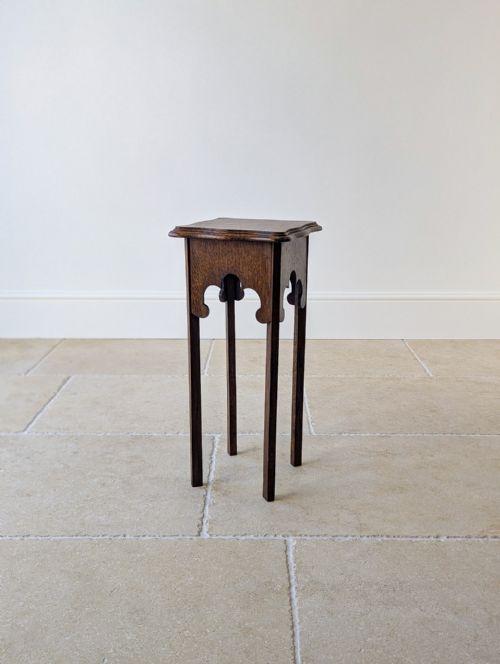
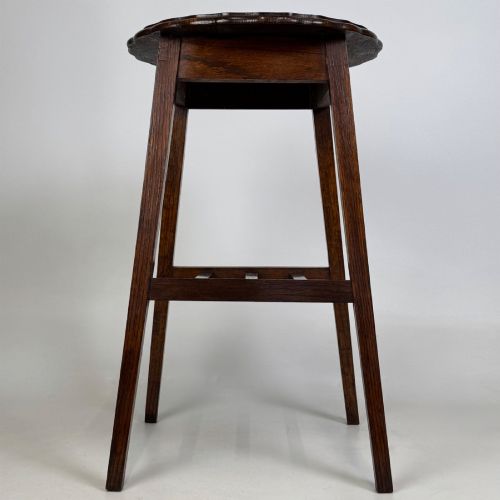
An edwardian torchere stand is a tall, slender piece designed to elevate plants, lamps or decorative objects within a room. When searching this phrase, buyers encounter numerous variations spanning the Edwardian era alongside pieces from the late Victorian period and the early twentieth century.
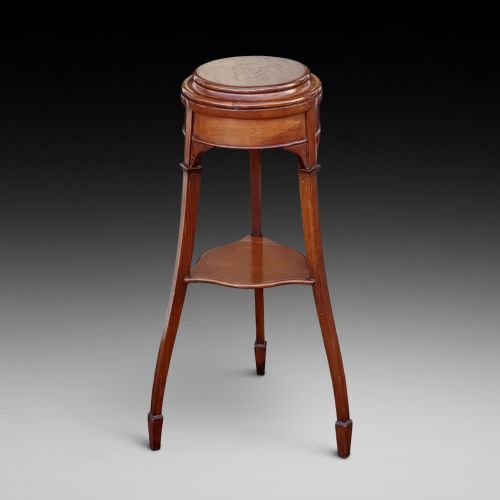
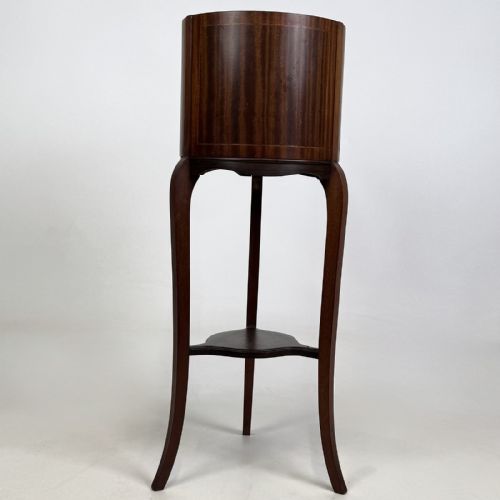
The dominant forms appearing across the listings include dedicated torcheres, plant stands, jardiniere stands and tall pedestals. Many examples serve multiple purposes, functioning interchangeably as lamp tables or display columns depending on their top surface.
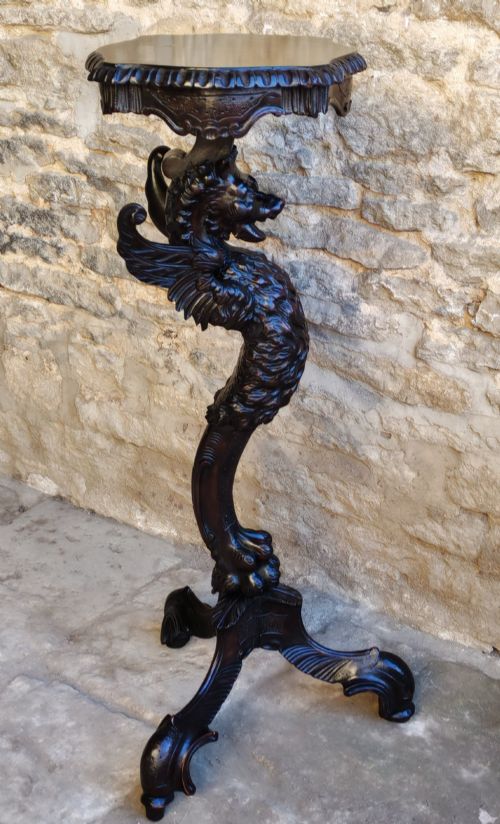
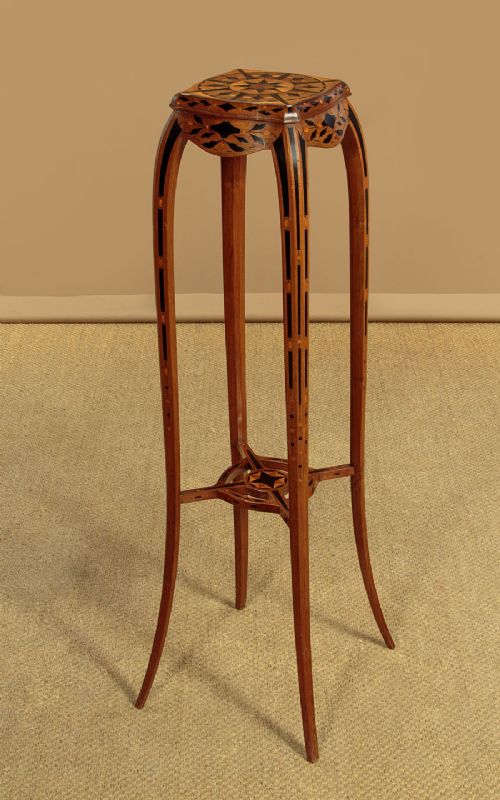
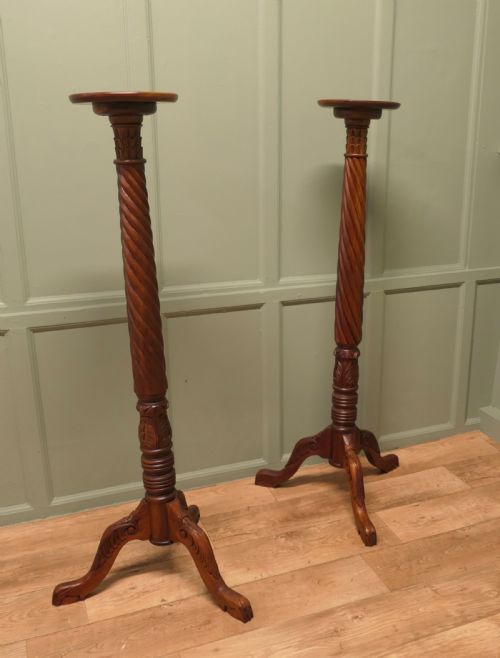
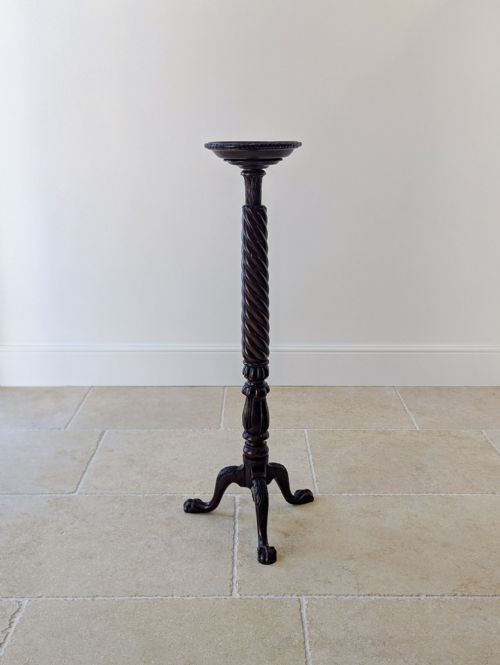
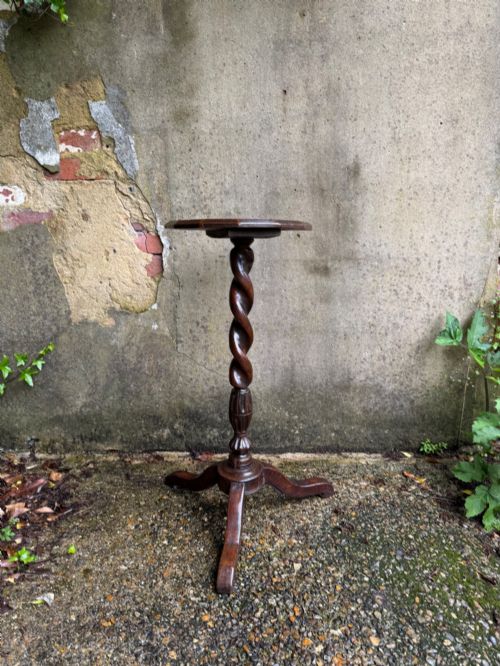
Originating largely from the early 1900s, these stands reflect both formal Edwardian taste and revivals of earlier Georgian and Chippendale styles. Simple turned columns appear alongside inlaid satinwood pieces and robust carved mahogany pillars.
How They Were Made
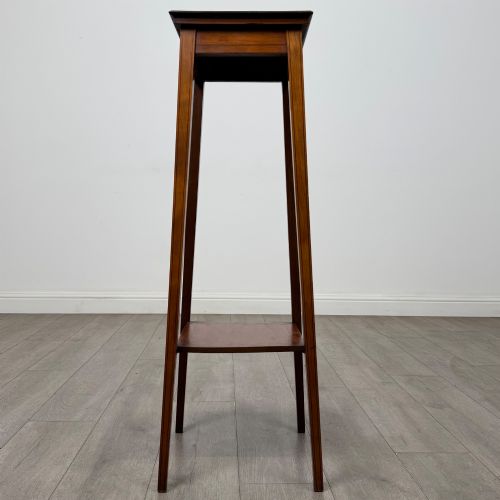
Makers relied primarily on timber construction, with solid mahogany and oak forming the structural backbone of most examples. Rich veneers and contrasting satinwood inlay provide decorative surface detail on finer pieces from the Edwardian period.
Turned wooden shafts and carved spiral pillars demonstrate traditional carpentry techniques used to create height without bulk. Brass mounts, marble inserts and occasional ormolu details appear as supplementary materials on specific revival styles.
Edwardian Torchere Stand Retail Price Guide 2026
Typical asking prices for edwardian torchere stand among the pieces listed under this phrase on Sellingantiques today, from the lower quarter to the upper quarter. They describe what is for sale here now, not the wider market.
Several stands double as bust holders, proving that Victorians and Edwardians liked staring at famous heads while drinking tea.
What Varies in Quality
The distinction between ordinary and exceptional examples rests upon the depth of hand-carving and the precision of inlaid decoration. Stands featuring crisply executed satinwood marquetry or substantial carved foliage command greater visual presence than plain turned pedestals.
Timber selection and structural stability dictate longevity, where dense mahogany or figured walnut provide a heavier, more secure base than lighter secondary woods. The integration of materials, such as fitted marble tops or solid brass fittings, separates standard utility stands from finer decorative pieces.
The Edwardian Torchere Stand Glossary
- Torchere
- A tall, slender stand originally designed to hold a candle or lamp. These pieces now frequently support plants, busts or vases.
- Jardiniere
- A decorative container or stand meant to hold a plant or flower pot. They often feature waterproof liners or raised rims.
- Inlay
- A technique where pieces of contrasting wood or other materials are inserted into a recessed surface to form a pattern. Satinwood and lighter timbers are common in Edwardian examples.
- Plinth
- The heavy base or lower block that supports a column or statue. It provides essential stability for tall, narrow furniture.
- Pedestal
- A vertical support or pillar used to elevate a decorative object. They share a similar vertical profile with torcheres.
Edwardian Torchere Stand: Frequently Asked Questions
What is an edwardian torchere stand used for?
These stands were traditionally created to hold light sources such as candles or oil lamps in corners or dark spaces of a room. Today, they are commonly utilised to elevate potted plants, floral arrangements, bronze figures or modern table lamps.
Their narrow footprint allows them to occupy unused vertical space without crowding a floor plan. This makes them particularly useful for adding height and visual interest to room corners.
How do I tell an edwardian torchere stand from a victorian one?
Edwardian examples tend to display lighter proportions, brighter mahogany tones and delicate satinwood inlay reflecting Sheraton revivals. Victorian pieces frequently feature heavier, darker timber, deeper carving and more robust pillar designs.
However, stylistic overlap remains common because late Victorian cabinet makers produced pieces that anticipated Edwardian tastes. Examining the specific inlay patterns and wood finish usually clarifies the period of manufacture.
Can an edwardian torchere stand hold a heavy plant?
Most solid mahogany or oak stands possess sturdy pillar construction capable of supporting substantial potted plants or heavy ceramic pots. The stability largely depends on the width of the base and the weight distribution of the central shaft.
Pieces with wider tripod feet or heavy marble tops offer superior balance for heavier loads. Slender inlaid versions are better suited to lighter decorative items or trailing foliage.
Where should I place an edwardian torchere stand in a room?
They excel in empty corners, beside armchairs or flanking larger pieces of furniture where vertical accentuation is required. Placing them near windows allows trailing plants to receive adequate light while highlighting the wood grain.
Because they have a narrow profile, they fit well in hallways and landings where bulky tables would obstruct movement. Ensure they sit on level flooring to maintain stability given their height.