

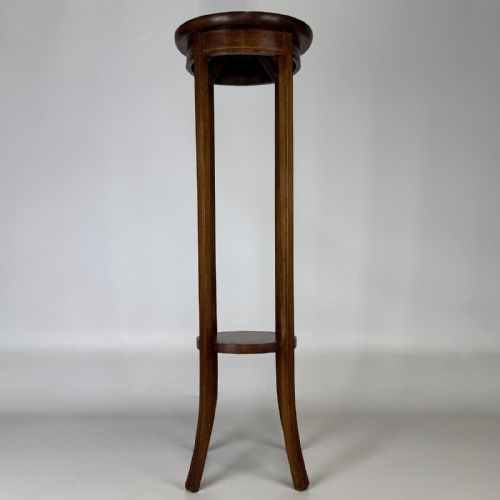
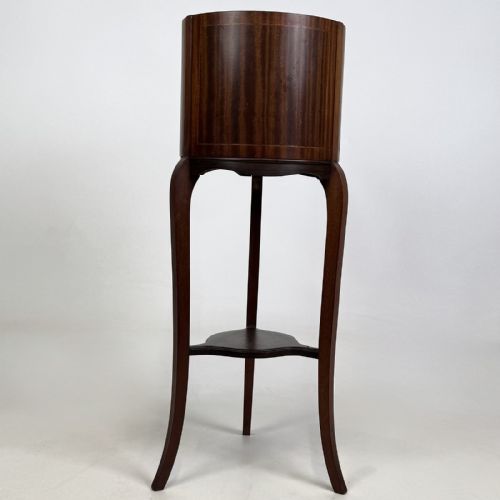
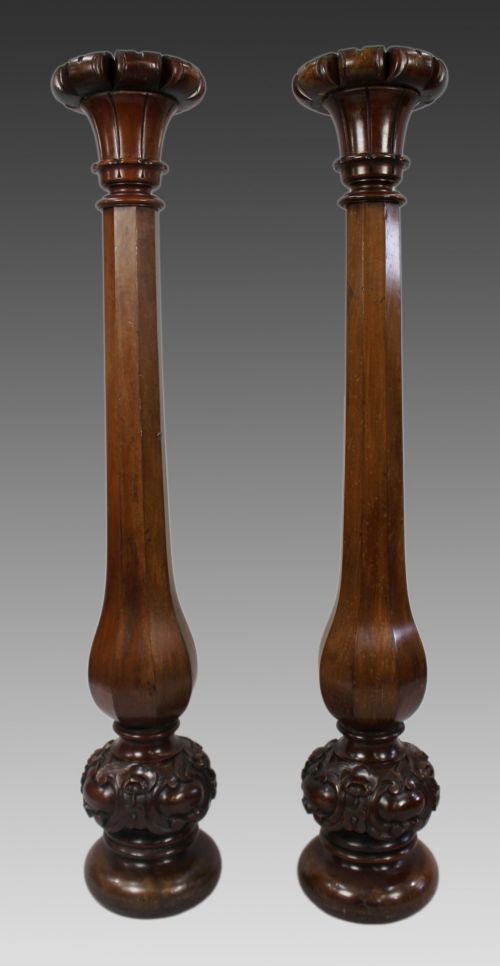

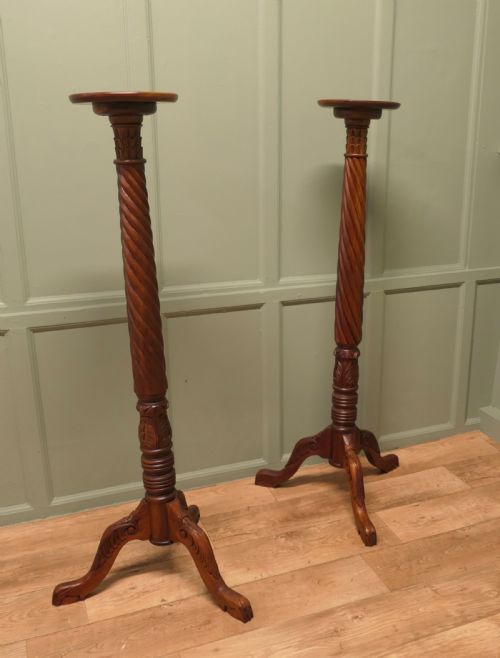

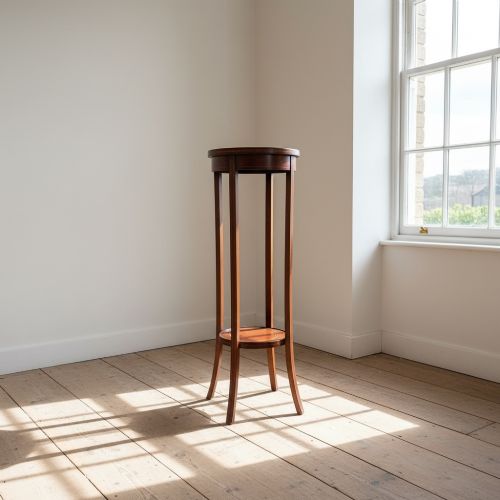
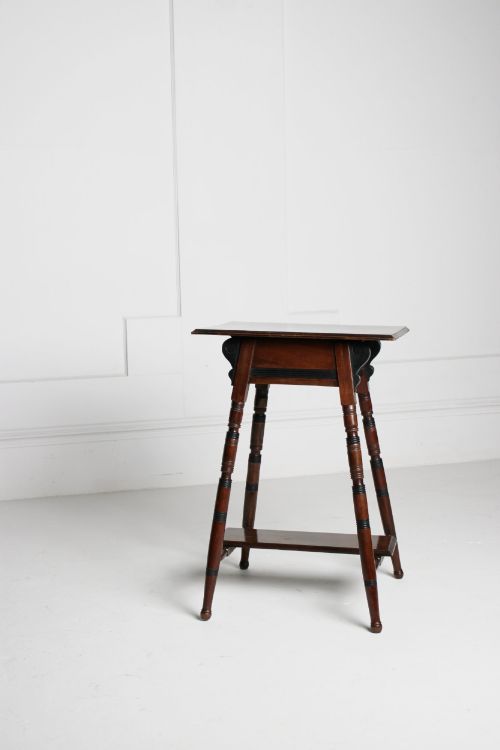
Tall Mahogany Plant Stand
These tall mahogany plant stand pieces elevate sculpture, pots and lamps, bringing slim vertical proportion and rich timber tone to an interior.

Tall Mahogany Plant Stand
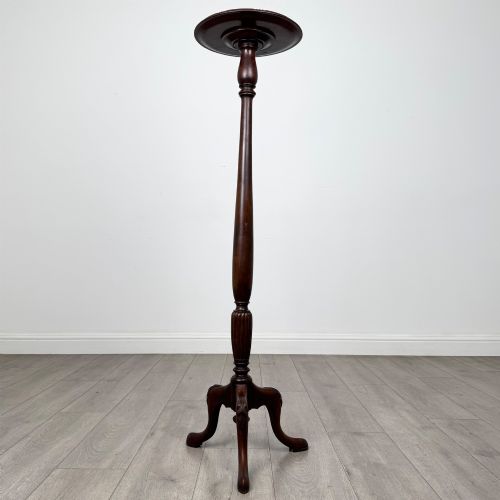
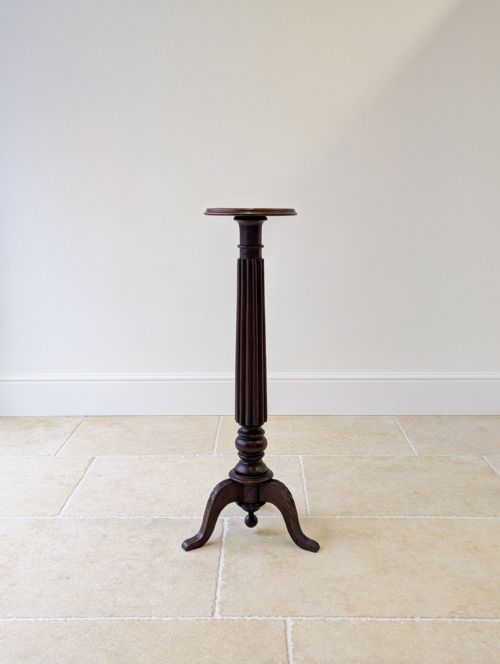
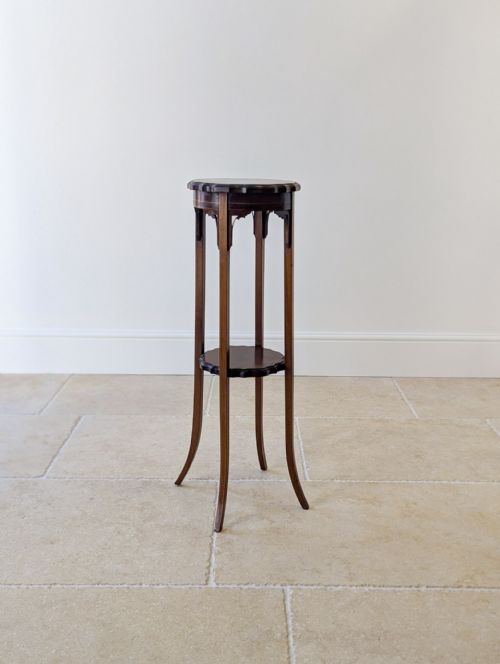
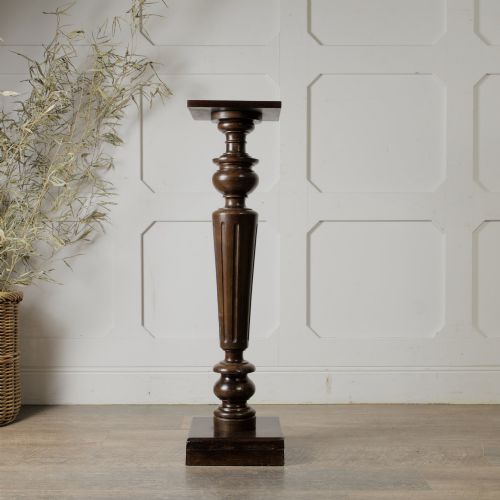
When you search for a tall mahogany plant stand, you look for upright furniture designed to raise decorative objects above floor level. The pieces listed across this page include plant stands, torcheres, pedestals and urn stands.
The versions you are most likely to meet span the Edwardian period and the nineteenth century, alongside eighteenth-century examples and revival styles. They appear in forms ranging from tripod columns to square plinths and inlaid occasional pieces.
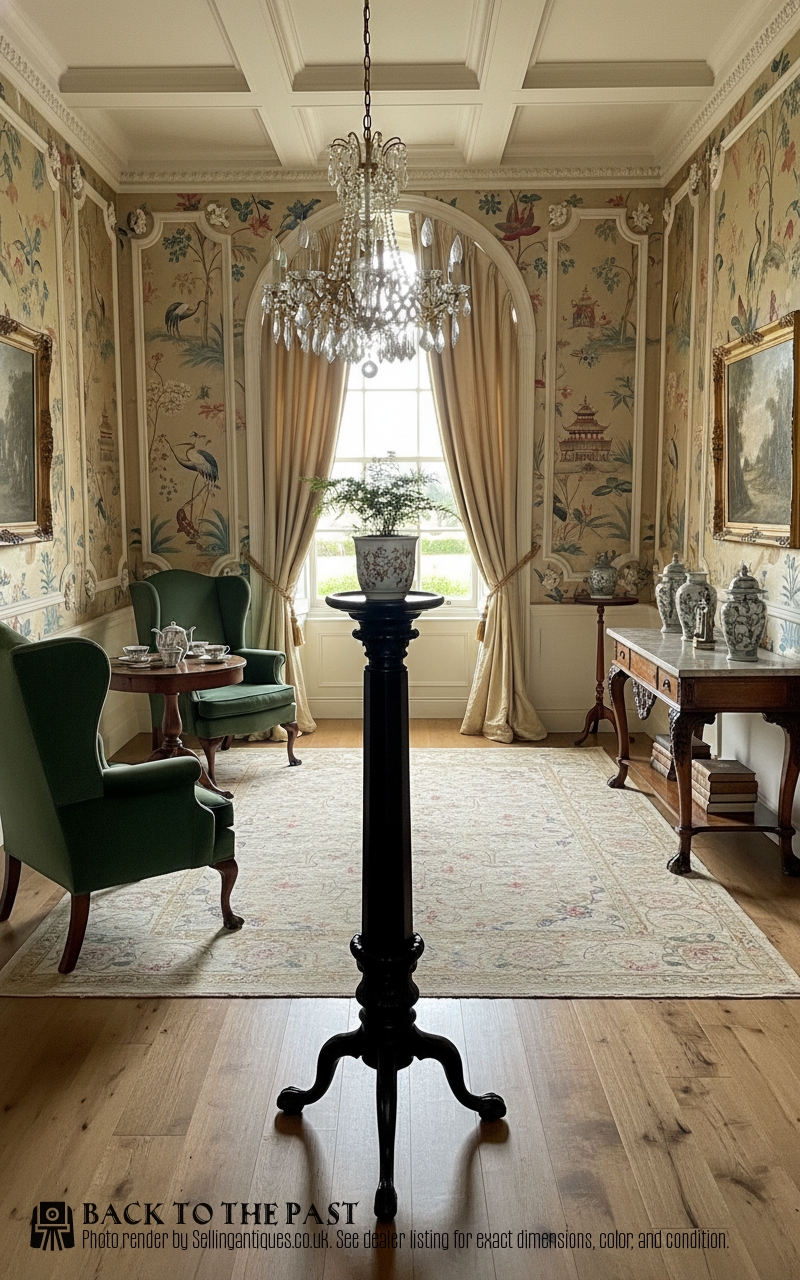
How they were made
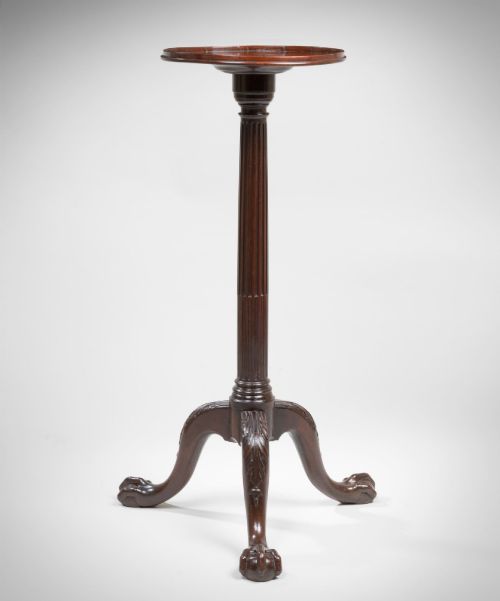
The primary material across these pieces is mahogany, often selected for its dense grain and deep natural colour, sometimes paired with secondary timbers like hardwood. Workshops utilised solid stock and veneers, turning structural columns on lathes and carving tripod bases by hand.
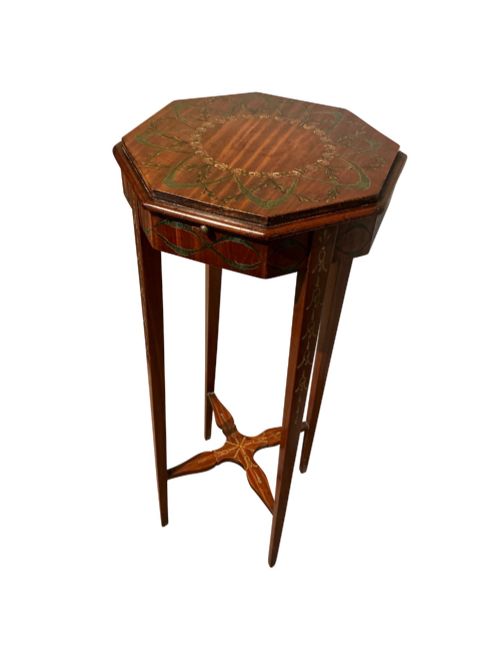
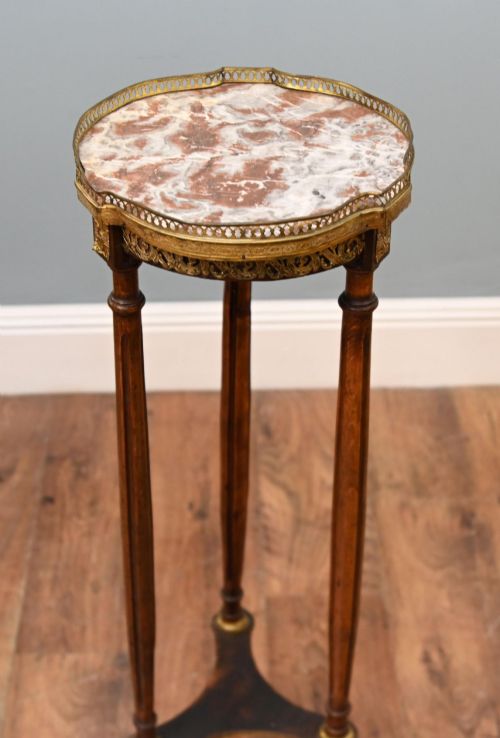
Surface enrichment frequently involves satinwood inlay, brass mounts and marble tops inset into the timber frame. Cabinetmakers applied polish to accentuate the reddish-brown figures of the wood, while structural stability relied on sturdy three-legged or four-legged column supports.
Tall Mahogany Plant Stand Retail Price Guide 2026
Typical asking prices for tall mahogany plant stand among the pieces listed under this phrase on Sellingantiques today, from the lower quarter to the upper quarter. They describe what is for sale here now, not the wider market.
Design forms include torcheres, plinths, urn stands and occasional side tables with inlaid satinwood details.
What varies in quality
The distinction between ordinary utility items and finer pieces lies in the crispness of the carving and the quality of the timber selection. Master craftsmen achieved slender proportions that maintained absolute rigidity, whereas lesser pieces feel thick-set or heavy in the shaft.
Detailing such as precise satinwood stringing, well-turned fluting on columns and integrated brass elements elevate the workmanship. Original surface patination and tight joinery at the tripod or plinth base separate superior examples from later altered conversions.
Druce & Co London·François Linke
The Tall Mahogany Plant Stand Glossary
- Torchere
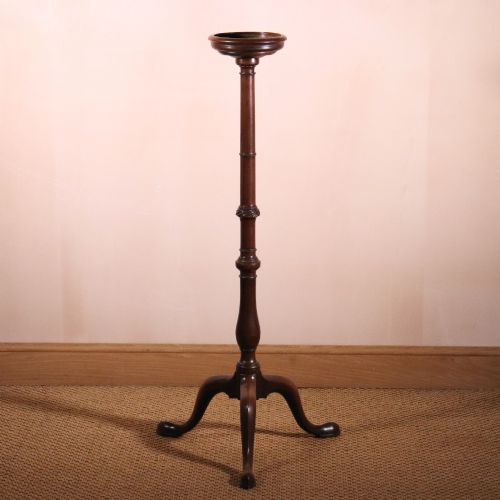
- A tall, slender stand originally designed to hold a candle or light, now frequently used for plants or sculpture. These pieces rely on a stable base to support their height.
- Inlay
- A decorative technique where contrasting materials like satinwood are inserted into recesses cut into the mahogany surface. This creates geometric patterns or floral motifs.
- Urn stand
- A small, elevated table designed in the eighteenth century to hold heated water urns. Their compact tops and tall legs suit modern display purposes.
- Tripod base
- A three-footed support system commonly found on nineteenth-century stands. This configuration prevents rocking on uneven historical floors.
Tall Mahogany Plant Stand: Frequently Asked Questions
What were tall mahogany plant stands used for?
These tall supports served primarily to hold heavy porcelain pots, decorative urns or candle lighting above floor level. Their elevated design drew the eye upward and displayed prized botanical specimens.
In period interiors, they occupied empty corners or flanked doorways to balance the scale of larger furniture pieces. Today, they fulfil a similar role for indoor house plants and sculpture.
How do I date an antique mahogany stand?
Dating relies on observing construction methods, timber characteristics and decorative styles corresponding to specific eras like the Georgian or Edwardian periods. Hand-cut joinery and dense, rich mahogany often indicate earlier eighteenth-century manufacture.
Later Victorian and Edwardian examples frequently incorporate machine assistance, lighter framing or specific revival motifs such as satinwood inlay. Comparing the turning style on the central column against dated comparative pieces helps confirm the period.
Are these stands stable enough for modern plants?
Most antique stands feature sturdy tripod bases or weighted plinths engineered to hold significant weight safely upright. The heavy density of solid mahogany provides a natural counterweight to the height of the column.
Heavier pots benefit from being centered carefully on the platform to maintain equilibrium. Checking the tightness of the central joint ensures the shaft remains firm during daily dusting.