


Antique Wooden Torchere
An antique wooden torchere brings vertical elegance to a room, serving as a display pedestal for lamps, plants or sculptures.
Antique Wooden Torchere
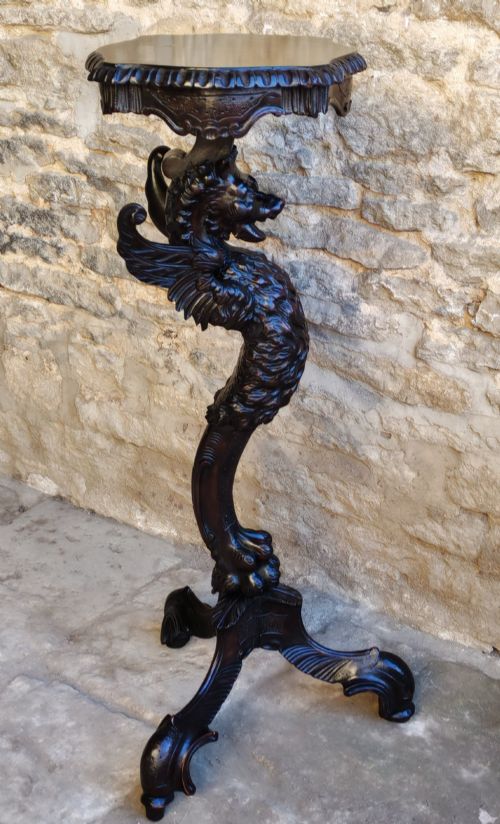
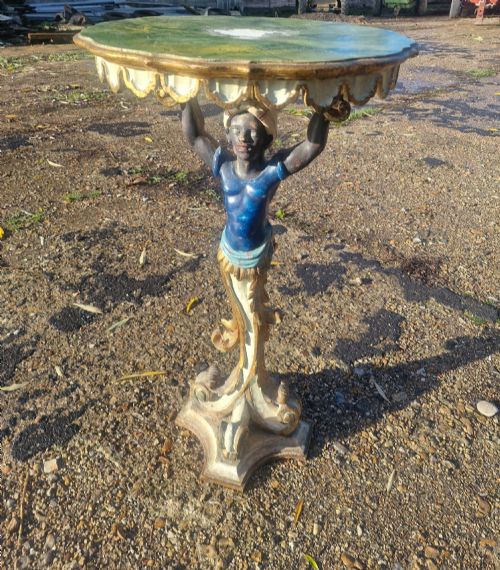
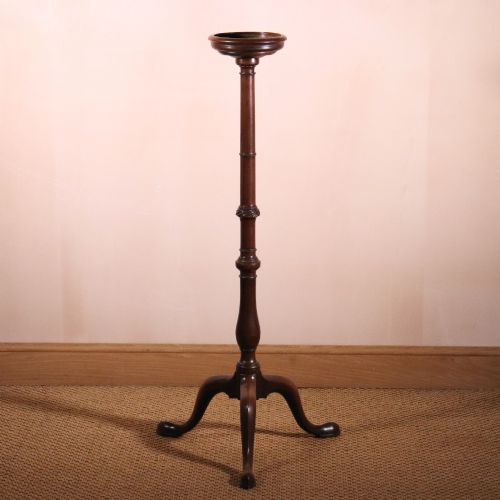
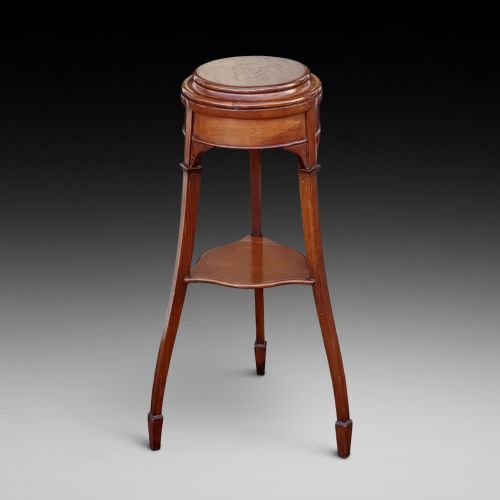
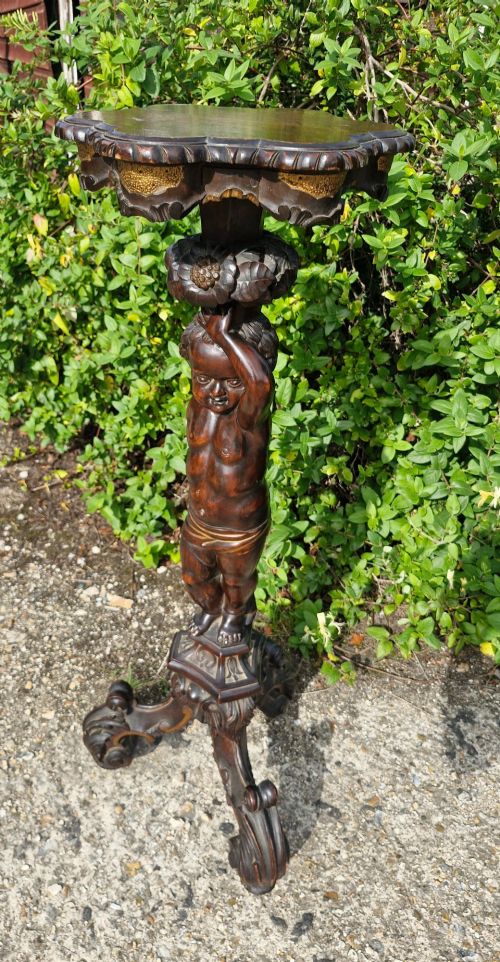
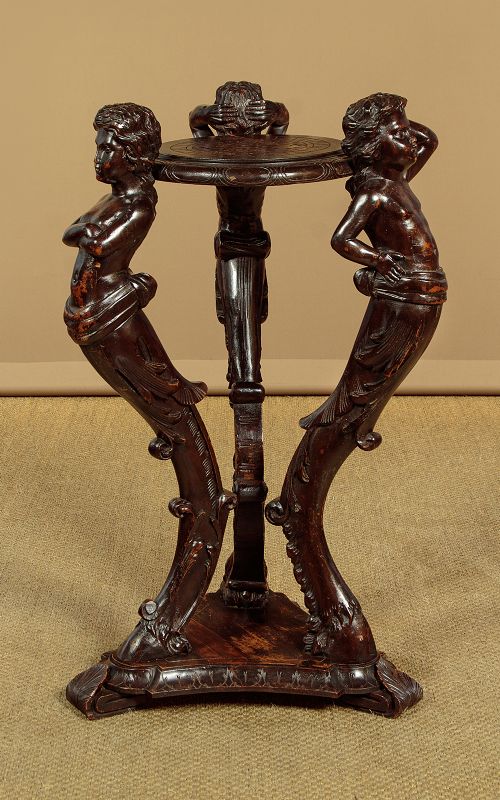
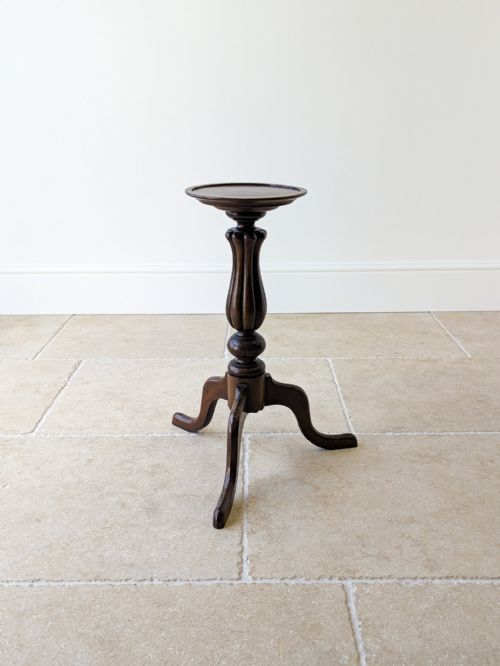
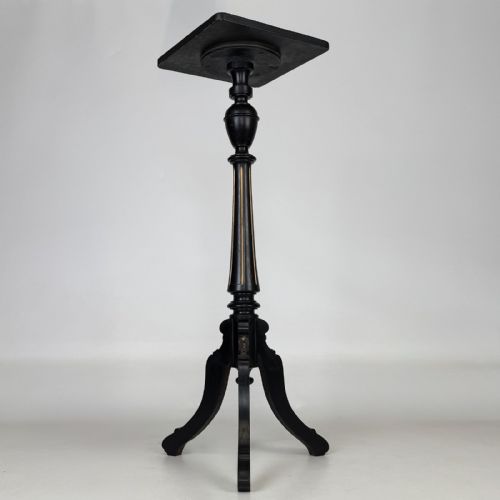
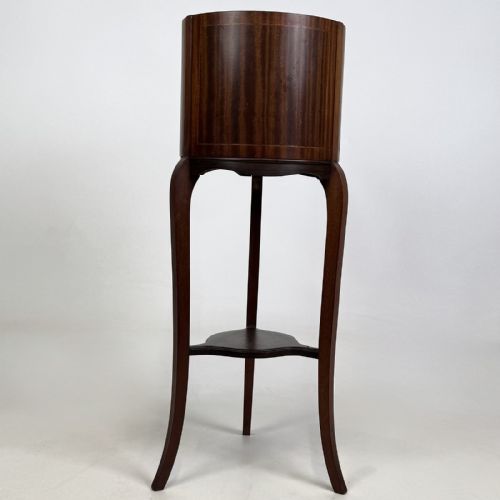
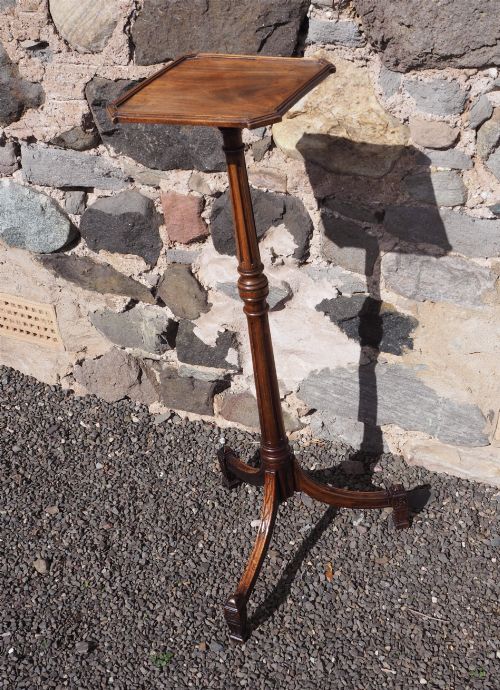
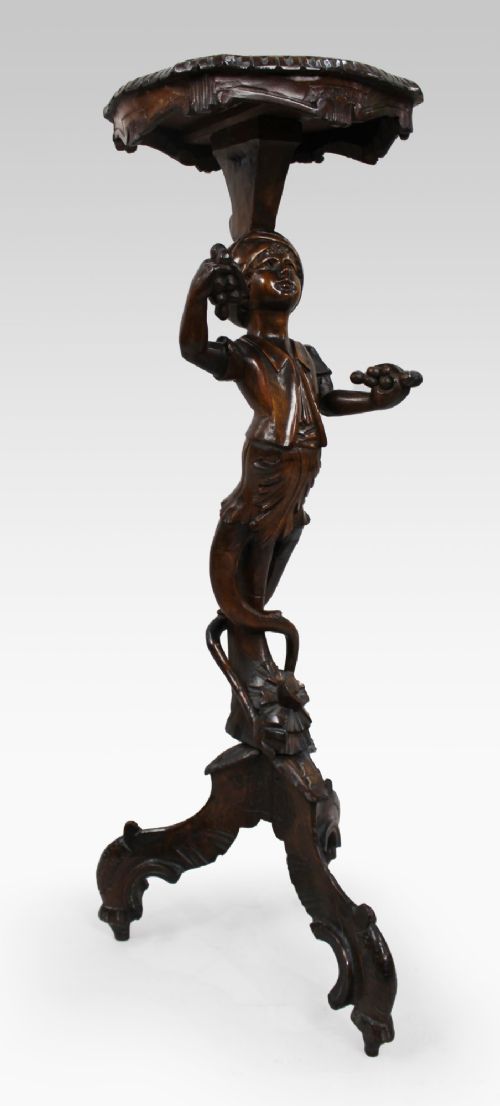
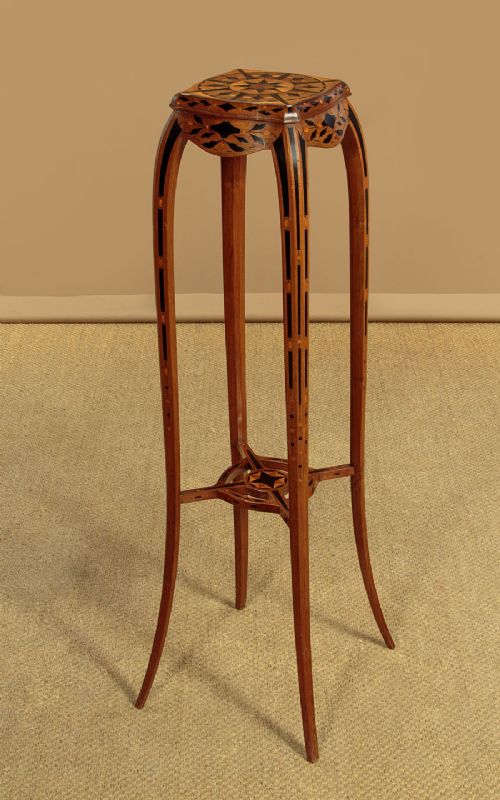
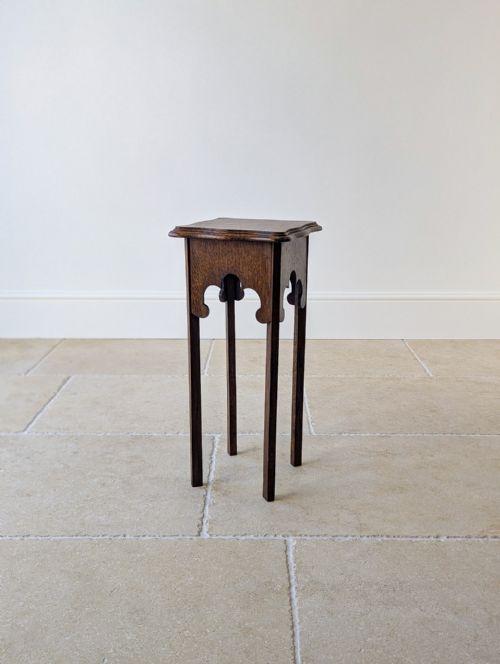
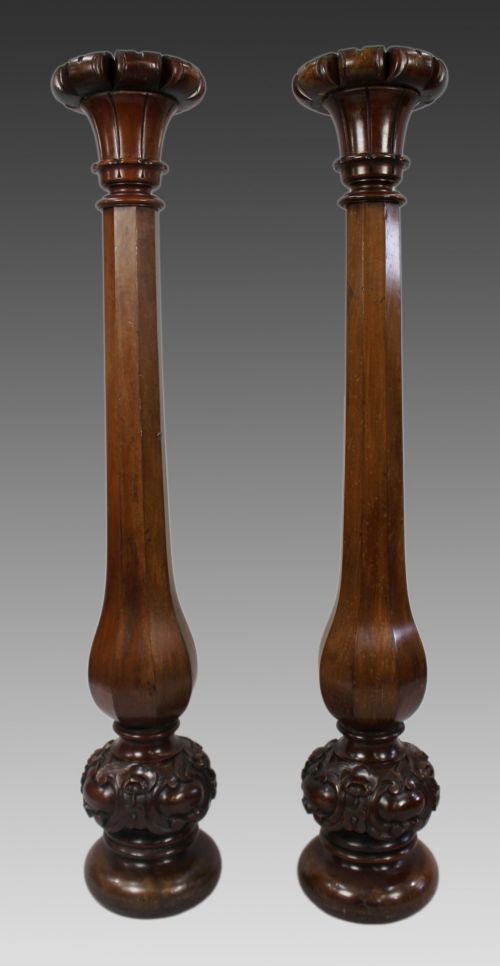
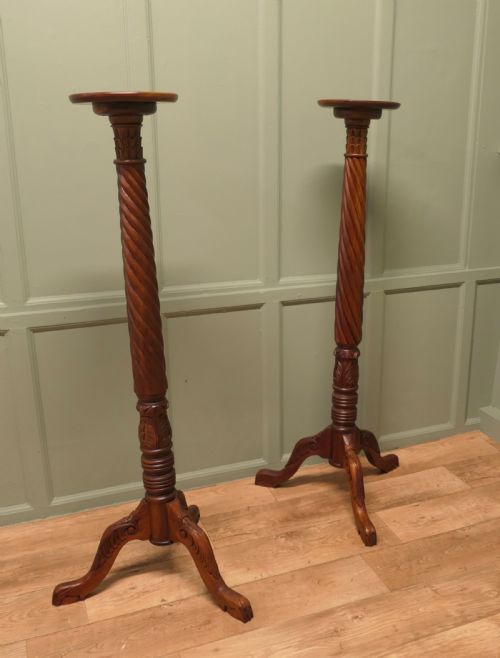
An antique wooden torchere stands as a tall, slender support designed originally for holding candles and adapted over time into plant stands, floor lamps and display pedestals. The pieces seen here span from the eighteenth century through the Edwardian era and the early twentieth century, taking the form of tripod columns, fluted pedestals and carved figures.
Makers and craftsmen utilised dense timbers such as mahogany, walnut and oak, alongside exotic accents like satinwood and kingwood, to build these towering stands. Many function today as lamp standards or plant stands, bridging the gap between decorative art and functional furniture within domestic interiors.
The origins of these supports stretch across British, Dutch, Italian and Anglo-Indian workshops, revealing distinct regional tastes in carving and turnery. Buyers searching for an antique wooden torchere encounter examples ranging from plain mahogany columns to ornate, painted figural standards.

How they were made
Cabinetmakers constructed these tall supports using dense hardwoods like mahogany, walnut and oak, often turning central columns on a lathe to achieve slender, balanced proportions. Secondary woods provided structural stability beneath fine veneers of satinwood or kingwood.
Carving, gilding and silvering formed the primary decorative techniques for high-status examples, utilising hand-chiselled details on foliage, fluting and figural elements. Surface finishes included original paint, gold leaf and polished French polish, preserving the grain of the timber.
Antique Wooden Torchere Retail Price Guide 2026
Typical asking prices for wooden torchere among the pieces listed under this phrase on Sellingantiques today, from the lower quarter to the upper quarter. They describe what is for sale here now, not the wider market.
The listings show materials ranging from solid mahogany and walnut to applied gold leaf, brass and painted finishes.
What varies in quality
The refinement of the hand-carving dictates the upper tier of quality, distinguishing crisp acanthus leaves and deep relief work from shallow, mechanical moulding. Timber selection plays an equally vital role, with rich grain patterns in walnut and figured mahogany separating superior examples from plain utility pieces.
Structural integrity in tall, slender furniture relies on the stability of the base, making heavy tripod or weighted circular feet a mark of thoughtful design. The survival of original surfaces, whether polychrome paint, silver leaf or deep polish, preserves the integrity of the piece.
Shoolbred·WMF
The Antique Wooden Torchere Glossary
- Torchere
- A tall stand designed to hold a light source, plant or decorative object. Originating in France, the form evolved from seventeenth-century candle stands into free-standing pedestals.
- Plinth
- The heavy base supporting a column, statue or torchere. It provides the necessary counterweight to keep tall, slender furniture stable.
- Jardiniere
- An ornamental pot or stand for holding plants or flowers. These often share the tall profile of a torchere.
- Turnery
- The technique of shaping wood by rotating it on a lathe against carving tools. This method produced the central columns of many eighteenth and nineteenth-century stands.
- Kingwood
- A dense, heavily figured exotic timber utilised in fine cabinetmaking. It frequently appears in veneers alongside walnut and mahogany on decorative stands.
Antique Wooden Torchere: Frequently Asked Questions
What is an antique wooden torchere used for today?
These tall stands serve primarily to elevate table lamps, potted plants and sculptural objects, introducing vertical interest into corner spaces.
Their narrow footprint allows them to occupy tight areas where a standard table would prove too wide or intrusive.
How do I distinguish an eighteenth-century torchere from a Victorian one?
Eighteenth-century examples often display restrained Georgian proportions with crisp, hand-carved mahogany or walnut timber surfaces.
Victorian pieces tend to feature heavier carving, darker finishes and occasionally figural elements or bolder proportions.
Can an antique torchere safely hold a modern floor lamp?
Many surviving stands were adapted during the twentieth century to function as lamp standards or wired floor lamps.
Buyers should inspect the base stability and consult an electrician to ensure safe wiring through the slender central column.
Where should I place a tall torchere in a room?
These pieces excel in empty corners, flanking sideboards or framing doorways where height draws the eye upward.
Positioning them away from heavy traffic prevents accidental knocks against their narrow tripod or circular bases.