





Carved Display Pedestal
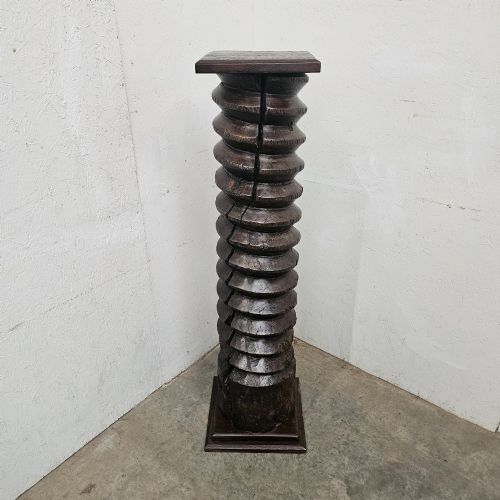
A carved display pedestal elevates sculpture, porcelain and plants, giving height and presence to a room.
Carved Display Pedestal
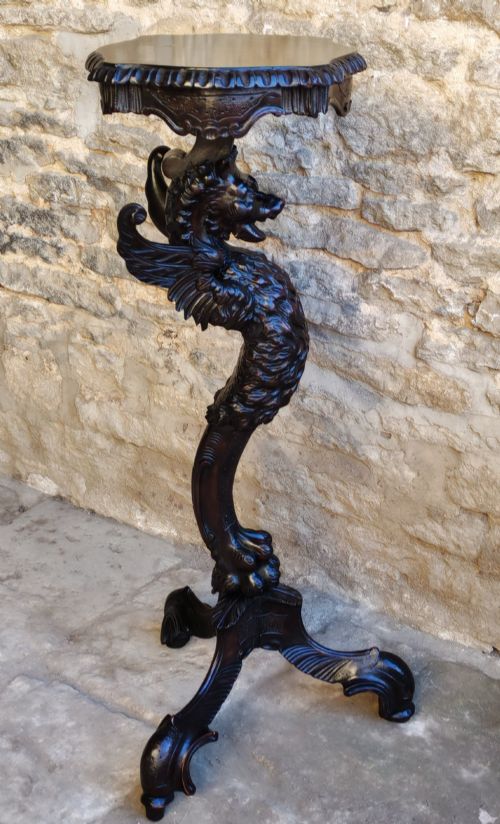
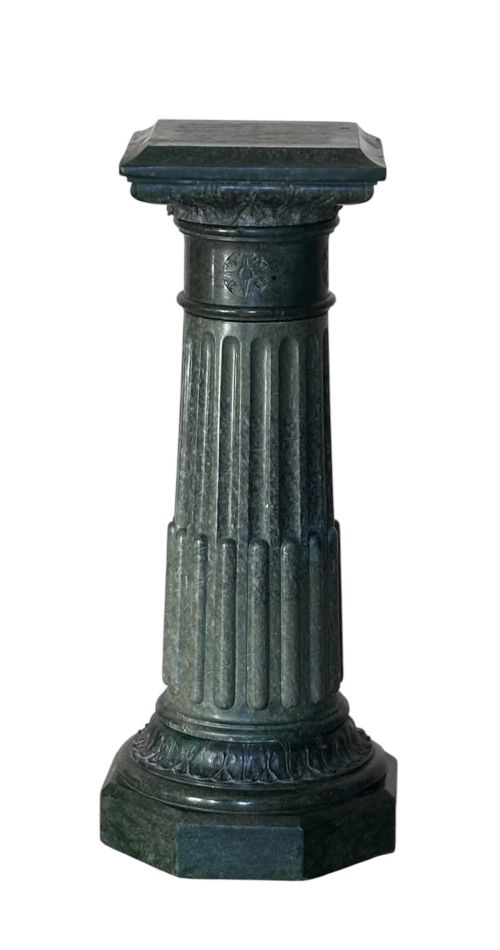
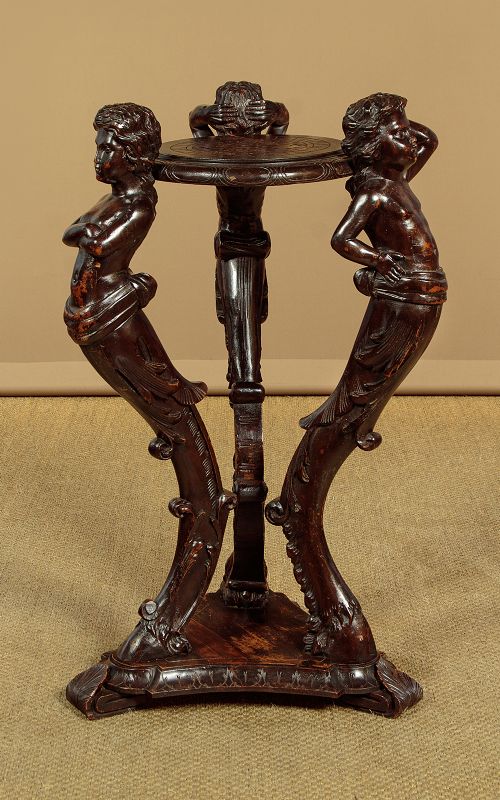
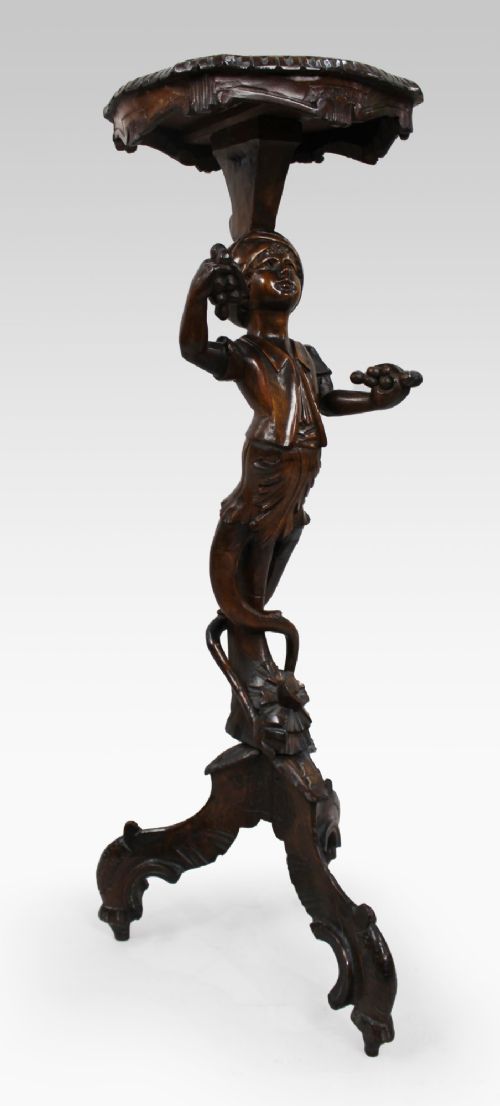
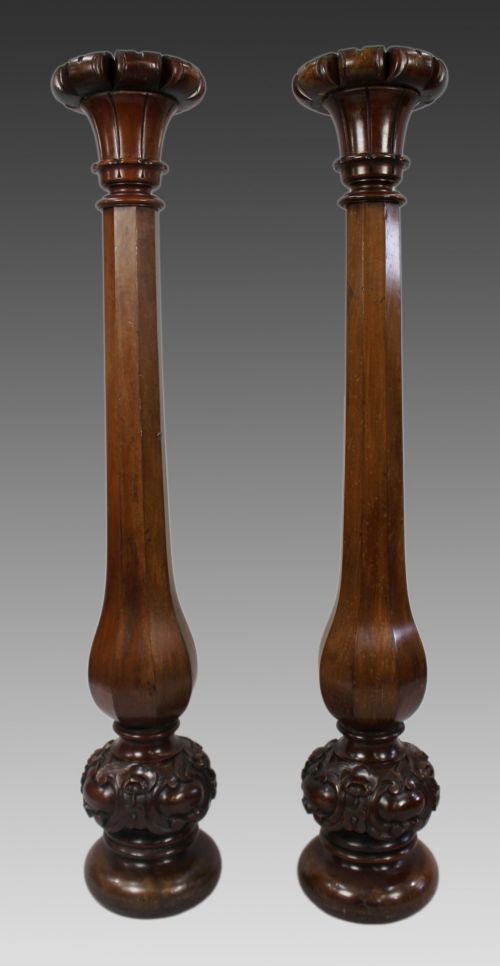
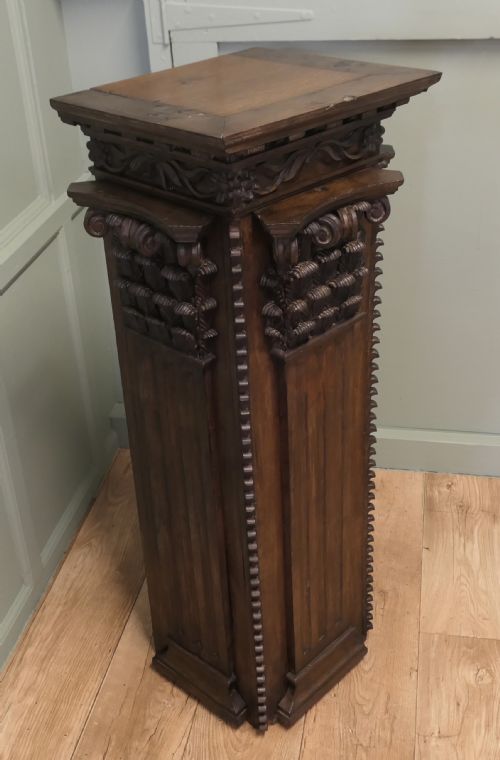
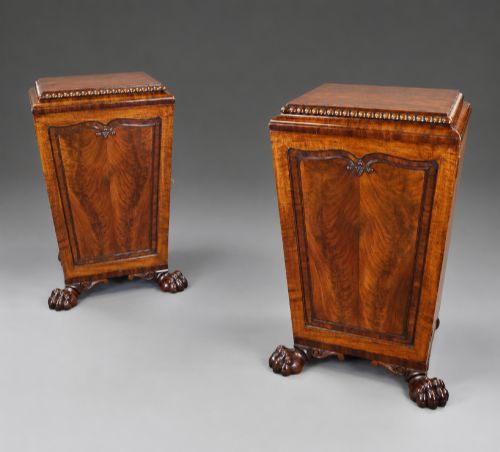
A carved display pedestal functions primarily as a support for decorative objects, sculpture, and plants, elevating them for better visibility within a room. When exploring this selection, buyers frequently encounter Victorian mahogany torcheres, Chinese hardwood pot stands with marble inserts, and continental columns dating from the nineteenth century.
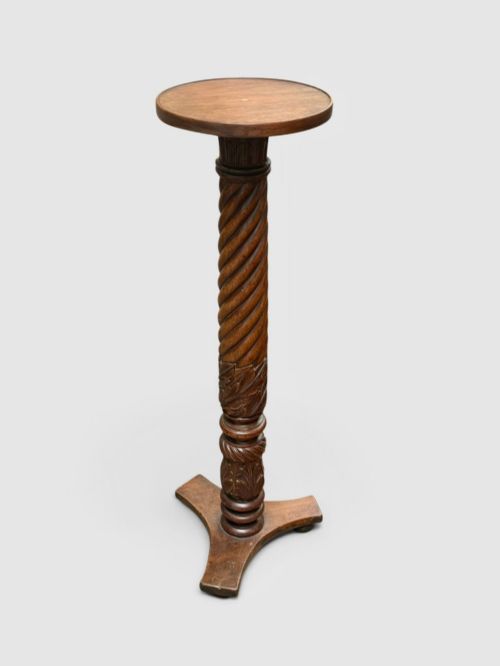
The physical forms vary considerably, ranging from slender tripod torchere stands to robust oak columns and low vase tables. Many pieces originate from nineteenth-century European workshops or Chinese export traditions, reflecting a global taste for elevated display furniture.
Makers utilised these stands in reception rooms, halls, and parlours to showcase prized ceramics, bronzes, and potted plants. The surviving examples demonstrate how domestic display habits evolved across different periods and design movements.
How they were made
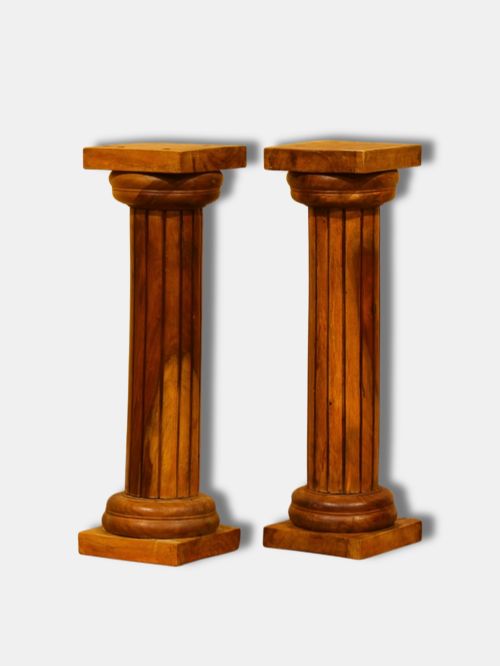
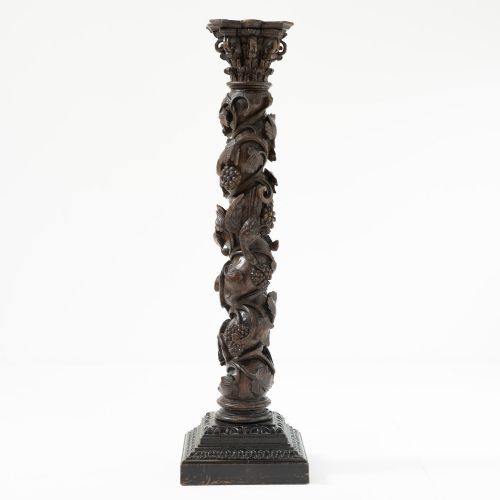
Cabinetmakers and carvers worked with dense timbers including mahogany, walnut, oak, and exotic hardwoods, selecting materials that could support significant weight without warping. These woods were turned on lathes or carved by hand to create fluted columns, spiral Solomonic twists, and intricate foliage motifs.
Stone and marble frequently formed the upper surfaces of stands intended to hold damp plant pots or heavy vases, protecting the timber beneath. Inlaid details such as mother-of-pearl or contrasting brass elements were occasionally added to enhance the visual impact of the upper surfaces.
Carved Display Pedestal Retail Price Guide 2026
Typical asking prices for carved display pedestal among the pieces listed under this phrase on Sellingantiques today, from the lower quarter to the upper quarter. They describe what is for sale here now, not the wider market.
Antler torcheres and carved turtle bonsai stands reveal the wonderfully eccentric side of Victorian and Japanese display culture.
What varies in quality
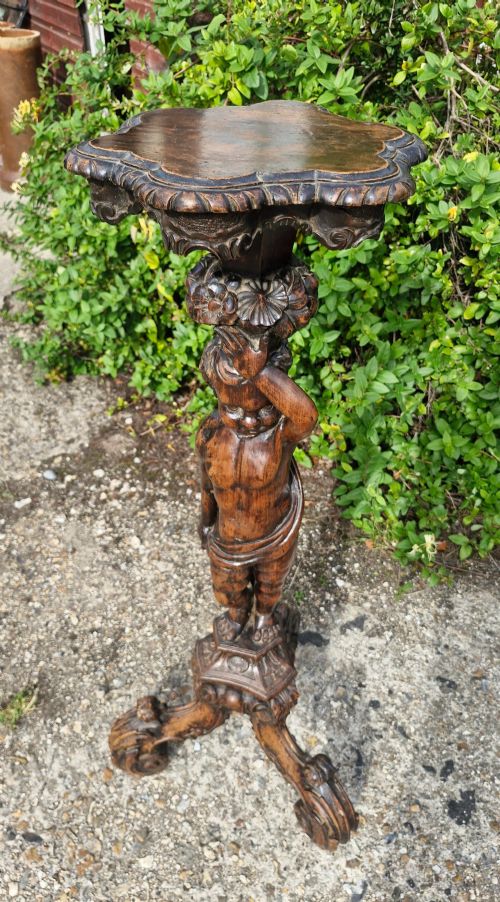
The depth and crispness of the hand carving distinguish finer examples from standard production pieces, particularly in the rendering of figural elements, acanthus leaves, and classical fluting. Superior execution involves sharp undercutting and harmonious proportions between the capital, shaft, and base.
The integrity of the timber joints and the stability of the foundation dictate the structural standard of a column or torchere. Stands that retain their original marble inserts, matching pairs, and unblemished wood surfaces demonstrate superior preservation.
Liberty of London
The Carved Display Pedestal Glossary
- Torchere
- A tall, slender stand designed specifically to support a lamp, vase, or decorative figure. These elevated pieces became popular during the Victorian period for illuminating dark corners.
- Solomonic
- A column characterised by a helical twist along its shaft, resembling a spiral. This classical form appeared on seventeenth-century furniture and returned in revival pieces.
- Plinth
- The flat base or lower block upon which a column or pedestal stands. It provides essential physical stability and visual grounding for the structure above.
- Jardiniere
- An ornamental pot or stand intended to hold plants or flowers indoors. They frequently incorporate waterproof stone or marble tops to prevent water damage.
- Tazze
- Shallow saucer-like vessels or shallow bowls raised on a stem and foot, often associated with Grand Tour souvenirs. These items were typically placed upon display pedestals.
Carved Display Pedestal: Frequently Asked Questions
What is a carved display pedestal used for?
These pieces serve as elevated stages for sculptures, urns, bronzes, and potted plants. By raising items off the floor, they draw the eye and create focal points within a room.
Historically, they occupied corners and reception spaces where decorative arts could be admired from multiple angles. Today, they perform the same function in domestic interiors.
How do I tell Victorian stands apart from earlier pieces?
Victorian stands frequently employ dense mahogany or walnut with machine-assisted turning alongside hand carving. They often exhibit heavier proportions and eclectic revival styles.
Earlier examples from the eighteenth century typically display more restrained hand carving and timber species like oak. Examining the joinery and tool marks helps clarify the period of manufacture.
What maintenance do antique wooden stands require?
Regular dusting with a soft cloth keeps the carved details free from buildup. Applying appropriate furniture wax occasionally helps nourish the hardwood surface and maintain its natural sheen.
Direct sunlight and extreme humidity fluctuations should be avoided to prevent the timber from splitting or warping over time.