



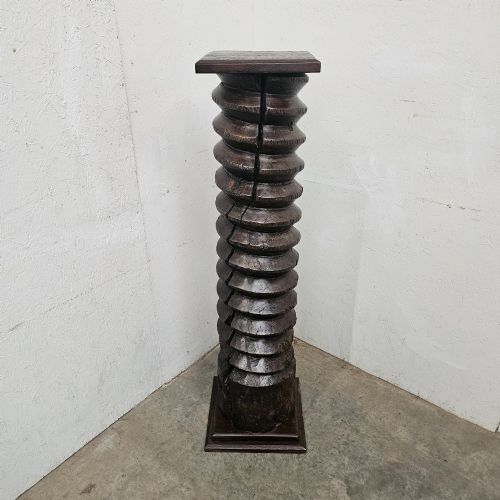
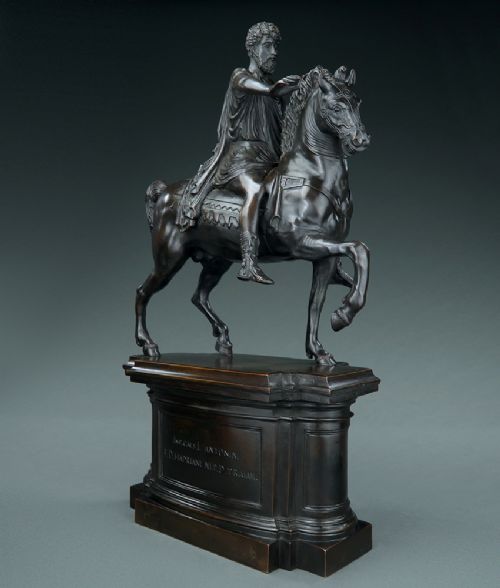
Antique Sculpture Plinth
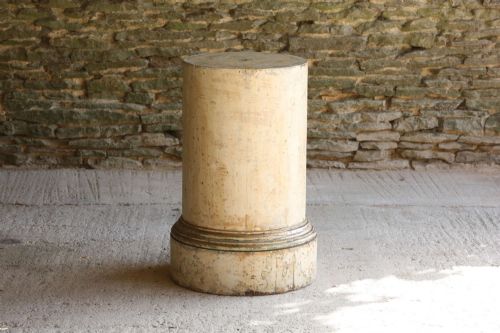
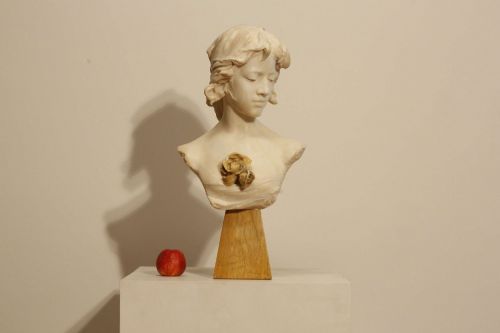
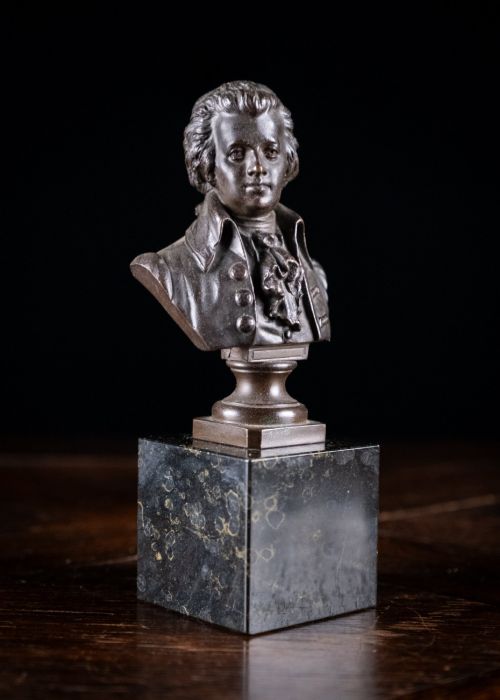
An antique sculpture plinth elevates a bronze, marble or carved wood figure, turning a room's focal point into a classical display.
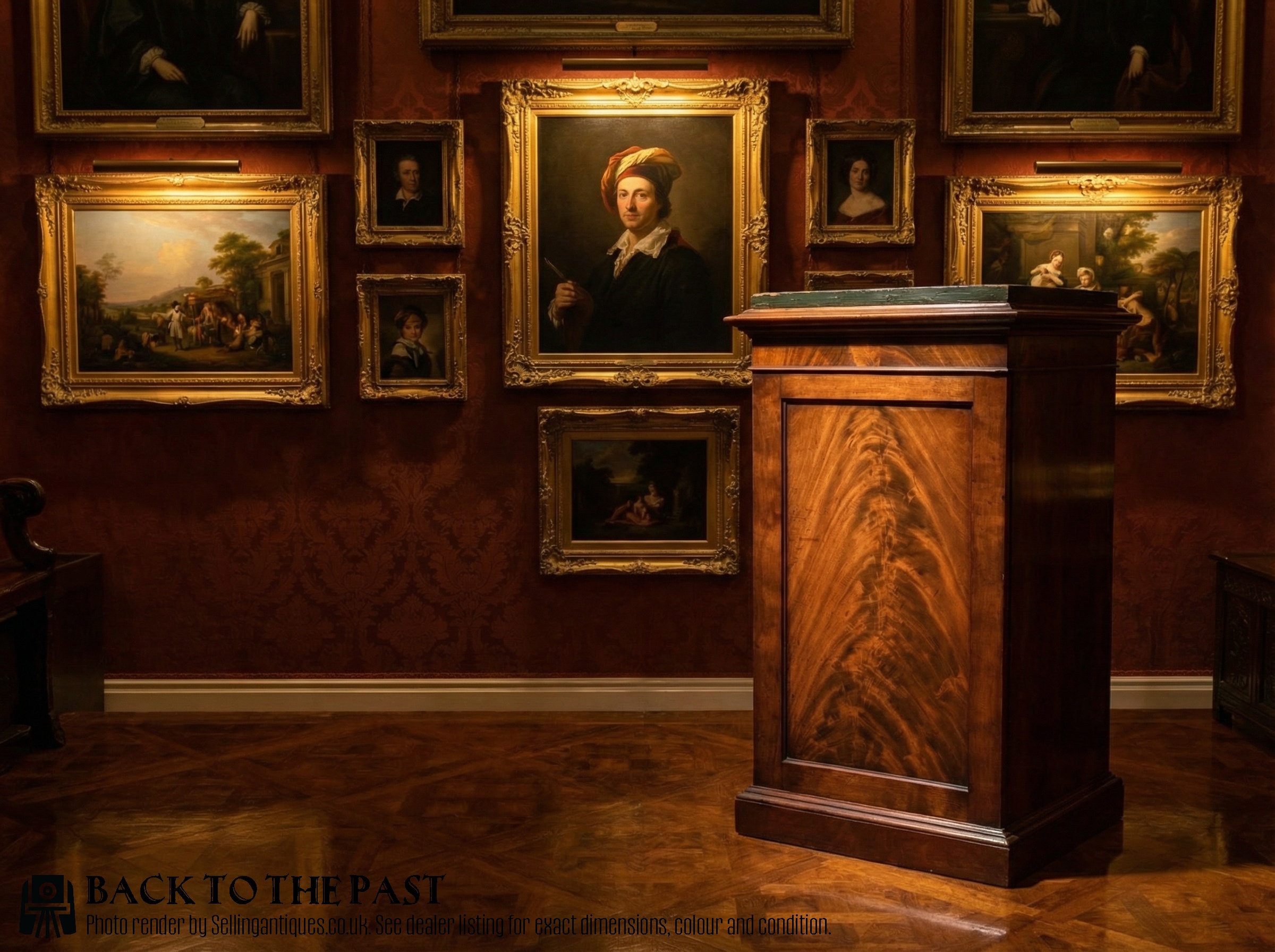
Antique Sculpture Plinth
An antique sculpture plinth serves to elevate figures, busts and decorative objects, giving them proper architectural height within a room. When searching for an antique sculpture plinth, buyers encounter tall columns, stepped pedestals and integrated bases that support bronze, marble and wood works.
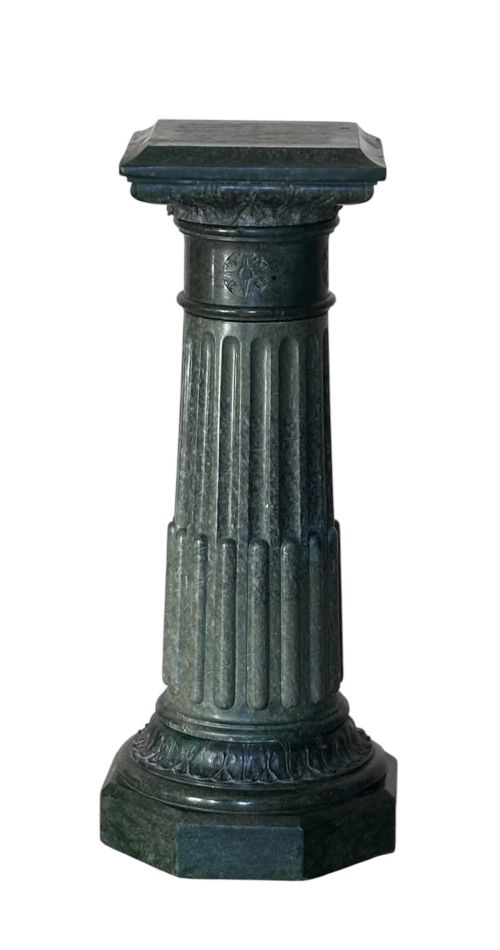
The selections span the seventeenth century through the art deco period, with nineteenth-century examples appearing most frequently. These pieces take the form of turned wood stands, carved oak columns, onyx pedestals and marble plinths designed specifically to display statuary.
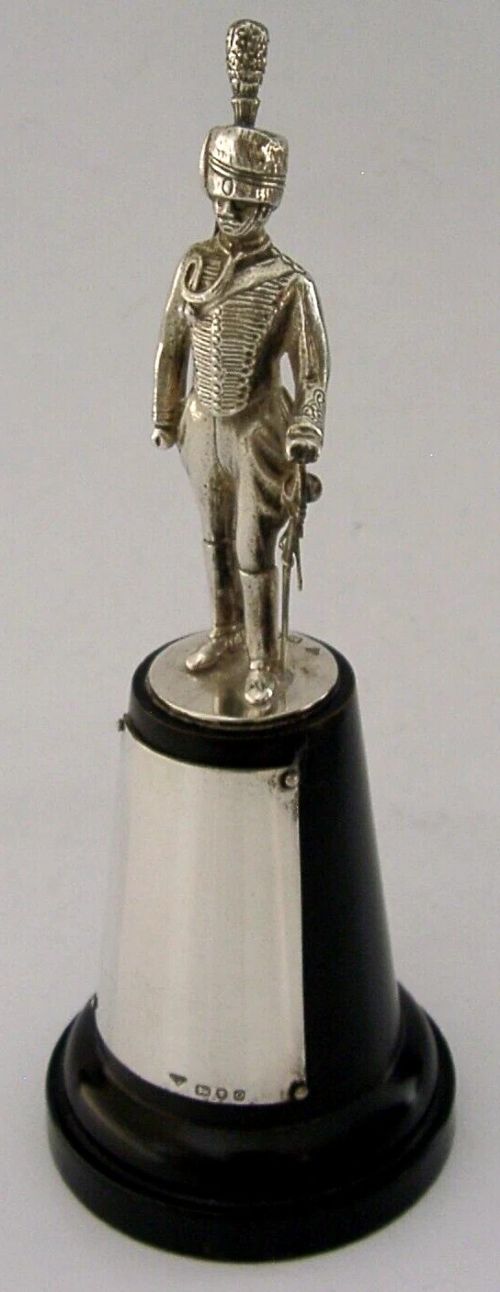
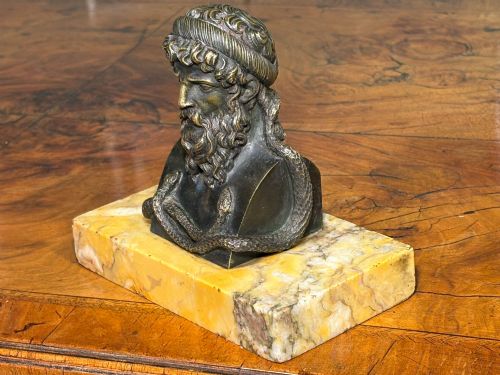
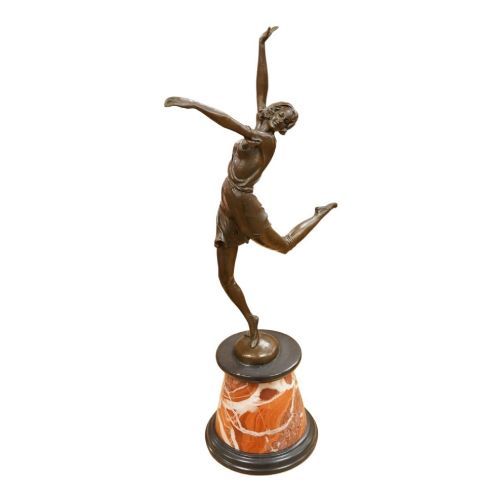
Many items combine a sculptural figure directly with its own integral stone or metal base, while others function purely as architectural furniture designed to hold a separate bust or bronze. Neoclassical, baroque and Victorian tastes dominate the forms, reflecting the periods in which they were produced.
Materials and construction methods
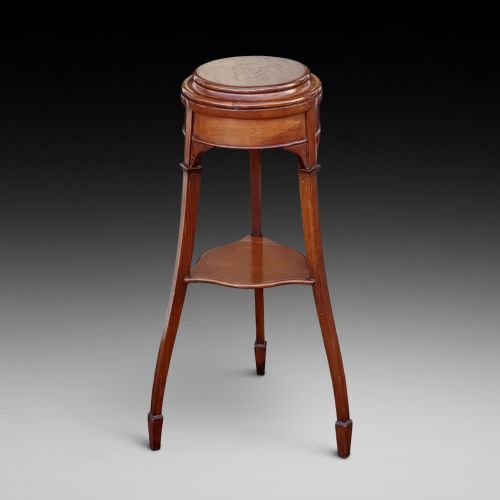
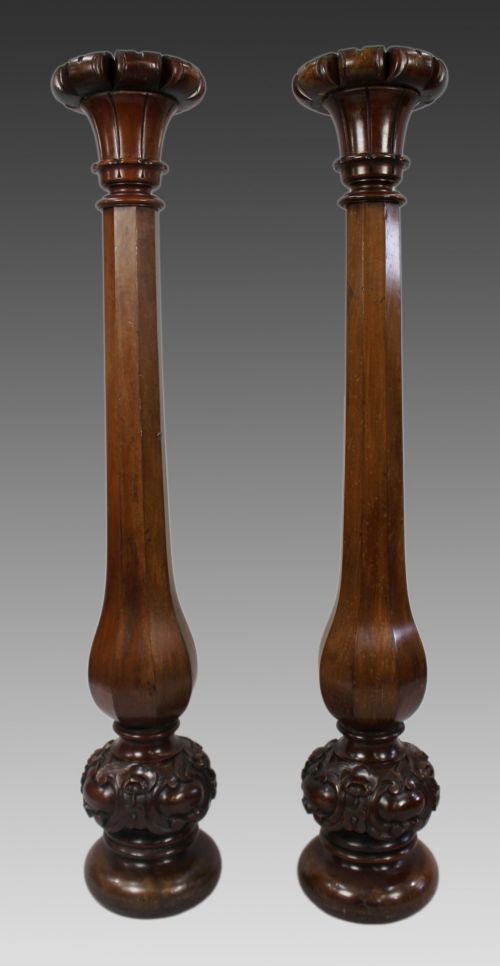
Carvers shaped solid oak, walnut and mahogany into fluted columns, solomonic twists and triform stands using traditional hand tools. Stonemasons turned and polished white marble, Bardiglio, Carrara marble and honey-coloured onyx to create smooth cylindrical and square-section pedestals.
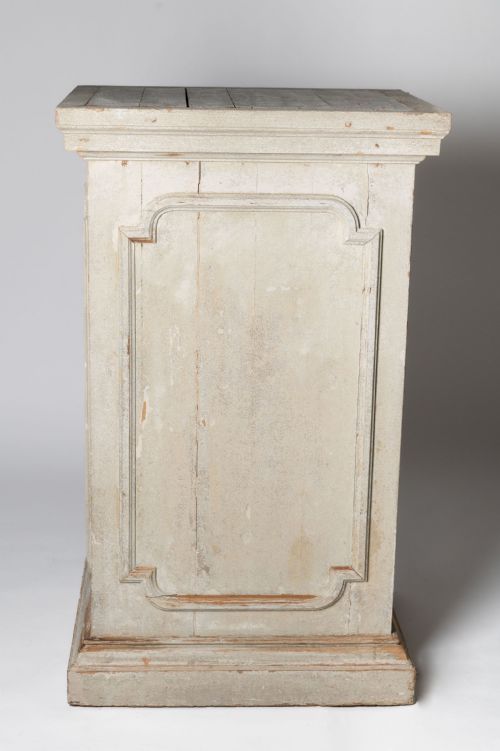
Foundries cast bronze, gilt bronze and spelter figures using the lost-wax method, often mounting the completed metalwork onto contrasting marble or onyx plinths. Craftsmen also utilised ebonised wood, paint and faux marble finishes over simpler timber cores to mimic costlier stones.
Antique Sculpture Plinth Retail Price Guide 2026
Typical asking prices for sculpture plinth among the pieces listed under this phrase on Sellingantiques today, from the lower quarter to the upper quarter. They describe what is for sale here now, not the wider market.
Period origins range from seventeenth-century carved oak columns up to art deco spelter works from the 1920s.
What separates the finest examples
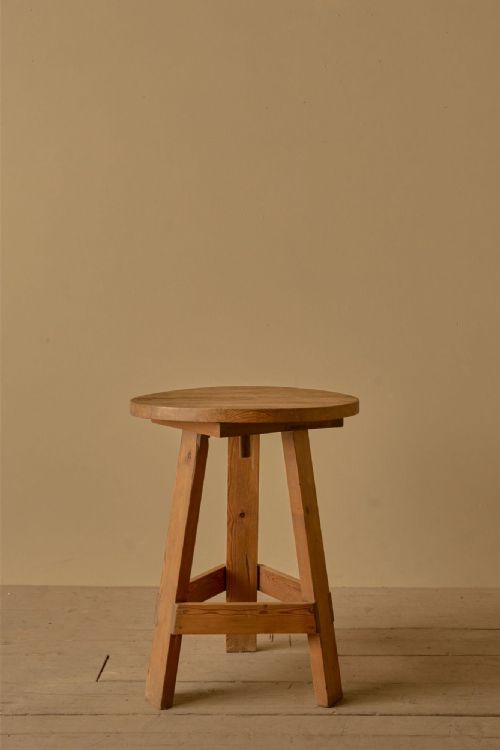
Quality rests upon the crispness of the carving and the purity of the materials used in construction. Solid marbles and dense hardwoods with hand-turned details show superior craftsmanship compared to simpler pine structures reliant on painted illusion.
Proportion and stability dictate the merit of a column or pedestal, ensuring the weight of the supporting base correctly balances the piece placed upon it. Foundry marks and signed signatures from established makers add documentary weight to metal sculptures set atop stone plinths.
Carl Kauba·Barbedienne·Josef Lorenzl·Bright And Sons·Henry Wissen Senior
The Antique Sculpture Plinth Glossary
- Solomonic
- A twisted, spiral column shape popular in seventeenth-century carving. This helical form creates dynamic movement up the height of the pedestal shaft.
- Ormolu
- Gilt bronze mounts applied to furniture, columns and clock bases. The technique involves coating bronze in a finely ground gold mercury amalgam.
- Spelter
- A zinc alloy used as a cheaper alternative to bronze for casting figures. It takes patination well to simulate heavier metal.
- Grand Tour
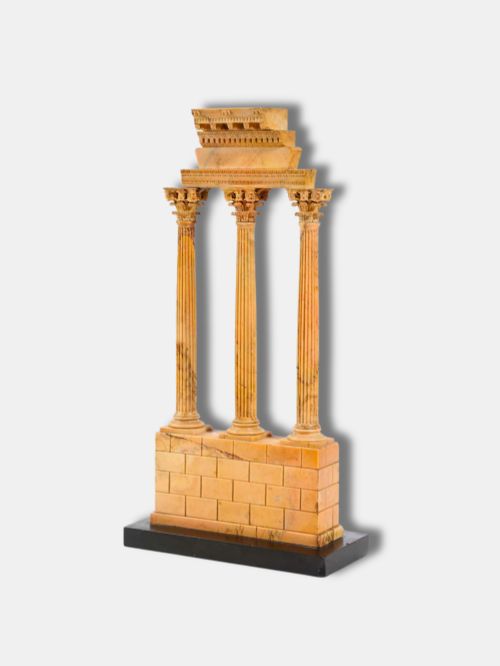
- Souvenirs purchased by travellers in Italy during the eighteenth and nineteenth centuries. These include miniature bronzes and marble architectural fragments.
- Animalier
- A nineteenth-century art movement focusing on realistic depictions of animals. Sculptures in this style often sit upon dedicated marble plinths.
Antique Sculpture Plinth: Frequently Asked Questions
How do I choose the right height?
Consider the height of the sculpture you intend to place upon the stand and the ceiling clearance of your room. Taller columns work well for smaller busts, while lower plinths suit life-size figures.
Ensure the top surface area matches the footprint of your object to provide a stable display without overhang.
Can these hold heavy marble figures?
Solid marble and heavy oak pedestals offer substantial weight capacities designed to support dense stone and cast bronze sculpture. Check the internal structure and base width before placing particularly heavy items.
Neoclassical and Victorian column pedestals are engineered specifically to bear significant vertical loads safely.
How do I clean antique marble?
Dust the stone regularly with a soft, dry cloth to prevent dirt settling into the natural pores of the marble. Avoid harsh chemical cleaners or acidic solutions that can etch the polished surface.
For deeper cleaning, use a damp cloth with mild soap, followed immediately by thorough drying with a clean towel.
Are bronze figures attached to the plinths?
Many bronze sculptures are pinned or bolted directly through the marble or onyx plinth base for security. Others rest unattached within fitted recesses on the stone surface.
Examine the underside of the plinth to understand how the figure secures to its base before moving the piece.