


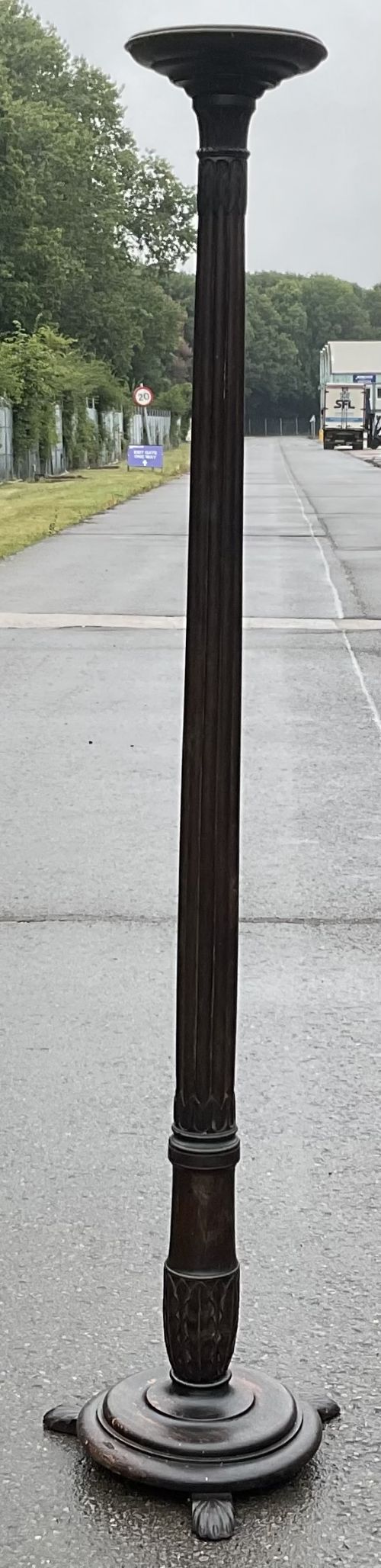
Mahogany Sculpture Stand
A mahogany sculpture stand elevates art with architectural presence, offering sturdy timber columns and classical forms designed to display figures and busts.
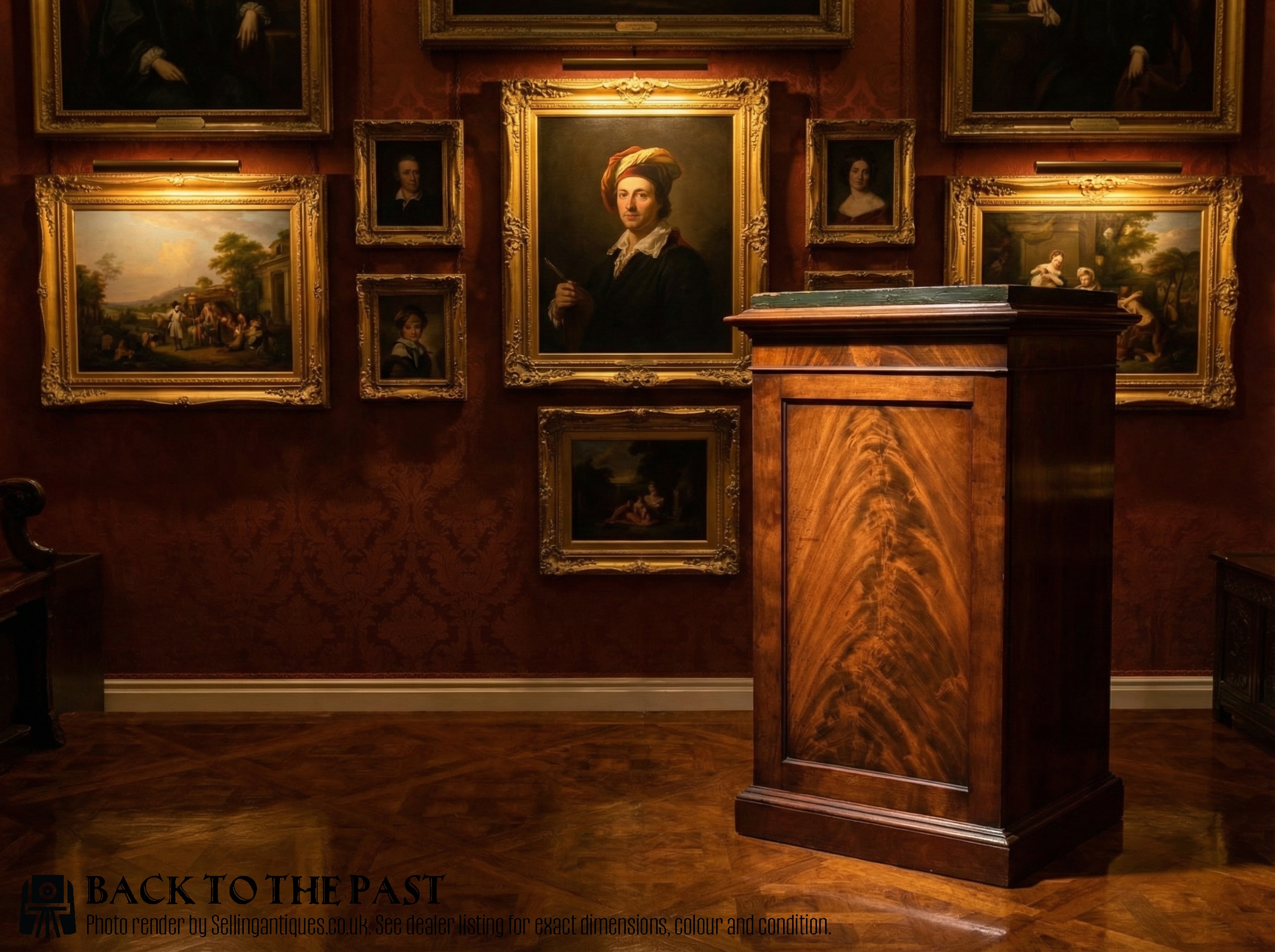
Mahogany Sculpture Stand
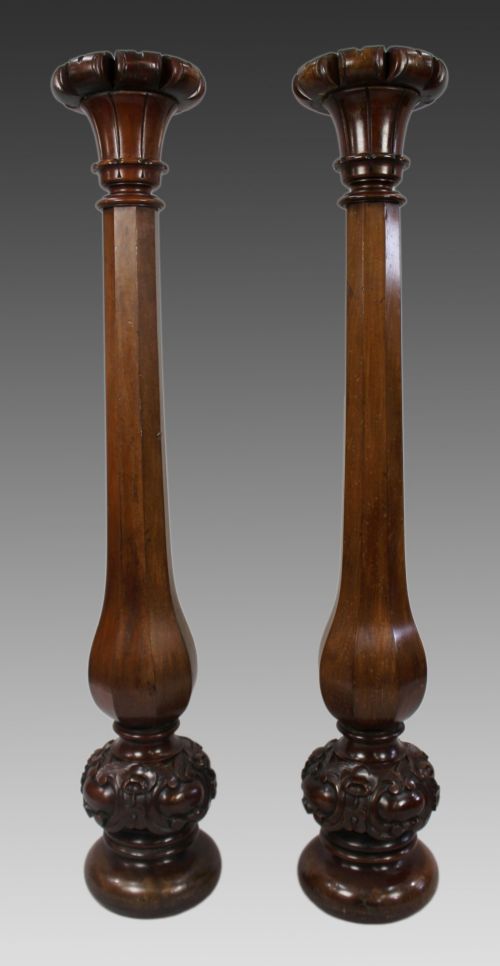
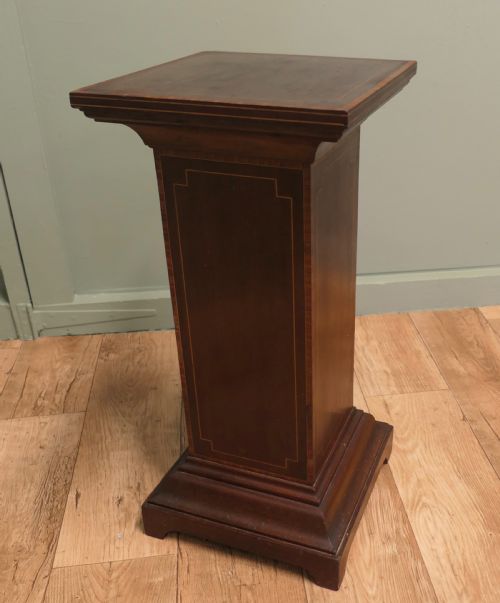
A mahogany sculpture stand serves primarily as a raised platform or column for displaying busts, figures, lamps, and ornamental plants. When searching for a mahogany sculpture stand, buyers encounter a variety of forms including tall torchieres, cylindrical columns, and pedestals with cabinets or secret compartments.
The pieces appearing on this page span several periods, predominantly originating from the nineteenth and early twentieth centuries. Victorian and Edwardian examples sit alongside earlier Georgian styles, offering diverse architectural silhouettes for interior display.
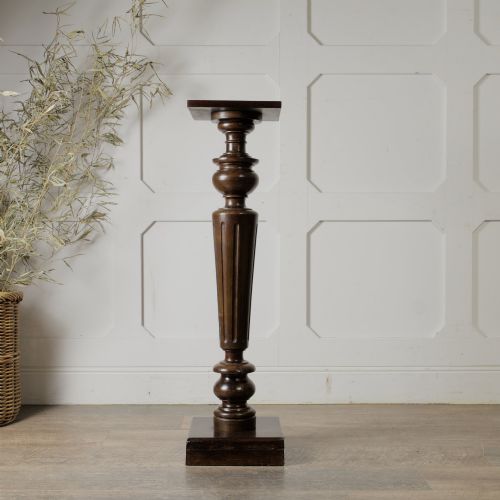
Most examples rely on solid or timber-veneered mahogany, occasionally paired with contrasting materials such as marble or alabaster tops. Buyers most frequently meet straightforward turned columns, reeded pedestals, and square-topped display stands.
How they were made
Cabinet makers constructed these stands using dense tropical timbers, employing solid mahogany or applying mahogany veneers over secondary woods like pine. Turned columns required heavy lathes, while decorative elements often featured hand-carving in styles ranging from classical revival to neoclassical.
Many examples incorporate inset contrasting surfaces such as white marble or alabaster slabs to provide a stable, cool landing for heavy stone busts or bronze figures. Structural stability relied on weighted internal blocking and secure joints connecting the capital, shaft, and stepped base.
At least one nineteenth-century pedestal conceals a secret compartment within its timber architecture, offering a hidden hiding spot for precious items.
What varies in quality
Quality in these stands depends upon the density and grain selection of the timber, alongside the crispness of any hand-carved ornamentation. Finer examples display harmonious proportions, substantial weight, and carefully executed joinery rather than purely mechanical turning.
The choice of supplementary materials dictates the upper tier of craftsmanship, such as intact statuary marble tops, fine brass mounts, or ingenious hidden compartments. Stands showing thoughtful architectural detailing and robust structural integrity command greater appreciation among collectors.
The Mahogany Sculpture Stand Glossary
- Torchere
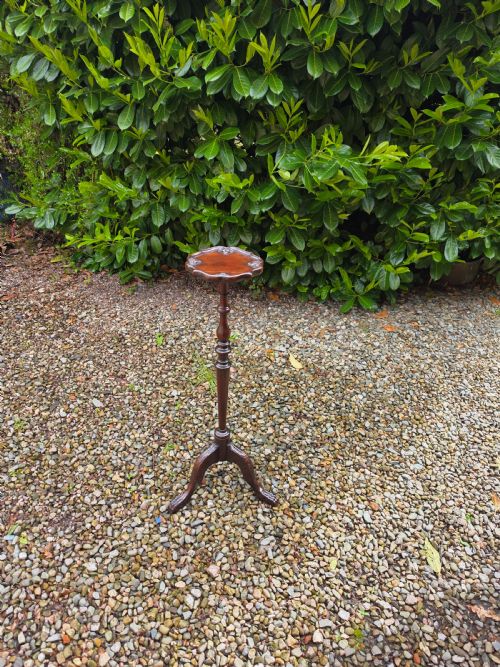
- A tall, slender stand traditionally designed to hold a candle or lamp. These elevated pieces often feature elaborate turned columns or carved wooden shafts.
- Plinth
- A heavy flat-topped base or block serving as the foundation for a column, statue, or bust. It provides essential visual and physical stability.
- Pedestal
- A freestanding architectural support used to elevate a sculpture, vase, or ornamental object. They appear in square, cylindrical, or tapered column forms.
- Neoclassical
- A design style drawing inspiration from the classical art and architecture of ancient Greece and Rome. Pieces from this movement often utilise clean architectural lines and formal symmetry.
- Capital
- The uppermost member of a column or pedestal, positioned just beneath the top surface. It frequently receives decorative carving such as acanthus leaves or simple mouldings.
Mahogany Sculpture Stand: Frequently Asked Questions
What is a sculpture stand used for?
These elevated pieces serve to showcase heavy items like bronze figures, marble busts, and decorative urns at eye level. They lift artworks out from cluttered floor spaces to command attention within a room.
Historically, country houses and formal libraries utilised them to display classical antiquities and lighting. Today, they function equally well for displaying modern sculptures or large indoor plants.
How do I date a mahogany stand?
Dating relies heavily on examining the timber characteristics, construction methods, and stylistic revival influences present in the piece. Nineteenth-century examples often exhibit heavier proportions and distinct machine or hand tool markings.
Comparing the decorative motifs, such as Georgian, Victorian, or Edwardian styling, helps narrow down the decade of production. Secondary woods like pine hidden beneath the surface also offer clues to the manufacturing era.
Are these stands strong enough for heavy stone?
Many pedestals are engineered with solid hardwood timbers and weighted bases specifically to support substantial weight. Marble and alabaster top variants are naturally built to handle heavy stone sculptures.
Inspecting the internal structure and the base joint ensures the stand maintains proper balance. Solid timber construction generally provides superior load-bearing capacity compared to lighter decorative brackets.
Where should I place a torchere stand?
Torchere stands suit corners, empty hallway spaces, or flanking large pieces of furniture where vertical height adds balance. Placing them away from direct heat sources protects the mahogany timber from drying out.
Consider the lighting in the room if using the stand to support a lamp or illuminated figure. Ensuring a clear pathway prevents accidental knocks against slender columns.