

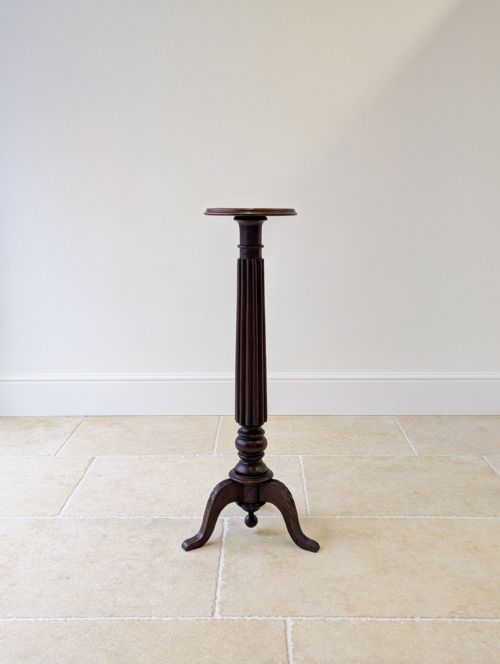
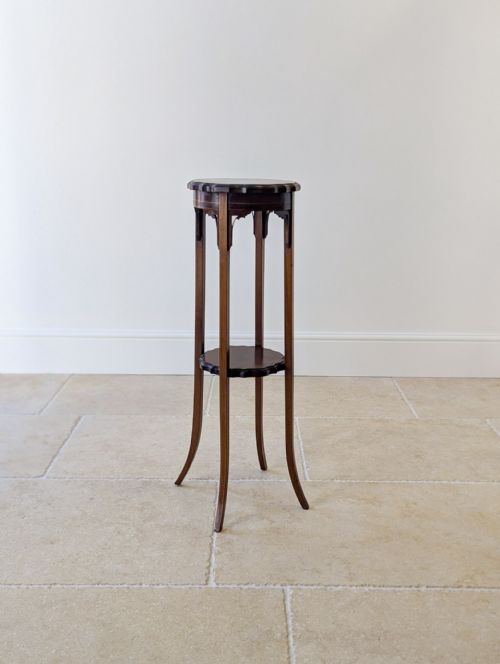
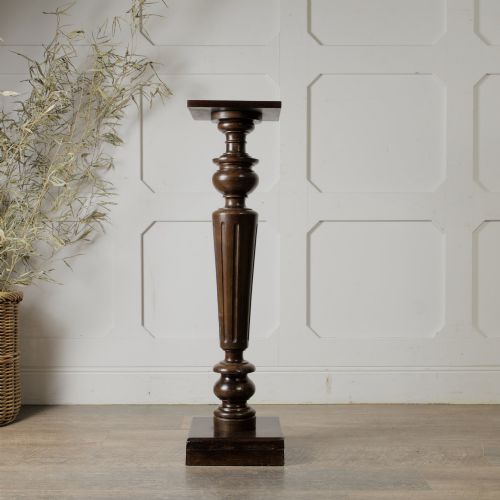
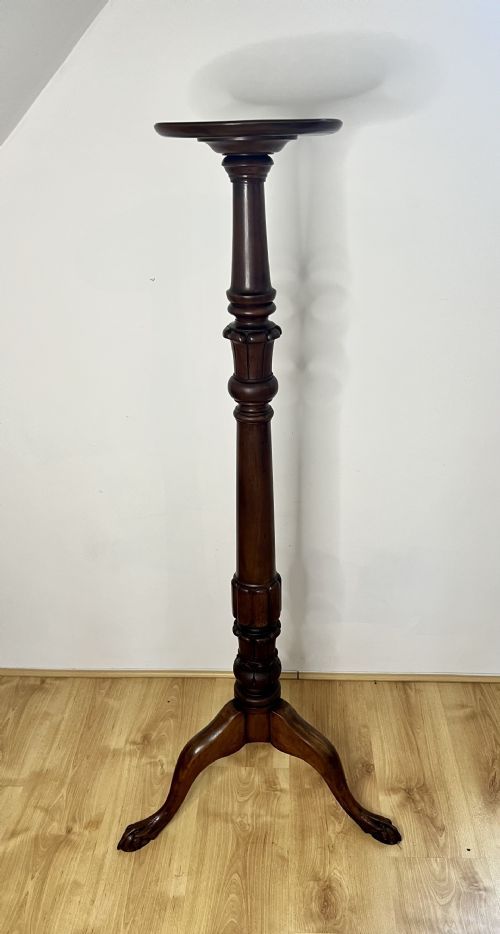

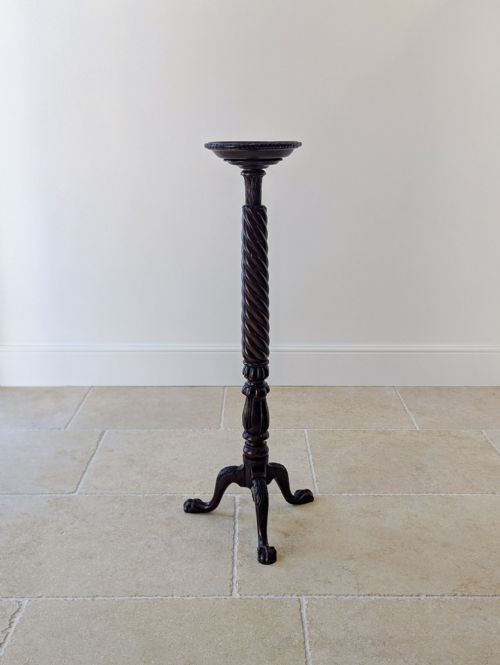
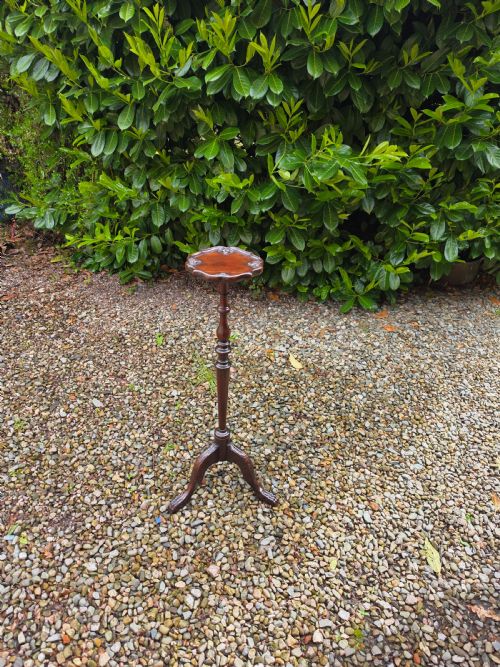
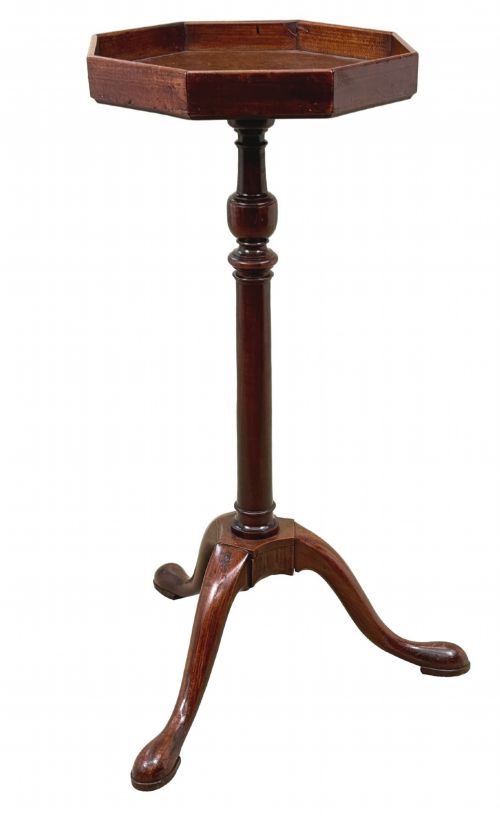
Dark Mahogany Torchere
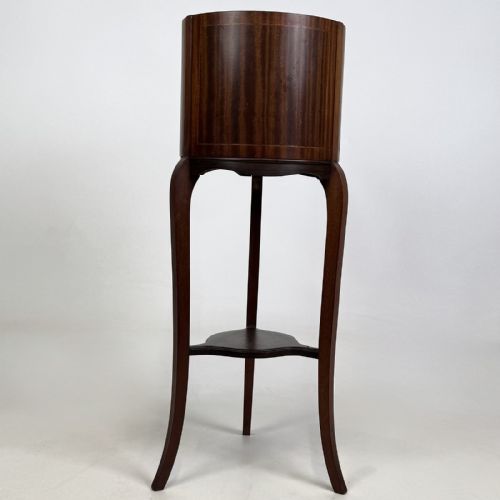
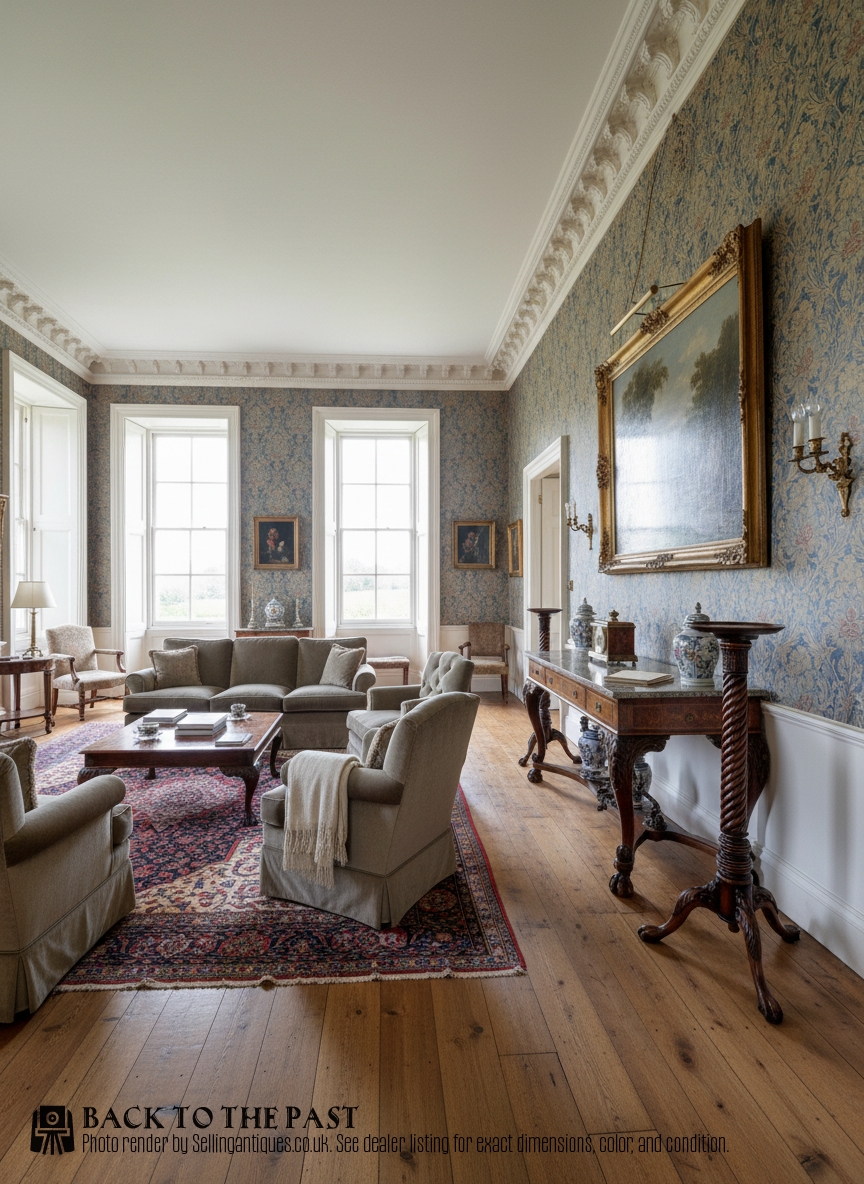
A dark mahogany torchere brings height and a slender silhouette to a corner, holding a lamp, plant or urn with quiet authority.
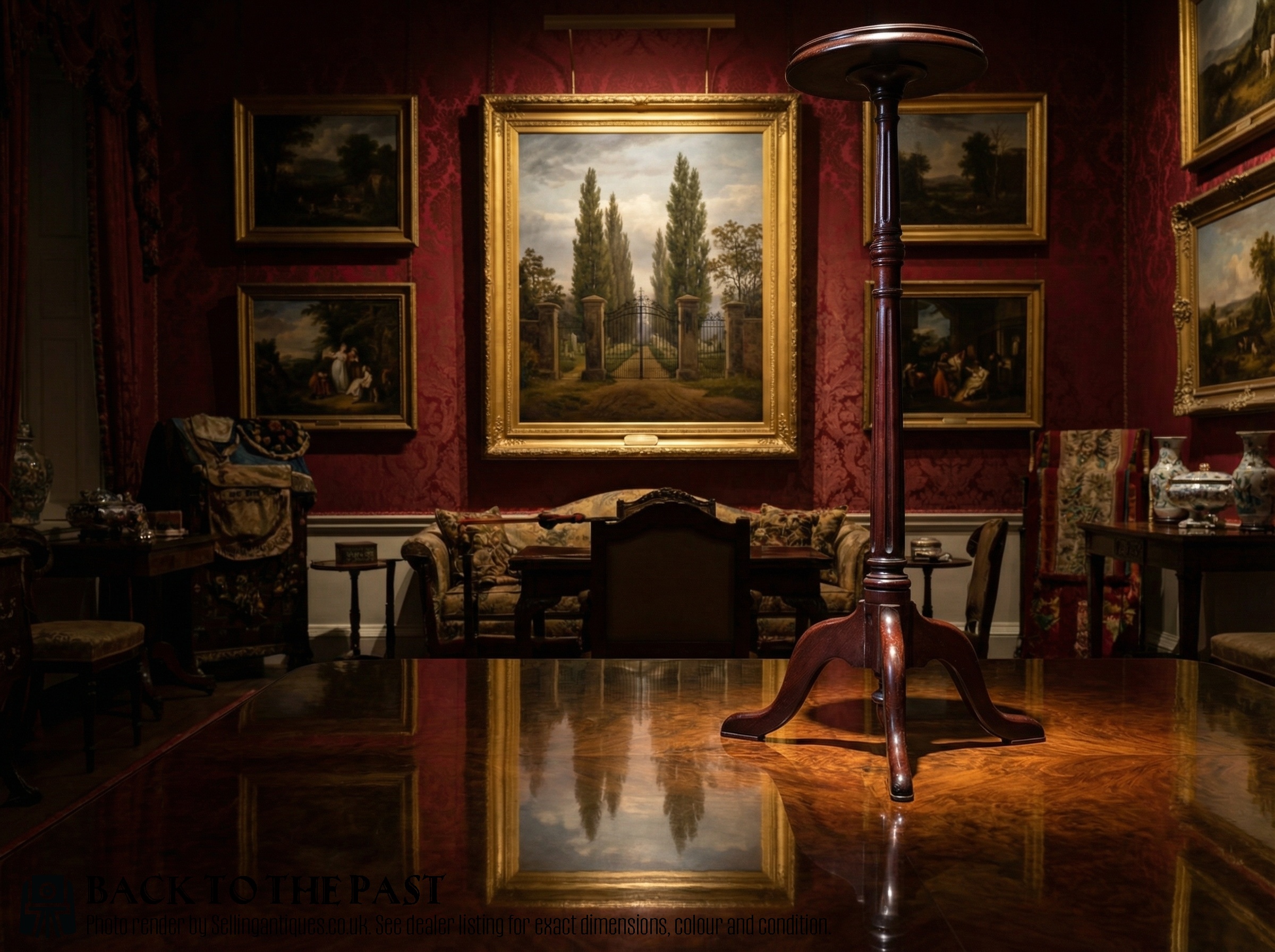
Dark Mahogany Torchere
A dark mahogany torchere is a tall, slender stand designed originally to hold a candle or lamp, and now frequently utilised as a plant stand or display pedestal. When searching for a dark mahogany torchere, collectors encounter pieces spanning from the eighteenth century through the Edwardian period and later revivals.
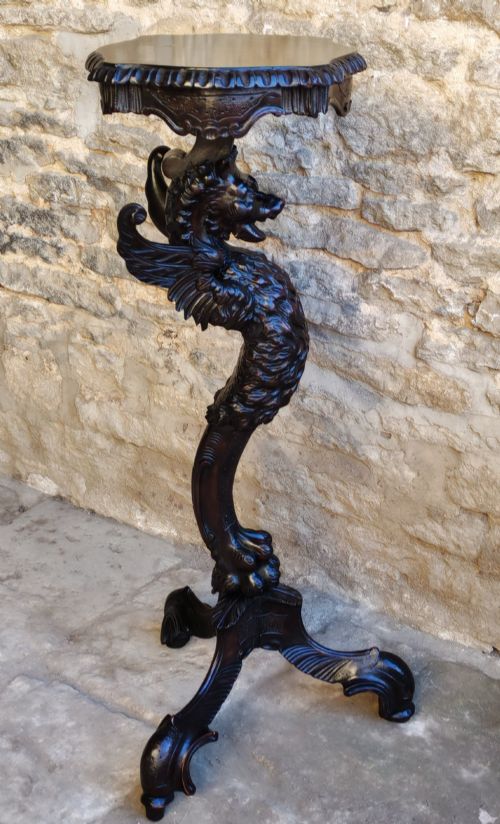
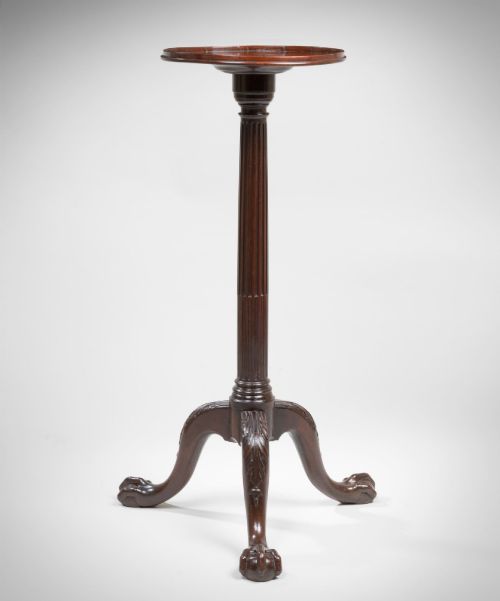
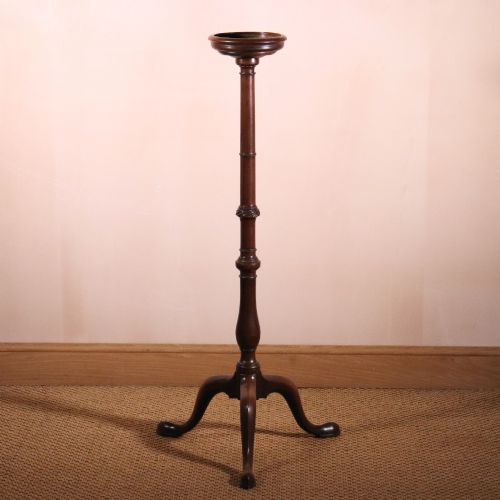
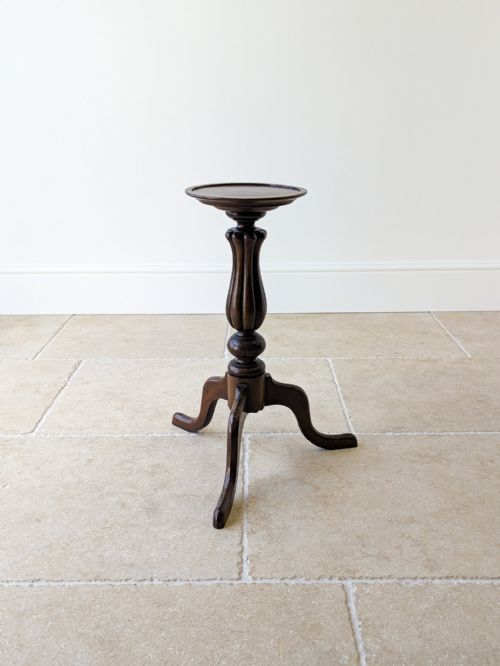
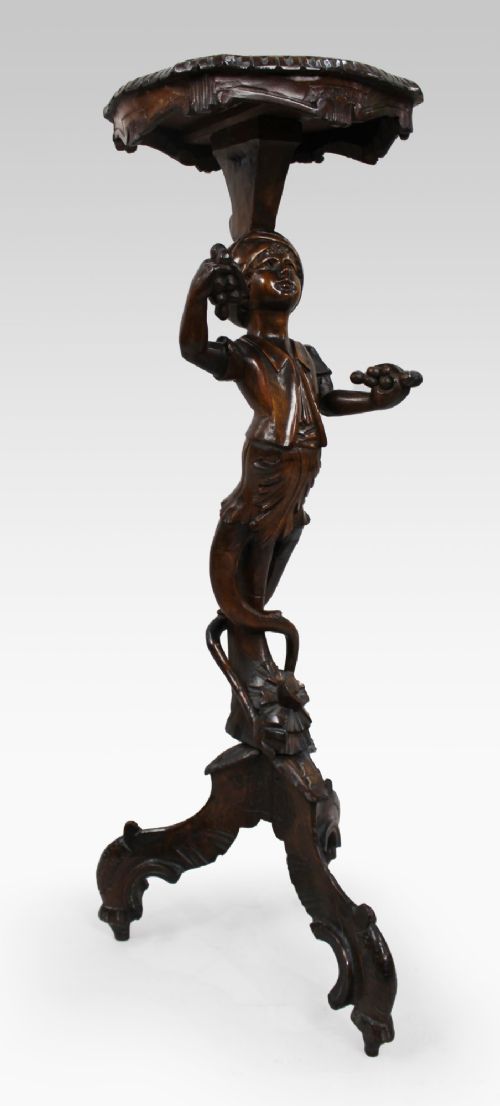
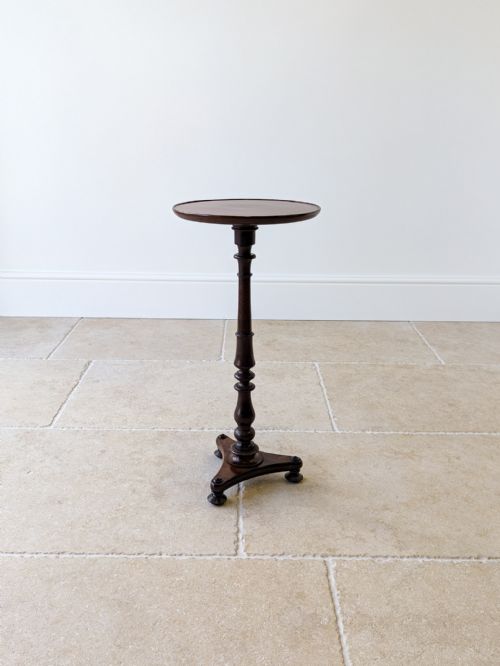
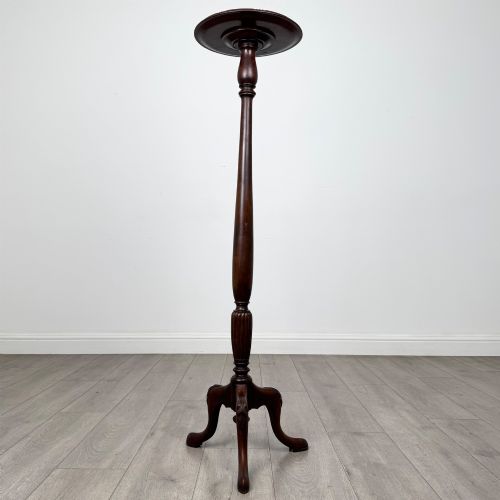
The form typically comprises a circular or shaped top supported by a single slender column and a stable tripod or shaped base. Examples range from plain turned wooden shafts to elaborately carved Corinthian columns and figural supports.
Materials and construction
Cabinetmakers constructed these tall stands primarily using dense mahogany, occasionally pairing solid timbers with sturdy hardwoods or incorporating satinwood inlay and ormolu mounts for decorative contrast. Turning lathes shaped the central columns, while skilled hands carved the intricate acanthus leaves, reeding and claw-and-ball feet seen on finer examples.
Joints were meticulously pegged and tenoned to ensure stability despite the narrow footprint and considerable height of the column. Metal components such as brass, bronze and silver-plated details frequently reinforced the structure or adorned the capitals and bases.
Dark Mahogany Torchere Retail Price Guide 2026
Typical asking prices for dark mahogany torchere among the pieces listed under this phrase on Sellingantiques today, from the lower quarter to the upper quarter. They describe what is for sale here now, not the wider market.
Several nineteenth-century examples double as campaign furniture, proving that even an elegant candle stand packed up for travel when necessary.
The markers of quality
Quality in a tall stand rests upon the depth and crispness of the carving, the weight of the timber and the balance of the proportions. A superior piece exhibits hand-carved detailing with sharp undercut edges rather than a soft, cast resin or machine-milled finish.
The choice of timber grain also dictates value, with well-figured, dense mahogany showing rich depth beneath the polish. Stability matters profoundly in tall, narrow furniture, so heavier bases and tight, original joints distinguish the best examples from lesser commercial items.
The Dark Mahogany Torchere Glossary
- Torchere
- A tall ornamental stand designed to hold a light source or decorative object. The form originated in France to carry wax candles.
- Plinth
- A heavy base supporting a statue, vase or column. It provides necessary counter-weight for tall, slender furniture.
- Ormolu
- Gilded bronze applied as a decorative mount on furniture. It gained widespread popularity during the French Empire and nineteenth-century revivals.
- Inlay
- A technique where contrasting materials are inserted into recesses within the wood surface. Satinwood frequently provides this bright contrast against dark mahogany.
Dark Mahogany Torchere: Frequently Asked Questions
What was a torchere used for?
Historically, these tall stands held candles or oil lamps to illuminate dark corners of grand rooms before electric lighting became common. Today, people use them to display house plants, bronze figures, floral arrangements or table lamps.
Their elevated profile draws the eye upward, making them particularly useful for filling awkward spaces beside fireplaces or between windows.
How do I care for mahogany?
Mahogany benefits from light dusting with a dry, soft cloth and occasional treatment with quality beeswax to nourish the timber. Avoid placing these tall stands in direct sunlight or beside radiators, as extreme temperature fluctuations can dry out the wood.
Because they possess a narrow base and significant height, position them away from heavy foot traffic where they might be accidentally knocked over.
How do I tell Victorian from Georgian stands?
Georgian stands, dating from the eighteenth century, often display restrained classical proportions, crisp hand-carving and understated tripod bases. Victorian examples from the nineteenth century frequently feature heavier carving, more ornate Corinthian capitals, and occasional revival styles such as Chippendale or Regency.
Examining the underside of the top, the tool marks and the patina of the timber helps determine the likely age.
Are pairs difficult to find?
Matched pairs of tall stands occur less frequently than single pieces because many were originally made as individual items or separated over centuries. When pairs do survive, they are usually found in classical revival styles or standard nineteenth-century production.
They work effectively placed symmetrically on either side of a sideboard, doorway or fireplace.