


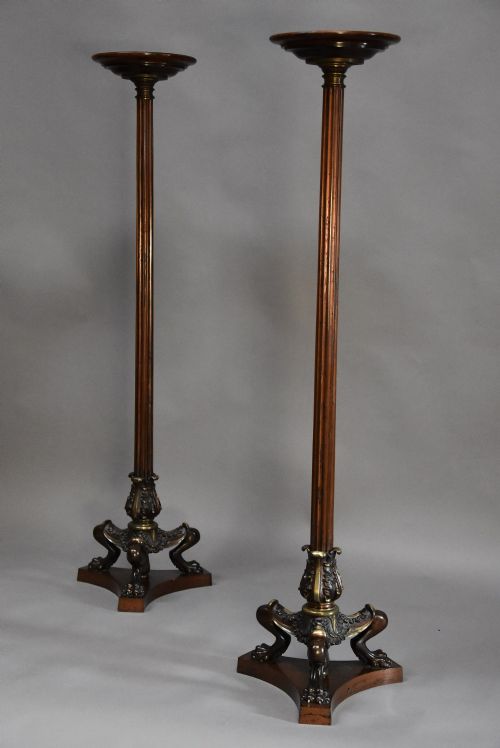


Fluted Column Plant Stand
A fluted column plant stand elevates greenery with classical architectural presence, bringing vertical rhythm and substance to a corner.
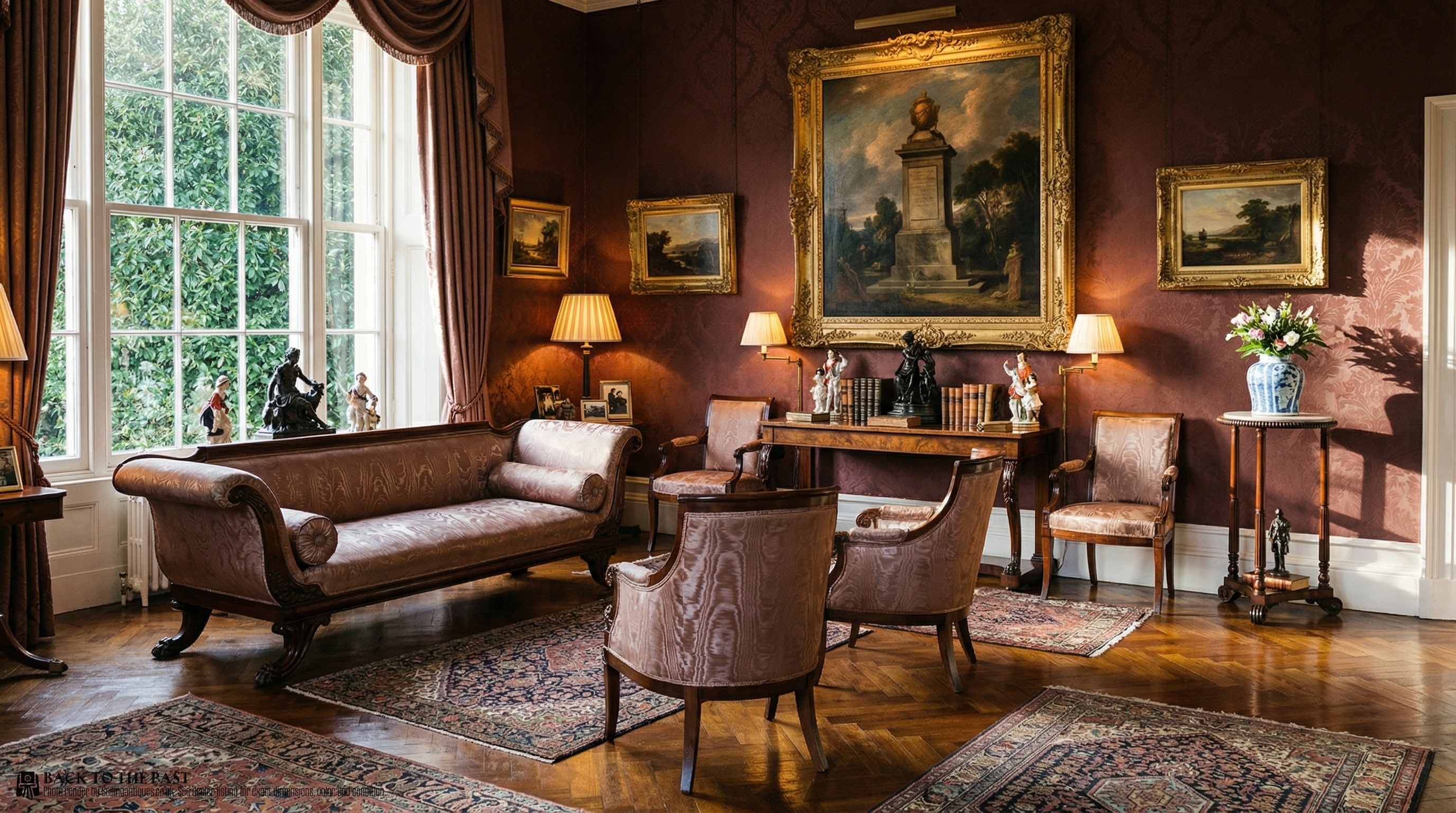
Fluted Column Plant Stand
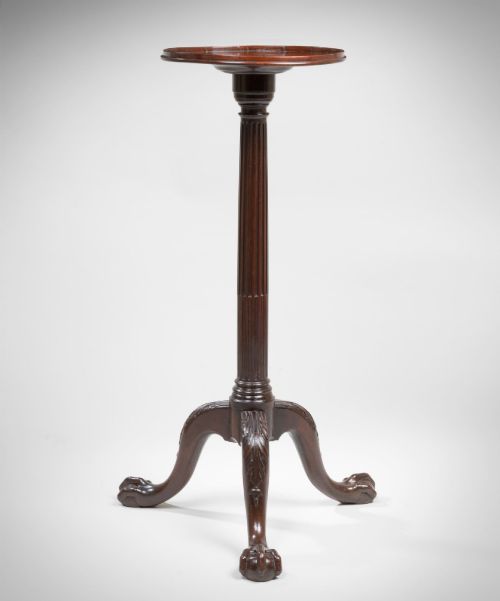
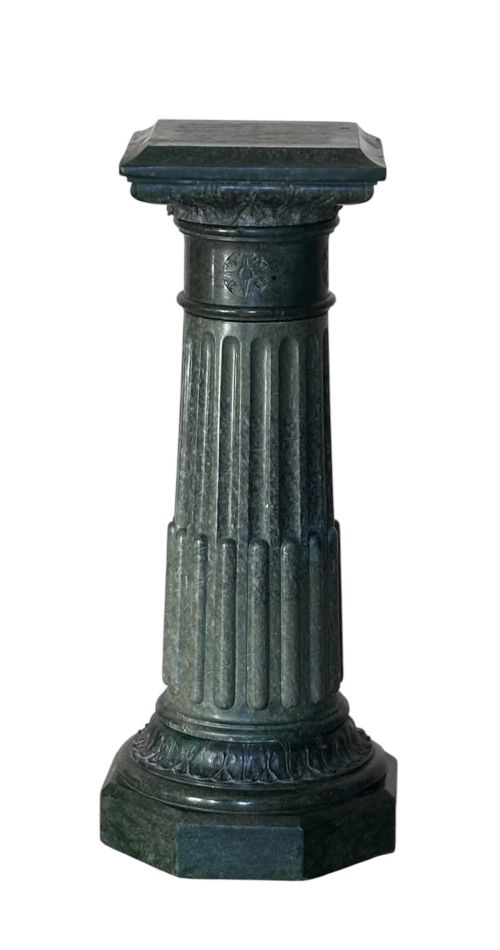
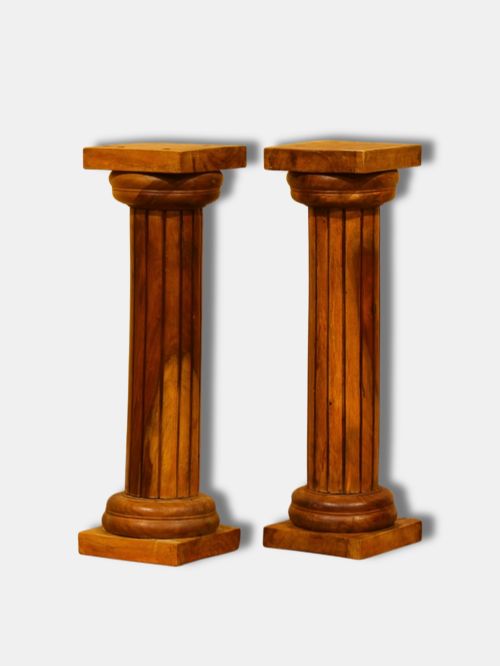
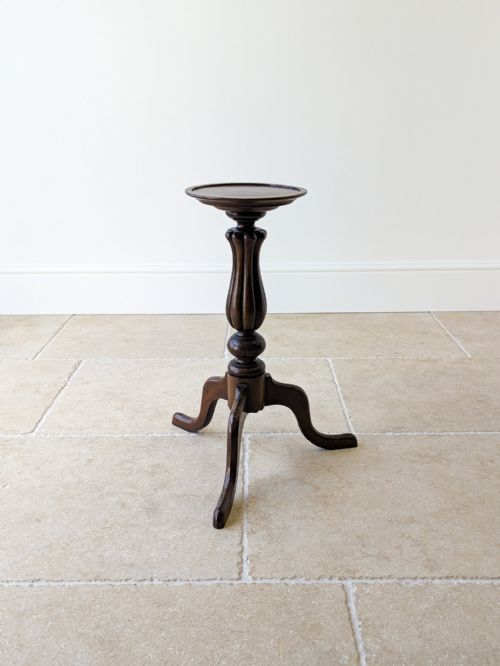
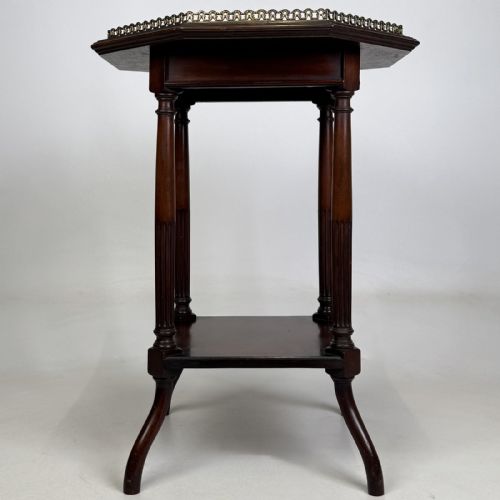
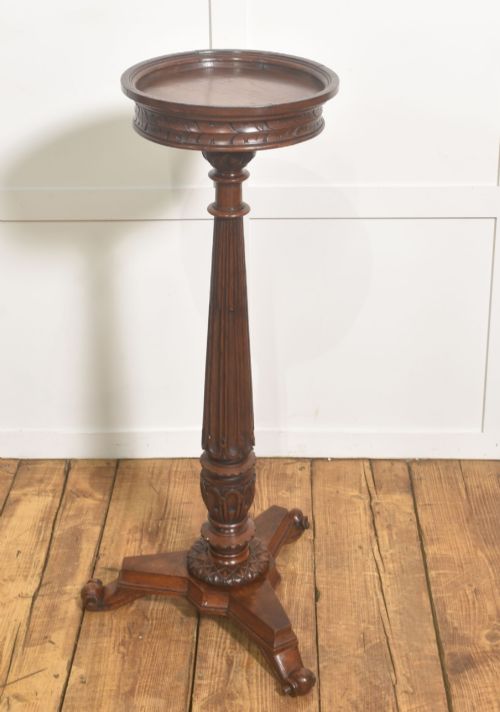
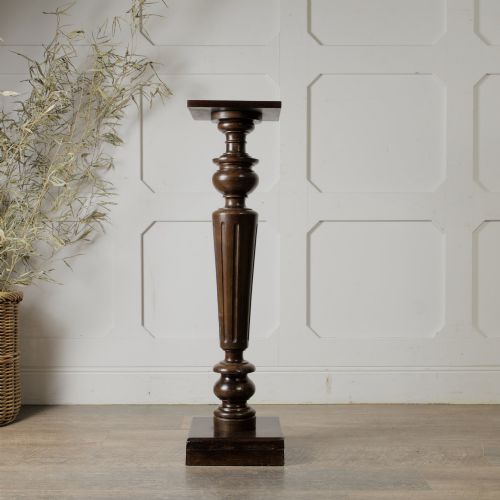
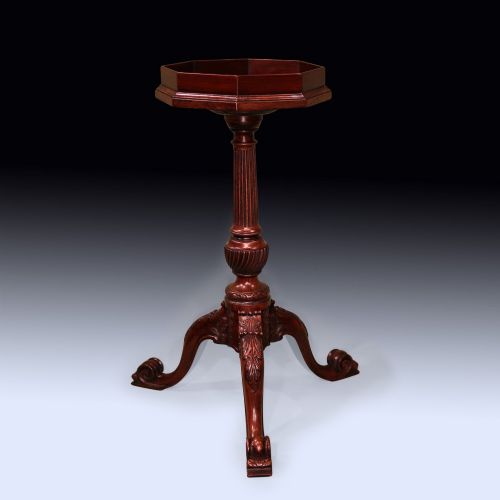
A fluted column plant stand takes the form of tall, upright supports designed to elevate botanical displays, urns, and decorative objects above floor level. These pieces draw on classical orders, incorporating vertical channels carved into timber or shaped from stone.
The selections available here span several centuries of craftsmanship, ranging from Georgian mahogany examples to Victorian and Edwardian iterations. Alongside dedicated plant stands, the category encompasses pedestals, torcheres, and classical columns that serve the same architectural function in an interior.
Materials and construction
Mahogany forms the primary timber substrate across these items, often shaped with hand-carved fluting down the shaft and supported on tripod or stepped bases. Cabinet makers utilised solid woods capable of bearing significant weight while maintaining slender proportions.
Alternative surfaces introduce painted finishes, gesso, gold leaf, satinwood, and bronze detailing to catch the light. Marble and red stone appear in column iterations, providing heavy, stable foundations for display.
Fluted Column Plant Stand Retail Price Guide 2026
Typical asking prices for fluted column plant stand among the pieces listed under this phrase on Sellingantiques today, from the lower quarter to the upper quarter. They describe what is for sale here now, not the wider market.
Listings feature items spanning the 18th, 19th, and early 20th centuries, covering Georgian, Victorian, and Edwardian periods with finishes in mahogany, marble, and gilt.
Assessing craftsmanship
The depth and crispness of the carved fluting determine the refinement of the column, separating mechanical production from hand-chiselled work. Sharp lines in the timber or stone show disciplined workshop execution.
Structural integrity relies on the stability of the central shaft and the trueness of the top platform. Heavier stone and marble variations depend on precise balancing, while timber examples require sound joinery at the junction between column and base.
George Smith·Thomas Hope
The Fluted Column Plant Stand Glossary
- Torchere
- A tall, slender stand originally designed to hold a light source such as a candle or torch, now frequently utilised for plants and sculptures. These pieces prioritise vertical reach over wide surface area.
- Fluting
- Series of shallow, parallel concave grooves running vertically along the shaft of a column or pedestal. This decorative technique derives from classical Greek and Roman architecture.
- Pedestal
- A support or base for a statue, vase, or plant, typically comprising a flat top, a central column, and a grounded base. They provide architectural elevation within domestic spaces.
- Gesso
- A plaster-like mixture applied to wood surfaces as a base for painting or gilding. It allows for intricate moulded ornamentation before the final leaf application.
Fluted Column Plant Stand: Frequently Asked Questions
What is a fluted column plant stand used for?
These pieces function primarily to raise potted plants, floral arrangements, or decorative objects to eye level, introducing vertical interest to empty corners. Their architectural silhouette allows them to anchor a room without occupying significant floor space.
Beyond botany, collectors utilise them to display bronzes, busts, and ceramics. The raised platform ensures delicate vessels avoid ground-level hazards while catching light from nearby windows.
How do I distinguish a torchere from a plant stand?
Historically, torcheres were constructed to support lighting devices, whereas plant stands served botanical purposes, though their forms frequently overlap in antique inventory. Both share tall, slender columns and compact top platforms.
Makers of the 18th and 19th centuries often built these forms interchangeably, meaning many surviving torcheres adapt readily to modern plant display. Examine the top surface for moisture rings or liners, which indicate historical horticultural use.
How can I date a wooden column pedestal?
Dating relies on timber selection, carving style, and the construction methods visible beneath the base or inside the column. Mahogany predominates in Georgian and Victorian examples, whilst satinwood and painted finishes often signal Edwardian or later revival periods.
Tool marks and the presence of hand-cut joints offer further clues to age. Neoclassical and Adam revival pieces from the late 19th century frequently emulate earlier 18th-century proportions while retaining Victorian manufacturing signatures.
Are marble columns suitable for indoor plants?
Stone and marble columns provide exceptional weight and stability, making them robust platforms for heavy ceramic planters and trailing greenery. Their cool, non-porous surfaces withstand minor water splashes from daily plant maintenance.
Ensure the top slab sits level and secure on the supporting shaft. Placing a protective saucer beneath heavy pots prevents mineral rings from forming on antique stone surfaces.