
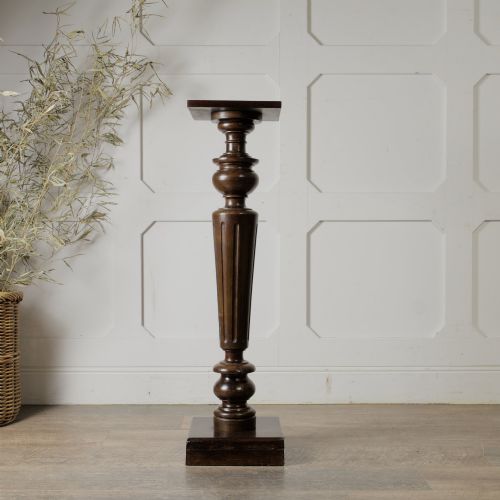
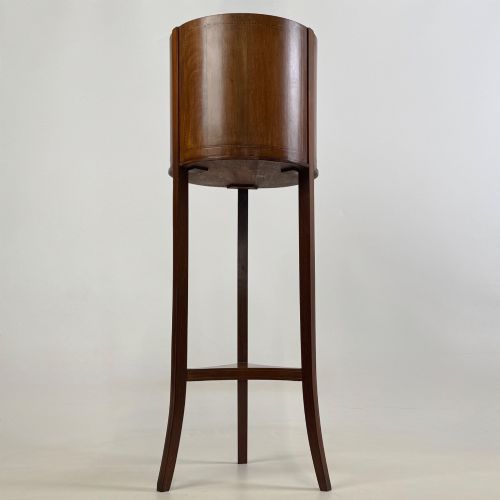
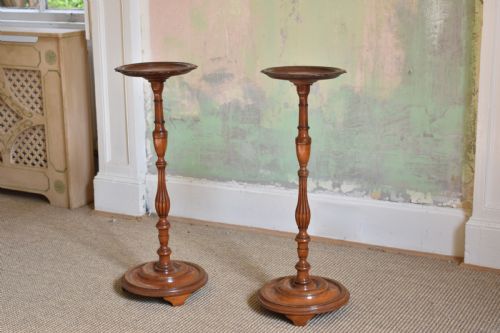
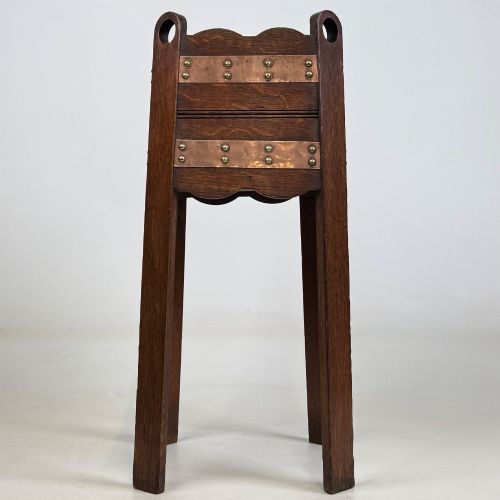
Tall Wooden Pedestal Stand
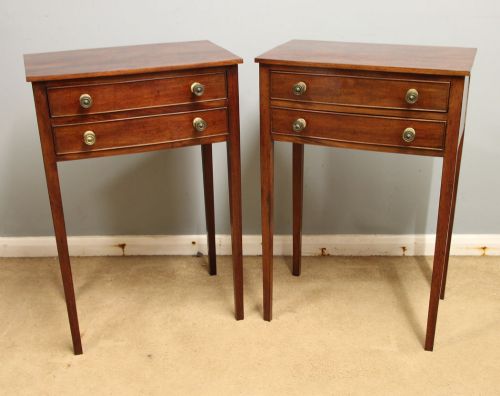
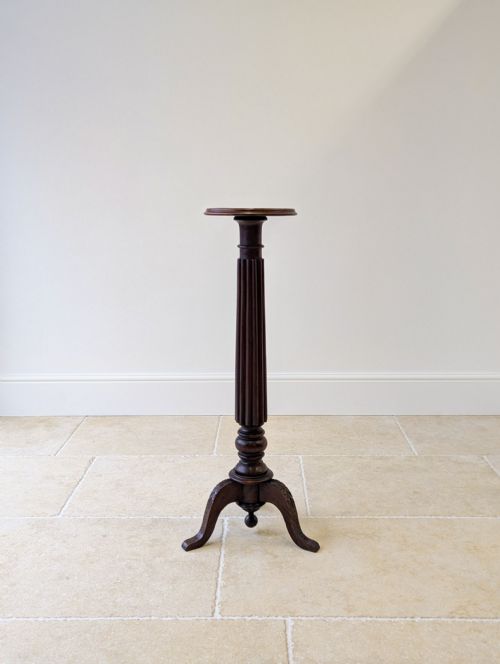
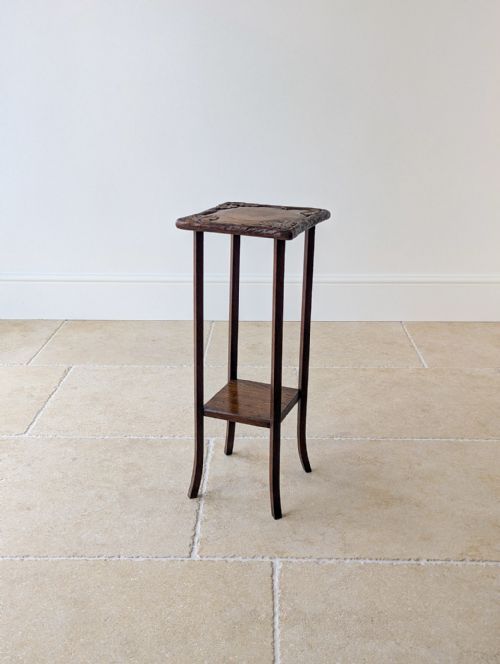
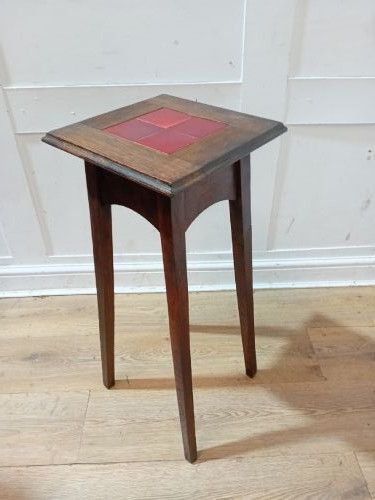
These pieces of tall wooden pedestal stand serve to elevate plants, lamps, and ornaments, bringing varied heights into a room through traditional craftsmanship.
Tall Wooden Pedestal Stand
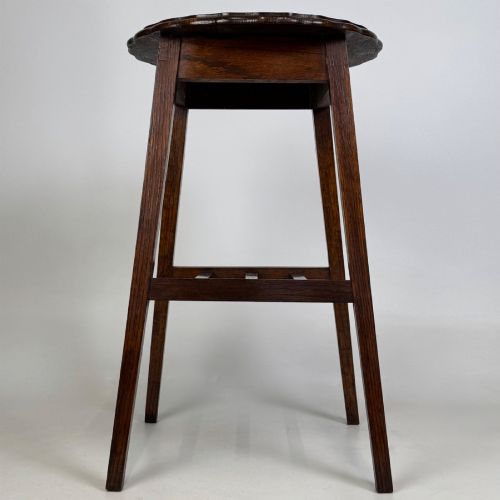
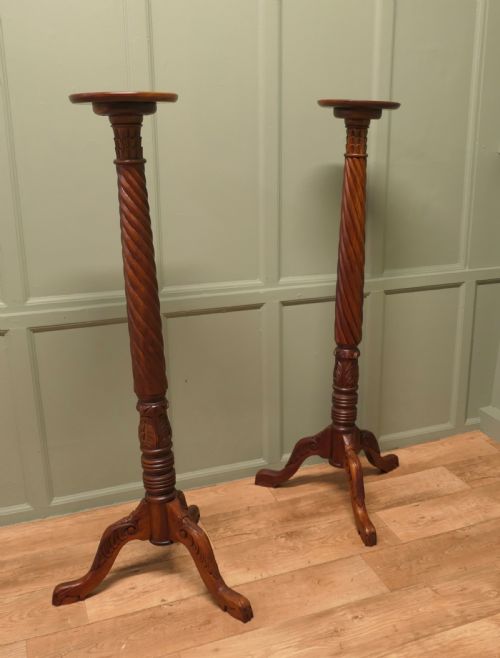
A tall wooden pedestal stand functions primarily as a plant stand, torchere, or display column designed to hold vases, urns, and lamps above floor level. When searching for a tall wooden pedestal stand, buyers encounter forms spanning the 18th Century, Georgian, Victorian, and Edwardian periods.
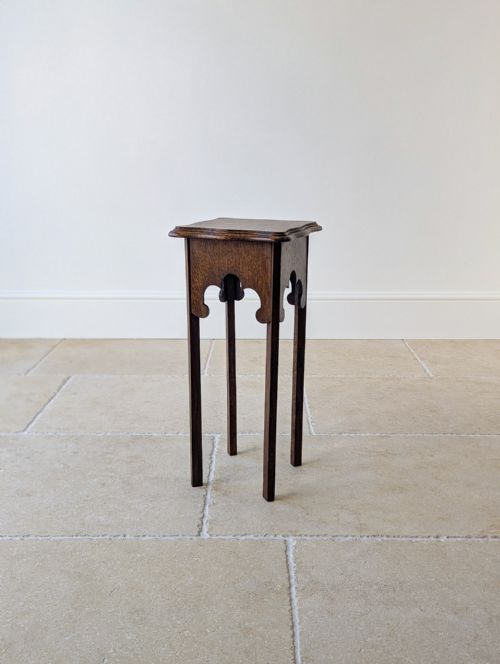
The most common versions on this page are Edwardian and Victorian mahogany or oak examples, alongside earlier walnut pieces and occasional Arts & Crafts designs. These items serve as functional furniture that introduces vertical interest to domestic interiors.
What varies in quality
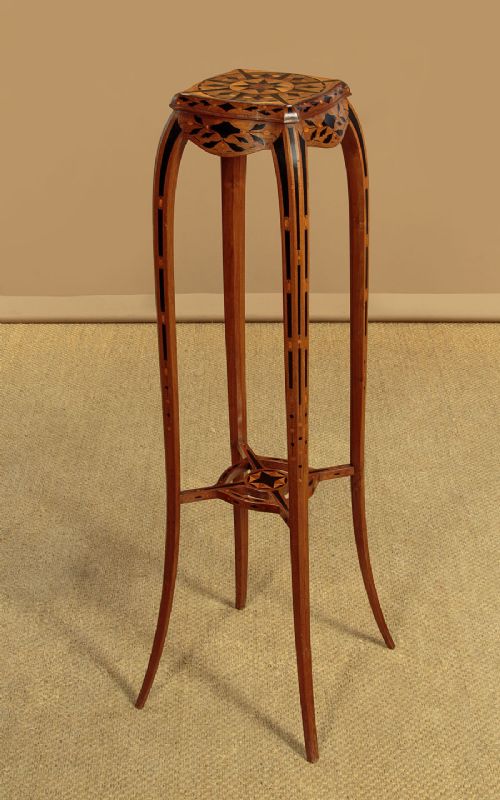
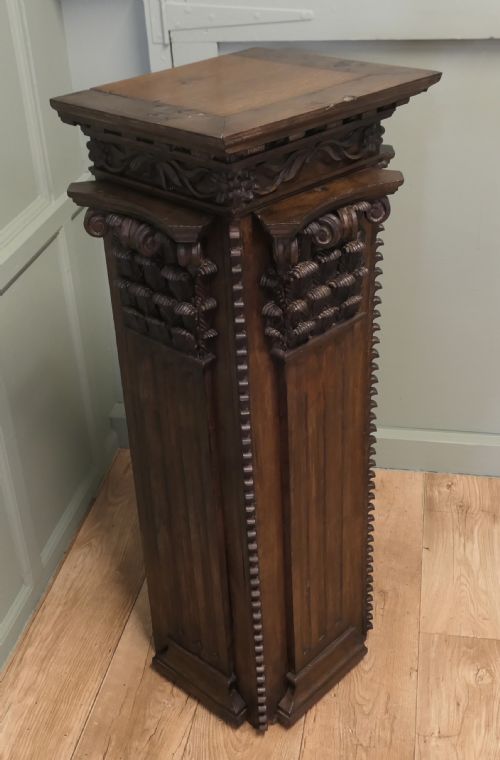
The distinction between standard examples and finer items rests upon the crispness of the hand-carving and the selection of timber, such as figured mahogany or detailed satinwood inlay. Superior examples display balanced proportions between the shaft and the base, ensuring both visual elegance and physical stability.
The integrity of the original joints and the subtlety of the turned elements dictate the overall standard of construction. Pieces featuring original paint finishes or specialised decorative details retain greater coherence of design.
Listings feature woods including mahogany, walnut, oak, satinwood, and ebonised timber across multiple centuries.
Druce & Co London·Shoolbred·Liberty of London
The Tall Wooden Pedestal Stand Glossary
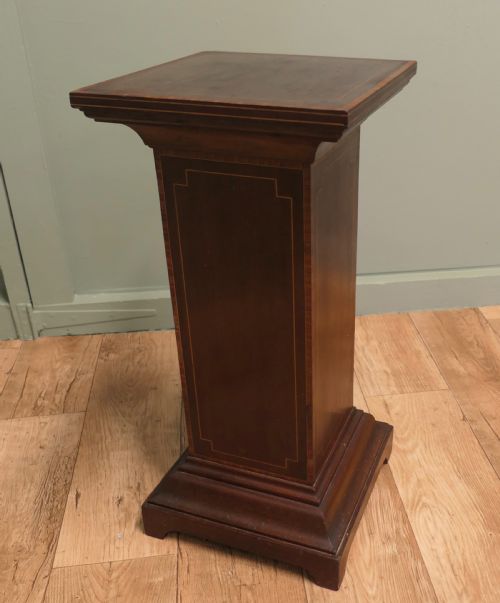
- Plinth
- A heavy rectangular or square base supporting a column, statue, or urn. It provides a solid foundation for elevated display objects.
- Jardiniere
- A decorative pot or stand intended for holding plants or flowers. These items often incorporate waterproof liners or specialised upper rings.
- Satinwood
- A light-coloured, durable timber native to India and Sri Lanka used for fine cabinetmaking and decorative inlay. It offers a contrasting golden tone against darker woods.
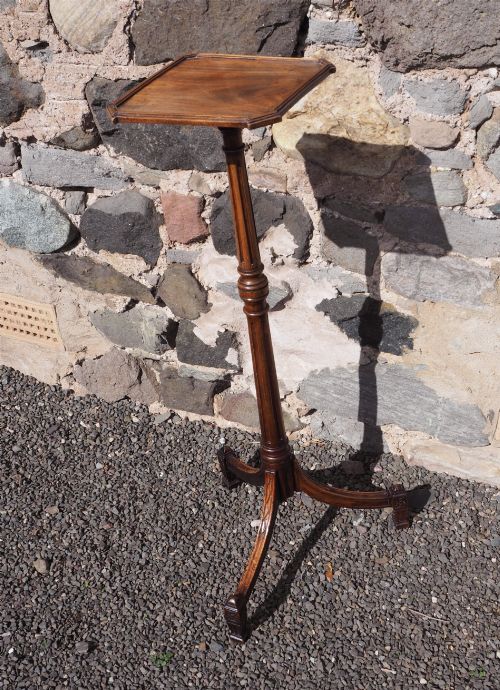
- Tripod base
- A three-legged support structure commonly utilised on torcheres and plant stands. This design ensures stability on uneven floor surfaces.
Tall Wooden Pedestal Stand: Frequently Asked Questions
What is a torchere stand used for?
A torchere stand functions as an elevated platform designed to hold lights, candles, or decorative objects. These items place decorative pieces at eye level.
Historically, they illuminated dark corners of grand rooms before electric lighting became common. Today, they serve primarily as display surfaces for plants, vases, and sculptures.
How do I identify an Edwardian plant stand?
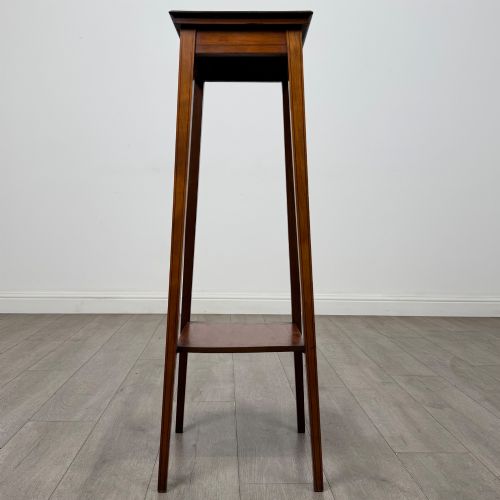
Edwardian plant stands typically date from the late 19th to the early 20th century. They frequently utilise mahogany or oak, often incorporating subtle satinwood inlay.
These pieces reflect the domestic tastes of the period with lighter proportions than heavy Victorian furniture. Arts & Crafts examples from this era display simpler, functional lines and visible grain.
Can these stands hold heavy items?
Most wooden pedestals are engineered to support substantial weight, such as large marble-topped urns or heavy ceramic vases. The stability depends heavily on the footprint of the base.
Tripod bases and wide plinths distribute weight effectively across the floor. Inspecting the sturdiness of the central column connection ensures safe daily use.
What is the difference between a pedestal and a plant stand?
A pedestal generally refers to an architectural column or plinth designed for displaying sculpture or busts. They often feature rigid geometric proportions.
Plant stands and torcheres tend to have slender shafts intended specifically for botanical displays or illumination. Both terms frequently overlap in antique descriptions depending on the exact form.