

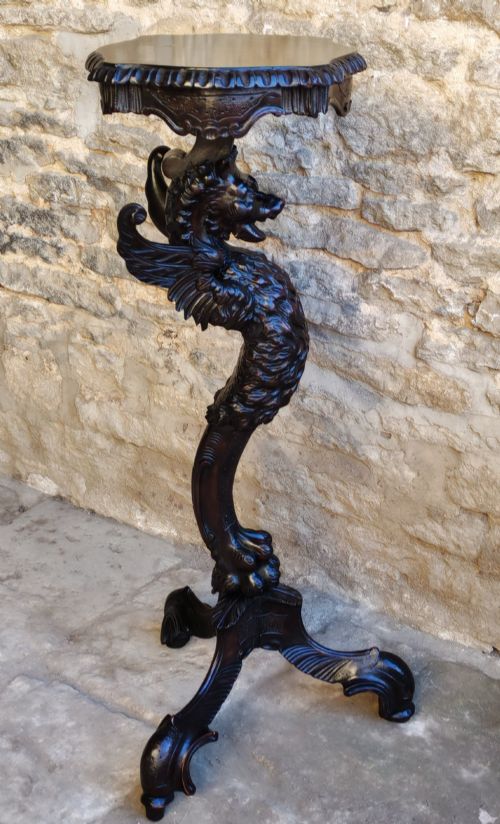
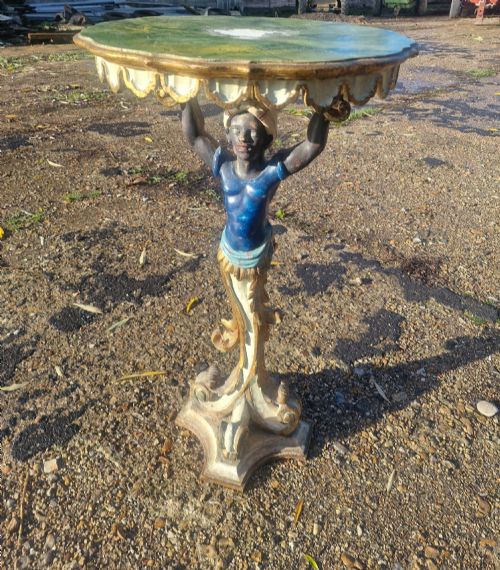
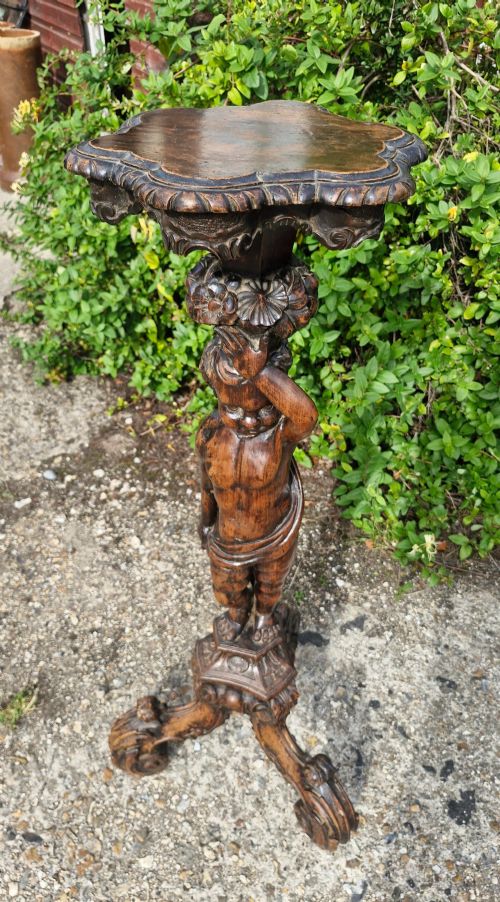
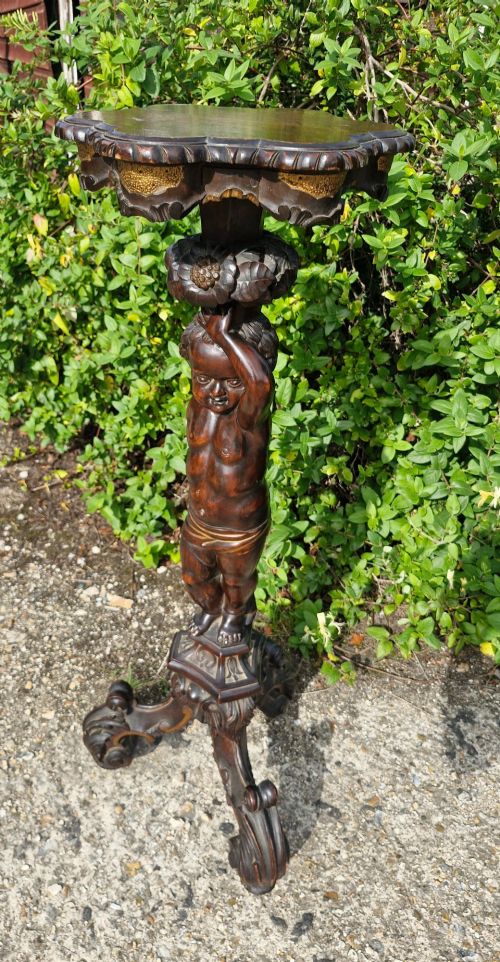
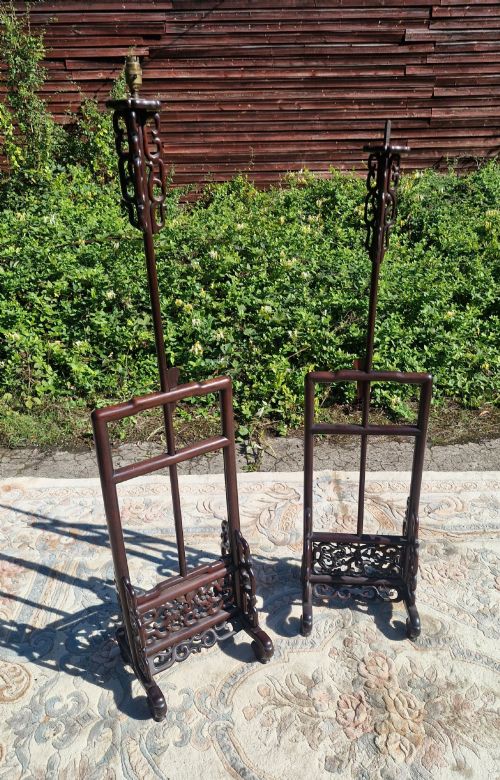
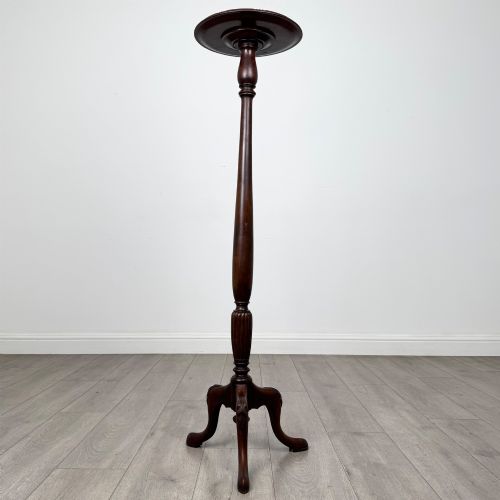
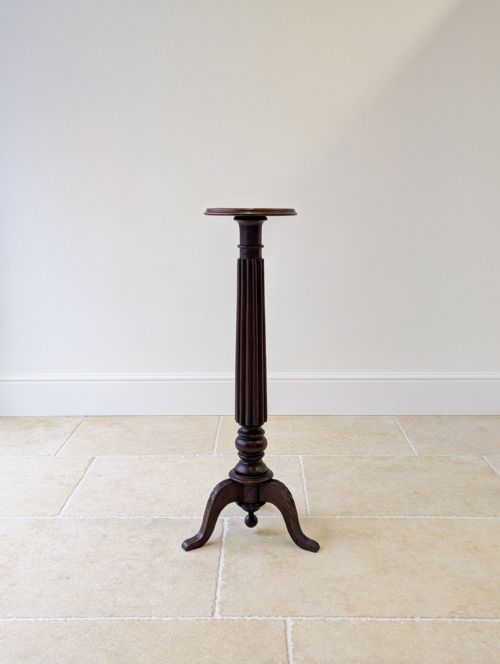
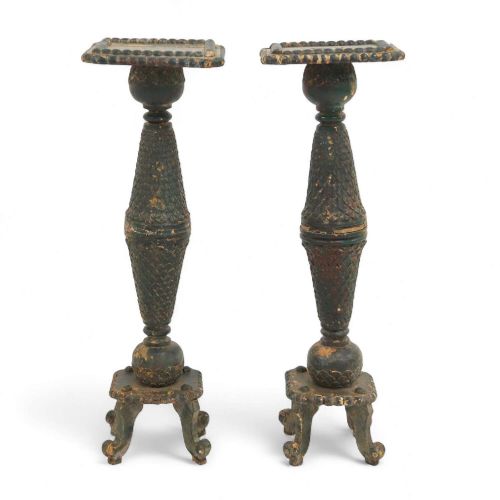
Carved Wooden Torchere
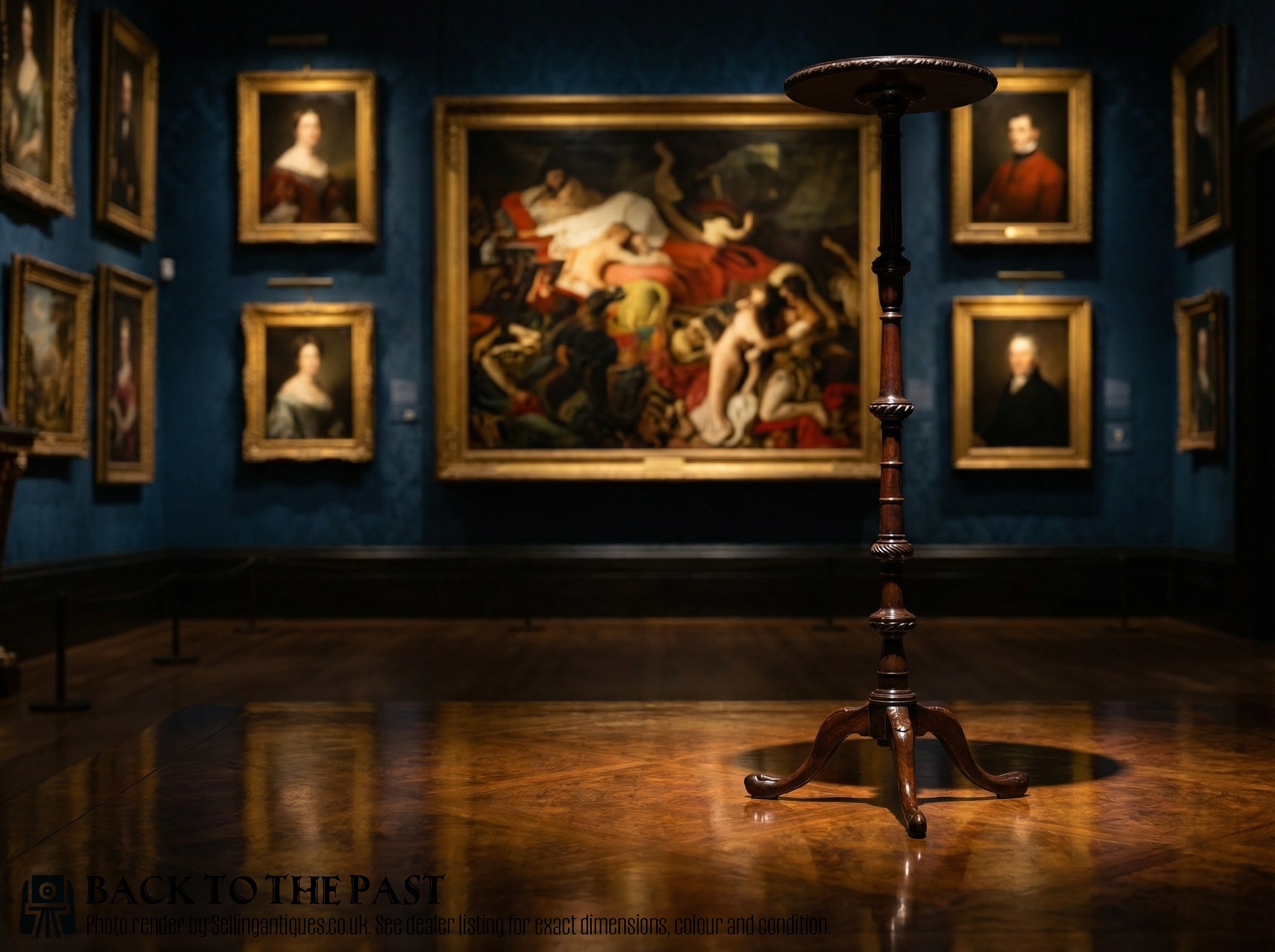
A carved wooden torchere brings vertical drama to a room, lifting lamps, plants or sculpture on slender classical columns.
Carved Wooden Torchere
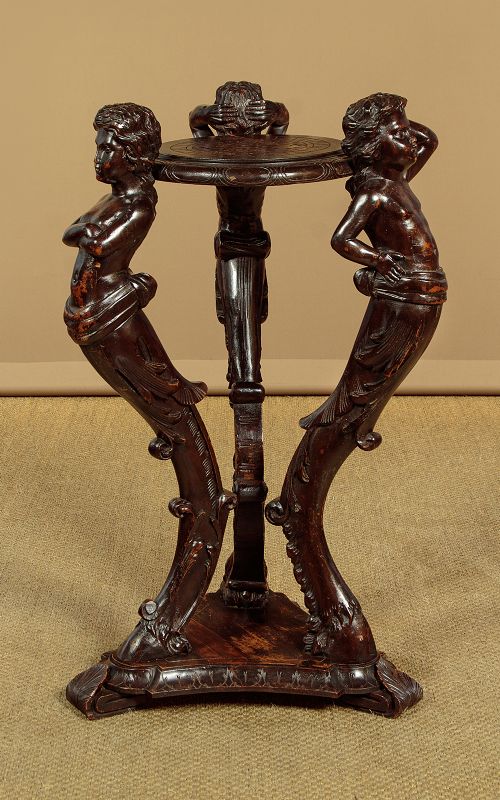
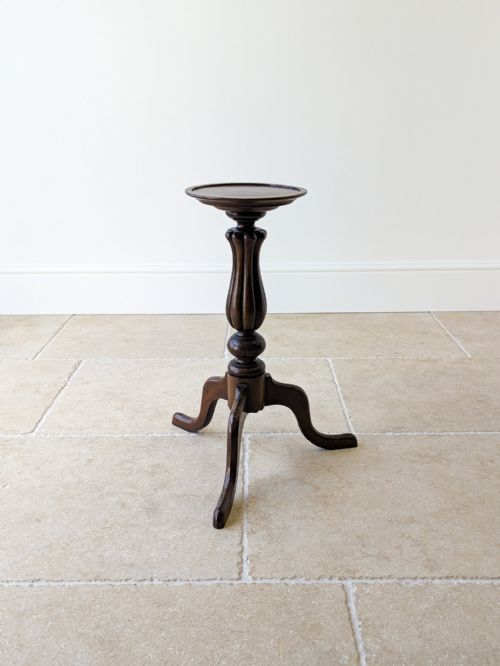
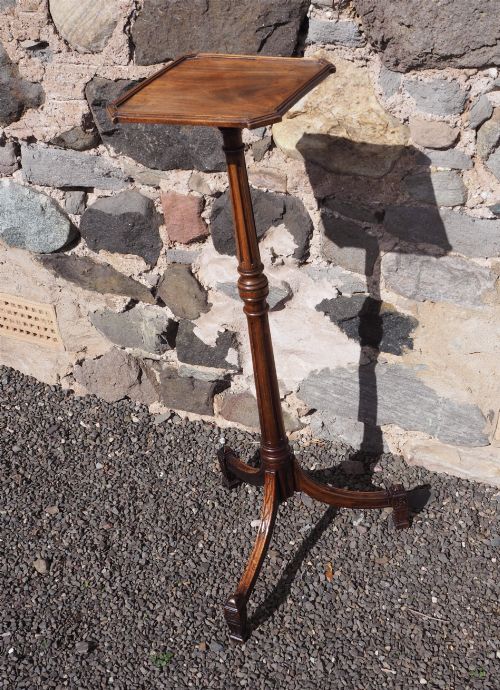
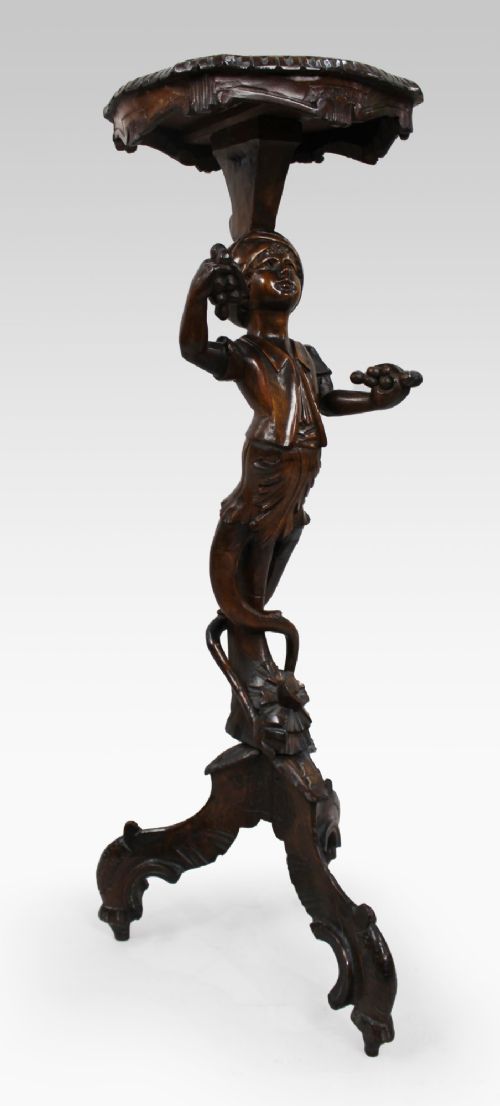
A carved wooden torchere serves primarily as an elevated stand for lamps, plants, and decorative objects, utilising vertical space efficiently in a room. Buyers searching for a carved wooden torchere encounter forms ranging from simple tripod plant stands to elaborate figural columns designed to hold candles or lights.
The selection spans several centuries and regional workshops, featuring distinct periods such as the eighteenth century, the Victorian era, and the Edwardian period. Standard variations include plant stands, pedestals, and standard lamps intended for corner placement or framing furniture.
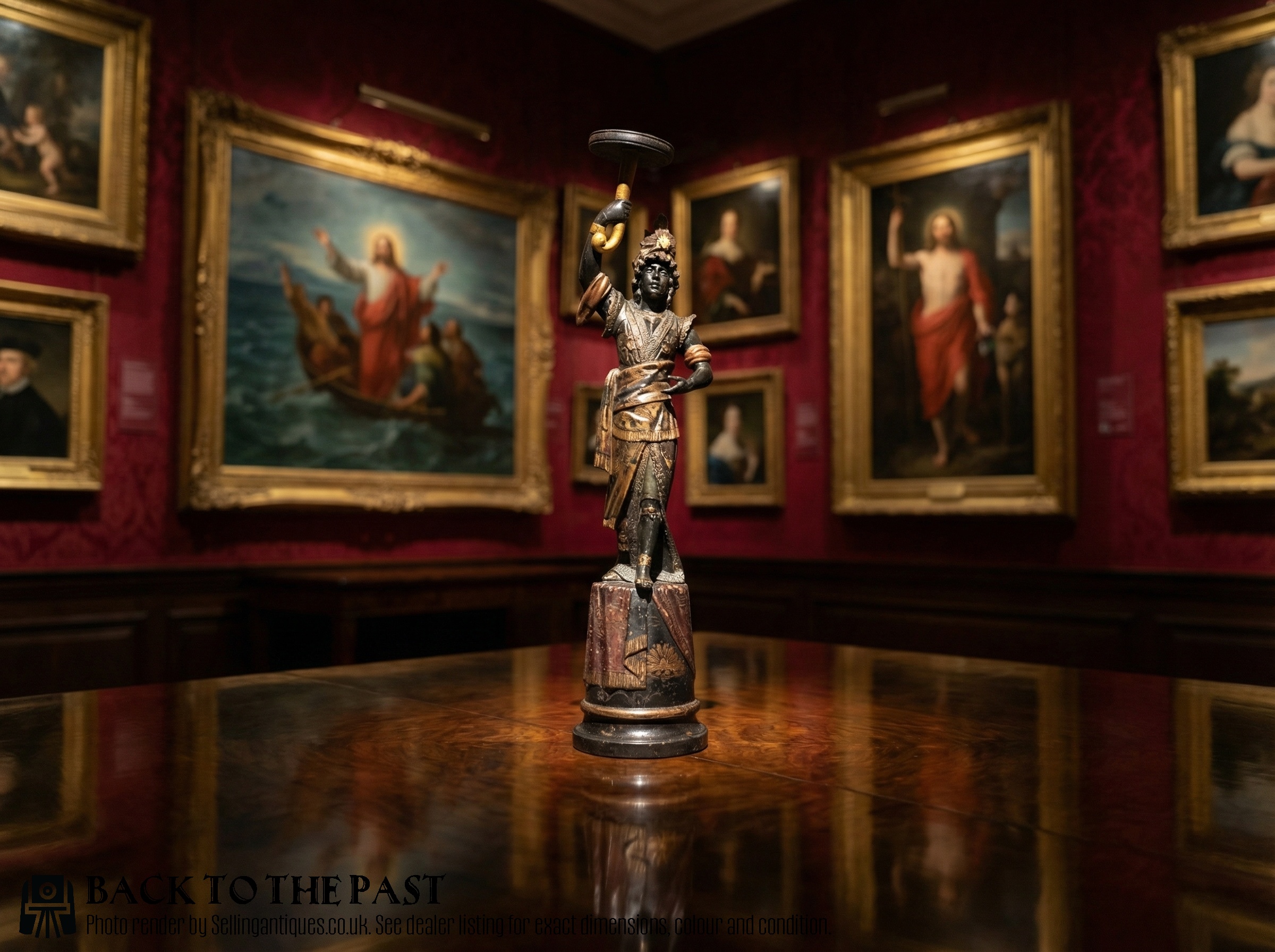
Italian baroque and Venetian styles appear frequently alongside traditional English mahogany and walnut designs. These pieces function equally well as standalone architectural accents or as matching pairs flanking a doorway or mantelpiece.
Materials and Construction
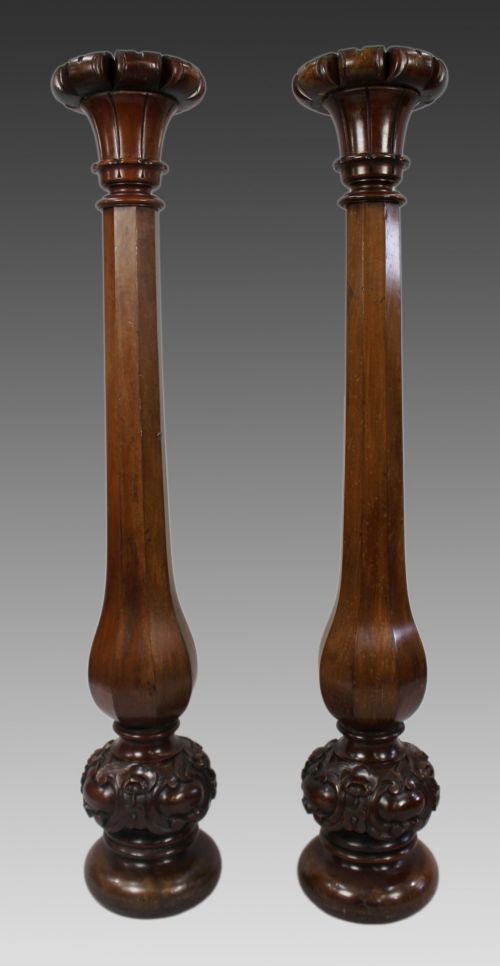
Craftsmen utilised dense hardwoods such as mahogany, walnut, and oak to provide stability for tall, slender shafts. These timbers allowed for deep chisel work and detailed carving along the columns and tripod bases.
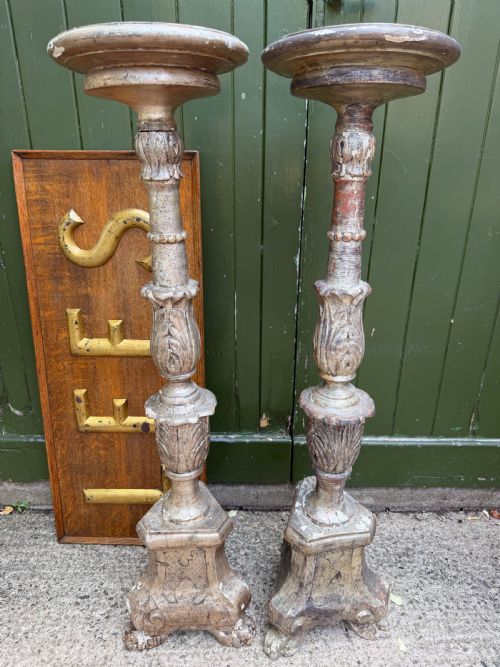
Surface treatments included applied gesso, gold leaf, silvering, and polychrome paint to enrich the carved details. Brass fittings and marble insets occasionally supplemented the wooden structures to support heavier lamps and planters.
Carved Wooden Torchere Retail Price Guide 2026
Typical asking prices for carved wooden torchere among the pieces listed under this phrase on Sellingantiques today, from the lower quarter to the upper quarter. They describe what is for sale here now, not the wider market.
A winged devil once joined the inventory, proving that nineteenth-century carvers thoroughly enjoyed surprising their clientele.
Assessing the Craft
Depth and crispness of the hand-carving distinguish superior examples from simpler production pieces, particularly around acanthus leaves, figures, and fluted columns. The integrity of the original surface finish, whether aged giltwood, painted polychrome, or polished mahogany, heavily influences the character of the object.
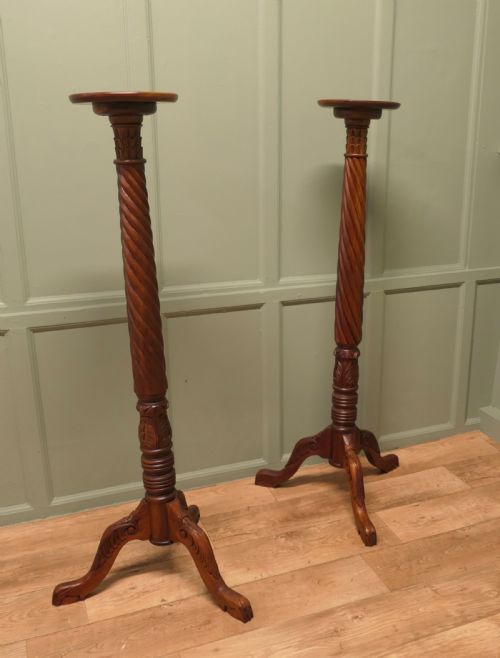
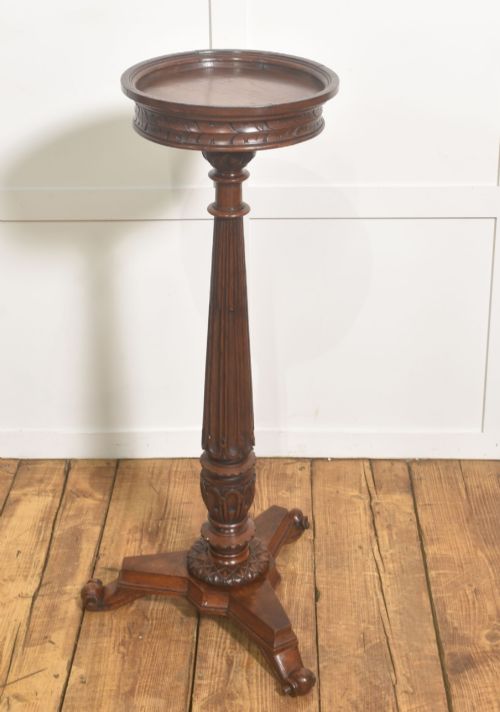
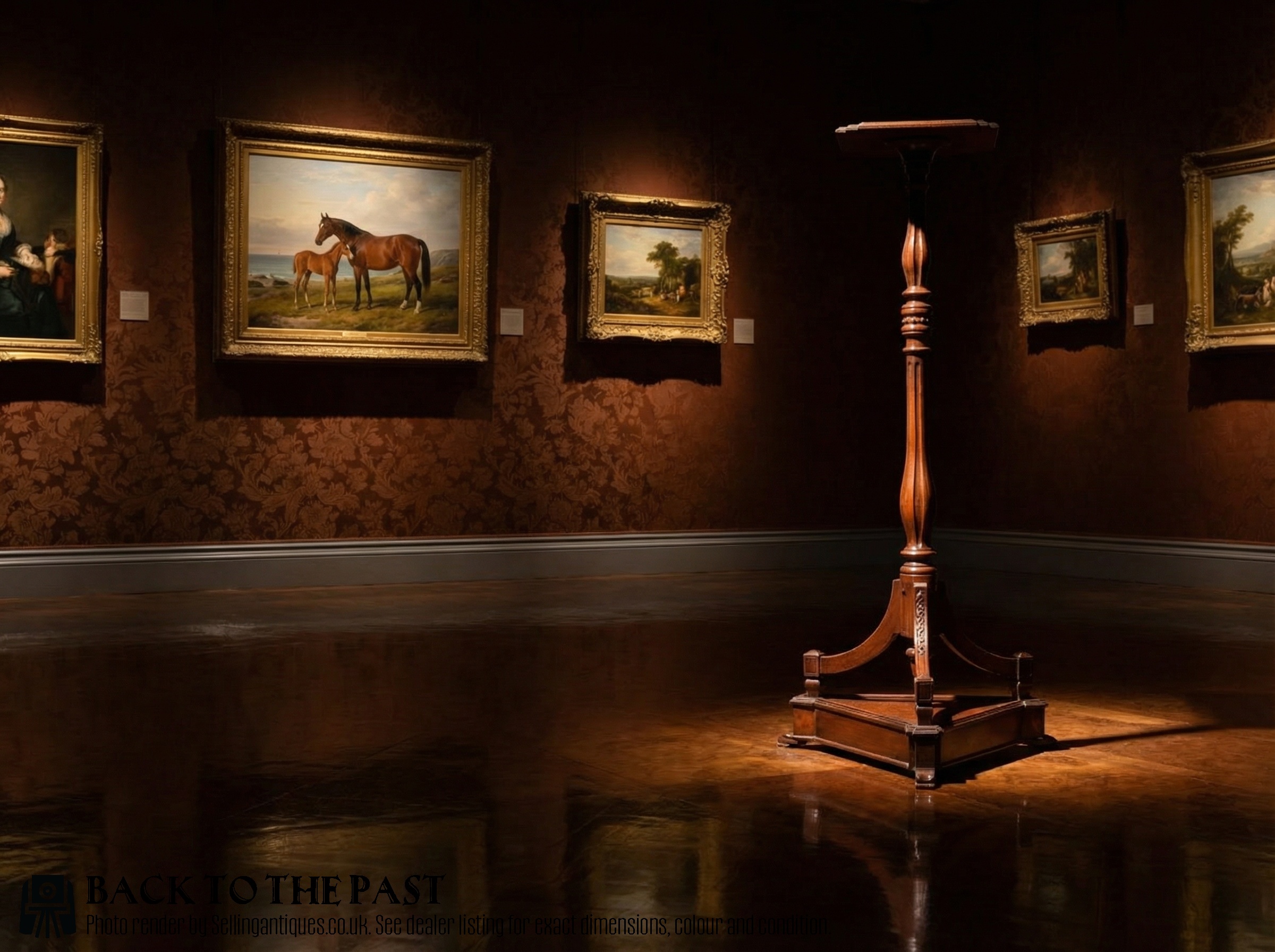
Structural stability depends on the soundness of the joints where the tall shaft meets the base and top platform. Heavier triform and tripod bases provide better balance for supporting lamps and heavy planters without leaning.
The Carved Wooden Torchere Glossary
- Torchere
- A tall stand designed to support a light, candle, plant, or decorative figure. Originally intended for holding illumination in grand interiors.
- Triform base
- A three-sided or three-legged support structure commonly found beneath tall columns and pedestals. This design ensures stability on uneven floors.
- Giltwood
- Wood that has been coated with a thin layer of gold leaf. It creates a reflective, luminous surface popular in baroque and neoclassical designs.
- Polychrome
- Decorated in multiple colours, often found on carved wooden figures and Venetian stands. This finish preserves historical pigments and decorative schemes.
- Caryatid
- A carved human figure acting as an architectural support column. These figures frequently appear on nineteenth-century pedestals and figural stands.
Carved Wooden Torchere: Frequently Asked Questions
What is a torchere used for?
A torchere functions as a tall elevated stand for displaying plants, lamps, or decorative sculpture. It draws the eye upward and makes use of vertical corner space in a room.
Historically designed to hold candles or torches for illumination, modern homes utilise them as floor lamp standards and decorative plant pedestals.
How do I choose between a torchere and a plant stand?
Torcheres and plant stands share similar slender forms, though torcheres traditionally emphasise decorative carving and classical column architecture. Plant stands often feature simpler tops designed specifically for holding pots and jardinieres.
Both terms frequently overlap in antique inventories, so focus on the height and top platform dimensions rather than the label.
Where should I place a torchere in a room?
Torcheres suit dark corners, empty wall spaces, or flanking large pieces of furniture like sideboards and mirrors. Their vertical profile adds height without occupying valuable floor space.
Pairs work effectively on either side of a fireplace or entryway to create symmetry in a formal interior.
How can I tell an eighteenth-century torchere from a Victorian one?
Eighteenth-century examples often display restrained classical proportions, carved walnut or mahogany, and structural details typical of Georgian or Dutch cabinetmaking. Victorian pieces tend to be heavier, sometimes incorporating ebonised finishes, figural carvings, and bolder proportions.
Secondary wood types and construction methods visible beneath the base help confirm the period of manufacture.