
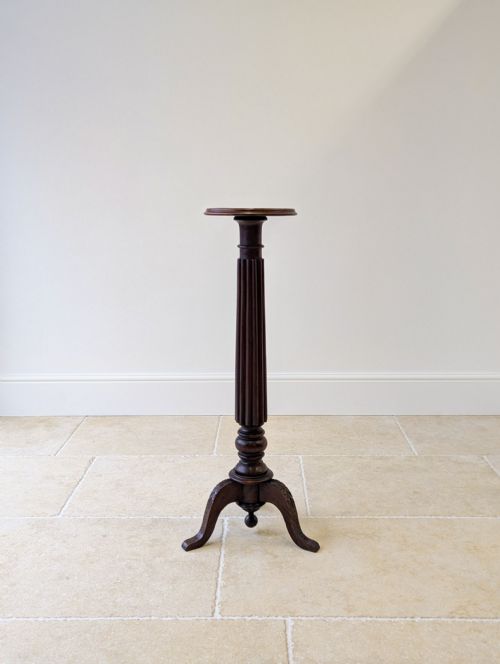
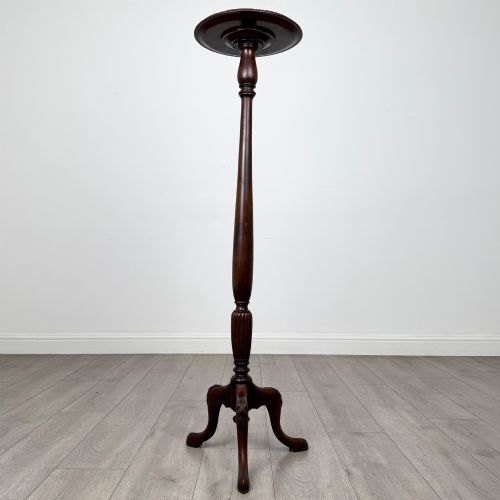
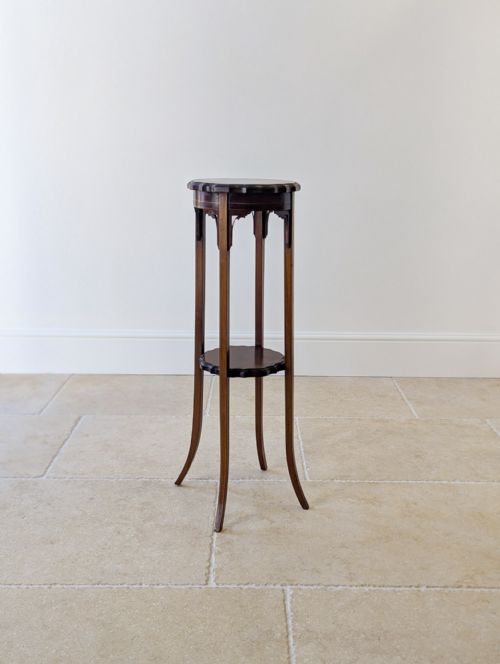
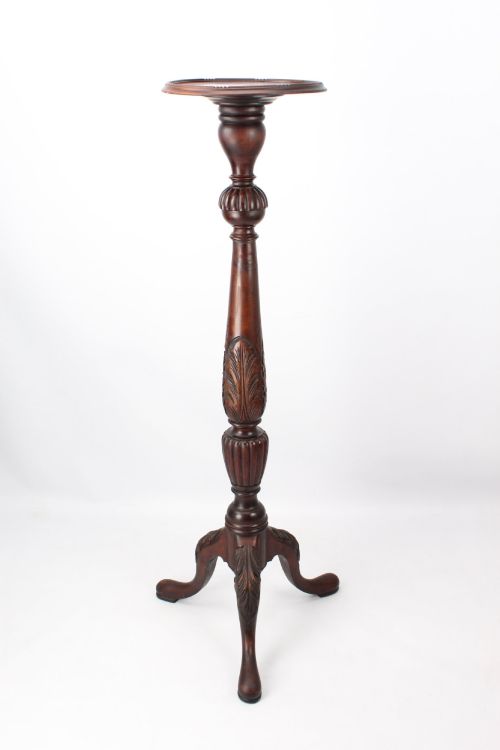

Antique Mahogany Torchere
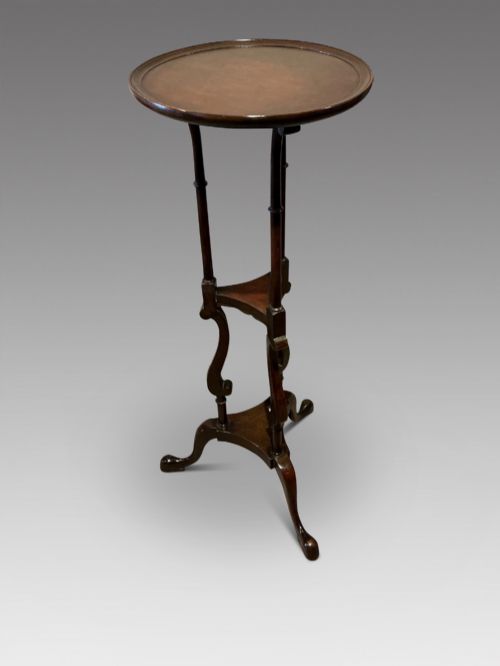
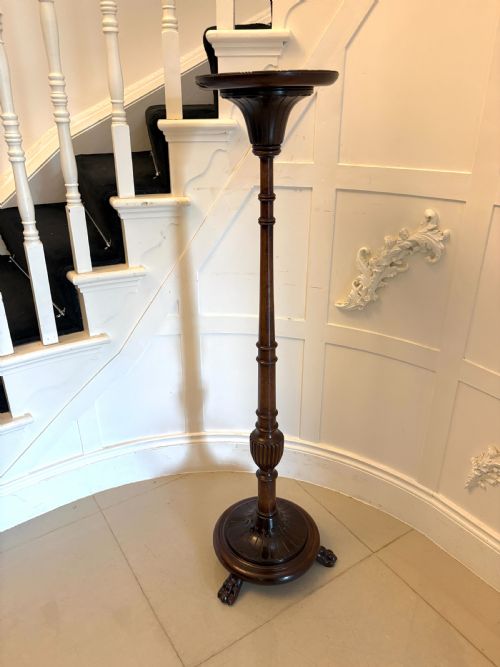
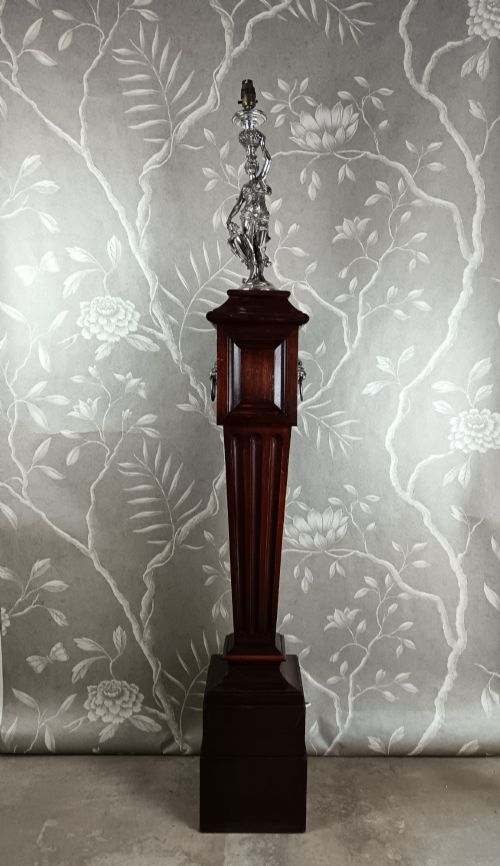
An antique mahogany torchere brings upright presence to a corner, lifting a lamp or plant with slender dignity.
Materials and construction methods
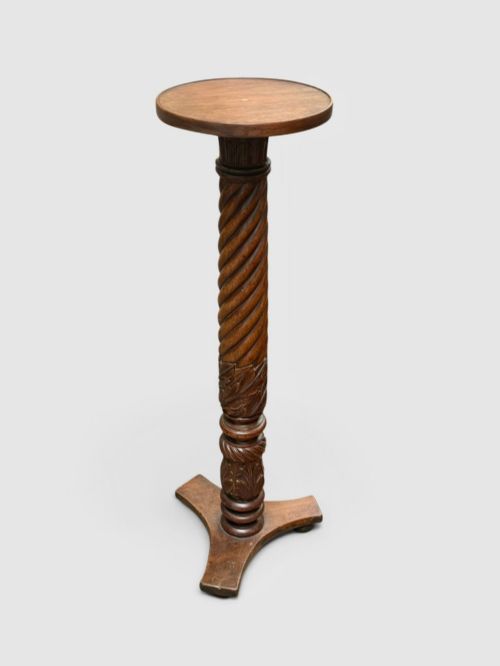
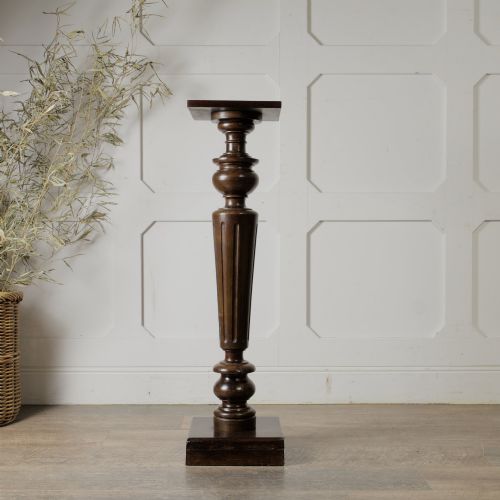
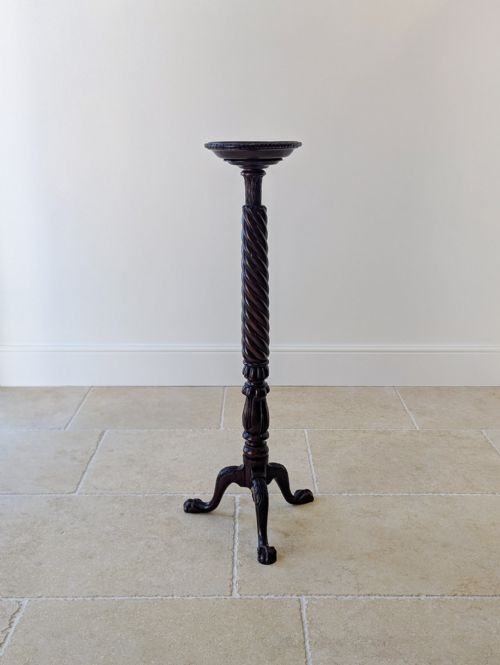
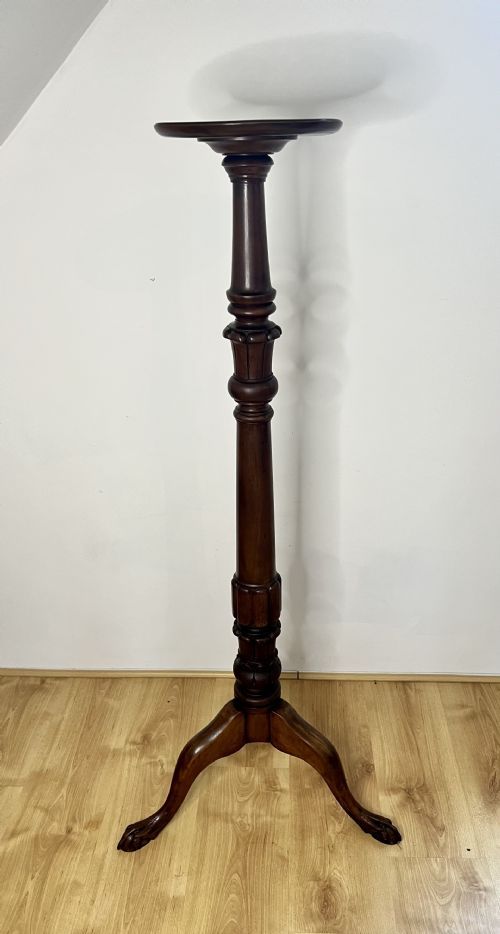
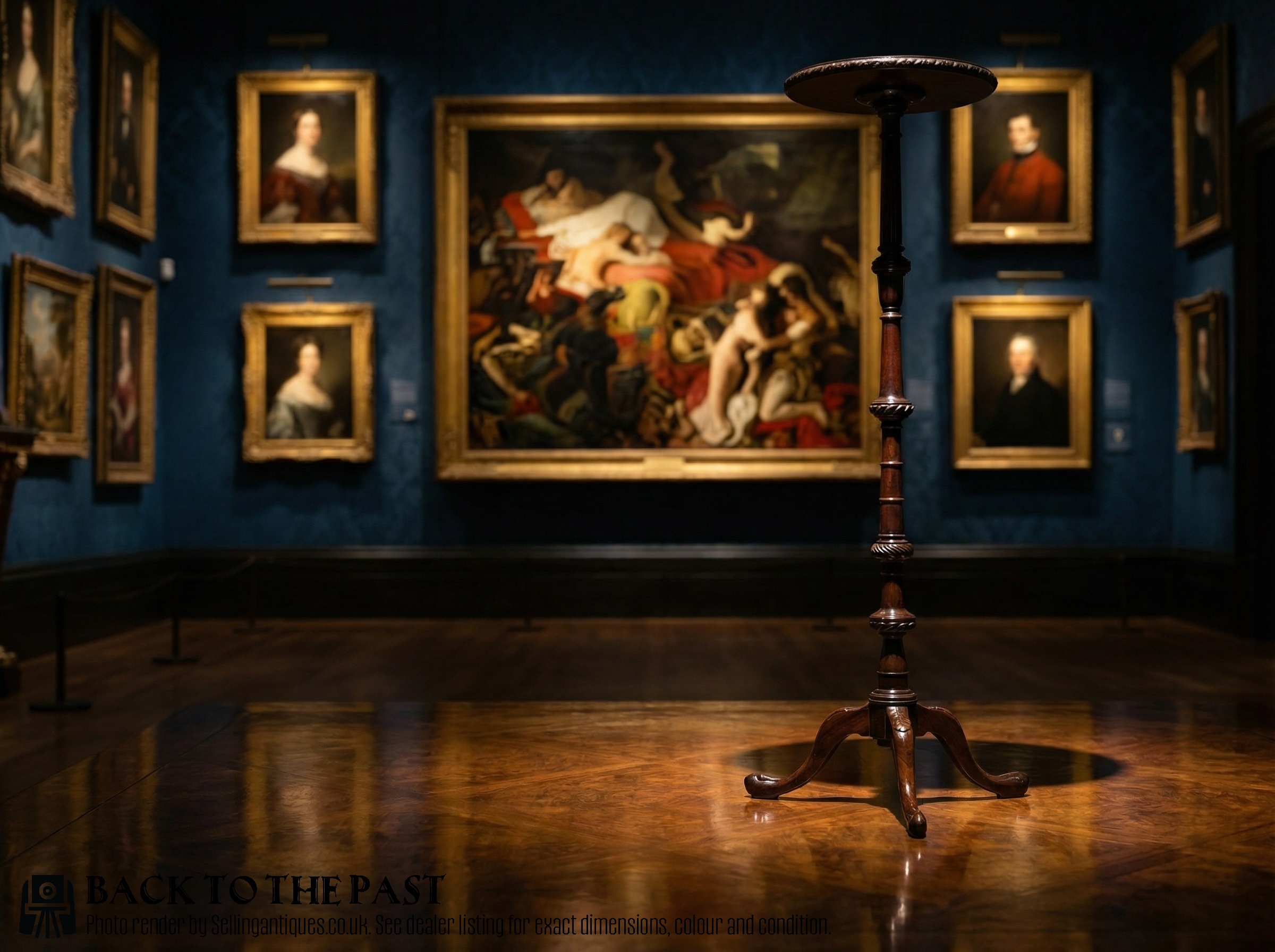
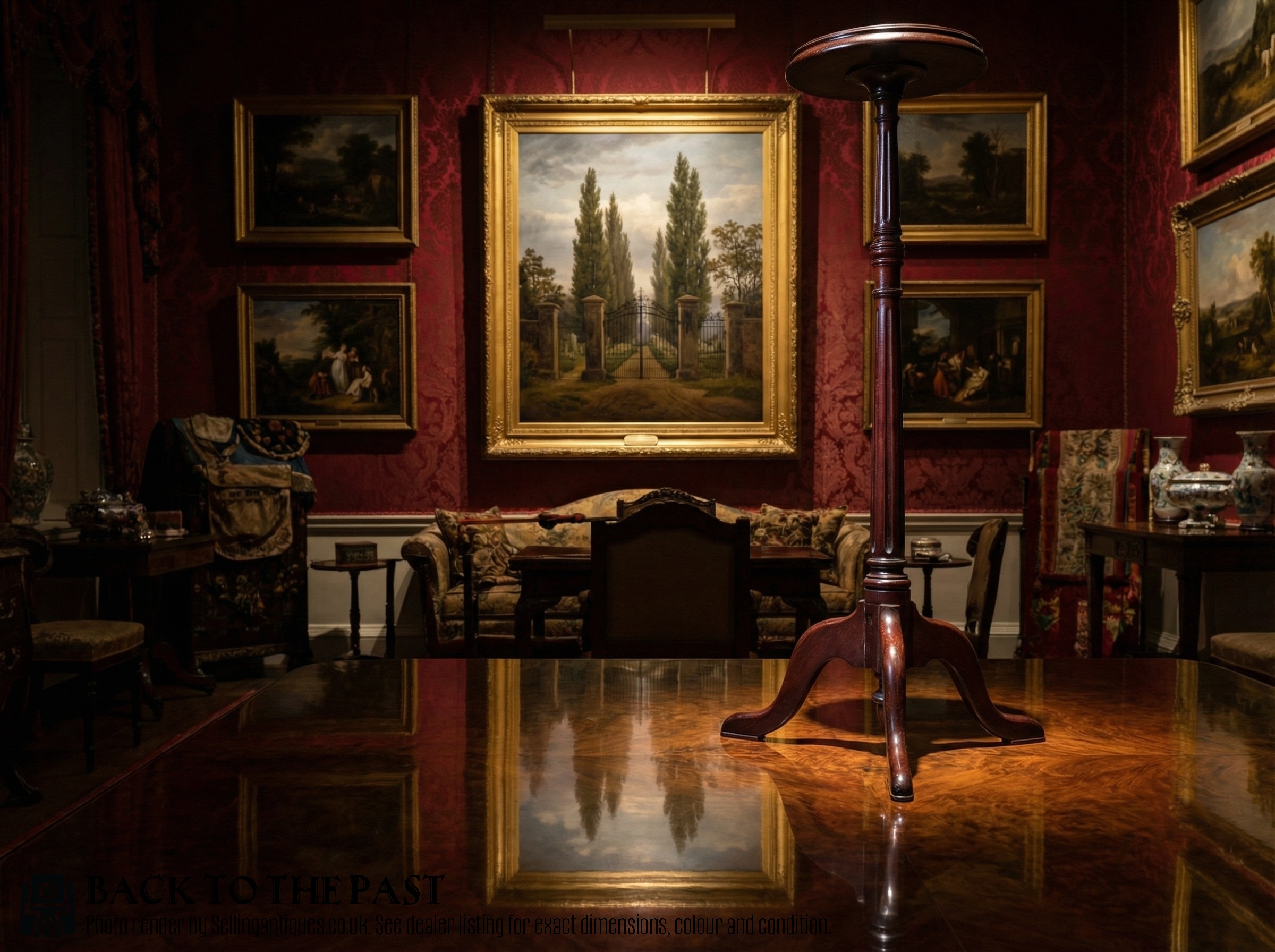
Joiners and cabinetmakers utilised solid mahogany to construct these tall stands, taking advantage of the timber's density and strength. This wood allowed artisans to turn slender shafts and carve detailed tripod bases without risking structural failure under weight.
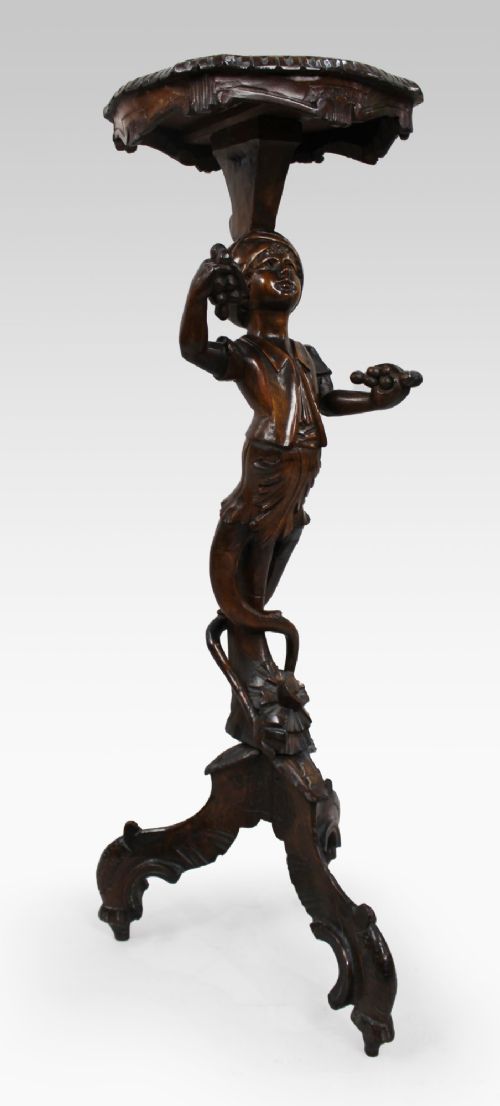
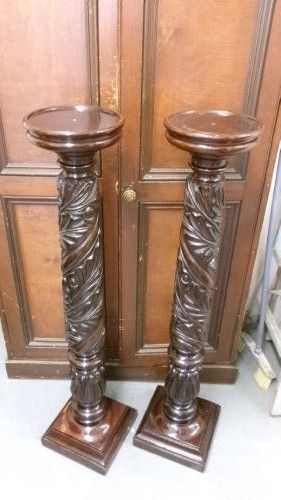
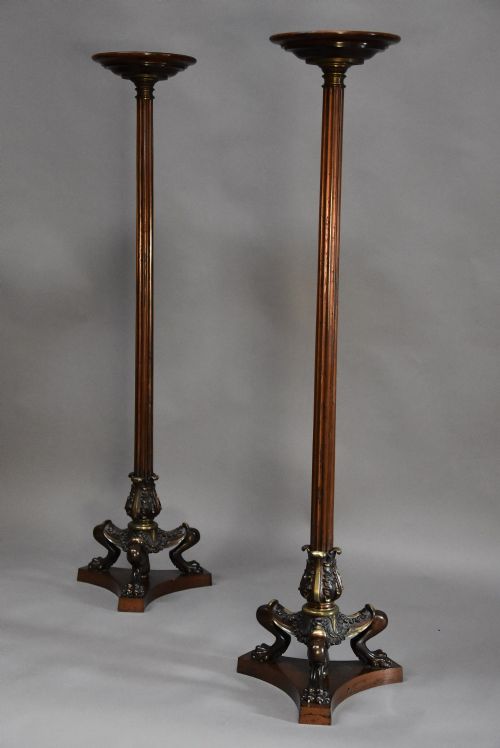
Surfaces often display carved decoration, particularly upon the columns and cabriole legs of Victorian and Edwardian examples. Turning techniques shaped the central stems, while French ormolu mounts occasionally appeared on continental pieces.
Distinctions in craftsmanship
Superior examples demonstrate crisp, deep carving on the legs and column capitals, whereas simpler pieces rely entirely on plain turned wood. The depth of hand-carving marks the division between standard production and fine workshop output.
Stability relies upon the integrity of the base joints and the straightness of the central column. Stands that maintain rigid vertical balance without wobble reflect superior initial construction and careful preservation over the centuries.
Retail Price Guide 2026
Typical UK retail prices for mahogany torchere, calculated from the Sellingantiques database of over a million retail prices indexed since 2003. This retail price guide relies exclusively on Sellingantiques data; no external sources or auction records are used, so the figures do not describe the wider market.
Listings span the eighteenth, nineteenth and twentieth centuries, including Georgian, Victorian, Regency and Edwardian styles executed entirely in mahogany.
The Antique Mahogany Torchere Glossary
- Torchere
- A tall stand originally intended to hold a candle or light. The form evolved to serve as a plant stand or display pedestal.
- Mahogany
- A durable tropical hardwood with a rich reddish-brown tone. Cabinetmakers favoured it for its stability and fine grain.
- Tripod base
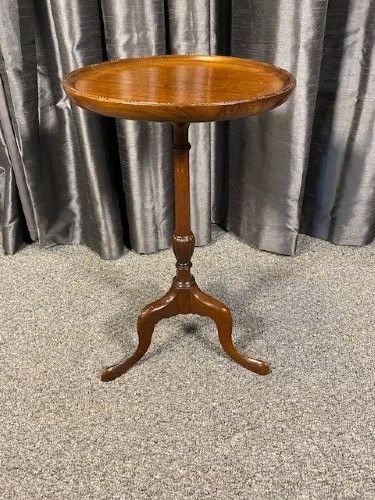
- A three-legged support structure commonly found on these stands. It provides balance on uneven floors through three points of contact.
- Georgian style
- Design characteristics originating in the eighteenth century. These pieces often exhibit classical proportions and restrained carved details.
- Edwardian
- A period spanning the early twentieth century. Stands from this era frequently revisit earlier eighteenth-century motifs with lighter proportions.
Frequently Asked Questions
What is an antique mahogany torchere used for today?
These tall stands hold table lamps, vases or potted plants in residential interiors. Their elevated platforms draw the eye upward and utilise corner spaces effectively.
They serve as decorative furniture rather than primary surfaces, adding height variation to room layouts.
How do I distinguish an eighteenth-century torchere from an Edwardian copy?
Eighteenth-century examples show the natural ageing of timber, tool marks from hand-working, and construction methods specific to that era. Edwardian reproductions often utilise machine-turned elements and present a more uniform surface.
Examining the underside and joints reveals the age of the fixings and the working practices of the period.
Are these stands stable enough for heavy lamps?
Most stands with tripod bases provide adequate balance for moderate weights such as small lamps or ceramic pots. Placing the heaviest items centrally ensures the upright column remains balanced over the feet.
Heavier Victorian and Georgian stands offer greater mass, while slender Edwardian versions require placement out of high-traffic areas.
Which wood is used throughout these pieces?
Mahogany serves as the primary timber across the entire selection on this page. The wood provides the necessary strength to support tall, thin columns without snapping.
Over time, exposure to light deepens the reddish-brown patina of the timber.