



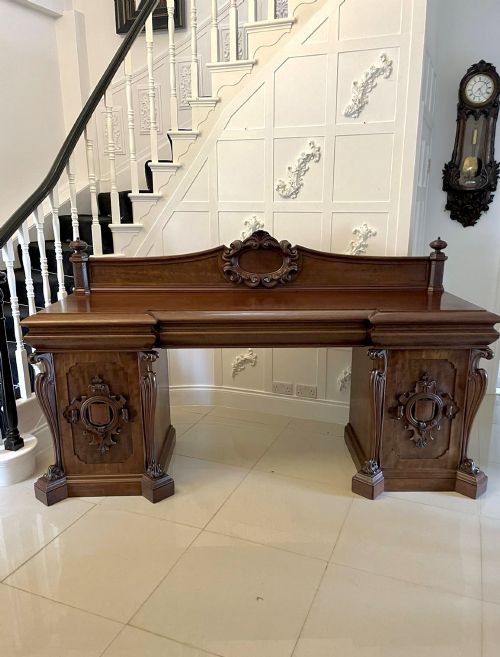
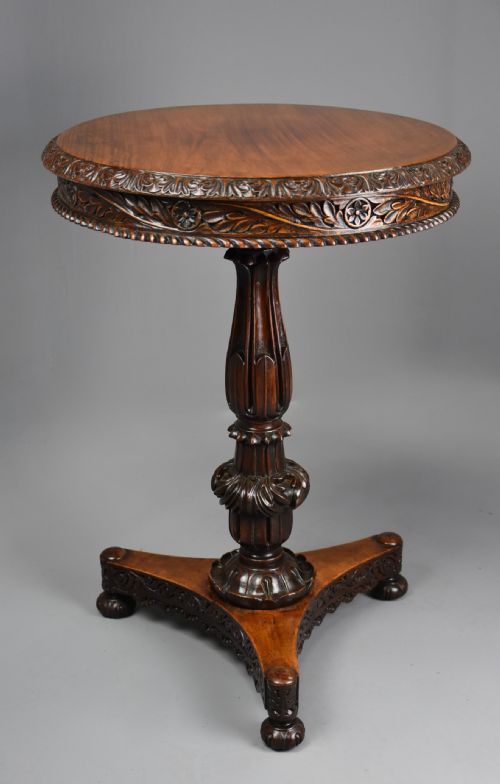
Carved Wooden Pedestal
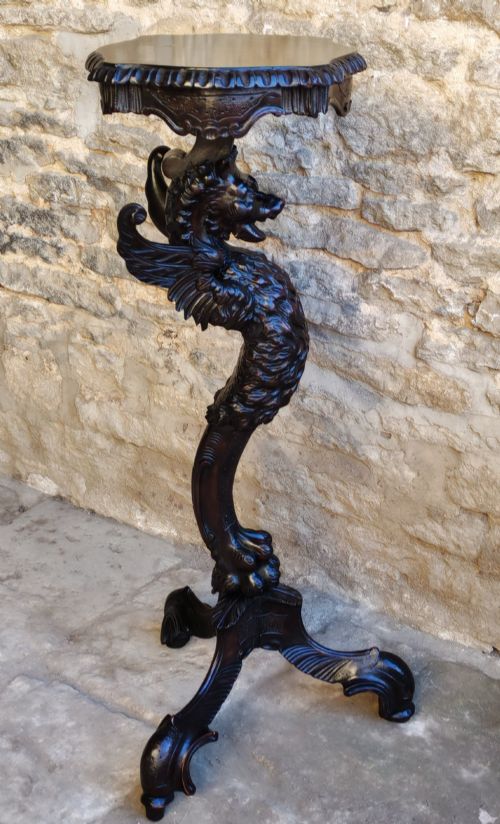
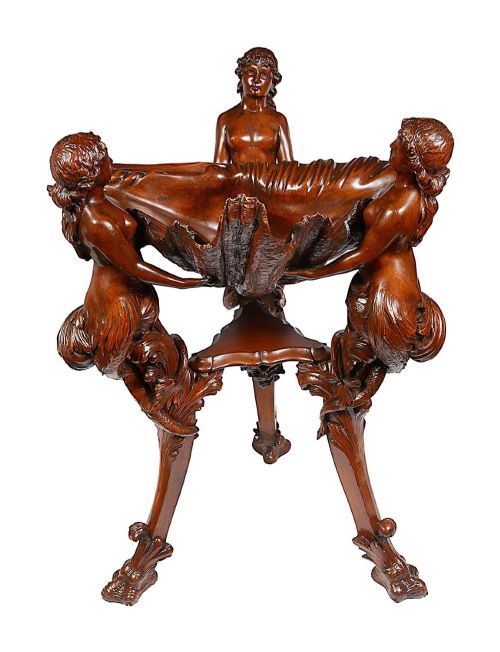
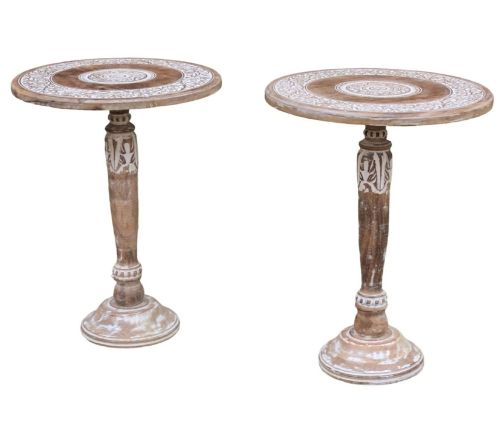
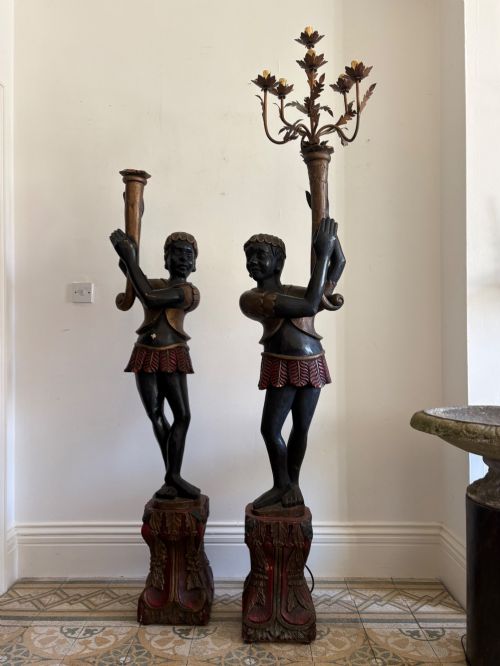
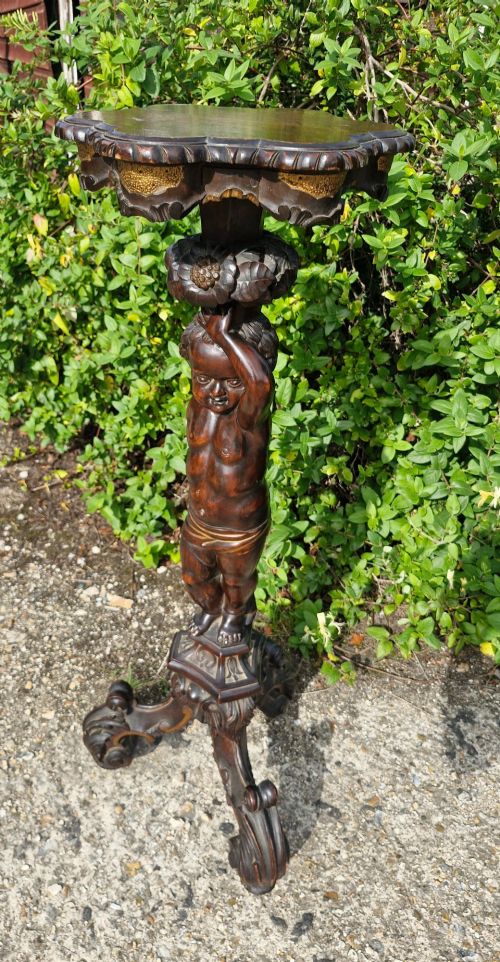
These pieces known as a carved wooden pedestal provide a sturdy, decorative column or stand to elevate lamps, sculptures or plants.
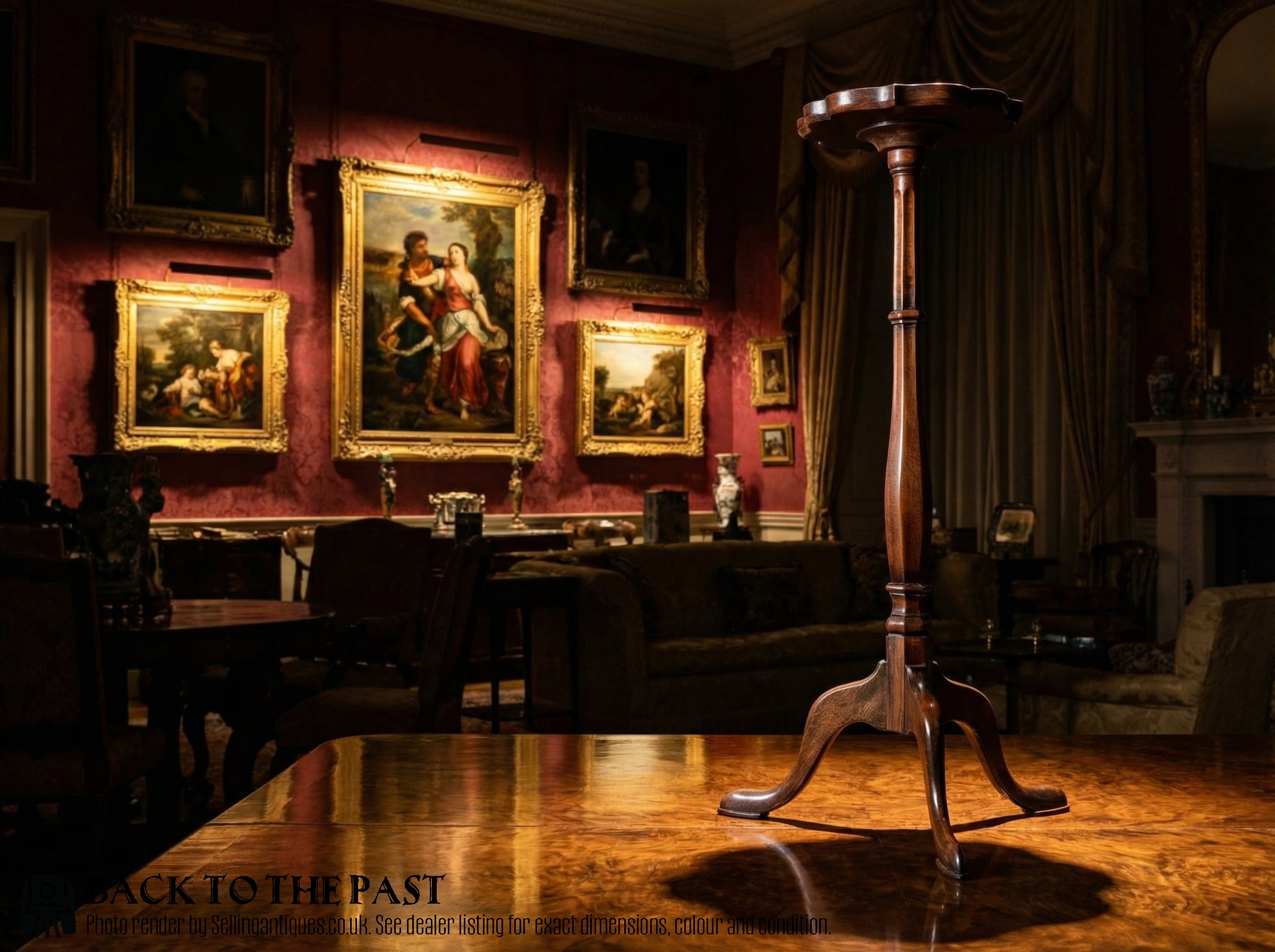
Carved Wooden Pedestal
A carved wooden pedestal serves primarily as a display support for decorative items, holding lamps, vases or figures above floor level. When you search for a carved wooden pedestal, you encounter items designed to lift objects into the line of sight within a room.
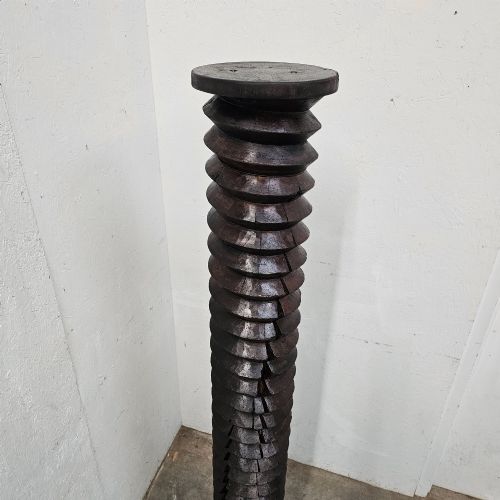
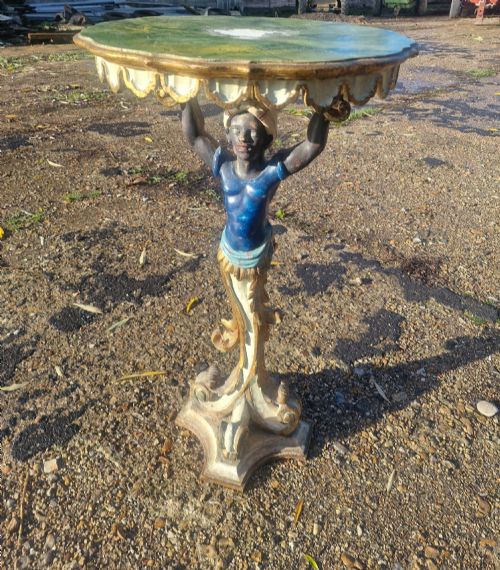
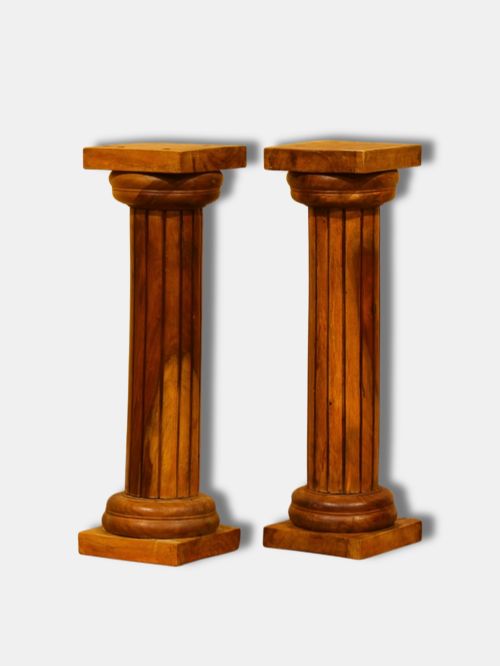
The selection ranges from tall torchieres and columns to plant stands and display pedestals originating across the nineteenth and twentieth centuries. These supports take various forms, including spiral Solomonic columns, figural carvings and simple architectural shafts.
Victorian and Edwardian examples in mahogany, oak and walnut appear frequently alongside earlier eighteenth-century Dutch and Italian pieces. Makers utilised dense hardwoods to ensure stability when bearing weight on a narrow footprint.
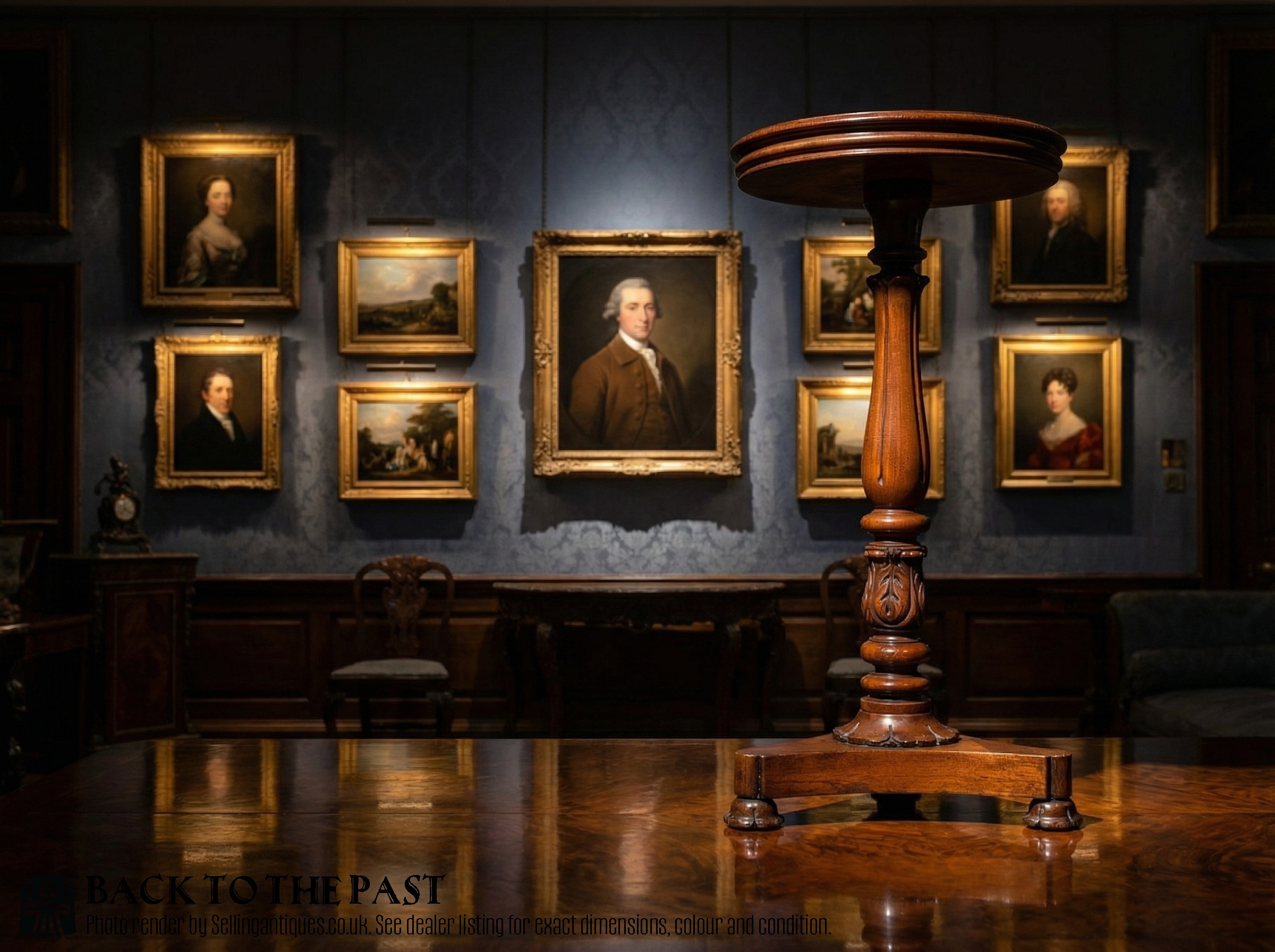
How They Were Made
Cabinet makers and carvers utilised timbers such as mahogany, oak, walnut and burr walnut, selecting logs for their grain pattern and weight. Carpenters turned columns on lathes for the main shaft before applying hand-carved details like fluting, leaves or figures.
Joinery methods varied according to the period, employing pegged mortise and tenon joints for structural rigidity in oak and mahogany supports. Surface finishes typically involved polishes or wax applied to bring out the natural figure of the wood.
Carved Wooden Pedestal Retail Price Guide 2026
Typical asking prices for carved wooden pedestal among the pieces listed under this phrase on Sellingantiques today, from the lower quarter to the upper quarter. They describe what is for sale here now, not the wider market.
Design styles present across the inventory include Victorian, Edwardian, Arts and Crafts, Regency and Italian Baroque.
What Varies in Quality
The distinction between standard utility items and finer examples lies in the depth and crispness of the hand-carved decoration. Sharp undercut details and well-balanced proportions indicate skilled craftsmanship rather than hurried workshop production.
Selection of timber also dictates quality, with figured veneers, burr walnut and dense, unblemished oak commanding attention. A heavier, stable base ensures the support functions safely without tipping under the weight of a display object.
Denby & Spinks
The Carved Wooden Pedestal Glossary
- Torchere
- A tall stand or pedestal originally designed to hold a light source or candle. These slender supports now commonly display urns, floral arrangements or sculptures.
- Solomonic
- A column type characterised by a helical twist or spiral shaft resembling a corkscrew. This classical form adds dynamic movement to wooden pedestals and furniture.
- Burr walnut
- A specialised wood veneer taken from the wart-like growths on walnut trees. It yields complex, swirling grain patterns highly prized for decorative table tops and cabinet surfaces.
- Quadrapod
- A four-legged base or pedestal support providing balanced weight distribution. This configuration keeps heavy table tops and display stands steady on the floor.
Carved Wooden Pedestal: Frequently Asked Questions
What is a carved wooden pedestal used for?
These supports elevate decorative objects, urns, lamps or plants to create visual focal points within a room. Their elevated platform draws the eye upward and displays items away from lower furniture.
They function well in corners, hallways or beside seating areas where floor space is limited. The sturdy base keeps heavier display pieces secure.
How do I date a wooden pedestal?
Dating relies on examining the timber species, construction joints, and stylistic elements characteristic of specific periods like the Victorian era or eighteenth century. Tool marks and fastener types also provide clues to the manufacturing decade.
Cabinet-making techniques evolved over time, shifting from hand-sawn boards to machine-standardised components by the twentieth century. Comparing decorative motifs to documented furniture styles helps narrow down the origin.
Are these pedestals stable enough for heavy items?
Most wooden pedestals are built from dense hardwoods like oak, mahogany or walnut to support weight reliably. Their heavy bases counteract the height to prevent tipping during everyday use.
Heavier marble or bronze items require sturdy columns with wide footprints for maximum security. Checking the base construction ensures the piece handles intended loads safely.
How do I care for antique wood?
Routine maintenance involves dusting with a soft, dry cloth to prevent grit accumulation on carved surfaces. Applying appropriate furniture wax periodically nourishes the timber and maintains a protective sheen.
Keeping pedestals away from direct heat sources and strong sunlight prevents the wood from drying out or splitting. Stable room humidity preserves both the structural integrity and the surface finish.