
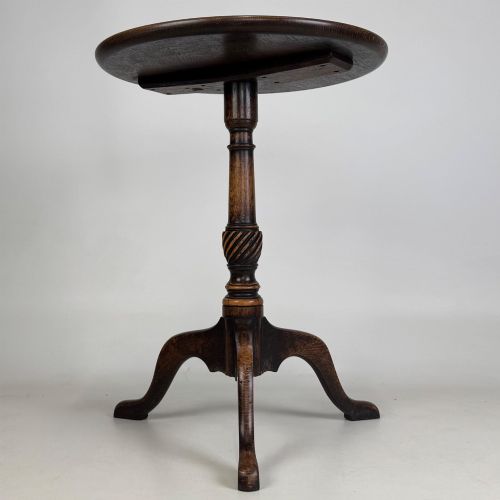
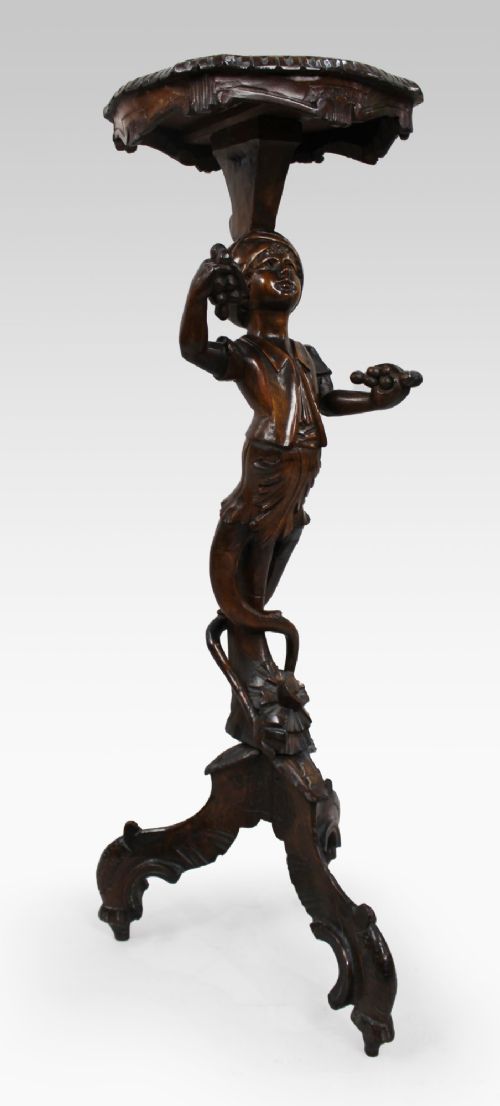
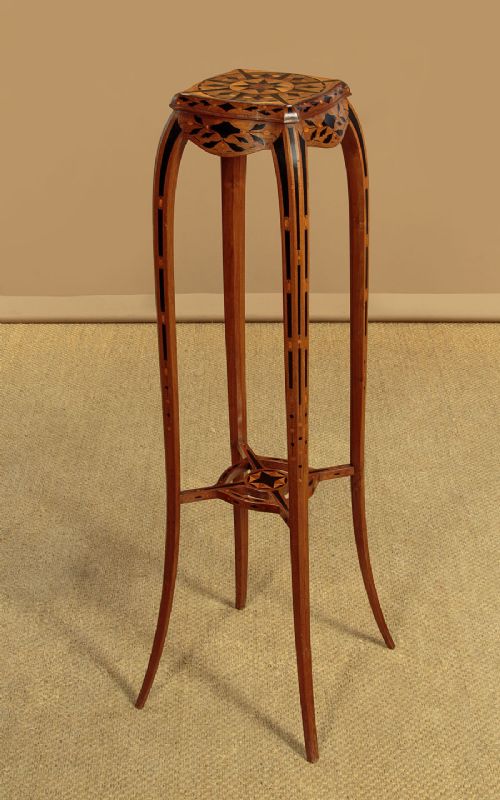
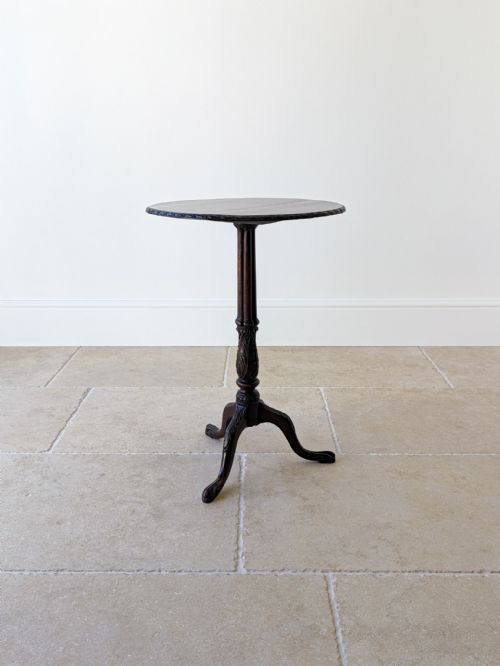
Antique Column Stand
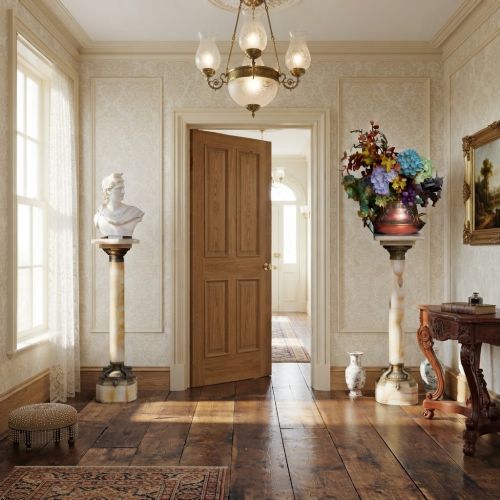
An antique column stand brings classical architecture indoors, offering an elevated platform to display sculpture, porcelain or plants.
Understanding the antique column stand
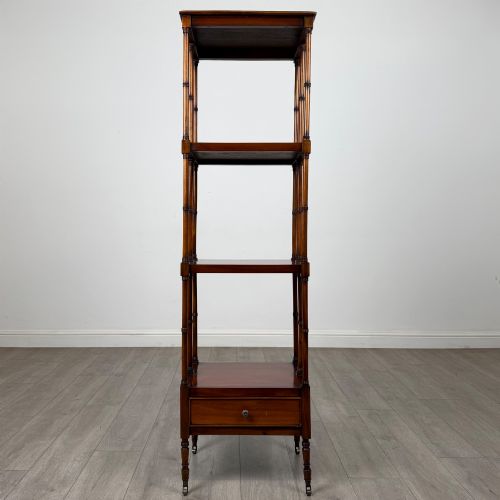
An antique column stand functions primarily as a display pedestal, torchere, or lighting standard designed to elevate decorative objects within a room. When exploring this category, buyers encounter forms that span the nineteenth century through the early twentieth century, reflecting enduring classical proportions.
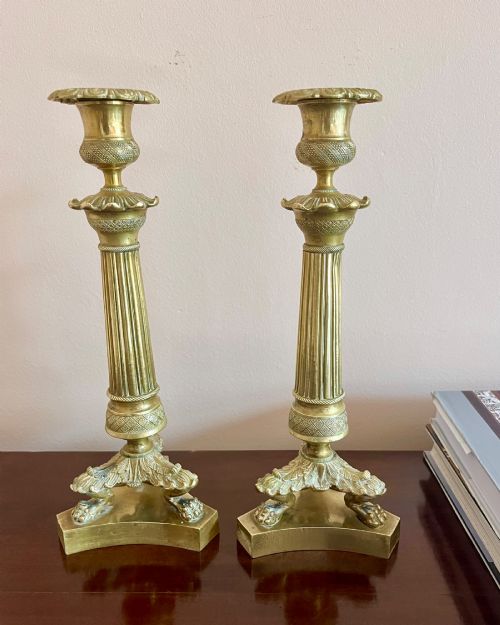
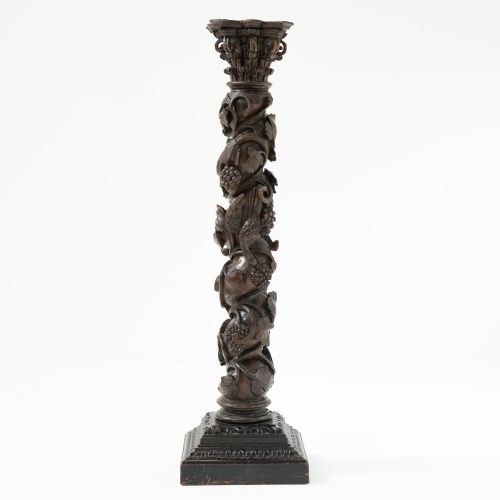
The selections appearing in this marketplace encompass various interpretations of historical design, including French Renaissance Revival, French Empire, Regency, and Neoclassical styles. Pieces range from straightforward turned wooden plinths to elaborate brass standards featuring classical capitals.
Makers utilised these vertical forms to create focal points in domestic interiors, adapting architectural orders into functional furniture. Whether configured as a plant stand, bust stand, or lamp standard, each piece serves to lift the decorative arts into the line of sight.
Materials and construction
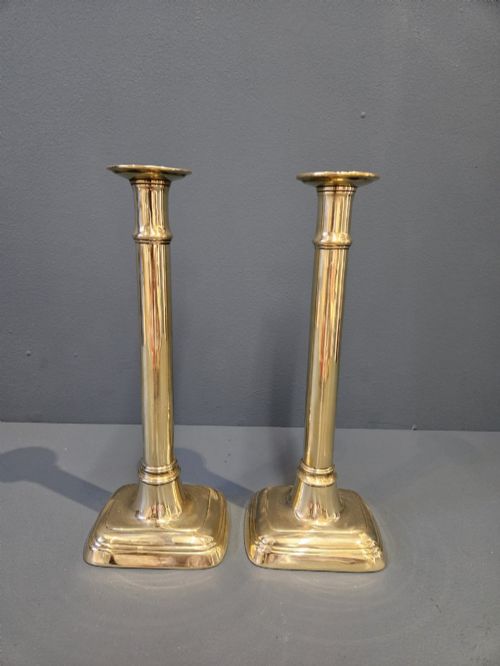
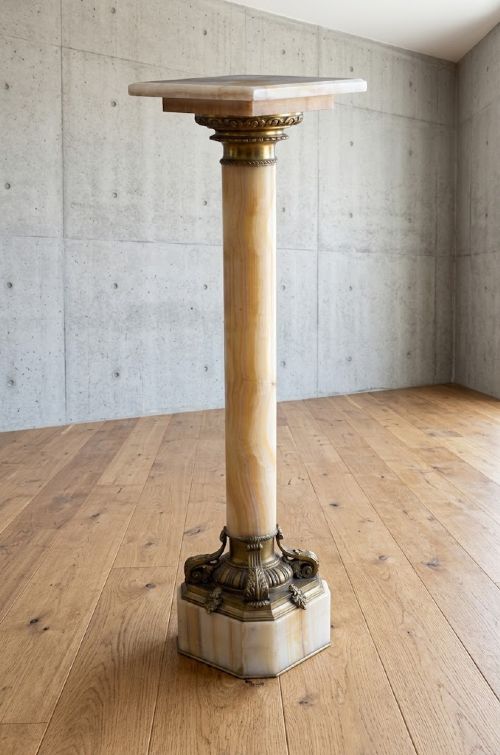
Carpenters and cabinetmakers constructed these columns using timber such as mahogany, oak, pine, and ebonised wood, alongside turned and carved elements. Metal components appear extensively, particularly cast brass utilised for Corinthian capitals and telescopic lighting columns.
Surface finish plays a defining role in the construction of these pieces, employing gold leaf, gesso, paint, and silver plating to enrich the exterior. Stone and mineral additions such as marble, onyx, alabaster, and faux marble finishes provide weight and visual contrast to the wooden or metallic shafts.
Retail Price Guide 2026
Typical UK retail prices for column stand, calculated from the Sellingantiques database of over a million retail prices indexed since 2003. This retail price guide relies exclusively on Sellingantiques data; no external sources or auction records are used, so the figures do not describe the wider market.
Styles span the nineteenth and early twentieth centuries, drawing heavily on French Empire and Neoclassical design vocabulary.
Evaluating distinction and craftsmanship
The distinction between standard examples and finer pieces lies in the crispness of the carving and the integrity of the materials. Solid timber construction and finely cast brass capitals demonstrate superior workshop standards compared to simpler, applied decoration.
Surface application also separates tiers of quality, particularly where hand-applied gold leaf, gesso, or specialist paint finishes remain intact. The weight of the base, often bolstered by marble or dense metals, determines the physical stability and structural ambition of the column.
The Antique Column Stand Glossary
- Torchere
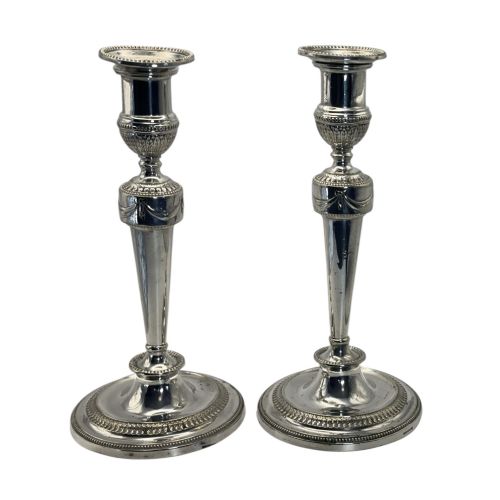
- A tall stand or candlestick originally designed to carry a torch or candle. These slender columns now support lighting or decorative urns.
- Plinth
- The heavy slab or block acting as the base of a column or pedestal. It provides the necessary foundation for vertical stability.
- Corinthian
- An architectural order identifiable by ornate capitals decorated with acanthus leaves. This motif appears frequently on brass standard lamps in this category.
- Jardiniere
- A decorative pot or stand intended for holding plants or flowers. Many column stands served this precise botanical function in Victorian interiors.
- Ebonised
- Wood finished with a dark stain or lacquer to imitate ebony. This treatment was widely used in nineteenth-century decorative furniture.
Frequently Asked Questions
What is an antique column stand used for?
These pieces function primarily as elevated platforms to display busts, vases, urns, or indoor plants. They also appear frequently as tall lighting standards.
Historically, placing objects on columns drew the eye upward and protected delicate items from damp floors or everyday foot traffic.
How do I style a column stand at home?
Position a column in an empty corner, framing a doorway, or beside a fireplace to add verticality to a room. Placing a single sculptural object on top creates a clear focal point.
Ensure the weight of the display object matches the structural capacity of the stand, particularly with slender torchere designs.
How can I tell the period of a column stand?
Examine the materials, turning techniques, and surface finishes to determine the era of manufacture. Neoclassical and Empire influences point toward nineteenth-century revivals.
Tool marks, timber species, and the composition of the base materials offer further clues regarding whether a piece dates to the Victorian period or the early twentieth century.