


Sculpture Pedestal Stand
A sculpture pedestal stand elevates a bust or figure to catch the eye, bringing architectural presence and height to a room.
Sculpture Pedestal Stand
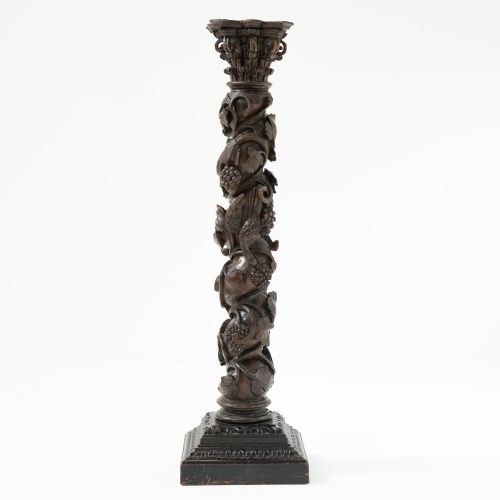
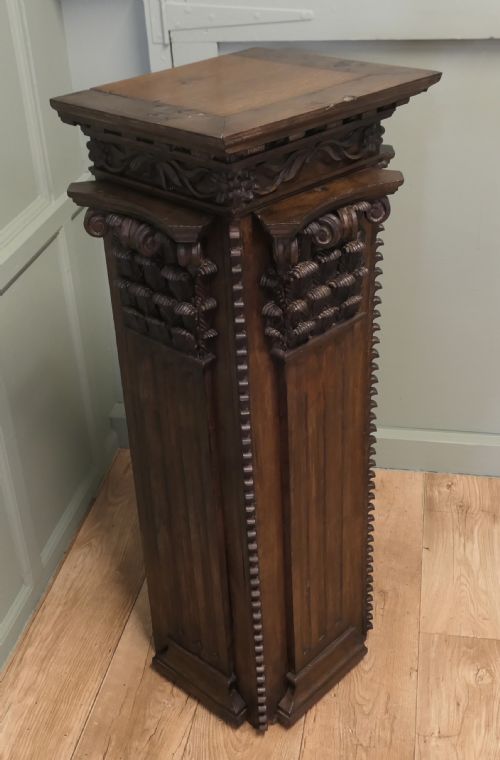
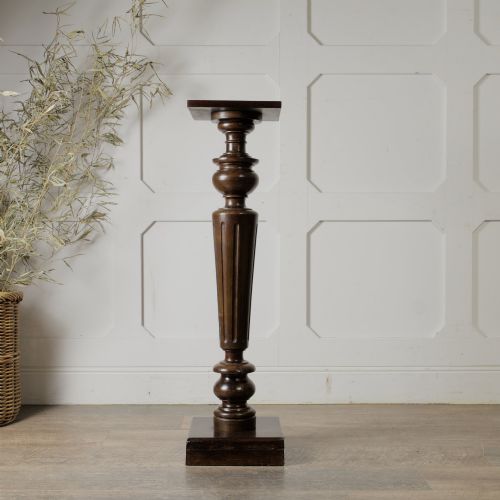
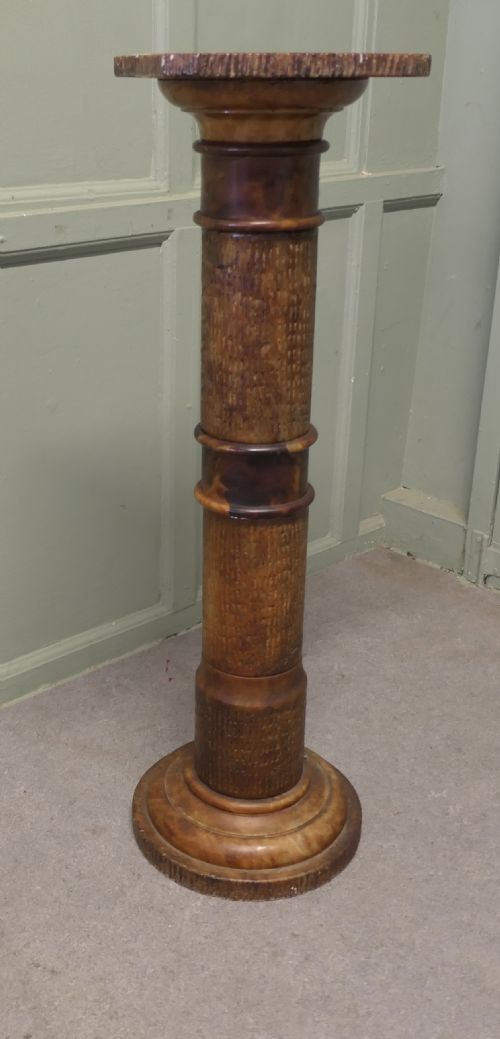
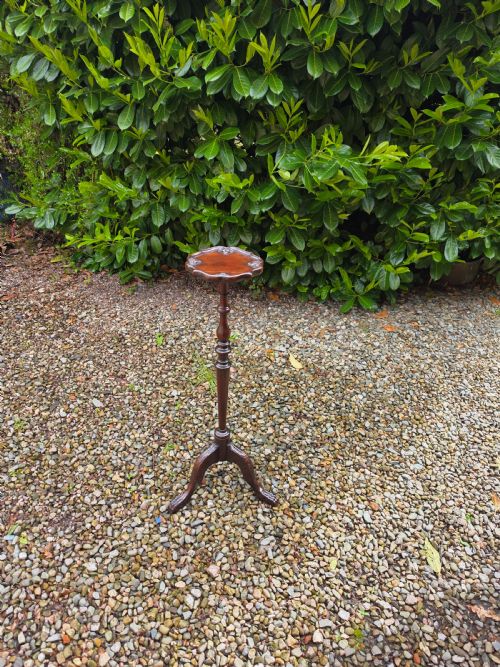
A sculpture pedestal stand provides a sturdy, elevated stage for display, drawing the eye upwards to appreciate a bust, urn, or figure. These pieces take various structural forms, appearing as slender columns, robust plinths, and carved torchieres designed to hold weight securely.
The selections available here span multiple centuries, with Victorian and nineteenth-century examples appearing frequently alongside earlier eighteenth-century craftsmanship and early twentieth-century revivals. Originating across Britain, France, Italy, and Asia, these items adapt classical architectural motifs for domestic interior settings.
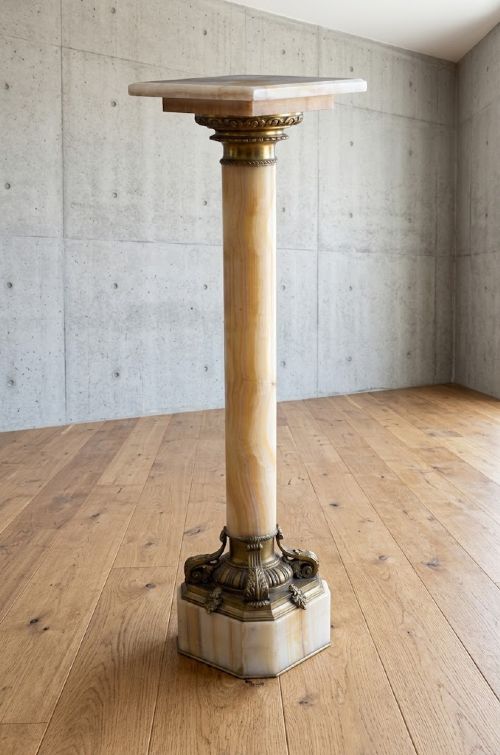
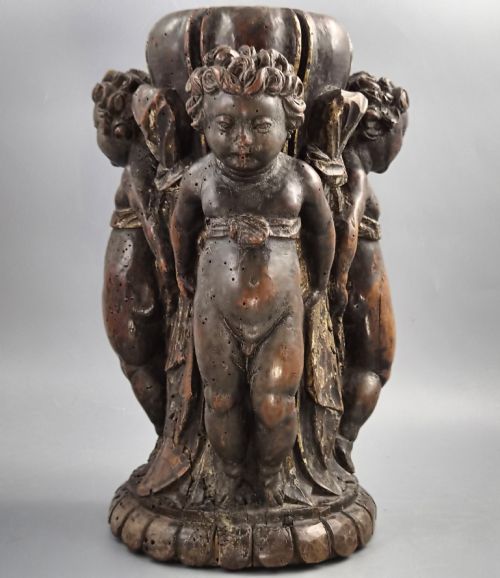
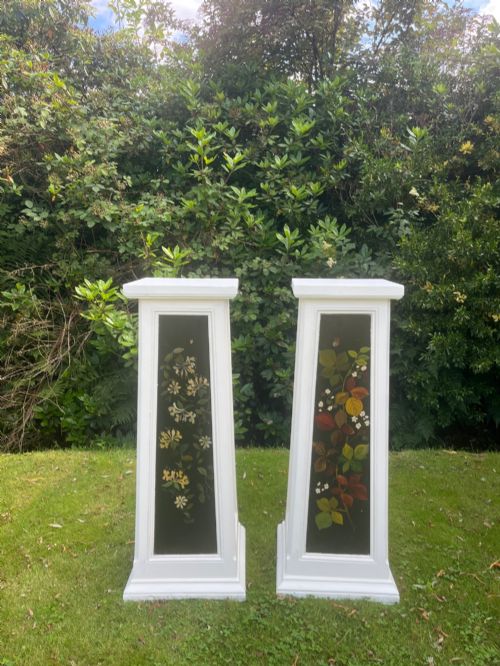
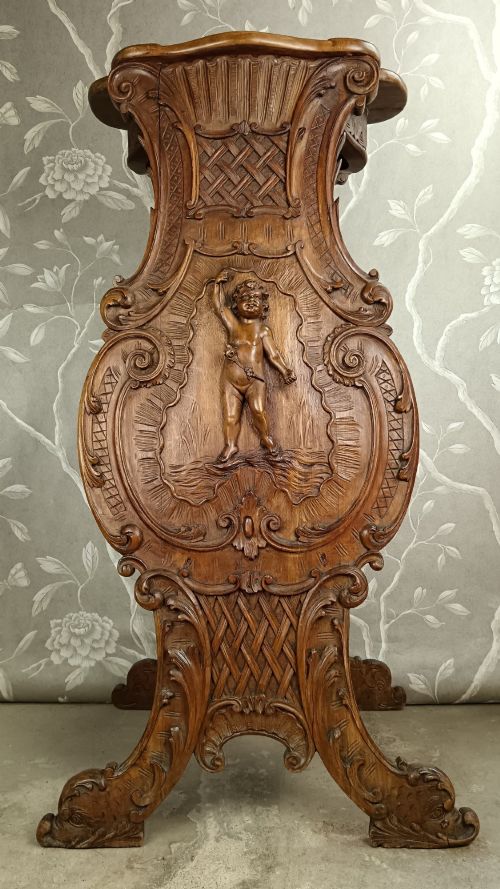
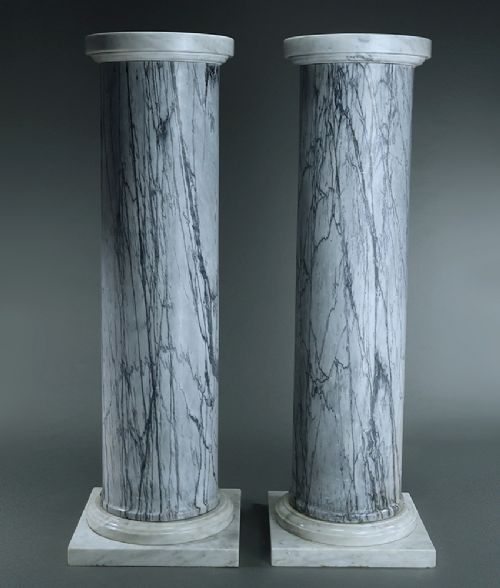
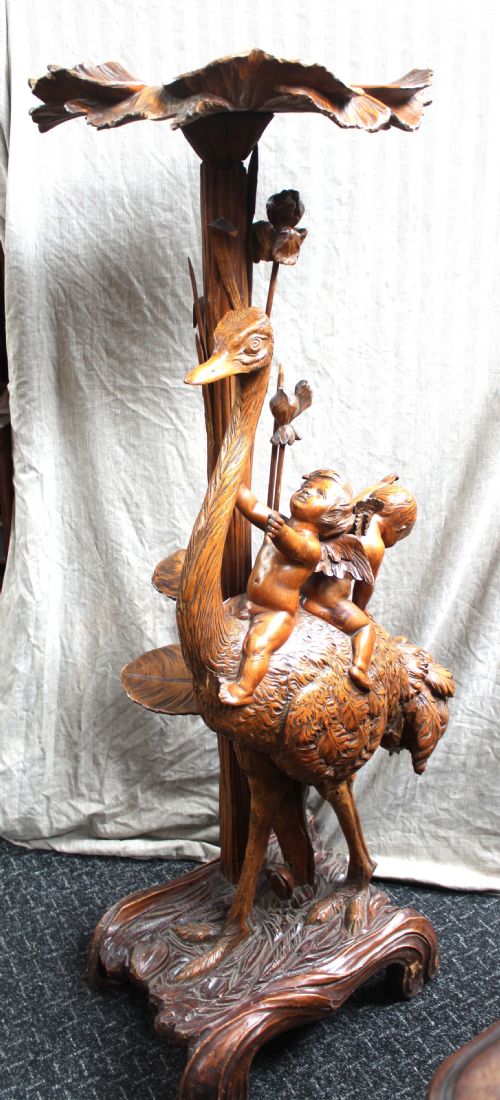
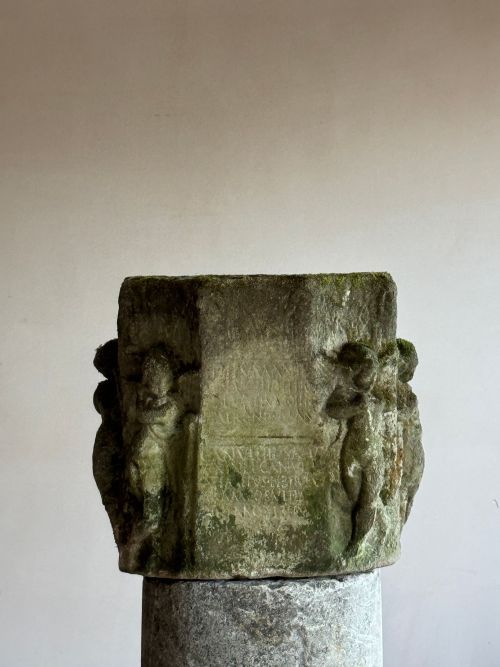
Buyers encounter diverse configurations, from smooth marble columns with distinct veining to carved wood stands featuring figures, putti, or floral motifs. Some pieces function as traditional display columns, while others incorporate painted finishes, gilt polychrome, or inset stone tops.
Materials and Construction Techniques
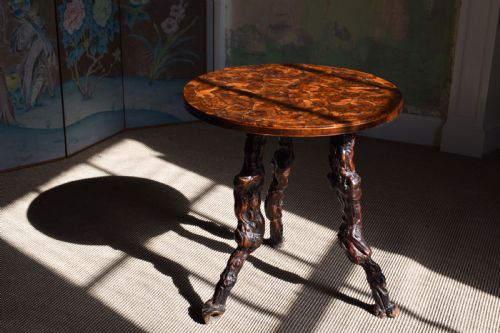
Cabinetmakers and stonecutters relied on durable materials to support heavy objects, employing solid hardwoods such as mahogany, walnut, oak, and satinwood alongside exotic woods like birch and rootwood. Artisans shaped these timbers through turning, carving, and lacquer work to create complex silhouettes.
Stone columns utilise natural mineral resources, including honey-coloured, bardiglio, carrara, verde antico, and rouge marbles, often paired with decorative elements in ormolu, cast stone, or painted plaster. Surface treatments range from original gilt polychrome and faux marble paint effects to polished natural grain.
Sculpture Pedestal Stand Retail Price Guide 2026
Typical asking prices for sculpture pedestal stand among the pieces listed under this phrase on Sellingantiques today, from the lower quarter to the upper quarter. They describe what is for sale here now, not the wider market.
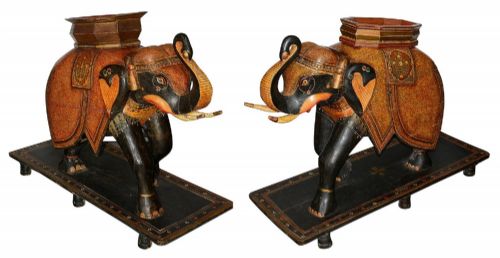
Several stands double as seating or display platforms supported by carved wooden elephants, complete with tusks and painted details.
Distinctions in Quality and Execution
The standard of a sculpture pedestal stand rests on the ambition of its carving and the integrity of its material selection. Finer examples display crisp, hand-chiselled details in wood or stone, where figures, fluting, and capital details exhibit proportional harmony and depth.
Structural stability dictates the utility of these tall items, distinguishing finely balanced pedestals from purely decorative supports. Superior pieces integrate weight distribution thoughtfully, ensuring that slender columns or heavily loaded triform bases remain steady under significant sculptural weight.
Gillow & Co.
The Sculpture Pedestal Stand Glossary
- Torchiere
- A tall stand or ornamental candlestick originally designed to carry a light source, often adapted as a display pedestal for busts or figures.
- Solomonic
- A helical or spiral-twisted column design that creates a sense of dynamic movement and visual rhythm.
- Ormolu
- Gilt bronze mounts applied to furniture and decorative objects for enrichment.
- Triform
- Having three sides or a triangular base arrangement, providing stability for upright display forms.
- Polychrome
- Decorated in multiple colours, frequently seen on historical wood and plaster figures.
Sculpture Pedestal Stand: Frequently Asked Questions
What weight can a typical pedestal support?
Most sturdy wood and marble columns handle substantial busts or cast figures safely, provided the base footprint matches the load.
Heavier marble and solid hardwood versions offer greater stability for large art pieces.
How do I choose the right height?
Height depends on the object placed on top and the eye-level of anyone viewing the room.
Taller columns suit smaller busts, while shorter plinths accommodate large statues or elaborate figures.
Where should I place a pedestal stand?
These pieces fit naturally into corners, empty wall spaces, or entryways where vertical emphasis is needed.
Placing a stand away from heavy traffic prevents accidental bumps.
How do I clean marble and wood stands?
Dust wood surfaces regularly with a soft cloth and avoid harsh chemical polishes.
Marble requires gentle wiping with a damp cloth to protect the natural stone grain.