


Neoclassical Display Pedestal
These neoclassical display pedestal pieces bring architectural dignity to a room, offering elevated stages for sculpture, urns and plants.
Neoclassical Display Pedestal
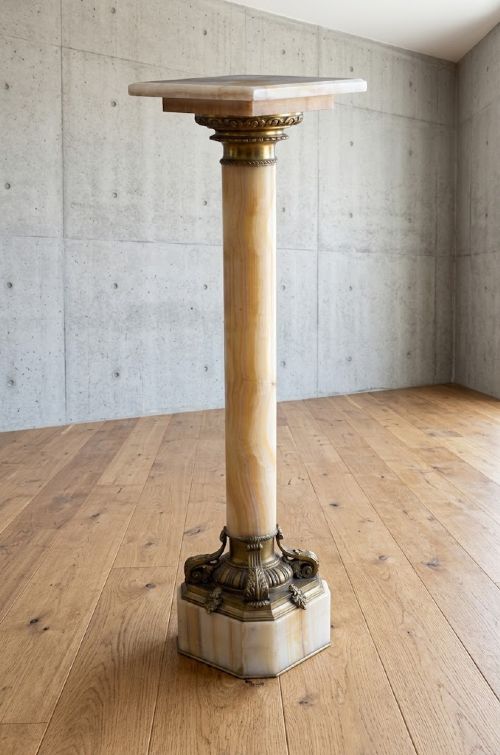
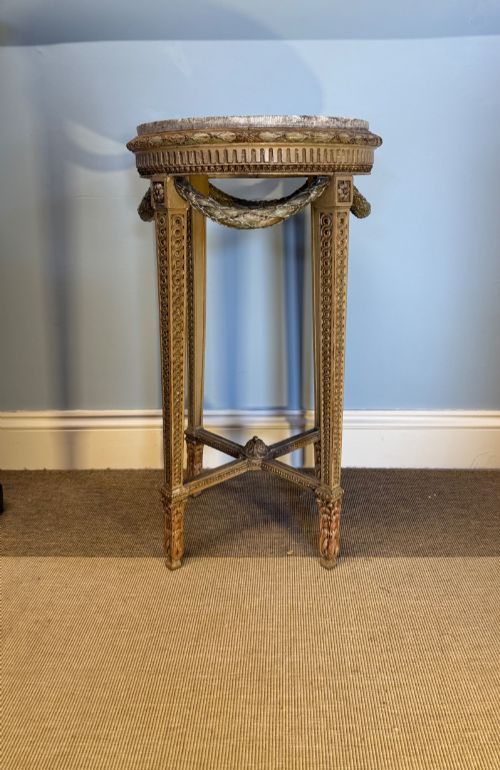
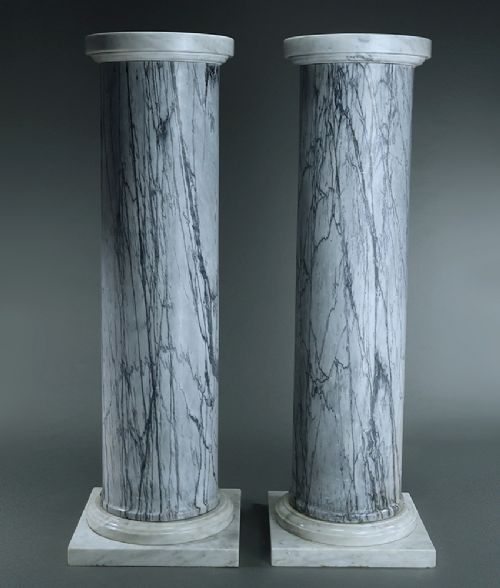
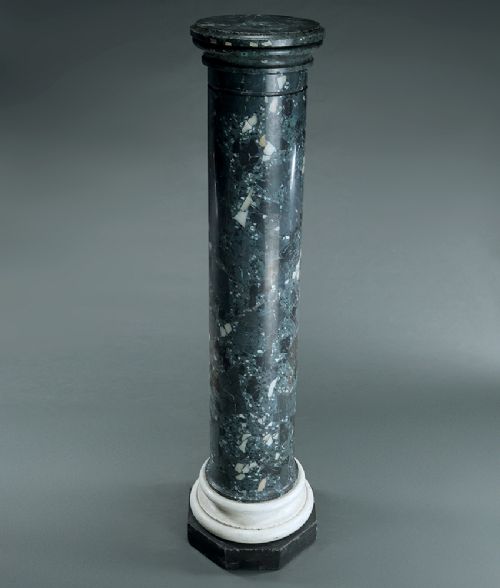
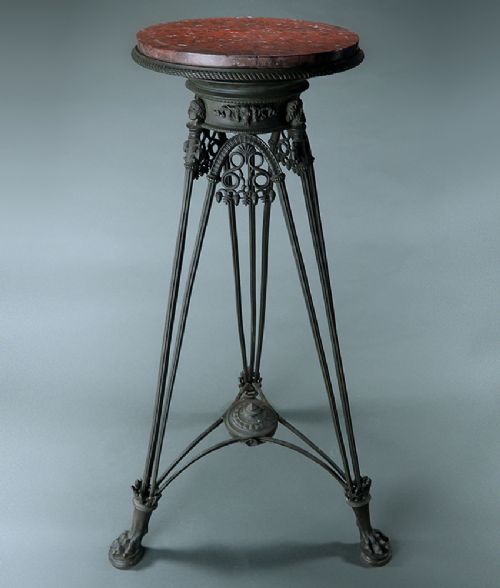
A neoclassical display pedestal takes the form of a column, plinth, torchere or plant stand, drawing directly on ancient architectural motifs. Buyers seeking these items will encounter various heights designed to support decorative objects, statuary and vases.
The selections span the nineteenth century into the early twentieth century, reflecting revival movements across France, Italy, Sweden and Britain. Pieces range from grand stone columns to smaller painted timber stands and occasional tables.
Craftsmanship and Proportion
Quality rests upon the weight and selection of the stone, the crispness of carved details like capitals and bases, and the integration of bronze or ormolu mounts. Solid marble columns demonstrate superior geological figuring and precise turning compared to simulated finishes.
Proportion and stability dictate the merit of timber and plaster examples, where clean lines, tight joinery and well-applied gilding or paint elevate the piece from basic utility to architectural art.
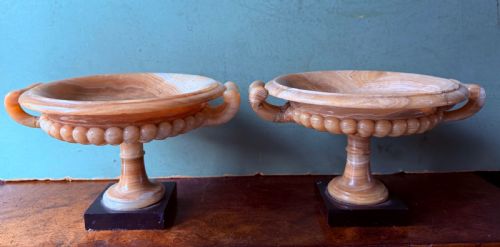
Grand Tour souvenirs allowed Victorian travellers to bring home miniature stone columns and tazze to prove they made it to Italy.
Mercier Frères
The Neoclassical Display Pedestal Glossary
- Ormolu
- Gilt bronze mounts applied to furniture and decorative objects. This technique was widely utilised in French Empire and neoclassical pieces.
- Scagliola
- A composite material made from selenite, glue and pigments, embedded to imitate marble and other hard stones. Craftsmen polished it to a high shine.
- Torchere
- A tall ornamental stand or candlestick designed to hold a light source or decorative urn. They frequently adopt classical column forms.
- Guéridon
- A small French table supported by one or more columns or figures. These often feature marble tops in neoclassical interiors.
- Socle
- A short plinth or pedestal supporting a column, bust or statue. It provides a stable base for architectural display.
Neoclassical Display Pedestal: Frequently Asked Questions
What were neoclassical display pedestals used for?
These pieces served to elevate sculpture, urns, lamps and decorative plants within formal rooms. By raising objects to eye level, they drew attention to important works of art and classical artefacts.
In nineteenth-century interiors, they functioned both as standalone architectural ornaments and as practical surfaces for illumination or floral display. Their placement helped define the balance and symmetry of a grand salon.
How do I style a pedestal at home?
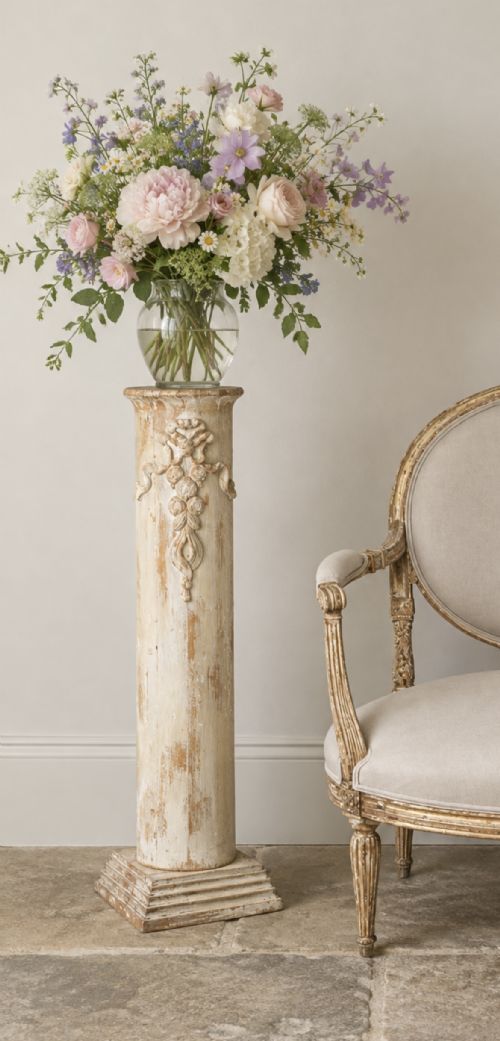
A pedestal looks best placed in a corner, against a plain wall, or framing a doorway where its architectural silhouette can be appreciated. It benefits from carrying a single, balanced object such as a bronze figure, a ceramic urn or a trailing plant.
Keep surrounding furniture low to let the height of the column create a focal point. Ensure the weight of the object placed on top matches the visual heft of the base.
How can I tell stone types apart?
Natural stones like verde antico and bardiglio display complex, random mineral veins and cold, heavy surfaces. Scagliola and painted plaster reveal a smoother, lighter composition upon closer inspection without natural stone depth.
Examining the underside or edges where wear has occurred often exposes the underlying material, whether it is carved stone, cast plaster or timber.
What distinguishes Empire Revival pieces?
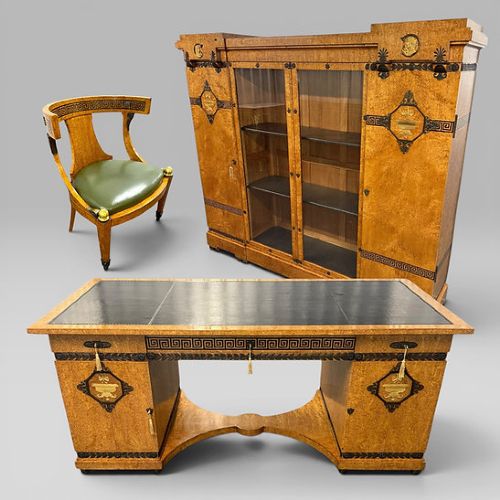
Empire Revival items draw heavily on the strict symmetry and military-inspired motifs of the early nineteenth-century French court. They often incorporate dark woods, birch, or contrasting gilt bronze mounts and strict column geometries.
These later revival pieces, made around nineteen hundred, reflect a renewed Victorian and Edwardian interest in classical imperial grandeur and monumental interior design.