

Sculpture Display Stand
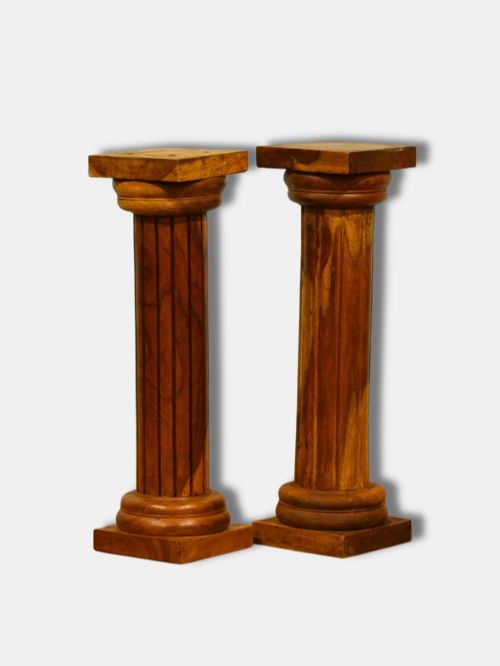
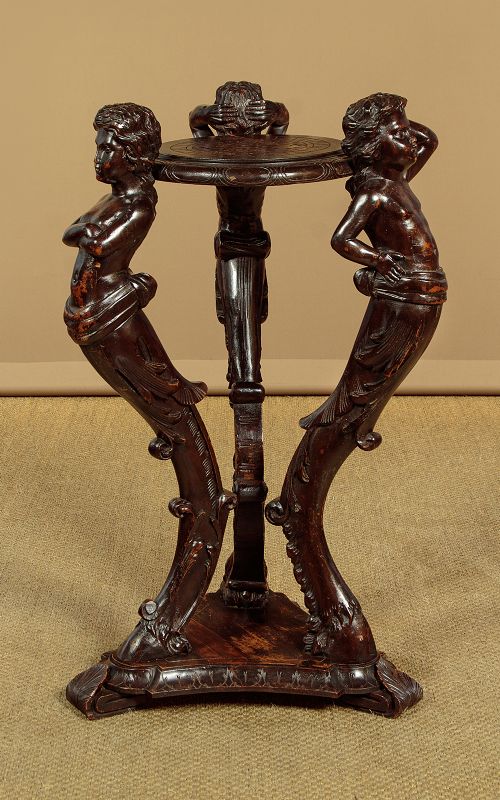
A sculpture display stand raises a piece to eye level, and these examples combine timber and marble to frame a room's focal point.
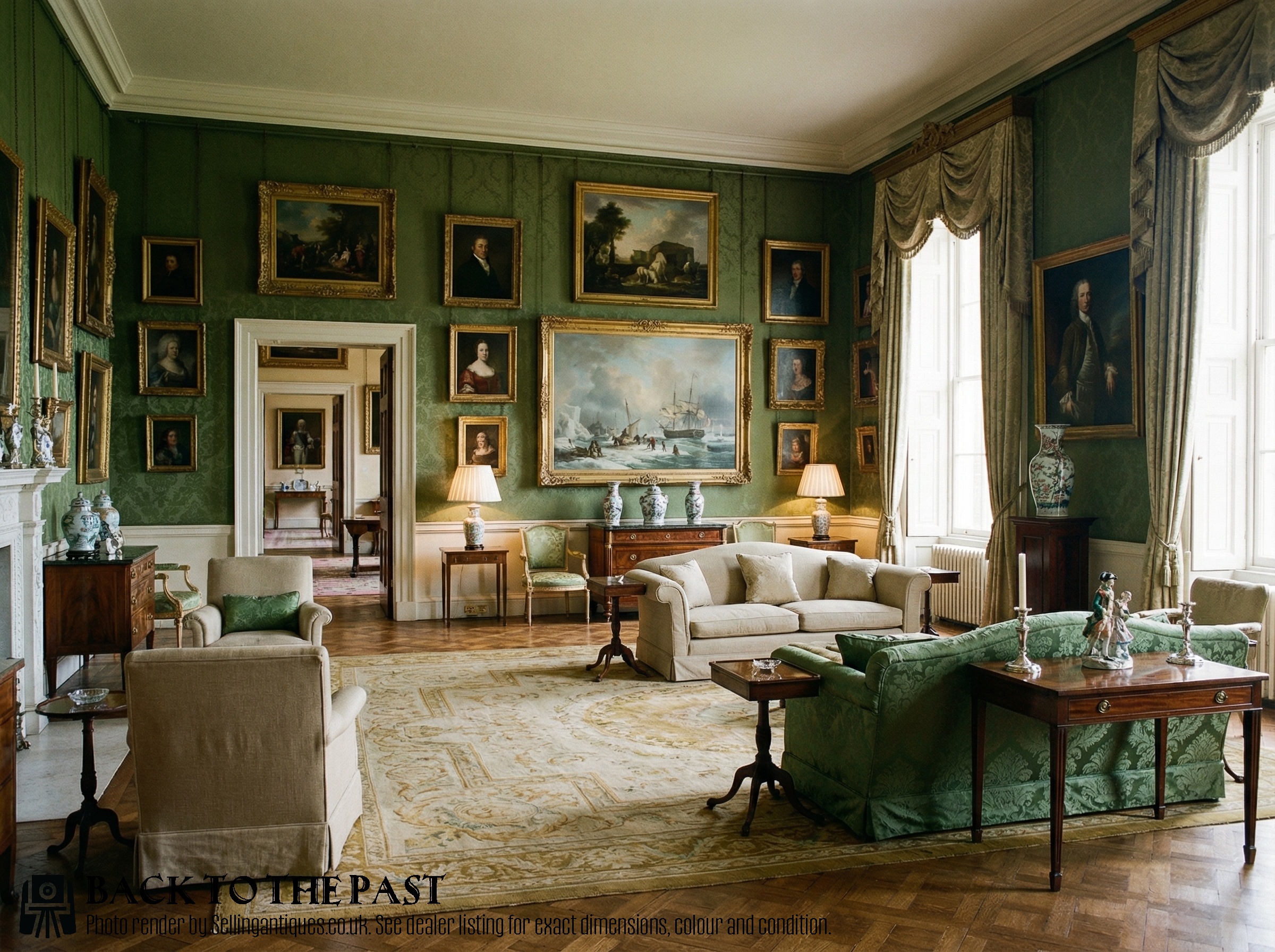
Sculpture Display Stand
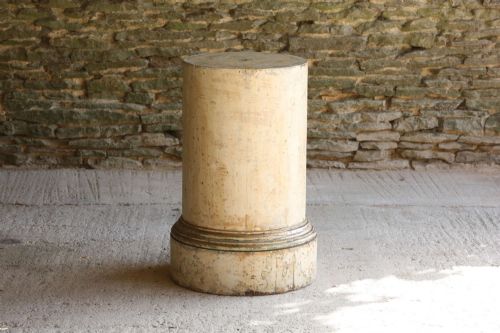
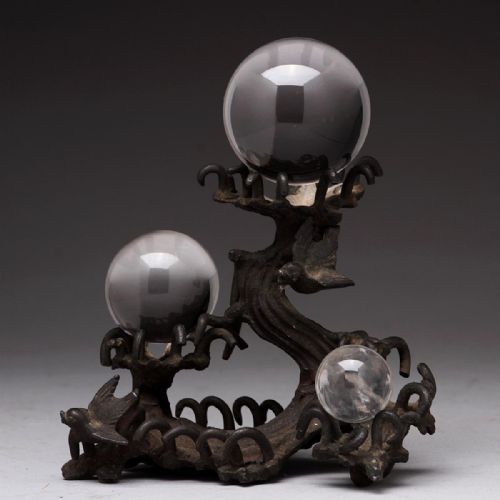
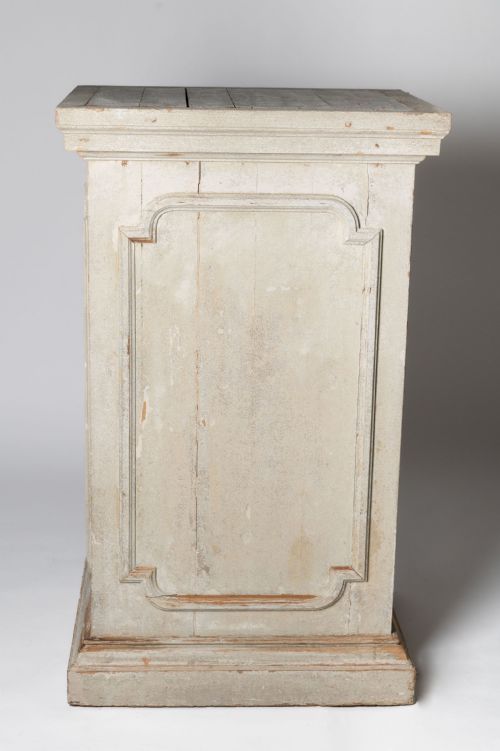
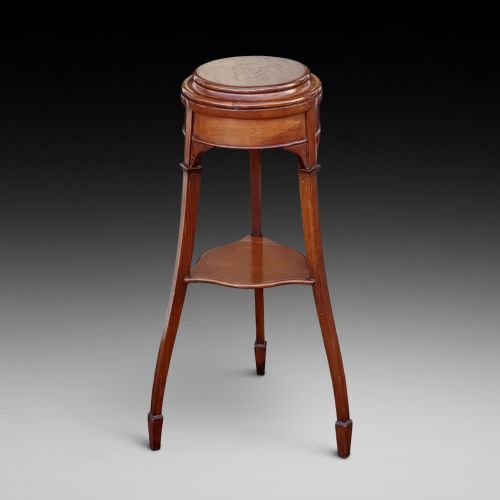
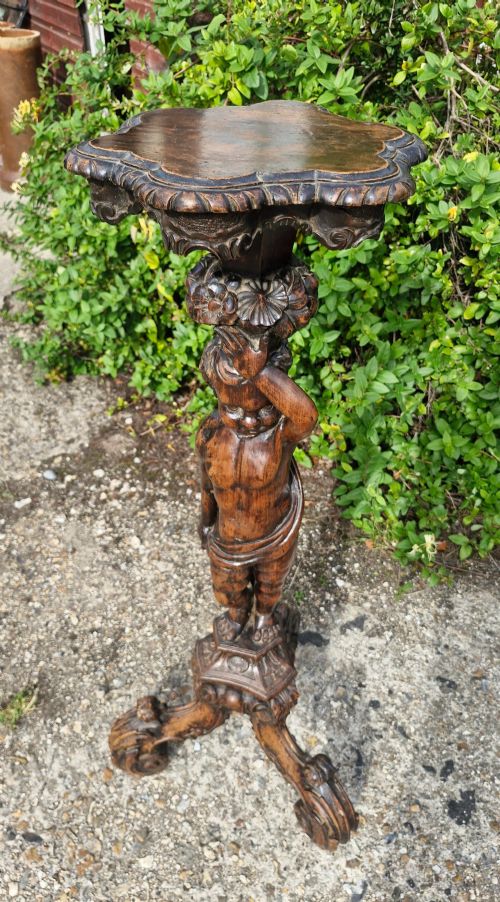
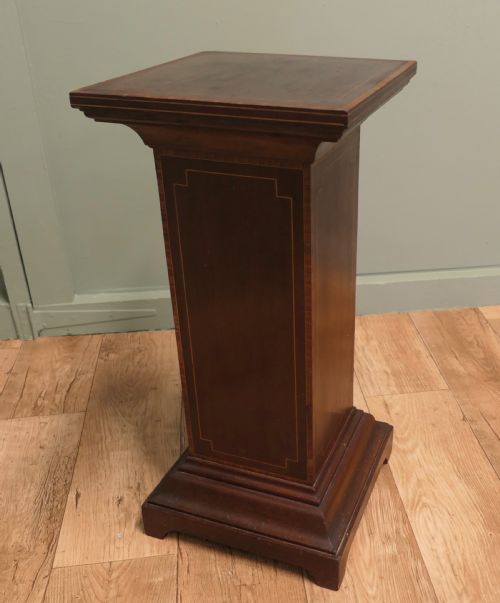
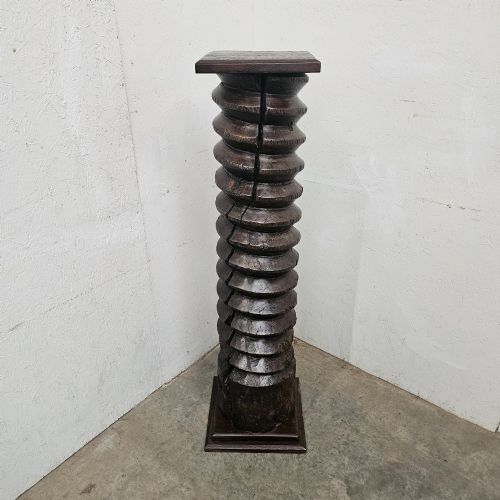
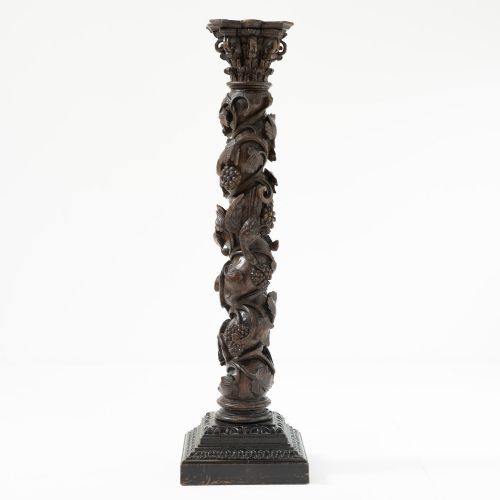
A sculpture display stand serves to elevate three-dimensional art within an interior. These pieces take the form of columns, pedestals, and plinths designed to support heavy statues or decorative objects.
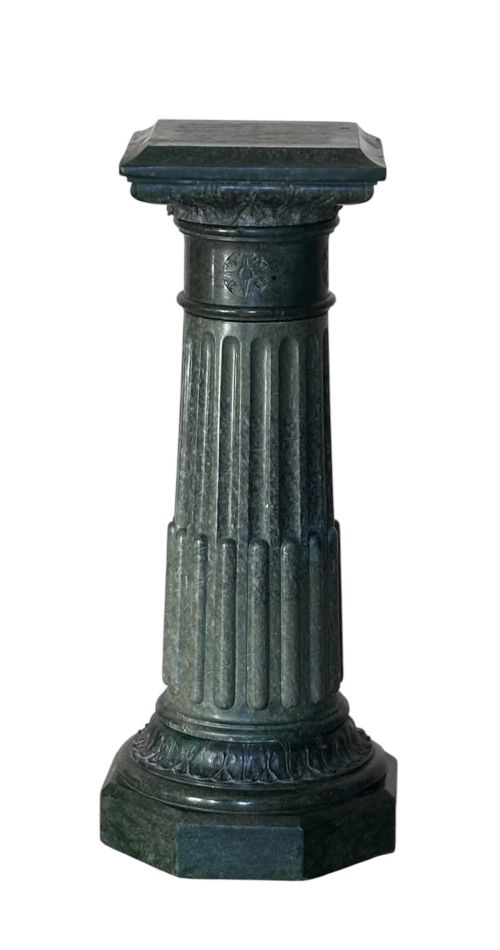
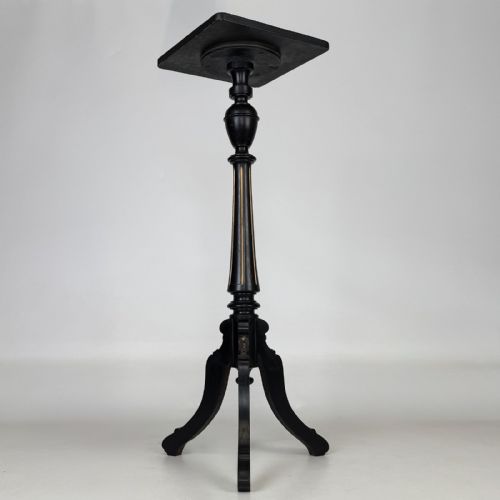
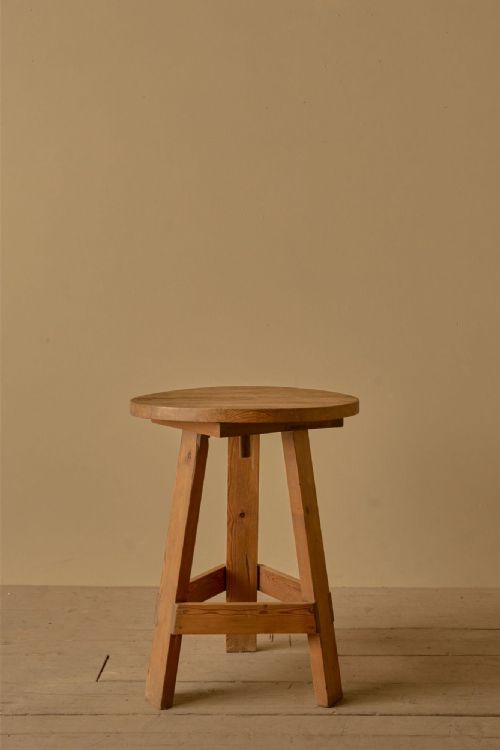
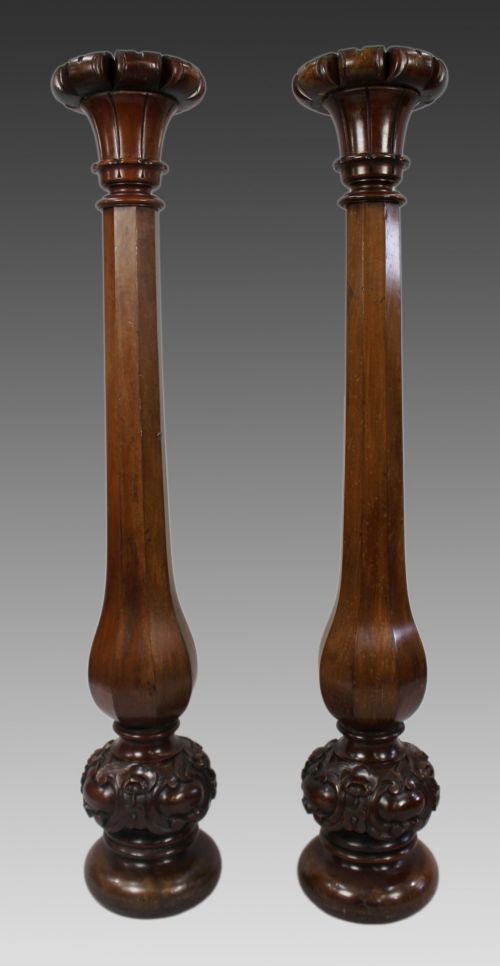
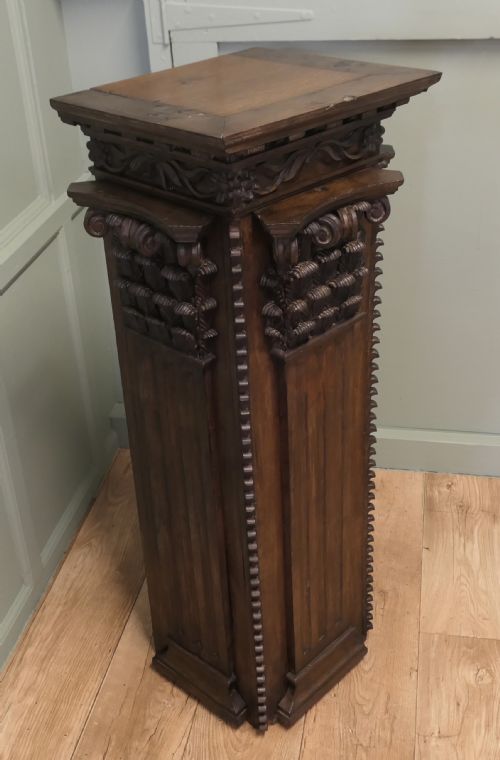
The selection on this page ranges from Georgian mahogany and oak examples to early twentieth-century Swedish birch and ebonised wooden stands. French mid-nineteenth-century marble columns also appear among the forms.
Buyers will encounter various revivals, including Empire, Jacobean, and Neoclassical styles. Simulated materials like faux giallo antico marble on fluted wooden columns demonstrate the historic desire for classical grandeur.
How they were made
Cabinetmakers utilised solid timbers such as mahogany, birch, satin birch, oak, and ebonised wood to construct the structural cores and shafts of these stands. Turning, carving, and joinery formed the primary woodworking techniques.
Surfaces frequently incorporate stone elements, utilising materials like verde antico marble and scagliola. Scagliola involves a composite technique of pigment, glue, and plaster to imitate natural marble finishes.
Sculpture Display Stand Retail Price Guide 2026
Typical asking prices for sculpture display stand among the pieces listed under this phrase on Sellingantiques today, from the lower quarter to the upper quarter. They describe what is for sale here now, not the wider market.
Makers once used clever plaster mixes to make humble wooden columns look like expensive Italian marble.
What varies in quality
Quality rests upon the choice of materials and the ambition of the revival style. Fine figures in mahogany or birch and genuine verde antico marble represent the upper tier of execution.
Subtlety in proportion and the crispness of classical detailing separate standard joinery from superior cabinet work. The handling of simulated finishes like scagliola determines the visual success of the piece.
The Sculpture Display Stand Glossary
- Scagliola
- A composite material made from selenite, glue, and pigments, mimicking marble and other hard stones. Craftsmen apply and polish it to achieve a convincing stone appearance.
- Verde Antico
- A dark green serpentine breccia marble prized in classical and neoclassical design. It provides a rich, mottled surface for columns and pedestals.
- Ebonised
- Wood treated to resemble ebony through staining and polishing. This dark finish gained popularity in various nineteenth-century revival periods.
- Plinth
- The lowest horizontal member of a base supporting a column or statue. It provides structural stability and visual grounding for the display piece.
Sculpture Display Stand: Frequently Asked Questions
What weight can a sculpture display stand hold?
Most timber and marble stands handle substantial weights, but capacity depends on the internal construction and base width.
Heavier marble and scagliola columns generally offer robust support for bronze or stone sculptures.
How do I style a sculpture display stand?
Place the stand in a corner or focal point where the elevated artwork commands attention. Ensure the style of the stand complements the period of the displayed object.
Pairing a neoclassical marble column with a classical bust creates a traditional display arrangement.
Are these stands suitable for modern interiors?
Period pedestals and plinths provide architectural contrast in contemporary spaces. Clean lines found in mahogany and birch versions bridge historical and modern design.
Ebonised wooden plinths offer a neutral silhouette that highlights minimalist sculptures.
How do I identify a scagliola finish?
Scagliola feels warmer to the touch than natural stone and lacks natural veining continuity. Close inspection reveals a composite matrix rather than quarried marble.
This technique allowed makers to achieve luxurious stone appearances at a different weight and cost.