


Antique Marble Column
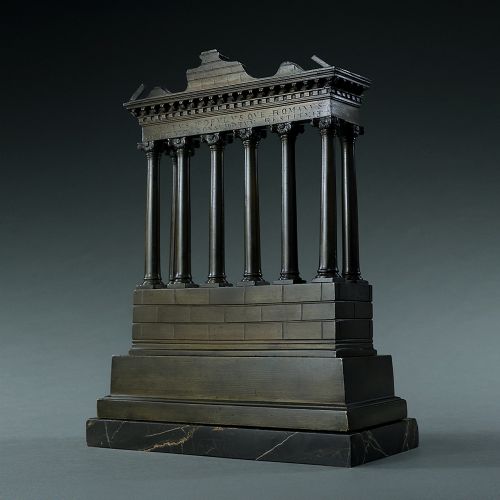
An antique marble column brings architectural presence and classical form to a room, functioning as a sturdy display stand or a striking sculptural element.

Antique Marble Column
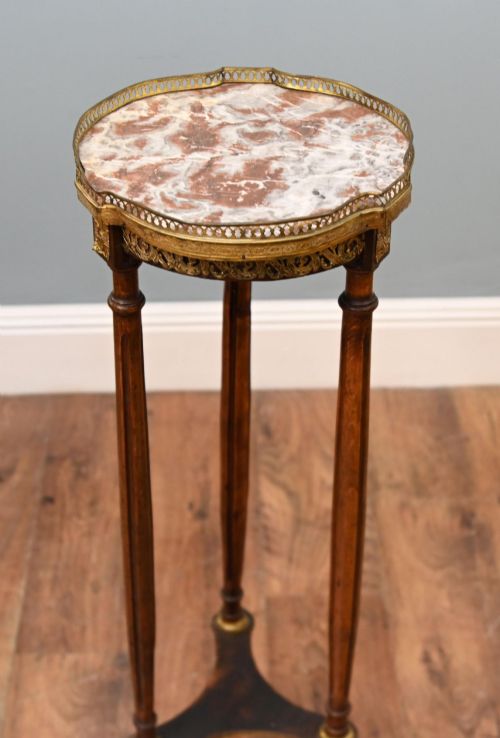
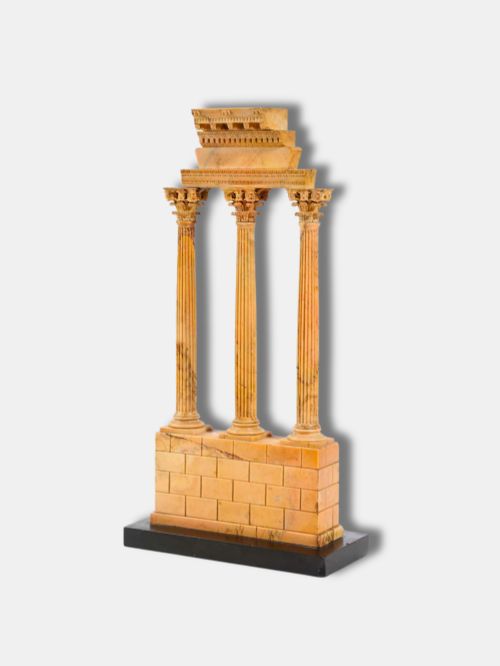
When you search for an antique marble column, you encounter architectural fragments, pedestals, and display supports dating from the nineteenth and early twentieth centuries. These pieces reflect neoclassical and classical revival tastes, often originating from Italy, France, or England as decorative furnishings.
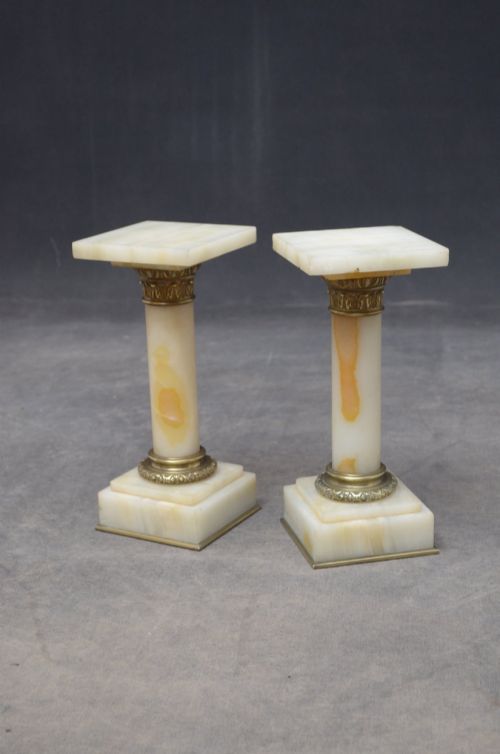
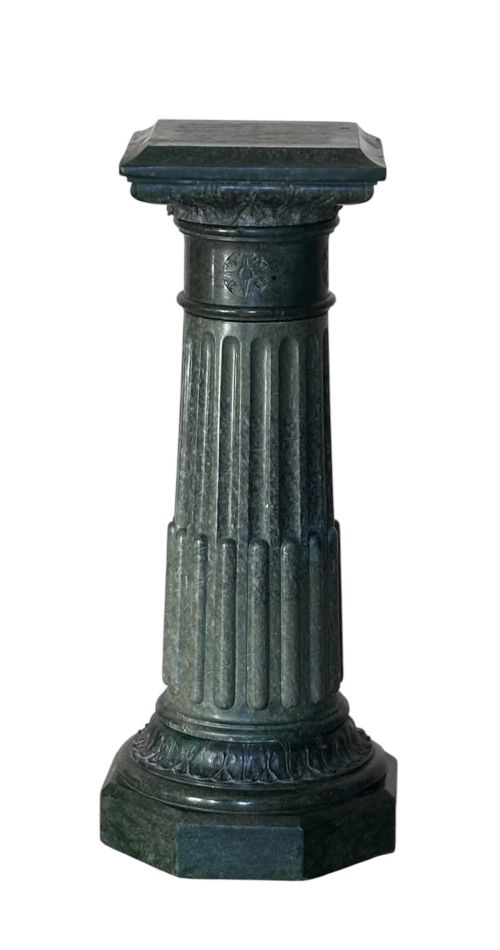
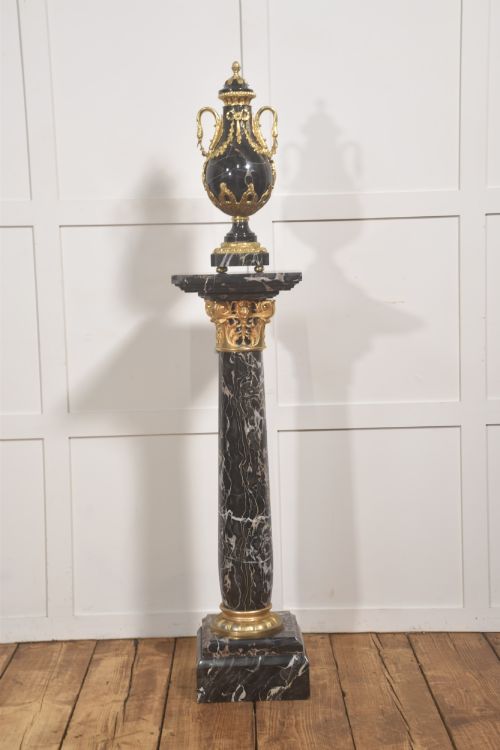
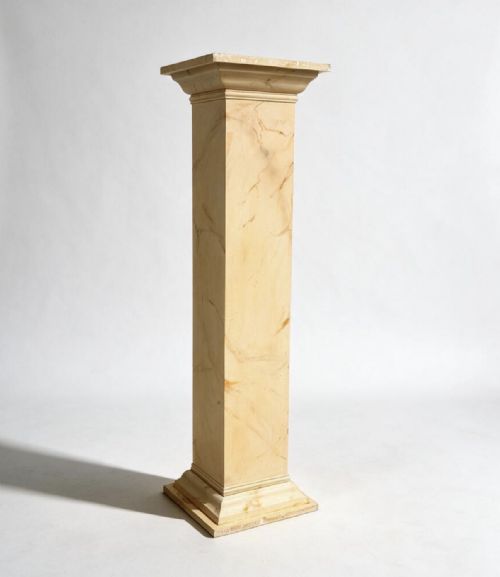
The selections available include plain cylindrical shafts, square scagliola pedestals, and composite stands designed to elevate busts, lamps, or sculptures. Many examples utilise richly figured stones such as arabescato, rouge, and verde antico, whilst others employ faux finishes on wood or plaster.
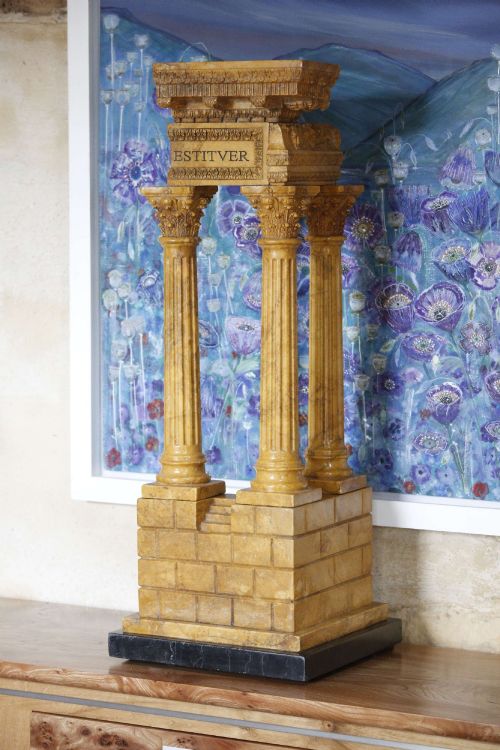
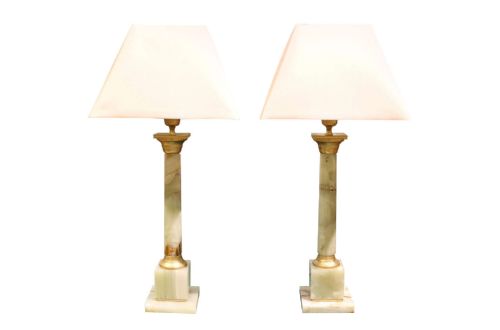
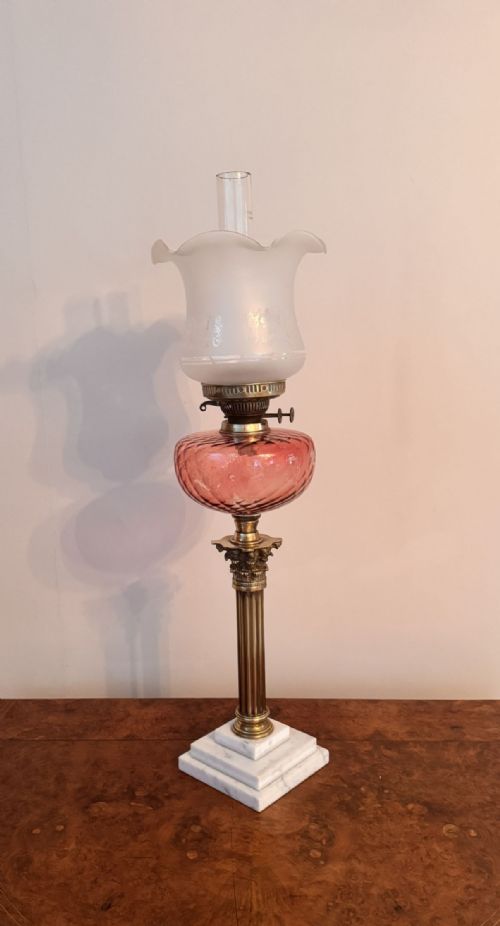
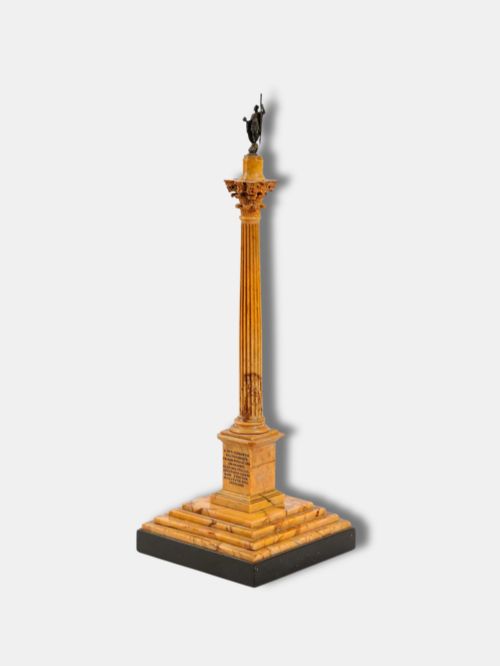
You also find functional interpretations such as torchere stands and table lamps incorporating bronze Corinthian capitals. The common thread amongst these diverse objects is the use of classical architectural vocabulary translated into domestic interior decoration.
Materials and construction
Stonemasons carved solid blocks of natural stone into shafts and bases, selecting varieties like white, grey, and variegated marbles. Artisans also utilised scagliola, a composite material made from pigmented plaster, glue, and crushed stone, to imitate costly marbles.
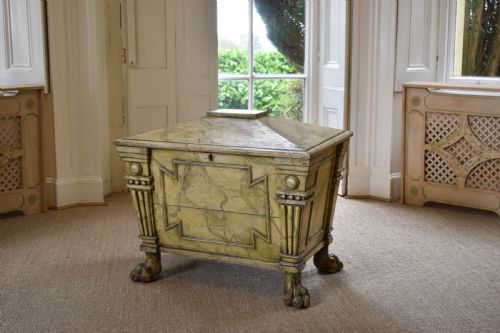
Some English pieces employ pine treated with pigment to achieve a faux marble surface, mimicking the appearance of heavier imported stone. Bronze mounts and Corinthian capitals complement the stonework on selected lamp bases and architectural stands.
Antique Marble Column Retail Price Guide 2026
Typical asking prices for marble column among the pieces listed under this phrase on Sellingantiques today, from the lower quarter to the upper quarter. They describe what is for sale here now, not the wider market.
Listings feature items from the nineteenth century alongside pieces dated around nineteen-twenty and nineteen-thirty, representing classical revival styles.
Assessing quality and execution
The distinction between standard production and superior craftsmanship lies in the depth of geological figuring within the stone and the precision of the turning. Finely worked capitals and well-proportioned fluting elevate an architectural support from a simple prop to a notable work of stonemasonry.
Scagliola examples depend entirely on the skill of the artisan who applied the coloured pigments to achieve convincing veining that resembles natural mineral deposits. Superior pieces display seamless joints, stable bases, and integrated bronze detailing that remains securely fixed to the stone shaft.
Eduardo Giolli
The Antique Marble Column Glossary
- Scagliola
- A composite material made from plaster, glue, and natural pigments, applied to resemble marble and other fine stones. This technique allowed makers to create elaborate decorative columns without the weight and cost of solid quarried mineral.
- Corinthian
- An architectural order characterised by ornate capitals decorated with acanthus leaves. This classical style appears frequently on the bronze and stone capitals of lamp bases and pedestals.
- Arabescato
- A white marble featuring bold, dark grey or black veining arranged in complex patterns. It provides a high-contrast decorative surface popular in neoclassical furniture.
- Verde Antico
- A dark green serpentine marble historically quarried in Greece and Italy. The deep green tone is broken by pale calcite veins.
- Pedestal
- A support or base for a statue, urn, or column. These architectural elements lift decorative objects to eye level.
Antique Marble Column: Frequently Asked Questions
What is an antique marble column used for?
These pieces serve primarily as structural stands for displaying art, bronzes, clocks, or lamps within an interior space.
They function as independent decorative sculptures that introduce classical proportions and geological colour to a room.
How do I distinguish scagliola from real marble?
Scagliola feels slightly warmer to the touch than natural stone and lacks the crystalline depth found in quarried marble. Examining the surface under magnification reveals the hand-applied pigment layers rather than natural mineral fissures.
Are these columns strong enough to hold heavy statues?
Solid stone and scagliola examples provide substantial weight and stability for supporting heavy bronze busts or marble sculptures. Lighter wood or plaster stands with faux finishes require more careful placement to ensure proper balance.
How do I clean and maintain marble columns?
Dust the surface regularly with a soft, dry cloth to prevent dirt accumulation within the carved details or veining. Avoid acidic cleaning agents and abrasive pads, which permanently etch polished stone and damage scagliola finishes.