



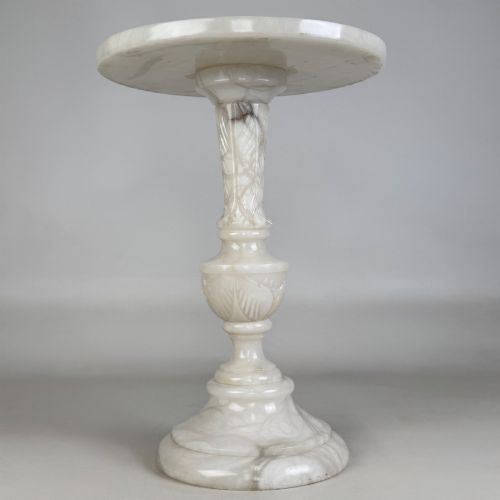
Classical Marble Pedestal
A classical marble pedestal elevates sculpture and urns with architectural authority, bringing enduring neoclassical proportion into a room.
Classical Marble Pedestal
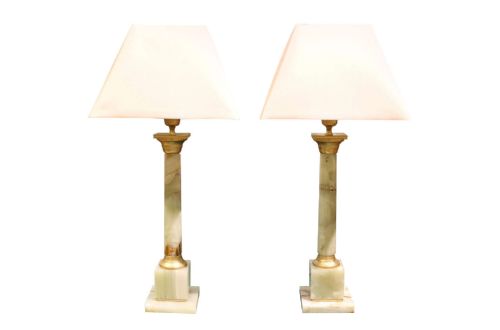
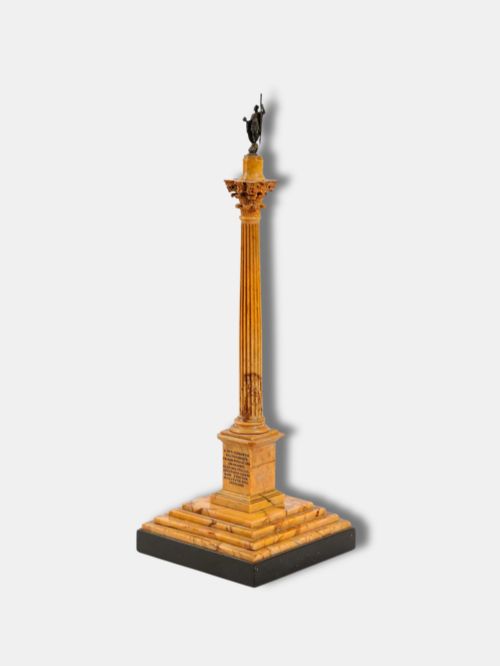
A classical marble pedestal takes the form of a column, plinth or columnar shaft designed to support heavy decorative objects, originating primarily in the nineteenth century and the early decades of the twentieth.
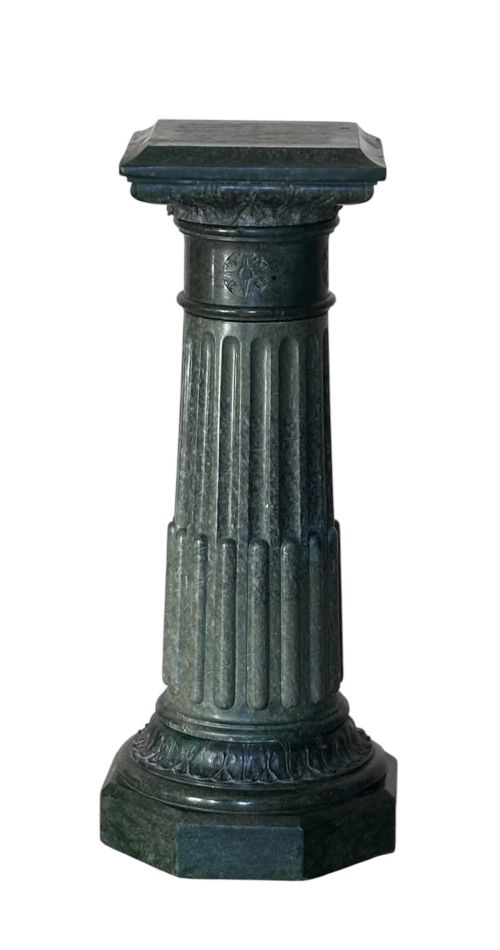
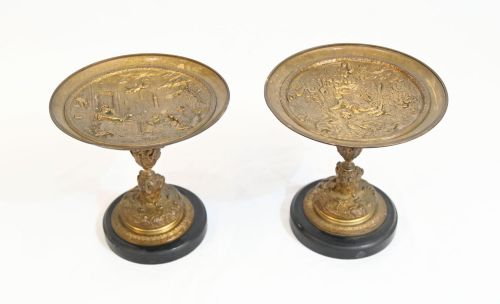
Buyers searching this phrase encounter cylindrical and fluted shafts fashioned from various mineral specimens, frequently paired with matching bronze or ormolu collars and bases.
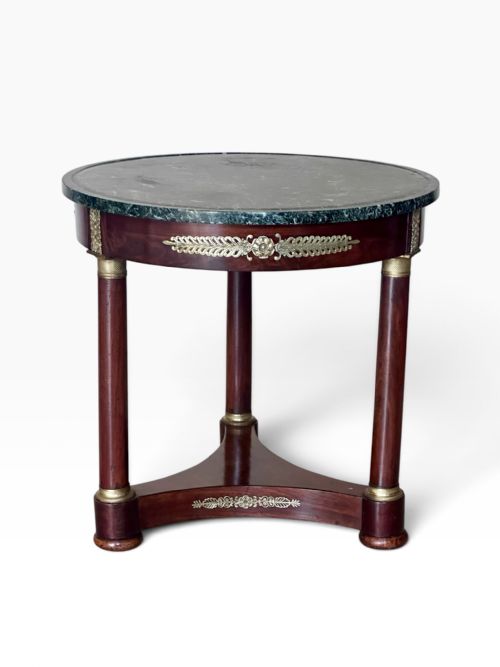
The prevalent styles span French Empire, Regency and Neoclassical Revival, manifesting as physical embodiments of Grand Tour taste and classical antiquity.
Materials and construction
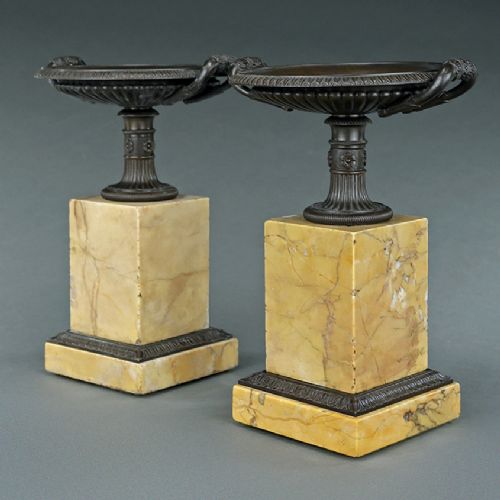
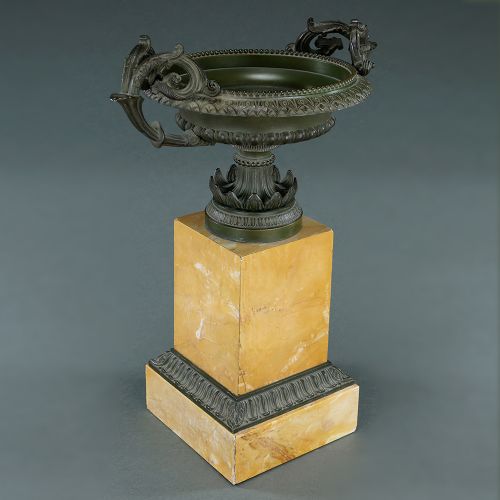
Makers utilised solid blocks and turned sections of natural stone including Carrara, Siena, Bardiglio, onyx and Verde Antico, sometimes employing scagliola or painted wood to simulate solid mineral forms.
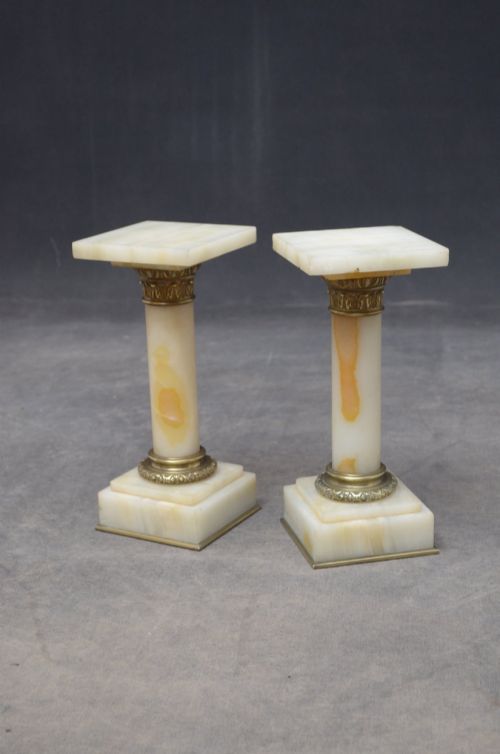
Cast bronze and fire-gilded ormolu mounts, collars and capitals were engineered to fit precisely around the stone shafts, anchored by internal metal rods that stabilise the heavy vertical columns.
Classical Marble Pedestal Retail Price Guide 2026
Typical asking prices for classical marble pedestal among the pieces listed under this phrase on Sellingantiques today, from the lower quarter to the upper quarter. They describe what is for sale here now, not the wider market.
Distinctions in standard
Execution of the metalwork defines the upper tier, where chased ormolu and crisply cast bronze elements demonstrate superior artisanal precision compared to simpler brass or unadorned mounts.
F. De Luca·Boschetti·Antonio Merente
The Classical Marble Pedestal Glossary
- Ormolu
- Gilt bronze mounted on decorative objects. This technique involves applying a mercury and gold amalgam to bronze before firing.
- Tazza
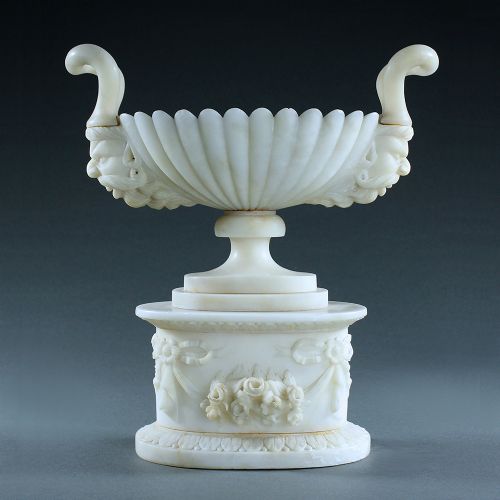
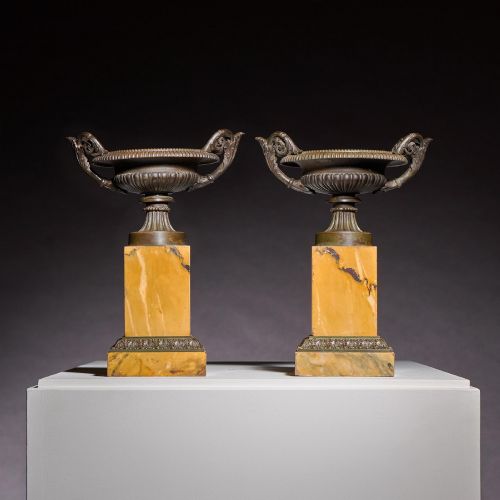
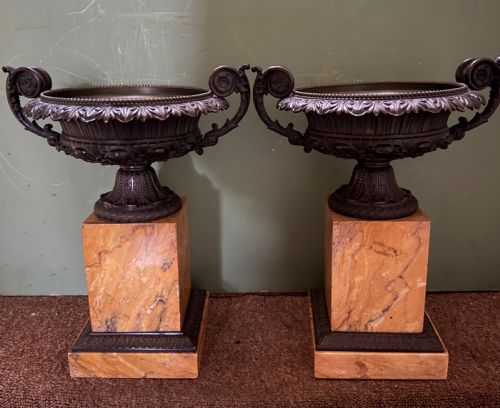
- A shallow bowl or vase raised on a stem and foot. These pieces frequently appear in bronze and marble upon pedestals.
- Scagliola
- A composite material made from selenite, glue and pigments. Artisans use it to imitate inlay and costly marbles.
- Verde Antico
- A dark green serpentine breccia marble. Ancient Romans and later revivalists prized this stone for columns.
- Grand Tour
- A cultural journey undertaken by European elites. Travellers collected antiquities and marble models to display at home.
Classical Marble Pedestal: Frequently Asked Questions
What held up a classical marble pedestal?
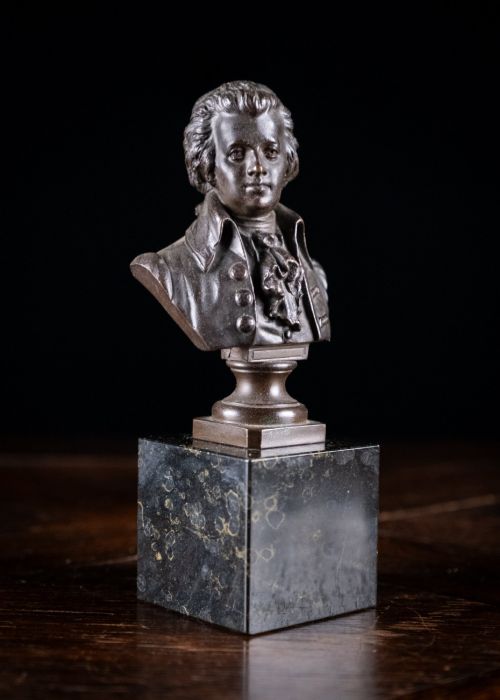
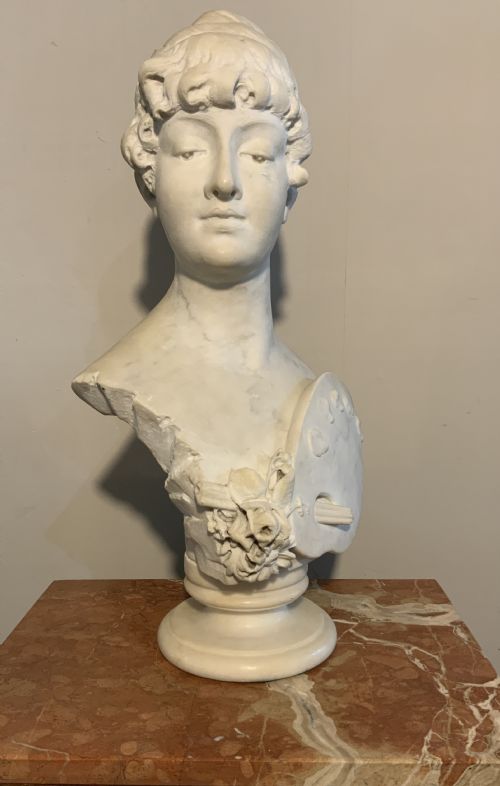
These columns and plinths support heavy decorative items such as bronze tazzas, marble busts, urns and sculptural figures.
They function as architectural furniture designed to elevate artistic works to eye level within a room.
How do I identify nineteenth century marble?
Nineteenth-century examples frequently exhibit specific geological varieties like Siena, Bardiglio, and Verde Antico alongside hand-turned stone shafts.
Examine the joints and internal fastening methods, as older iron or brass rods differ from modern industrial fixings.
Where should I place a pedestal?
These vertical supports suit corners, entrance halls or empty wall spaces where they can display sculptures or lamps safely.
Ensure the floor surface is level because the considerable weight of solid stone requires a stable foundation.
What is the Grand Tour connection?
Many nineteenth-century marble columns and bronze tazzas derive from items purchased by travellers visiting Italian antiquities.
These pieces reflect neoclassical taste and the widespread desire to bring classical architectural forms into domestic interiors.