

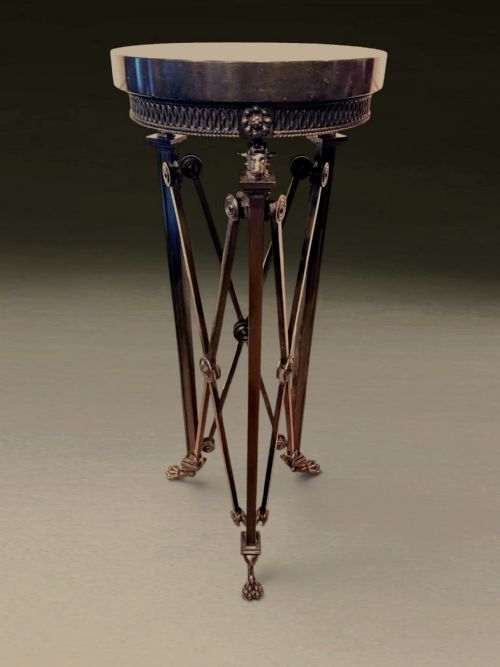
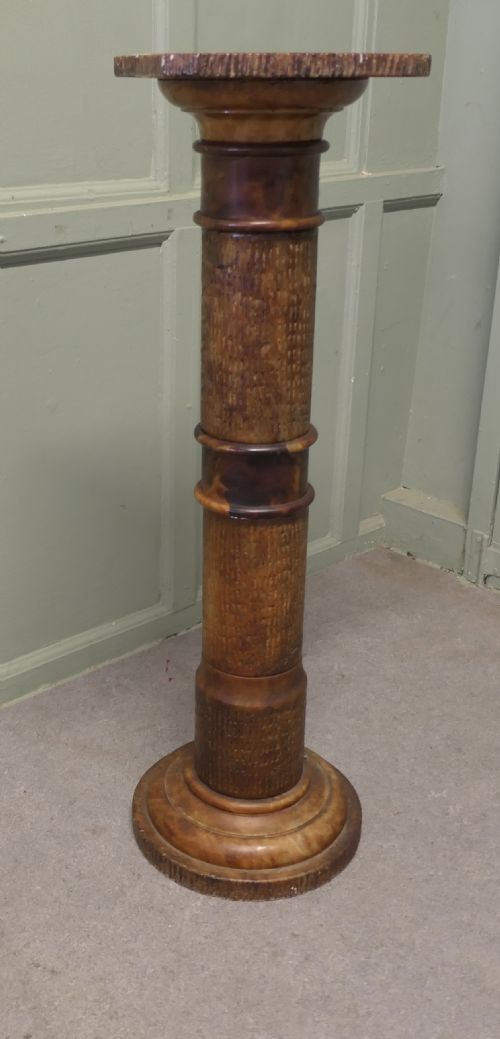
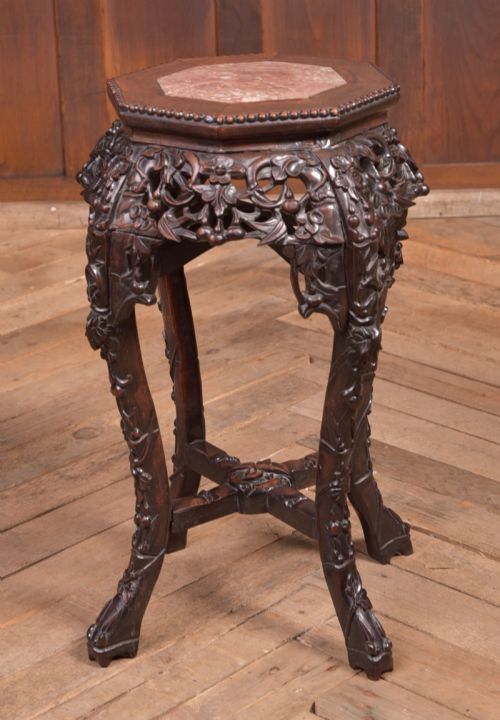

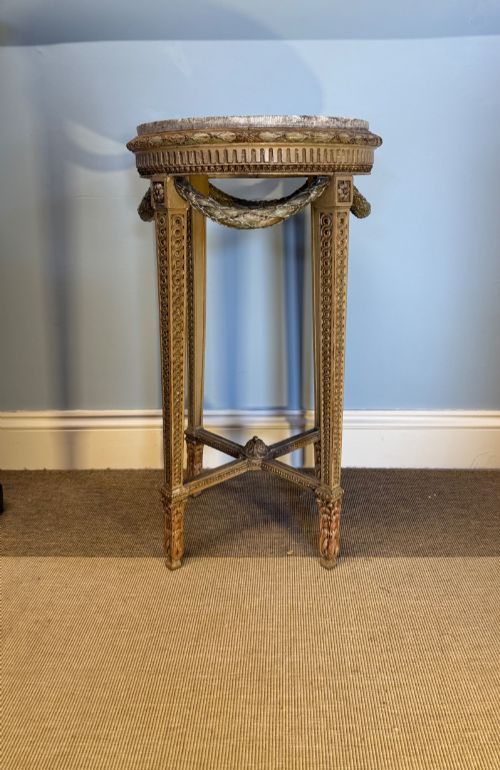
Marble Pedestal Stand
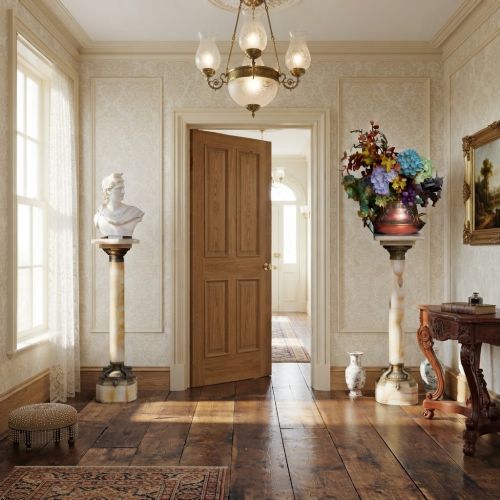
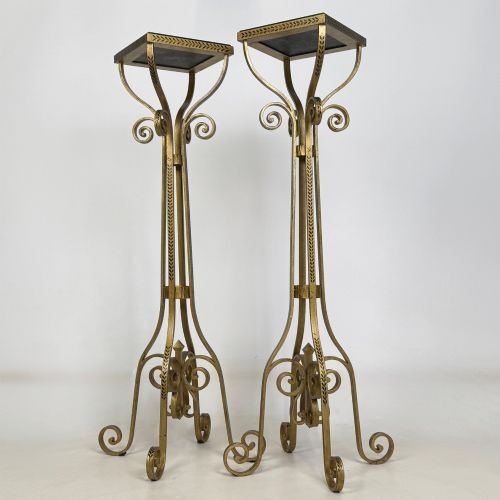
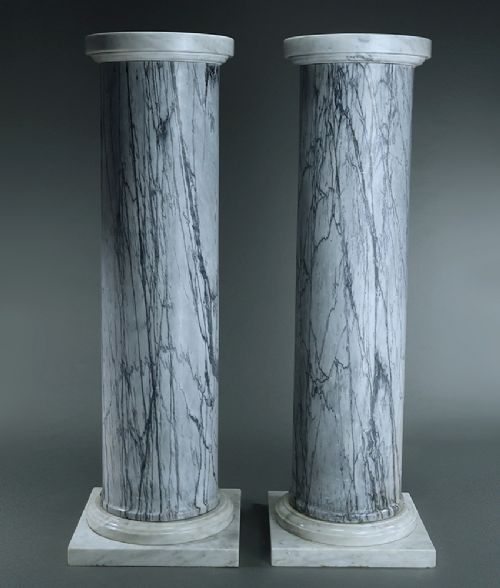
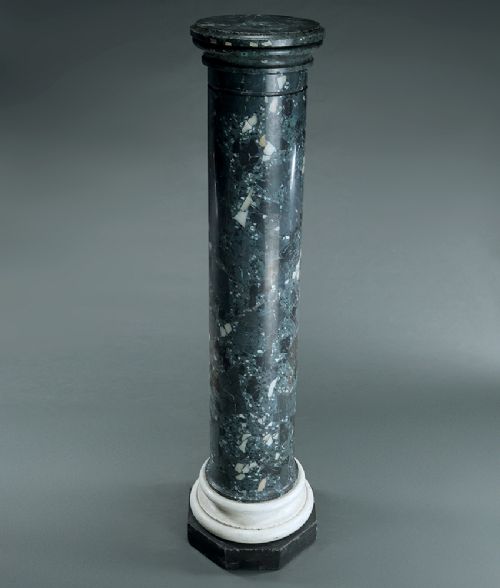
A marble pedestal stand elevates a sculpture or plant with classical proportion, bringing stone and metal into the room.
Marble Pedestal Stand
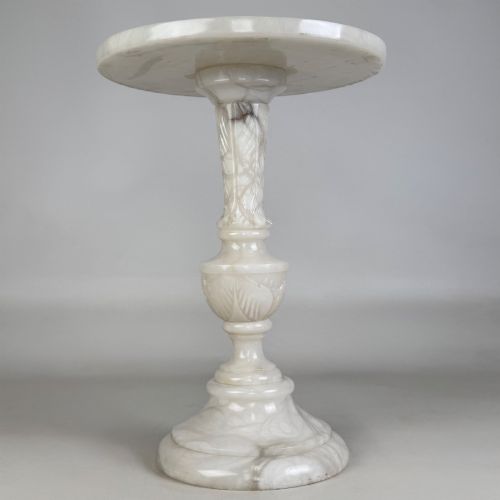
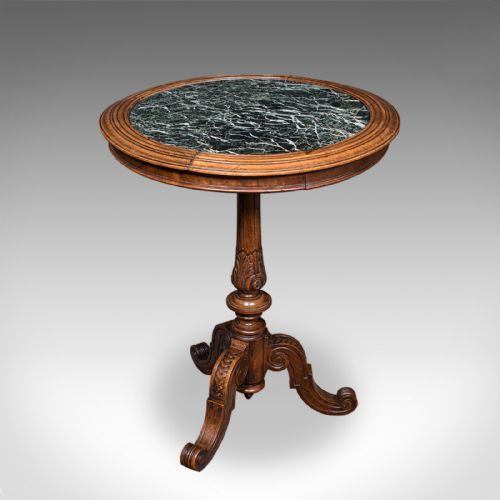
A marble pedestal stand functions primarily to elevate plants, vases, urns, or decorative figures within a room. When searching for a marble pedestal stand, a buyer encounters forms ranging from tall architectural columns to low occasional tables and plant stands.
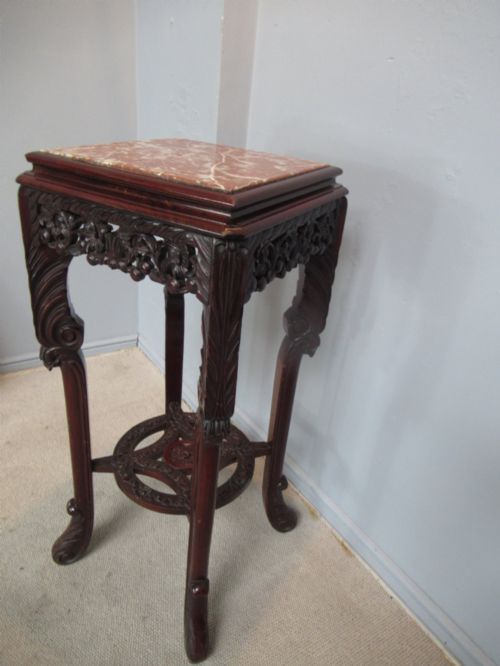
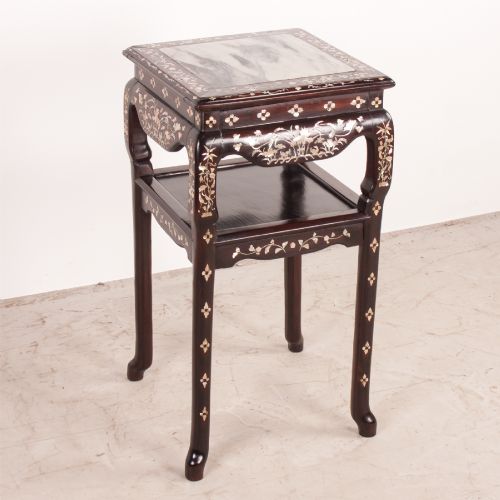
The material origins divide distinctly between European workshops and Chinese export traditions. European examples frequently draw upon Neoclassical, Victorian, or French Louis styles, while Chinese examples utilise carved hardwoods inset with stone tops.
The surviving pieces span the nineteenth century into the twentieth century, recording both formal classical revivals and domestic plant holders. Buyers meet these objects as single columns, matched pairs, or low tables designed for specific display purposes.
Materials and Construction
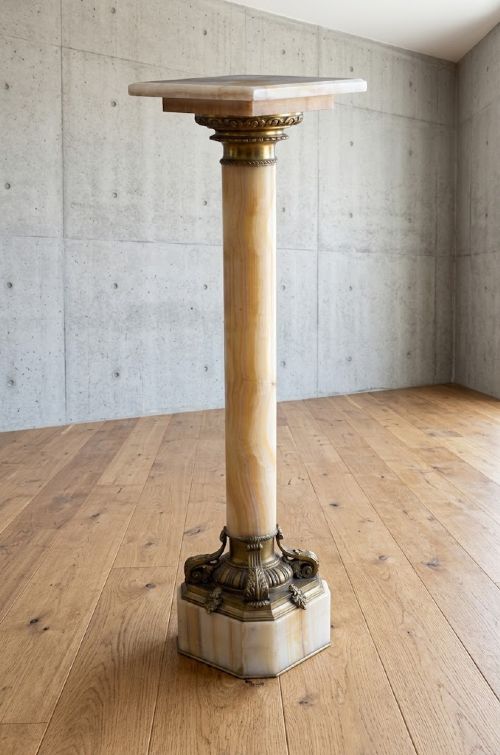
The construction combines solid natural stones with structural supports in timber, bronze, or brass. Masons shaped marble, onyx, bardiglio, carrara, and verd antique into cylindrical columns or square tops, occasionally employing scagliola or faux paint finishes.
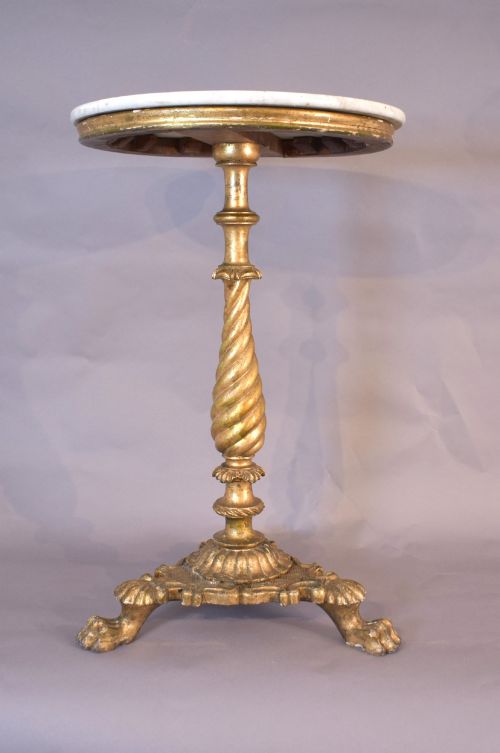
Metal mounts in ormolu, chiseled brass, and gilded bronze secure the stone sections and provide decorative collars or feet. Workshops joined these elements to hardwood frames in mahogany, walnut, rosewood, kingwood, padouk, and gilt wood, sometimes adding mother of pearl inlay.
The listings combine nineteenth-century Victorian pieces with twentieth-century Edwardian and Art Deco examples, alongside Chinese export stands in hardwood and marble.
Assessing Quality
Quality rests upon the selection and integration of the stone and metal components. Superior pieces feature dense, highly figured marbles or onyx matched precisely to crisply cast ormolu collars and solid hardwood or gilded frames.
Hand carving depth and structural precision dictate the grade of the piece. Deeply carved wood, stable joints, and heavy, genuine stone columns represent the upper tier of production, distinguishing them from lighter decorative substitutes.
The Marble Pedestal Stand Glossary
- Ormolu
- Gilded bronze mounts applied to furniture and decorative objects. This technique was widely utilised in French workshops during the nineteenth century.
- Scagliola
- A composite material made from pigmented selenite, glue, and plaster, applied to mimic natural stone. It allows artisans to create convincing faux marble columns.
- Jardiniere
- A decorative pot or stand designed to hold plants and flowers. These stands often incorporate waterproof stone or tile tops.
- Bardiglio
- A bluish-grey Italian marble with dark grey or white veins. It appears frequently in nineteenth-century architectural columns.
Marble Pedestal Stand: Frequently Asked Questions
How do I distinguish French and Chinese stands?
French stands typically feature Neoclassical or Louis revival styles with ormolu mounts, mahogany, or gilt wood frames. The stone tops are often supported by classical columns or fluted wooden pedestals.
Chinese stands rely on dense hardwoods such as padouk and utilise intricate pierced carving. They frequently house inset marble panels without European bronze mounts.
How do I care for a marble top?
Marble requires gentle cleaning with a damp cloth and neutral soap to preserve the polished surface. Acidic liquids such as wine or citrus etch the stone and must be wiped away immediately.
Polishing pastes designed for natural stone help maintain the original sheen. Avoid placing unpadded heavy objects directly on the marble edge to prevent chipping.
Are these pieces stable enough for heavy plants?
Most antique stands were engineered to support heavy stone urns, large plants, or bronze sculptures. Their heavy marble bases lower the centre of gravity for added stability.
However, buyers should check the joints where the column meets the base and top. Uneven floors may require subtle shimming beneath the base to ensure complete balance.