



Carved Marble Pedestal
These carved marble pedestal pieces unite solid stone surfaces with timber or gilt bases for display.
Carved Marble Pedestal
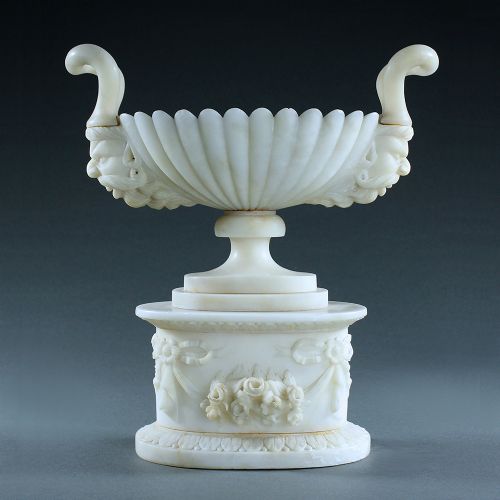
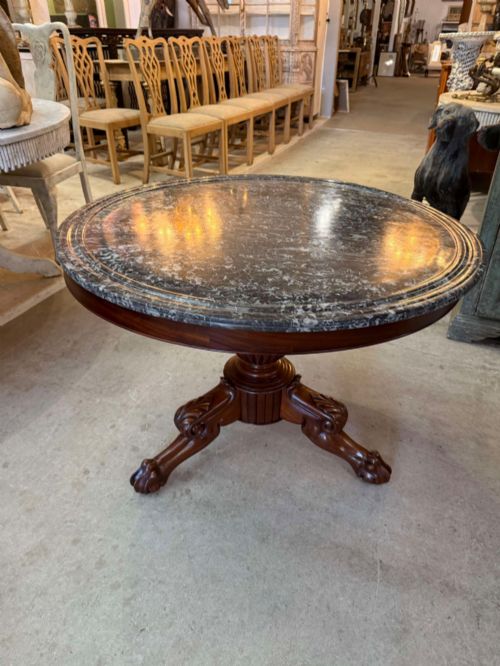
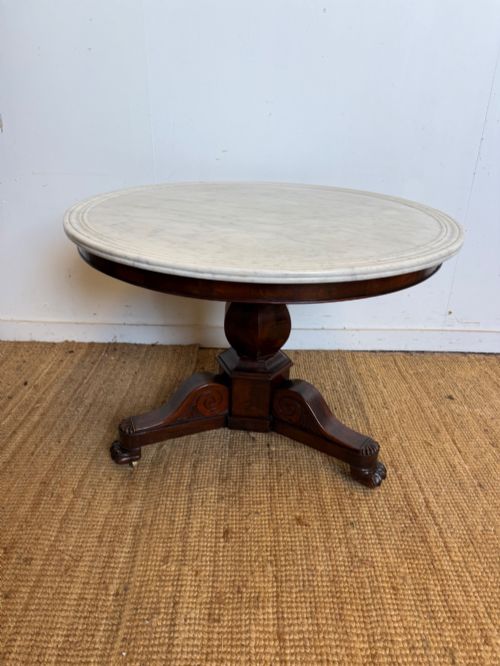
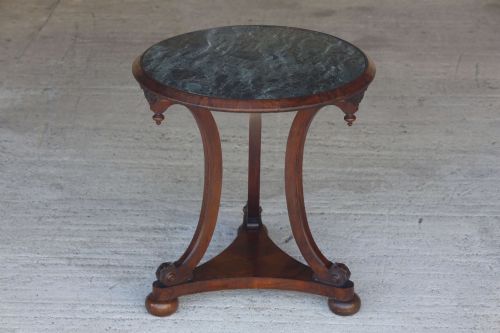
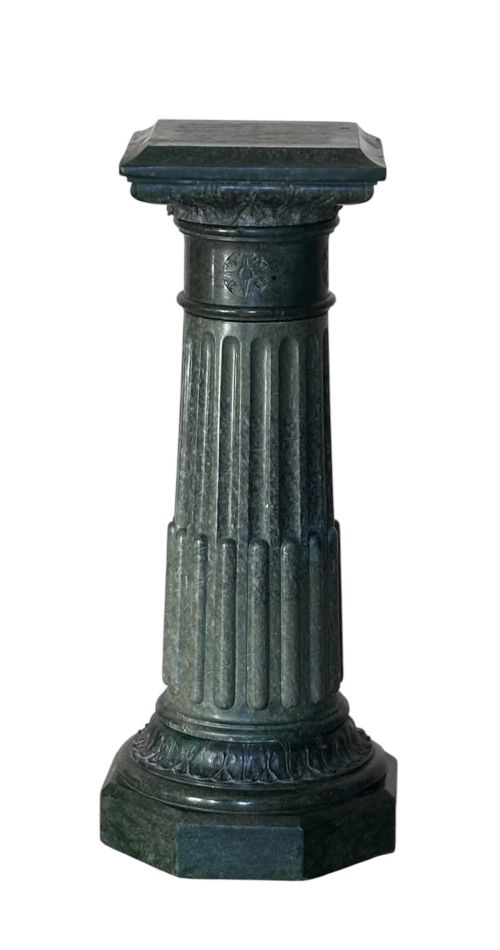
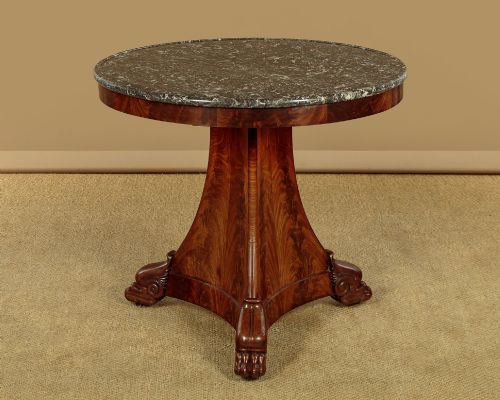
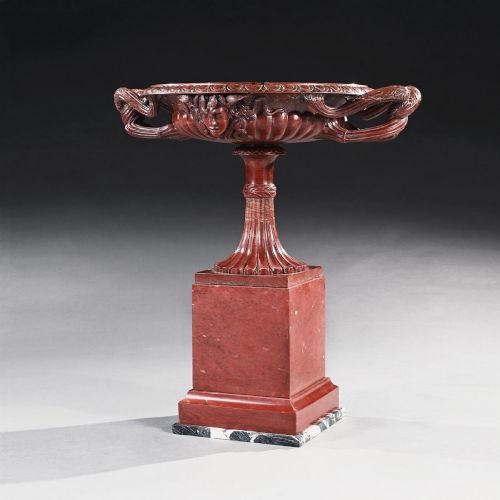
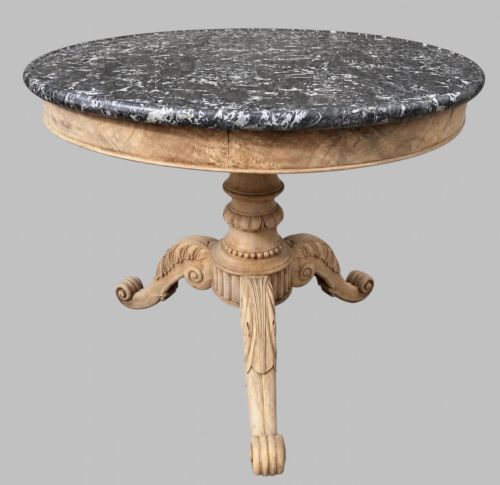
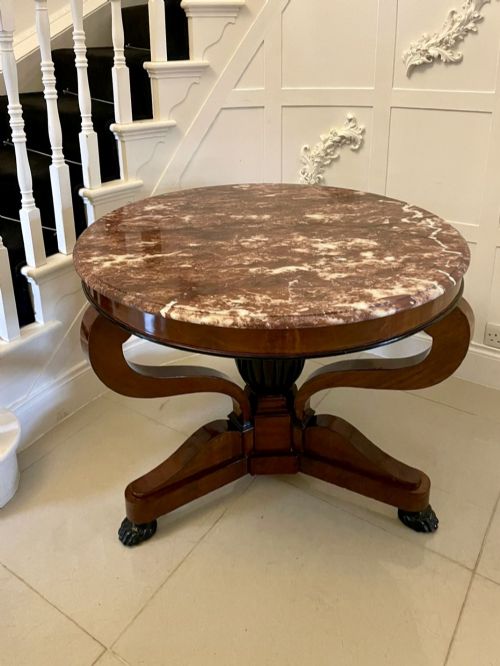
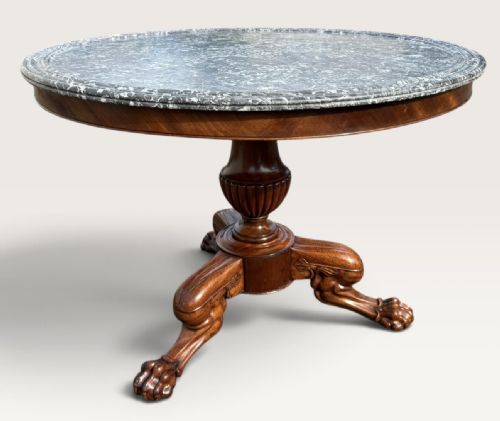
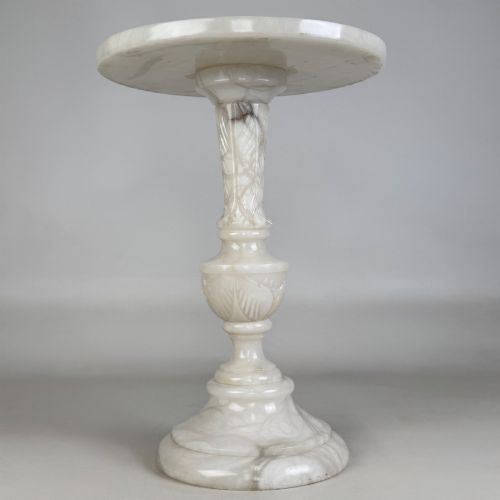
A carved marble pedestal brings a firm display surface into a room, often taking the form of a gueridon table, plant stand, or column. You will frequently encounter French and Chinese examples here, alongside Italian Grand Tour works.
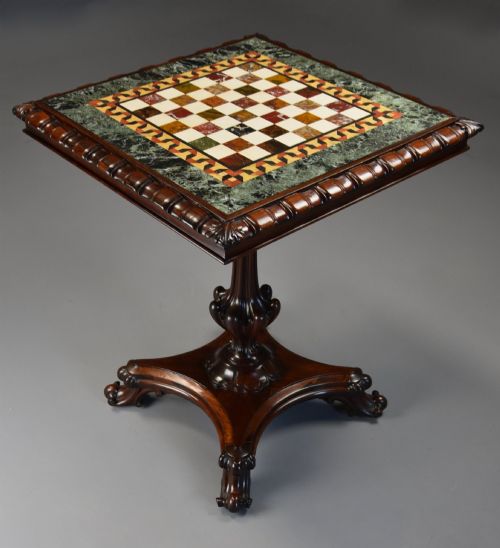
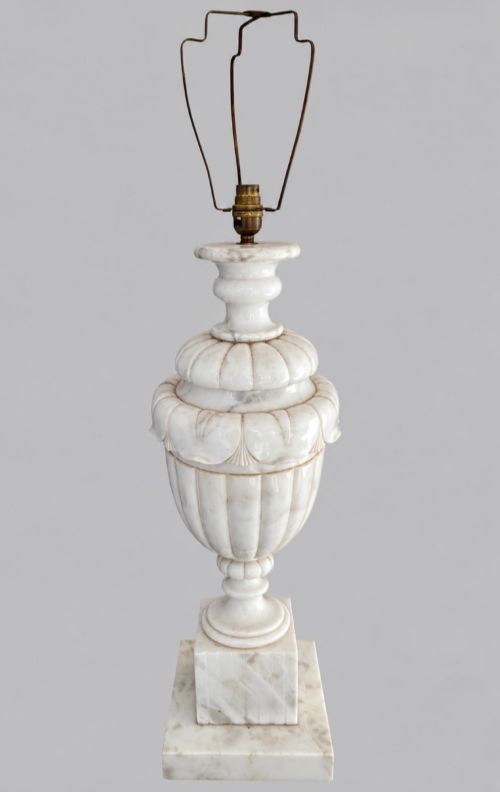
The objects span the nineteenth century and the early twentieth century, utilising stones like Carrara, serpentine, and Rosso Antico.
Makers paired these stone tops with mahogany, walnut, and carved wood to support sculptures, bowls, and vases.
How they were made
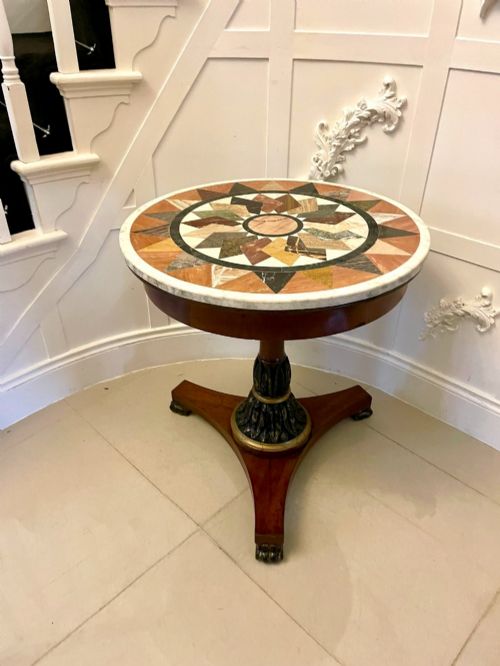
Masons shaped heavy marble slabs into circular or geometric tops, bedding them onto timber frames made from mahogany, walnut, and hardwoods. Turners and carvers shaped the pedestals and tripod bases, applying giltwood or brass accents where design required.
Inlaid elements, such as mother of pearl and specialised stone specimens, demonstrate the precise stone-cutting and cabinet-making skills of nineteenth-century workshops.
Carved Marble Pedestal Retail Price Guide 2026
Typical asking prices for carved marble pedestal among the pieces listed under this phrase on Sellingantiques today, from the lower quarter to the upper quarter. They describe what is for sale here now, not the wider market.
Several columns originated on fairgrounds rather than in drawing rooms, carrying cheerful historic paint beneath their classical forms.
What varies in quality
Quality rests in the figure of the marble and the sharpness of the carving on the base. A heavier, well-veined stone paired with dense timber demonstrates superior workshop output.
Proportion and stability separate standard utility items from finely balanced display stands intended for sculpture or urns.
Benedetto Boschetti
The Carved Marble Pedestal Glossary
- Gueridon
- A small circular table on a single central column or tripod base. Originating in seventeenth-century France, these pieces frequently carry marble tops.
- Grand Tour
- A nineteenth-century journey through Europe undertaken by travellers who collected small-scale marbles, bronzes, and tazze as souvenirs.
- Tazza
- A shallow ornamental cup or vase set upon a stem and foot. Italian makers carved these from coloured marbles during the nineteenth century.
- Carrara
- A white or blue-grey marble quarried in the city of Carrara in Tuscany. It appears widely across European tables and busts.
Carved Marble Pedestal: Frequently Asked Questions
How were marble pedestals used historically?
These pieces served primarily as display surfaces for sculpture, clocks, and decorative vases within reception rooms and halls.
Their solid stone tops provided a stable, heat-resistant platform that could support heavy objects without marking.
What woods accompany the marble tops?
Makers utilised mahogany, walnut, and exotic hardwoods for the structural columns and bases.
French examples frequently employ bleached walnut or flame mahogany, while Asian stands rely on dense native hardwoods.
How do I identify a Grand Tour piece?
Grand Tour items typically feature classical architectural forms, such as tazze or columns, carved from specific regional Italian marbles.
They often sit upon dedicated slate or black marble bases, reflecting the souvenir trade of the nineteenth century.
Where should I place a pedestal in a room?
These stands function effectively as freestanding accents in corners or hallways to elevate statues and plants.
Ensure the floor is level to support the combined weight of the stone top and wooden base safely.