

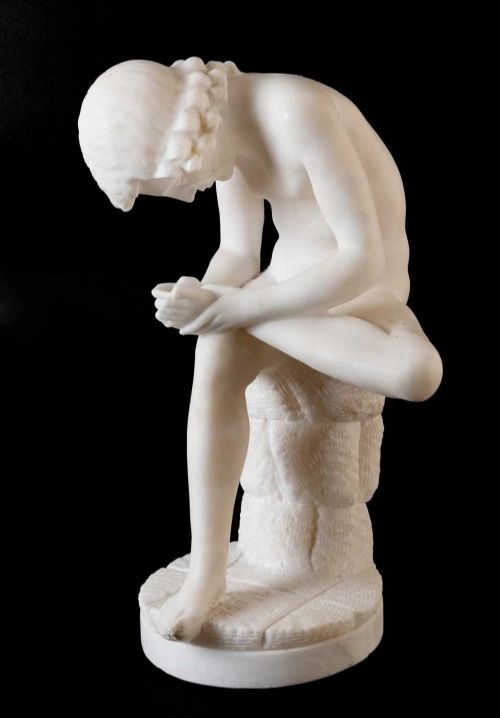

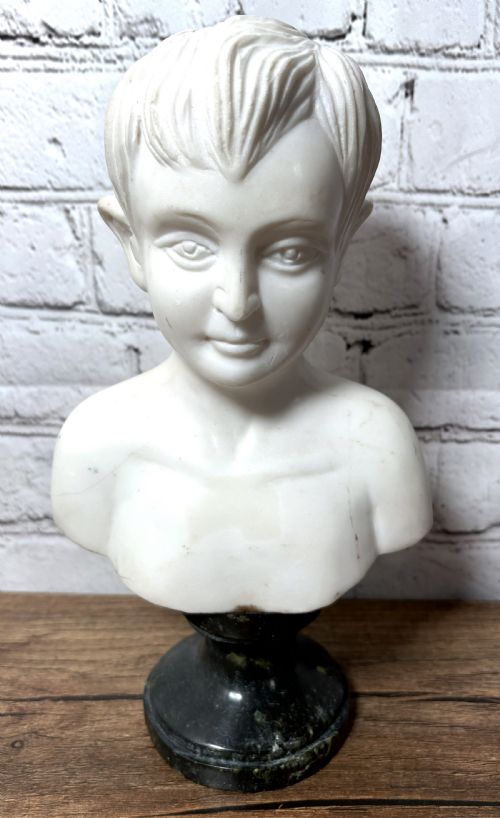

Carved Alabaster Statue
A carved alabaster statue brings the soft, luminous quality of translucent stone into a room, capturing classical figures and intimate portraits from the nineteenth and early twentieth centuries.
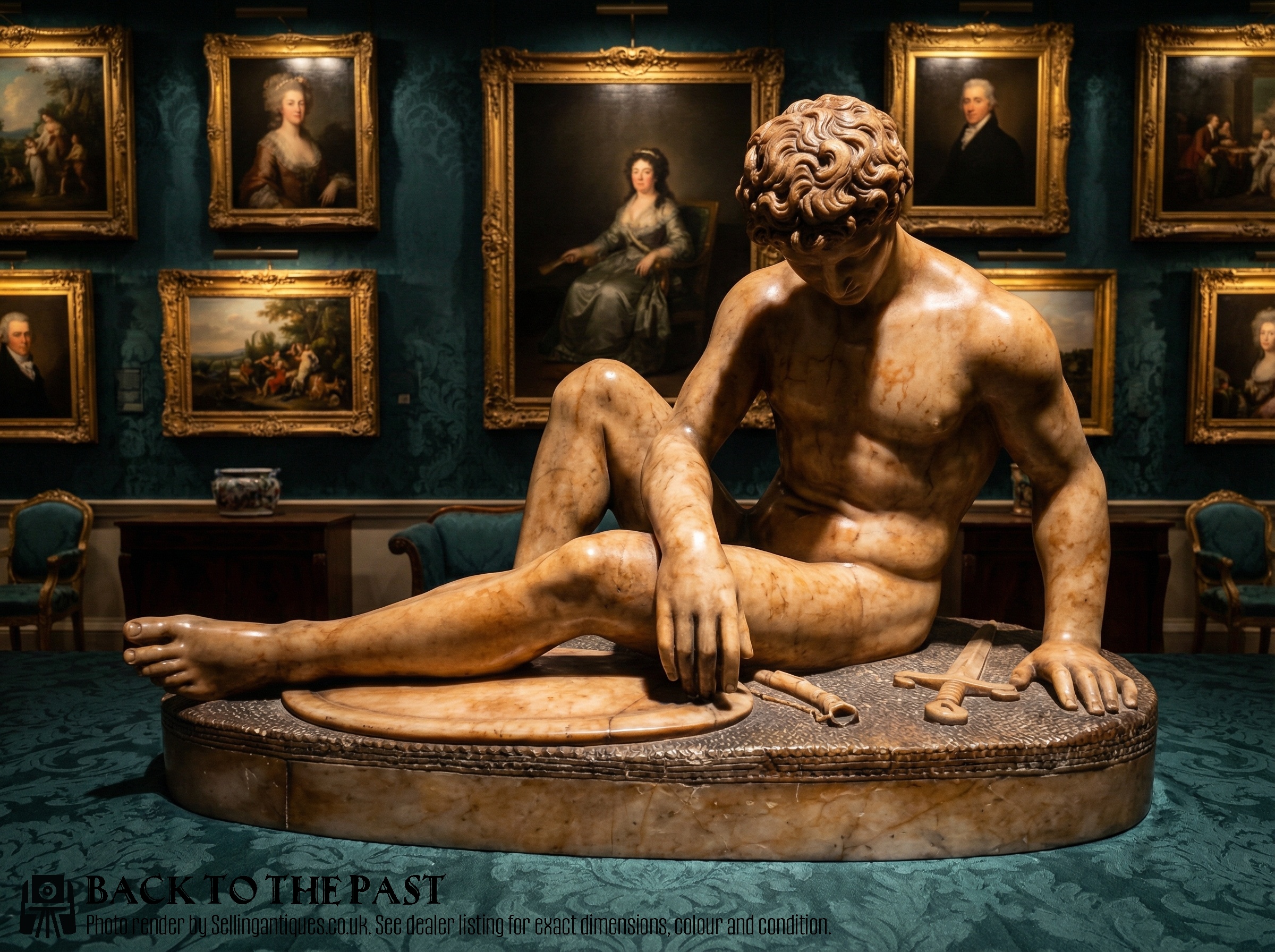
Carved Alabaster Statue
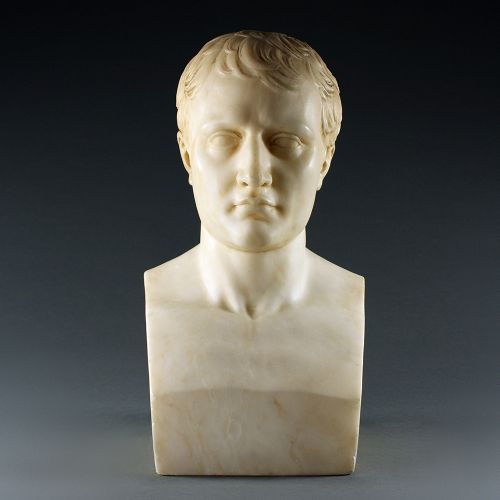
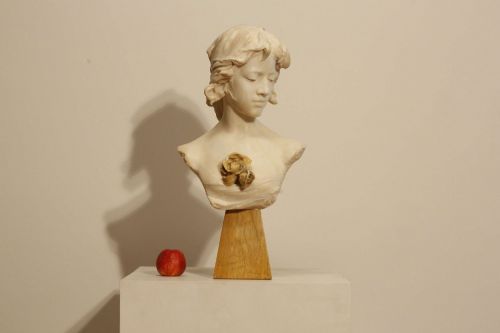
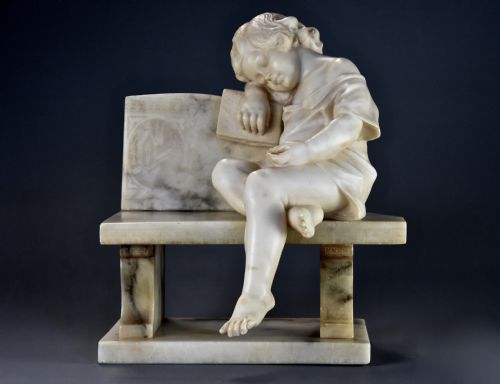
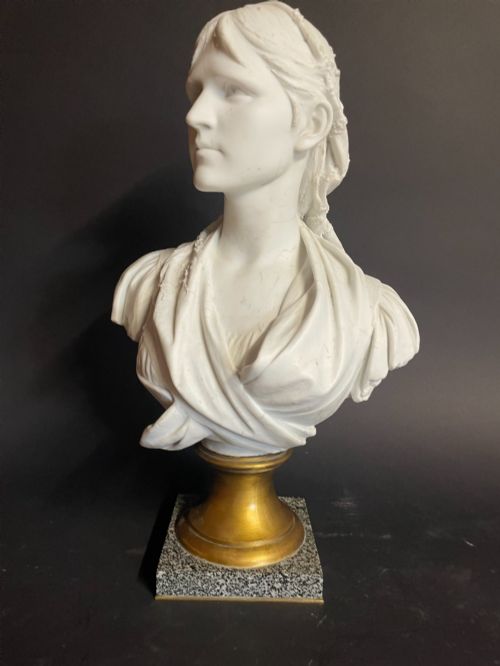
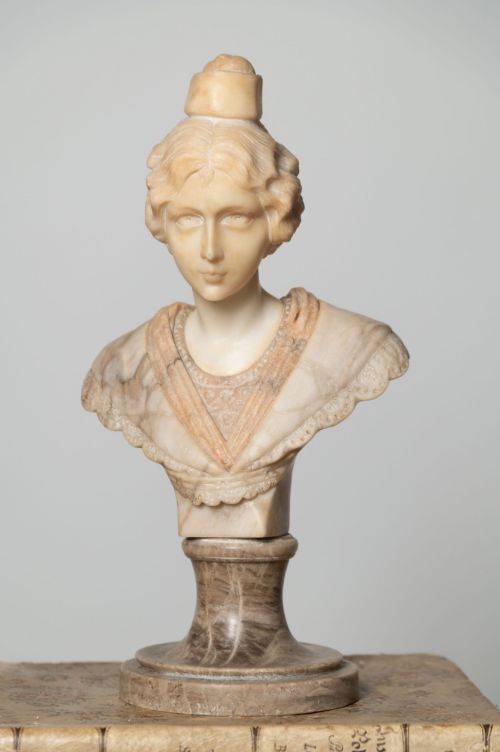
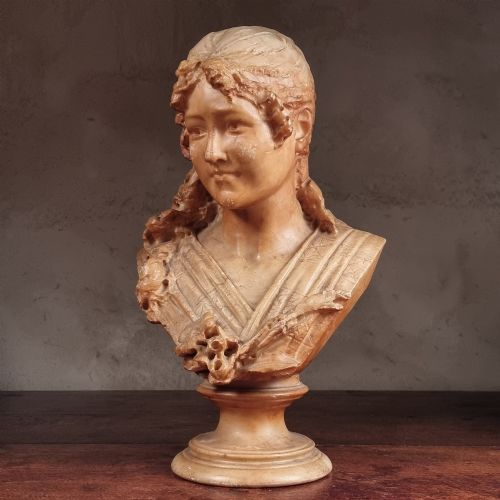
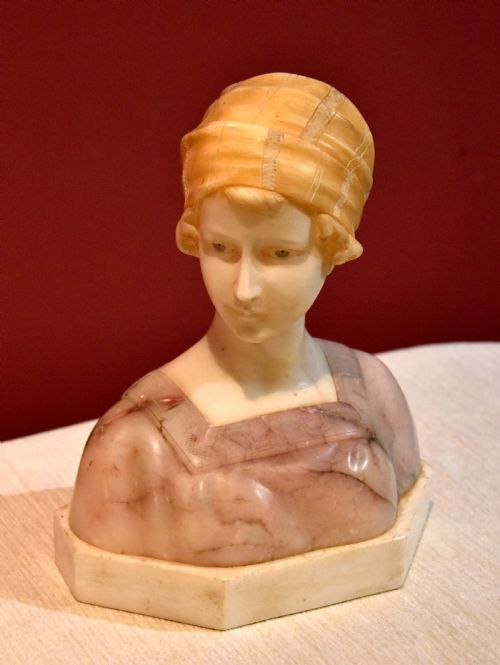
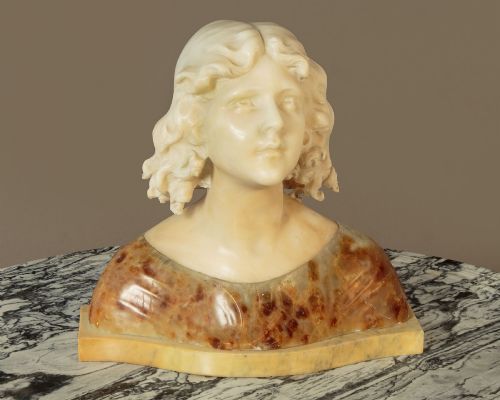
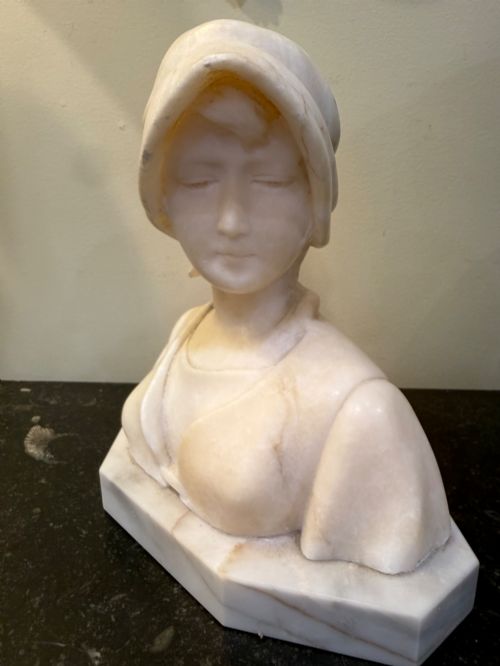
A carved alabaster statue typically takes the form of portrait busts, mythological figures, and figurative studies created across the nineteenth century and into the early twentieth century. These pieces range from grand Italian workshop productions to delicate French and Arts and Crafts examples depicting women, animals, and classical subjects.
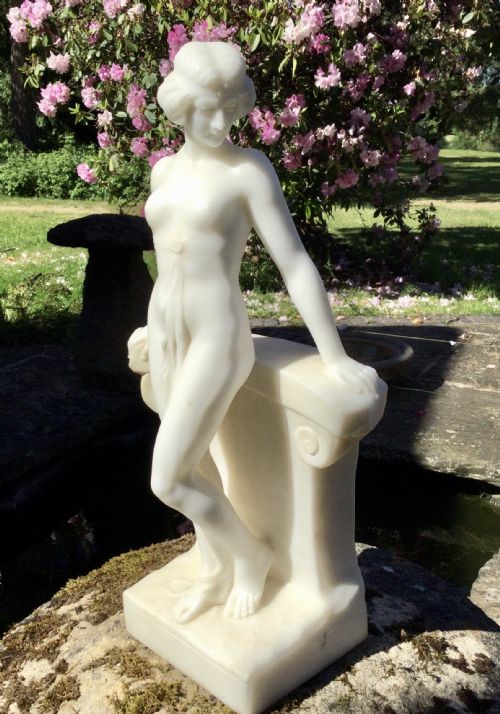
The most common versions met on this page are female portrait busts and allegorical figures dating from around eighteen-ninety to nineteen-ten. These sculptures frequently draw upon Neoclassical, Art Nouveau, and Art Deco aesthetics, reflecting the decorative tastes of their respective periods.
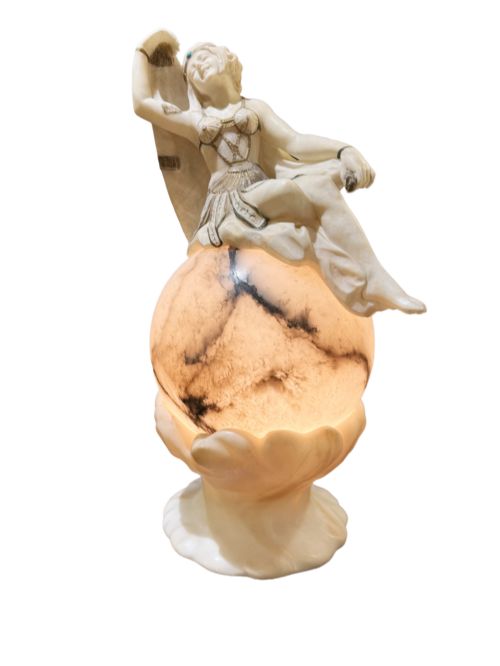
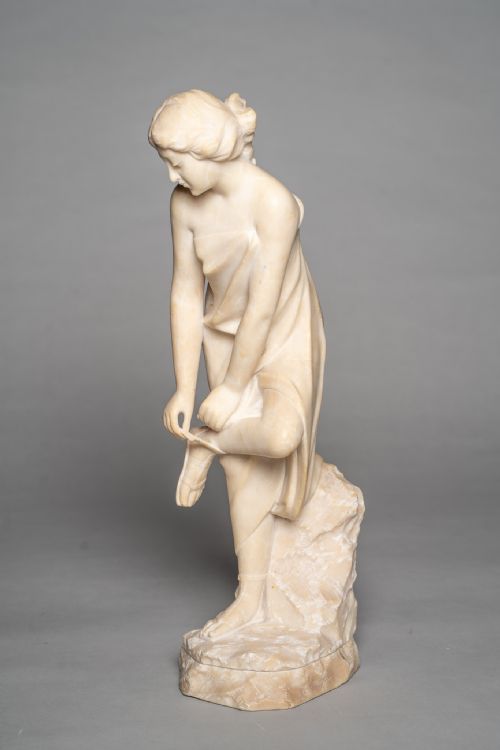
Subjects stretch from classical deities like Diana and Hestia to literary and genre studies, including young women bathing, dancers, and historical subjects such as the Spinario. Buyers encounter both standalone sculptures and figural table lamps that integrate the stone with metal bases.
Evaluating Alabaster Sculpture
The presence of a recognised signature from a notable nineteenth or twentieth-century sculptor elevates a piece, as does the ambition of the subject matter, such as multi-figure groups or complex allegorical compositions compared to standard portrait busts.
Carved Alabaster Statue Retail Price Guide 2026
Typical asking prices for carved alabaster statue among the pieces listed under this phrase on Sellingantiques today, from the lower quarter to the upper quarter. They describe what is for sale here now, not the wider market.
Materials represented include white marble, veined Carrara marble, Derbyshire alabaster, metal, brass, and ormolu.
A. Gamay·Auguste Henri Carli·Bright And Sons·Fritz Kochendorfer·Mieczyslaw Leon Zawiejski·Gugielmo Pugi·Cipriani
The Carved Alabaster Statue Glossary
- Alabaster
- A fine-grained, translucent stone that is softer than marble, making it popular for detailed figurative carving. Its natural translucency allows light to penetrate the surface.
- Portrait Bust
- A sculpture depicting a person's head, shoulders, and upper chest. These were widely produced in the nineteenth century to honour family members or portray idealised beauties.
- Grand Tour
- A cultural journey undertaken by wealthy young Europeans visiting historical sites in Italy, which inspired the production of small marble and alabaster sculptures.
- Neoclassical
- A style spanning the eighteenth and nineteenth centuries that drew inspiration from the classical art and culture of ancient Greece and Rome.
Carved Alabaster Statue: Frequently Asked Questions
How do I clean an alabaster statue?
Alabaster is a soft and water-soluble stone that requires dry dusting with a soft brush rather than liquid cleaners. Moisture can permanently stain or dissolve the polished surface.
Avoid placing these statues in areas with high humidity or direct sunlight, which can dull the delicate finish over time.
Where should I display an alabaster bust?
These sculptures suit stable, level surfaces such as mantelpieces, sideboards, or dedicated pedestals where they receive gentle, indirect light. Because the stone is relatively soft, position them away from heavy foot traffic.
Pairing a bust with subtle lighting allows the translucent qualities of the alabaster to glow effectively in an interior space.
How do I date a carved alabaster figure?
Dating relies upon stylistic markers such as the flowing organic lines of Art Nouveau pieces or the geometric styling of Art Deco examples. Signature formats, clothing details, and hair fashions also provide clues to the era of manufacture.
Comparing the execution with documented works by known European sculptors from the nineteenth and early twentieth centuries helps narrow down the production period.