
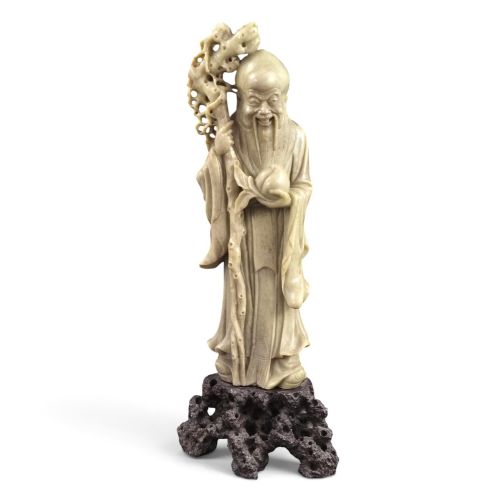
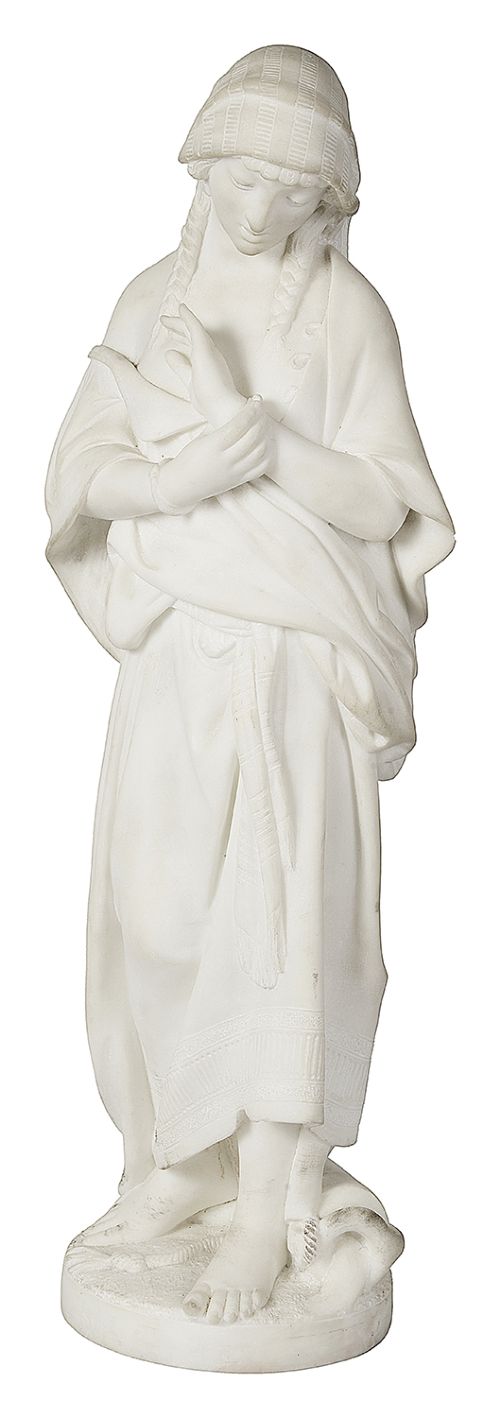
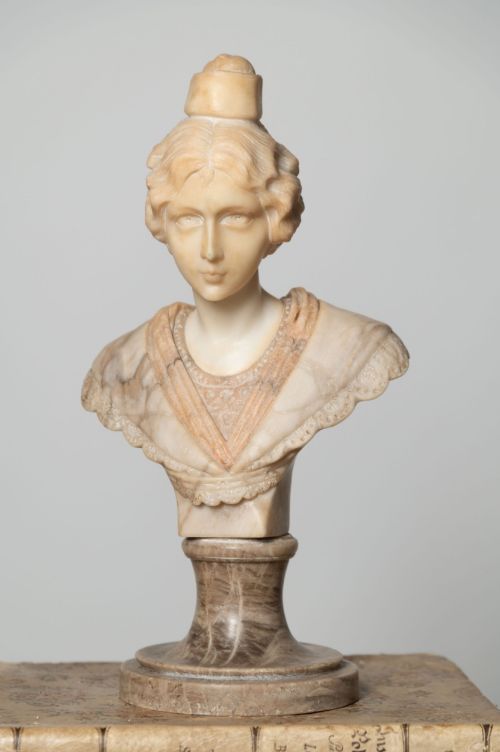
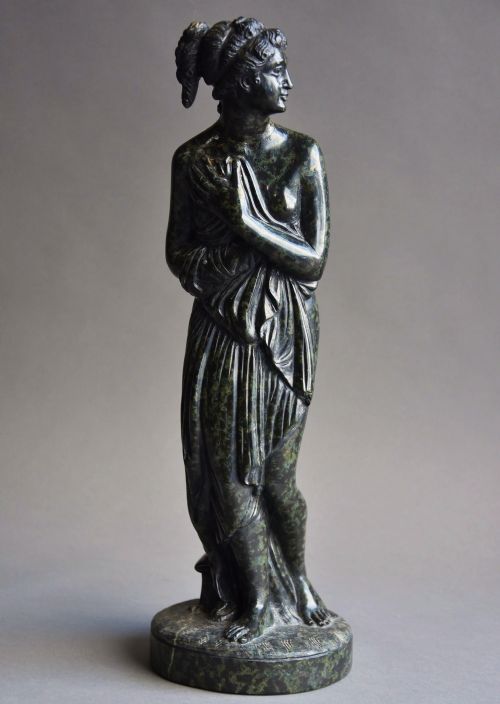

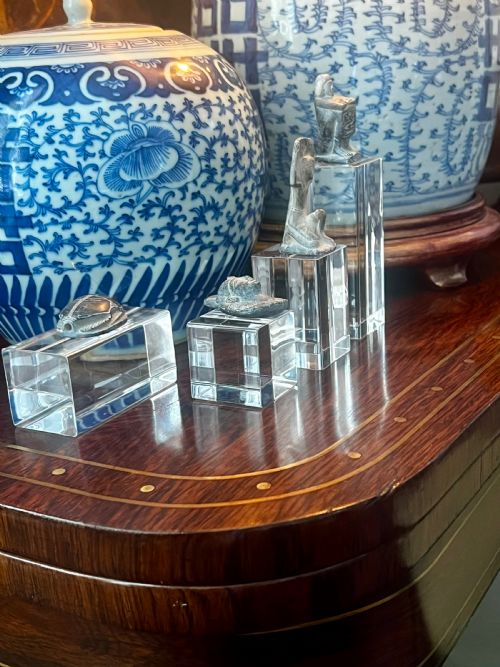
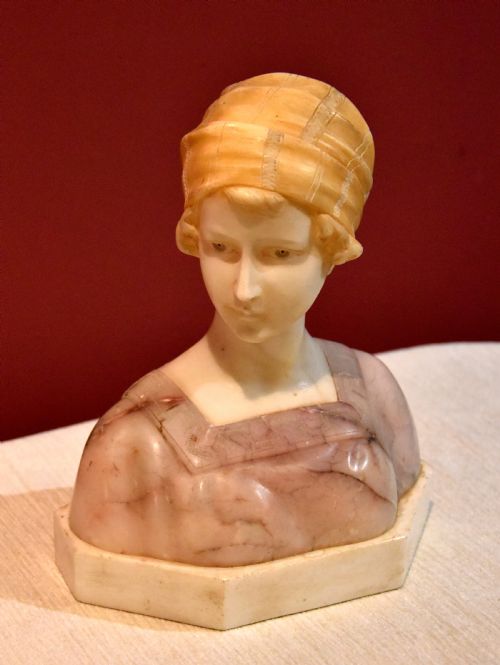
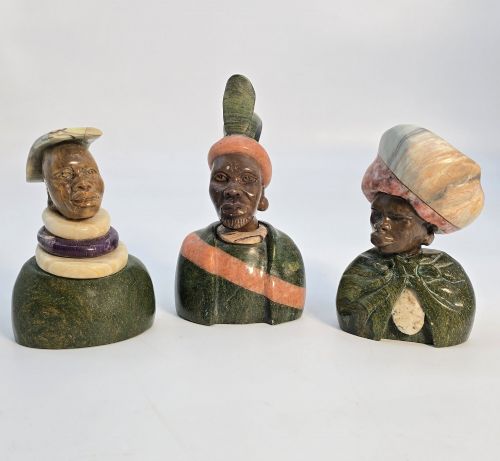
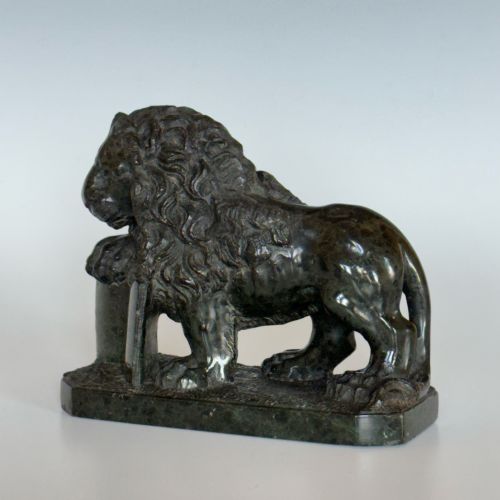





Carved Stone Figurine
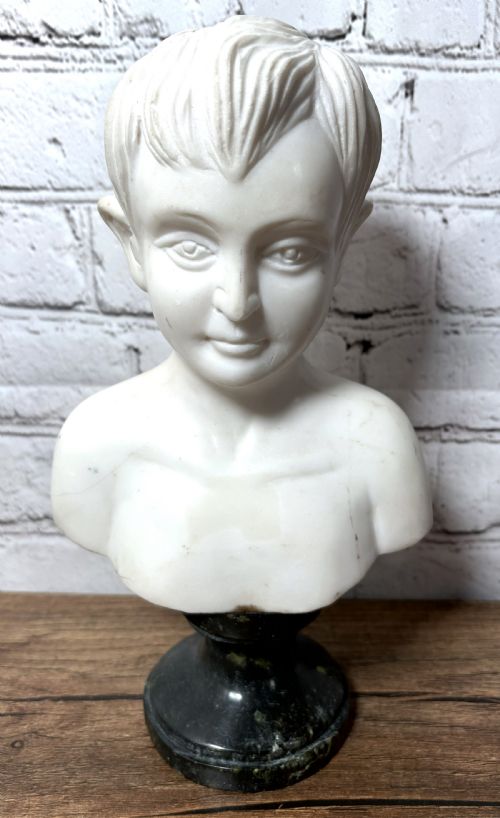
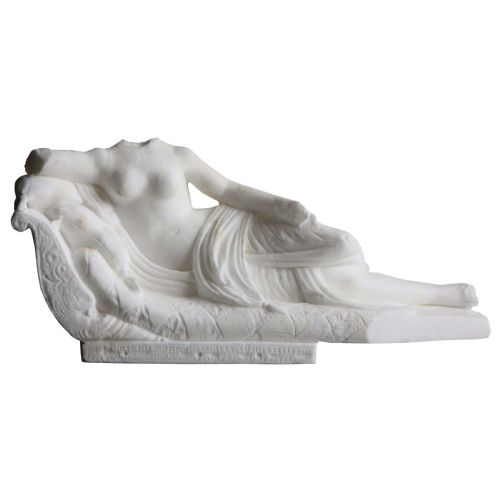
These carved stone figurine pieces bring classical form and substantial weight to a room, offering tactile presence through alabaster and marble.
What carved stone figurine pieces are
A carved stone figurine represents sculptural work shaped from materials such as alabaster and marble, taking the form of figures, busts, and statues. These items span periods from the 17th century through the 19th century and into 1910.
Buyers browsing for a carved stone figurine will frequently encounter Victorian and Neoclassical interpretations, alongside Italian Grand Tour pieces and French 19th century works. Subjects range from classical philosophers and young girls to female figures playing lyres.
The objects listed display diverse origins, including Italian workshops and French studios. Forms include single statues and sculpted busts, reflecting historical styles such as Baroque and Neoclassical Revival.

How they were made
Makers utilised stone, marble, white marble, and alabaster as primary materials for these sculptures. The physical substance requires careful chiselling and smoothing to achieve the desired human form and drapery.
Surface finishing involves detailed carving to define facial expressions, hair, and clothing such as the lyre player's garments. Signatures and titles are sometimes inscribed directly into the stone base or support.
Retail Price Guide 2026
Typical UK retail prices for carved stone figurine, calculated from the Sellingantiques database of over a million retail prices indexed since 2003. This retail price guide relies exclusively on Sellingantiques data; no external sources or auction records are used, so the figures do not describe the wider market.
A young girl holding flowers shares shelf space with a philosopher and a lyre player.
What varies in quality
The depth of historical narrative and provenance influences the character of each piece, from early Roman philosopher depictions to signed Italian and French studio works.
Pugi·R Lusili
The Carved Stone Figurine Glossary
- Alabaster
- A fine-grained, translucent stone frequently utilised for Victorian and continental sculpture. Its softness allows for delicate carving of facial details and drapery.
- Neoclassical
- A style inspired by classical antiquity, prevalent in 19th-century statues and busts. It emphasises restrained emotion and classical subject matter.
- Grand Tour
- A traditional trip through Europe undertaken by upper-class young men, acquiring art and statues such as Italian marble figures. These serve as tangible records of historical travel.
- Bust
- A sculpted representation of a person from the chest up. This format focuses attention on the facial expression and shoulder draping.
Frequently Asked Questions
What periods do these stone sculptures cover?
The available selection spans from the 17th century through the 19th century, including Victorian examples and pieces dated around 1910.
Earlier items include early marble figures of philosophers, while later works encompass French and Italian stylistic interpretations.
What materials are used in these figures?
Sculptures in this category are fashioned from stone, marble, white marble, and alabaster.
Alabaster provides a translucent quality suited to softer sculptural details, while marble offers a dense, durable medium for classical statues and busts.
Where were these carved figures made?
Origin locations include Italy and France, reflecting continental sculpture traditions and the Grand Tour influence.
Signed works by specific makers indicate professional studio production in these regions.
How do I display a stone statue at home?
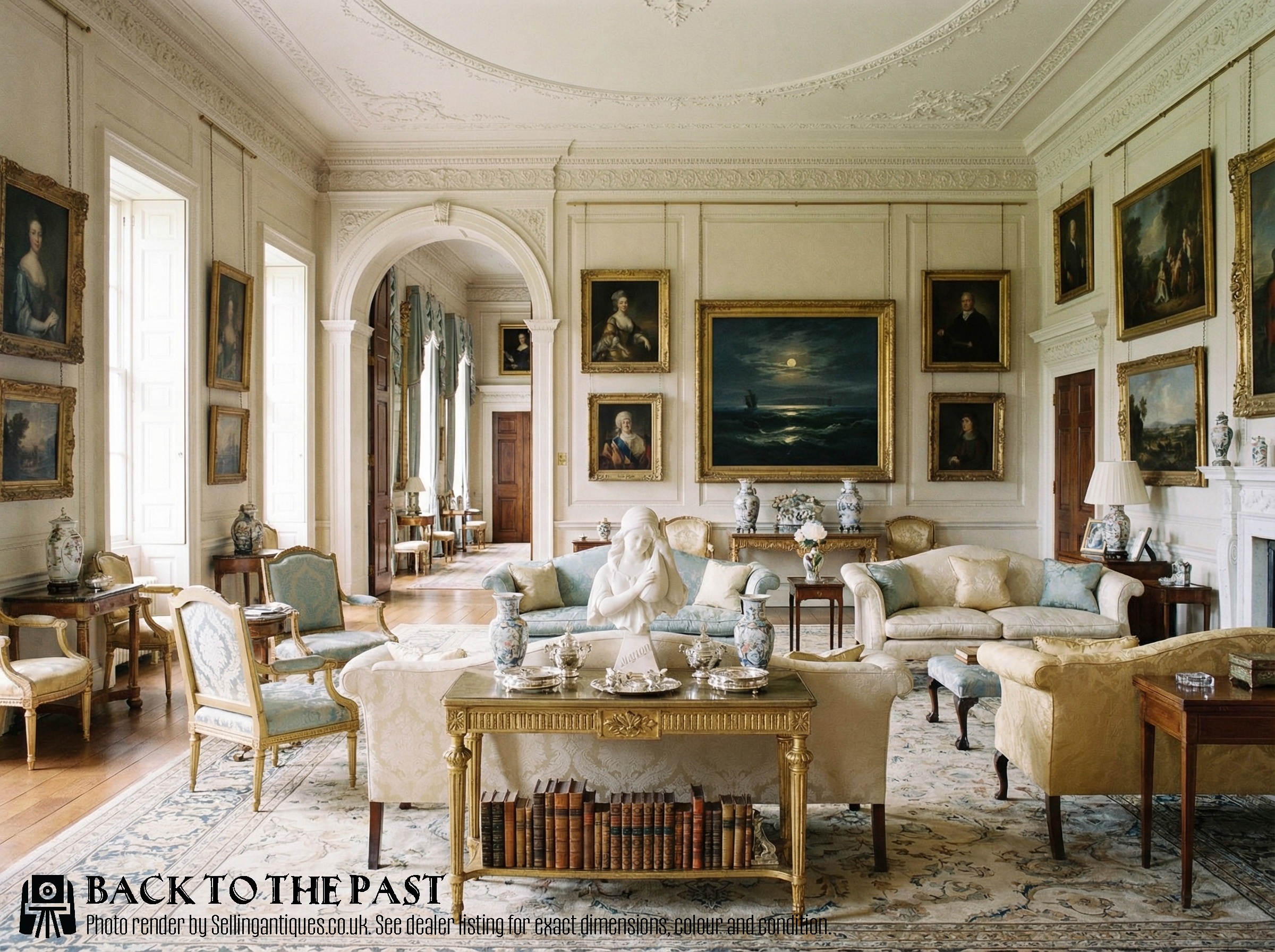
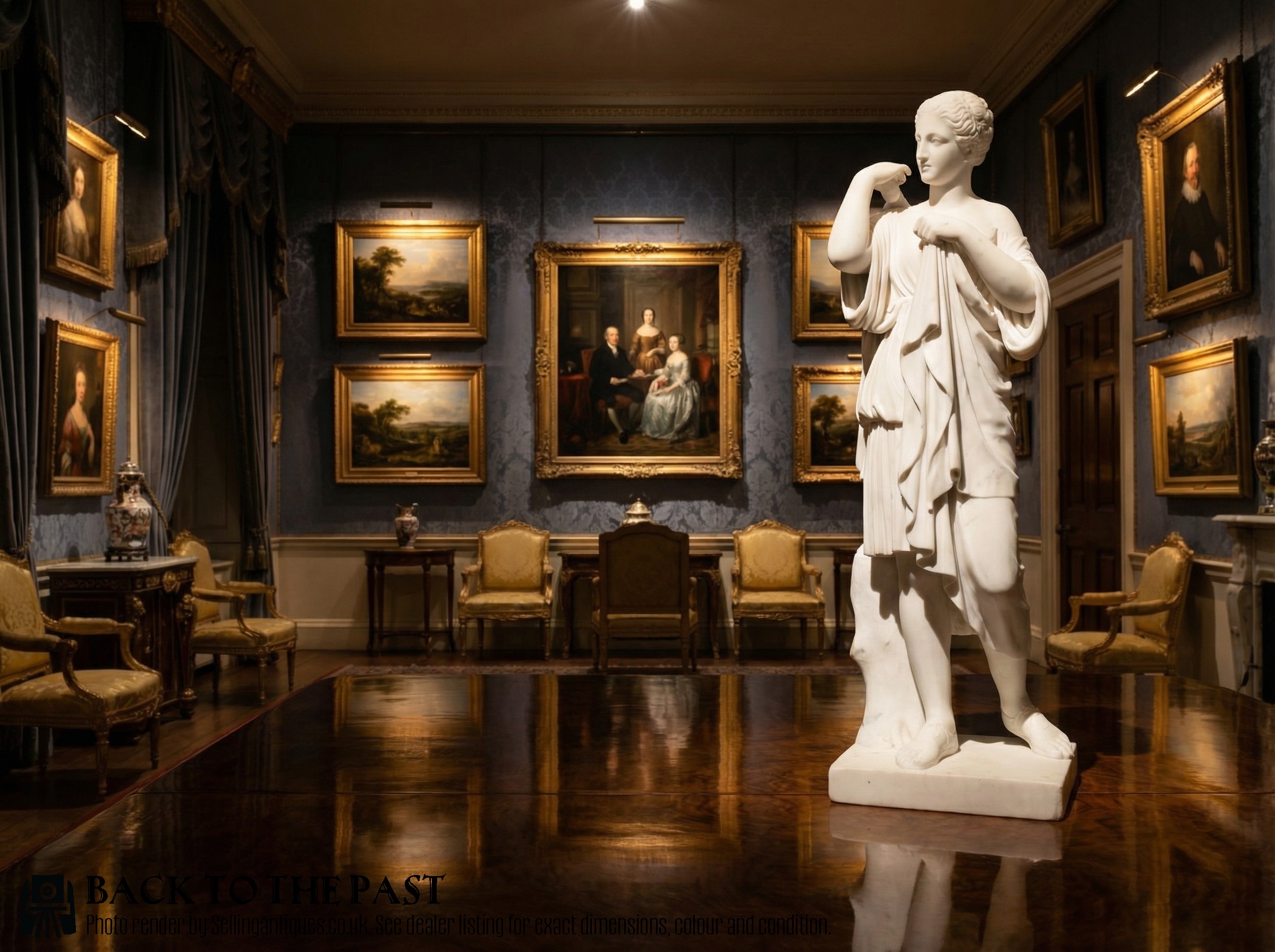
These substantial pieces require sturdy placement surfaces such as heavy sideboards, pedestals, or dedicated display tables. Their weight provides stable grounding in a room.
Positioning them away from high-traffic areas protects the delicate extremities and carved surfaces from accidental impact.