



19th Century Alabaster
These carved 19th century alabaster sculptures, clocks and decorative vessels bring classical restraint and tactile warmth into domestic interiors.
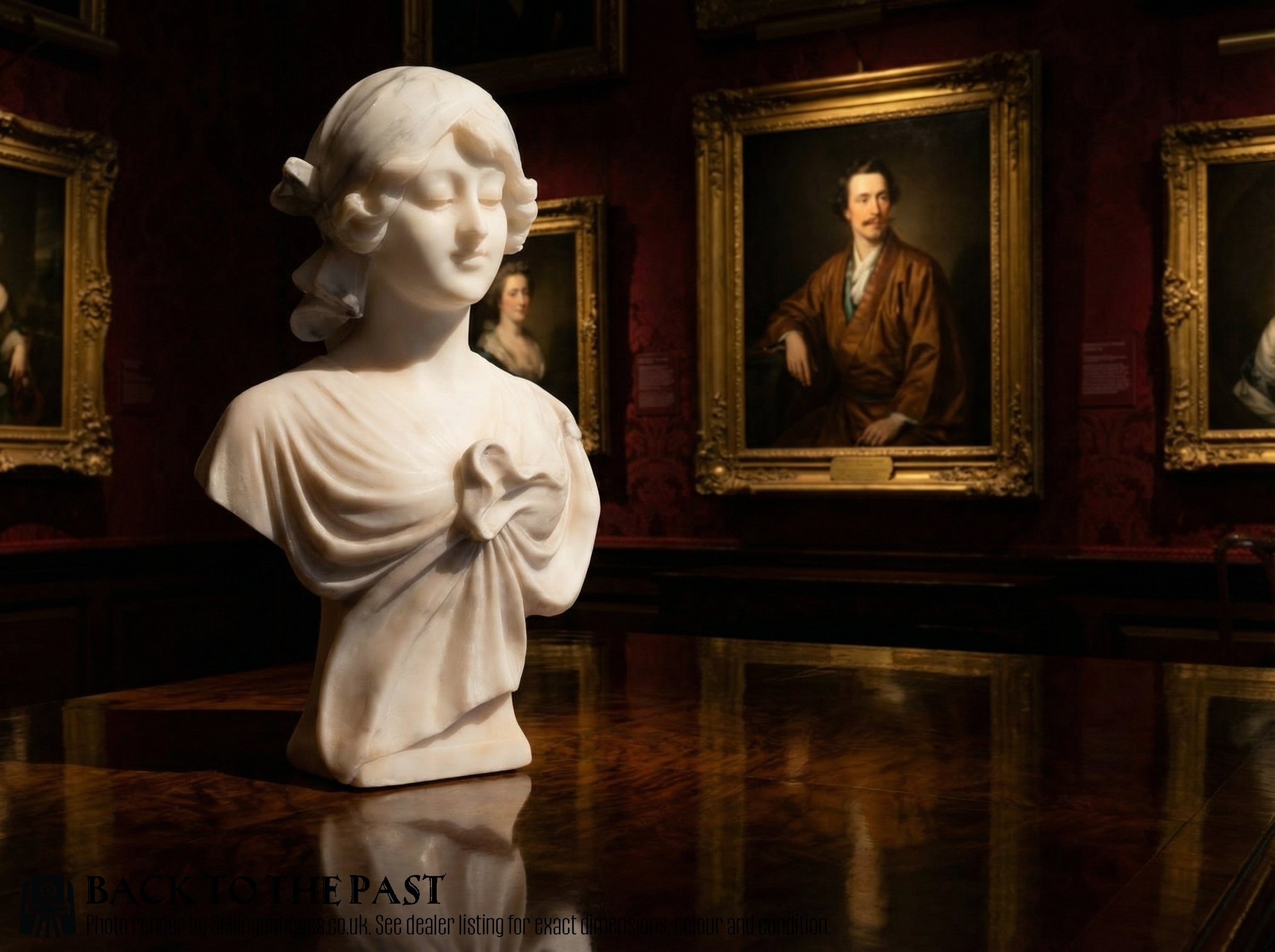
19th Century Alabaster
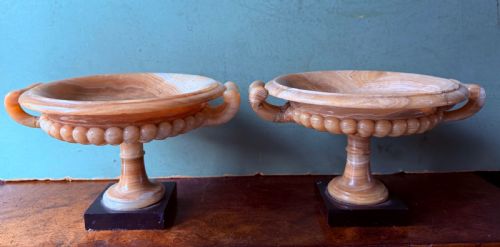
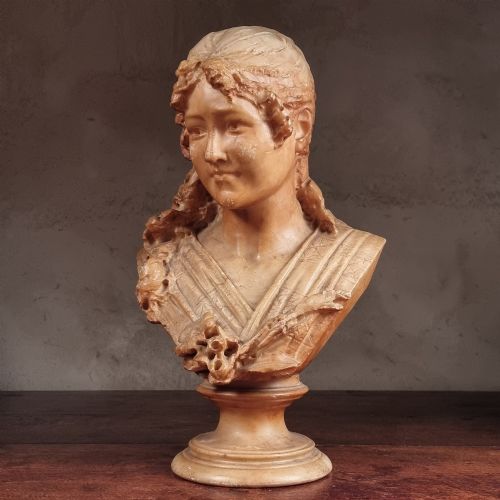
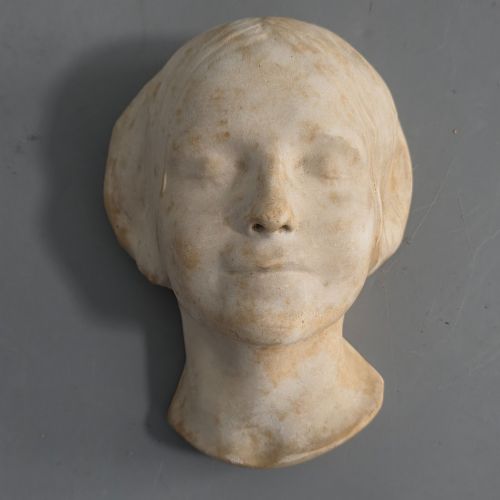
When browsing 19th century alabaster, collectors encounter a diverse range of decorative objects shaped during the Victorian period, spanning the 1850s through the early 1900s. The selection on this page centres heavily on Italian Grand Tour souvenirs, portrait busts, allegorical sculptures, and functional items like mantel clocks and tazze.
Italian workshops produced many of the carved figures, vases, and architectural models, often referencing classical antiquity or Renaissance masters. French makers frequently paired the stone with ormolu, gilt bronze, or enamel to create elaborate clock garnitures and decorative companions for bourgeois interiors.
The material also found use in utilitarian or ornamental objects such as table lamps, column stands, inkstands, and wall plaques. These pieces range from modest cabinet souvenirs to monumental floor sculptures executed by named Italian and European artists.
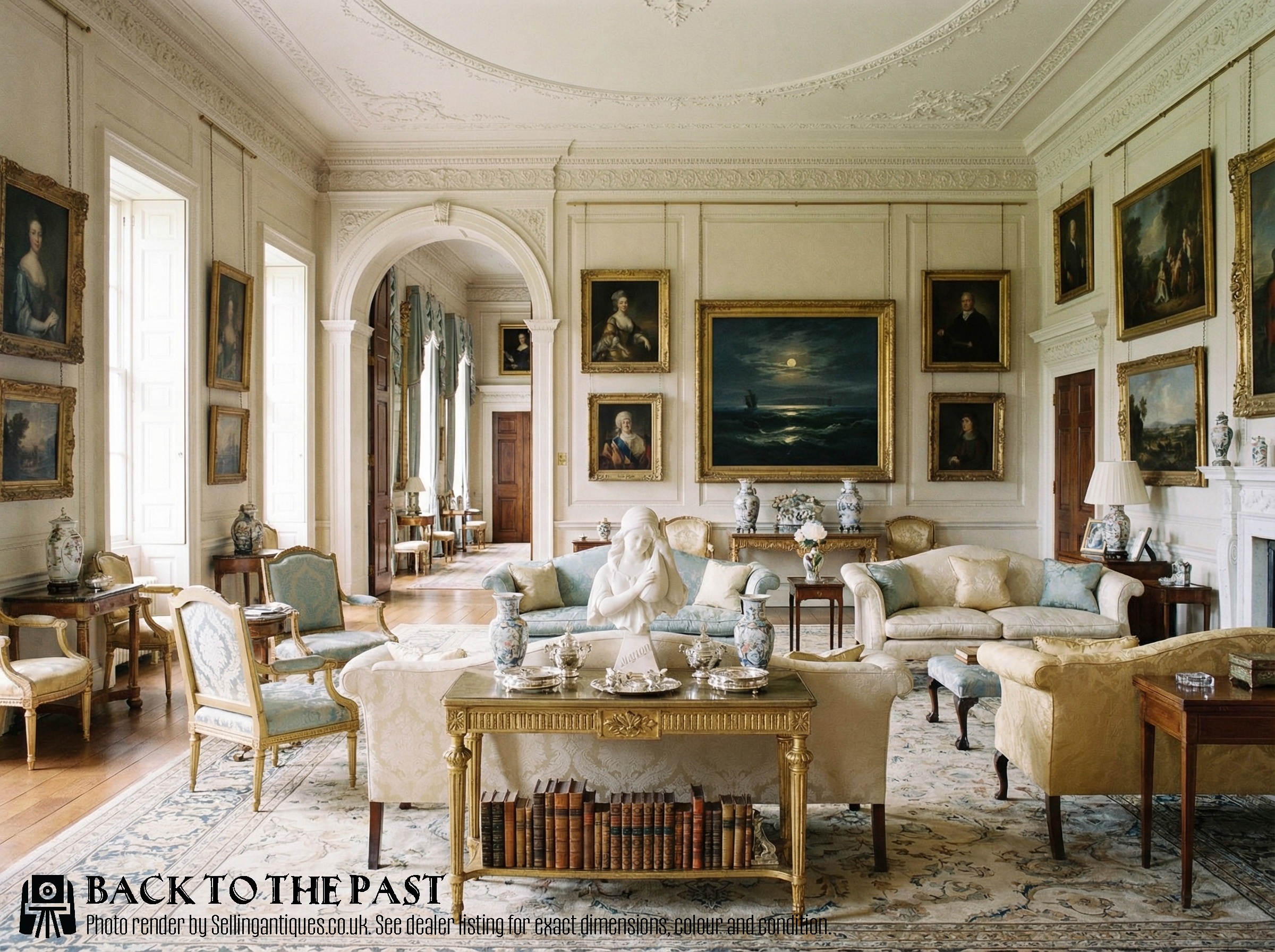
Materials and carving techniques
Artisans worked primarily with fine-grained gypsum or calcareous varieties of alabaster, often sourcing highly figured stone from Italian quarries such as Volterra or Derbyshire. This soft mineral permitted intricate hand-chiselling, deep undercut carving, and smooth polishing that imitated the tactile qualities of Carrara marble.
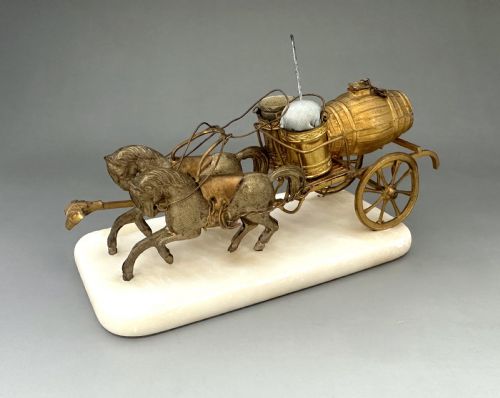
Makers frequently combined alabaster with contrasting media, mounting white or veined stone onto black marble bases, or pairing it with cast brass, ormolu, and gilt bronze mounts. Clock movements, enamel dials, and hand-painted details were integrated into housings carved from solid blocks of stone.
Surface finishes varied from matte to high gloss, sometimes utilising two-tone treatments to accentuate drapery, hair, and facial expressions on figural subjects.
19th Century Alabaster Retail Price Guide 2026
Typical asking prices for 19th century alabaster among the pieces listed under this phrase on Sellingantiques today, from the lower quarter to the upper quarter. They describe what is for sale here now, not the wider market.
French Victorian examples frequently combine carved alabaster with ormolu mounts and mechanical clock movements.
Factors influencing execution and finish
The quality of associated metalwork plays a significant role in composite objects like mantel clocks and garnitures. Heavy, well-chased ormolu mounts and authentic period clock movements elevate the standing of a piece compared to later replacements or simple brass fittings.
Subtleties in polish and the absence of heavy structural repairs distinguish better-preserved examples from heavily handled items that have lost their original surface crispness.
Bright And Sons·Mieczyslaw Leon Zawiejski·Pugi·Gugielmo Pugi·P. Emilio Fiaschi
The 19th Century Alabaster Glossary
- Alabaster
- A soft, fine-grained stone used for carving decorative objects and sculptures. It possesses a characteristic translucent quality when polished thin.
- Grand Tour
- A cultural journey undertaken by wealthy Europeans in the 19th century, resulting in the acquisition of local souvenir carvings and antiquities.
- Tazza
- A shallow ornamental bowl or cup raised on a stem and foot, frequently carved from stone or marble during the 19th century.
- Ormolu
- Gilt bronze mounts applied to furniture, clocks, and decorative objects. It provides a bright metallic contrast to white alabaster surfaces.
- Garniture
- A set of three or more matching decorative ornaments, typically comprising a mantel clock flanked by matching urns, vases, or candelabra.
19th Century Alabaster: Frequently Asked Questions
What is 19th century alabaster?
These items are decorative sculptures, clocks, and vessels carved from a soft, translucent mineral during the Victorian era. Workshops primarily in Italy and France shaped the stone into classical figures and architectural souvenirs.
The material allows for smooth finishes and fine detail, making it popular for portrait busts, mantel clocks, and Grand Tour table ornaments.
How do I clean alabaster?
Alabaster is water-soluble and relatively soft, meaning it requires dry dusting with a soft brush rather than liquid cleaners. Moisture can permanently stain or dissolve the polished surface.
Keep pieces away from direct humidity and handle them carefully to preserve the fine carved details and original polish.
What is a Grand Tour alabaster?
These are miniature sculptures, tazze, and architectural models purchased by travellers touring European cultural centres in the 19th century. They served as portable reminders of classical antiquity and Renaissance art.
Subjects often included copies of famous Roman statues, ruins, and mythological figures carved in local Italian stone.
How do I tell alabaster from marble?
Alabaster is significantly softer than marble and can be scratched with a fingernail or a copper coin. It also possesses a natural translucency that allows light to pass slightly beneath the surface.
Marble is harder, heavier, and completely opaque, with a different crystalline structure when examined closely under magnification.