
Carved Stone Sculpture
Carved stone sculpture brings tangible presence into a room, spanning medieval corbels and neoclassical busts.
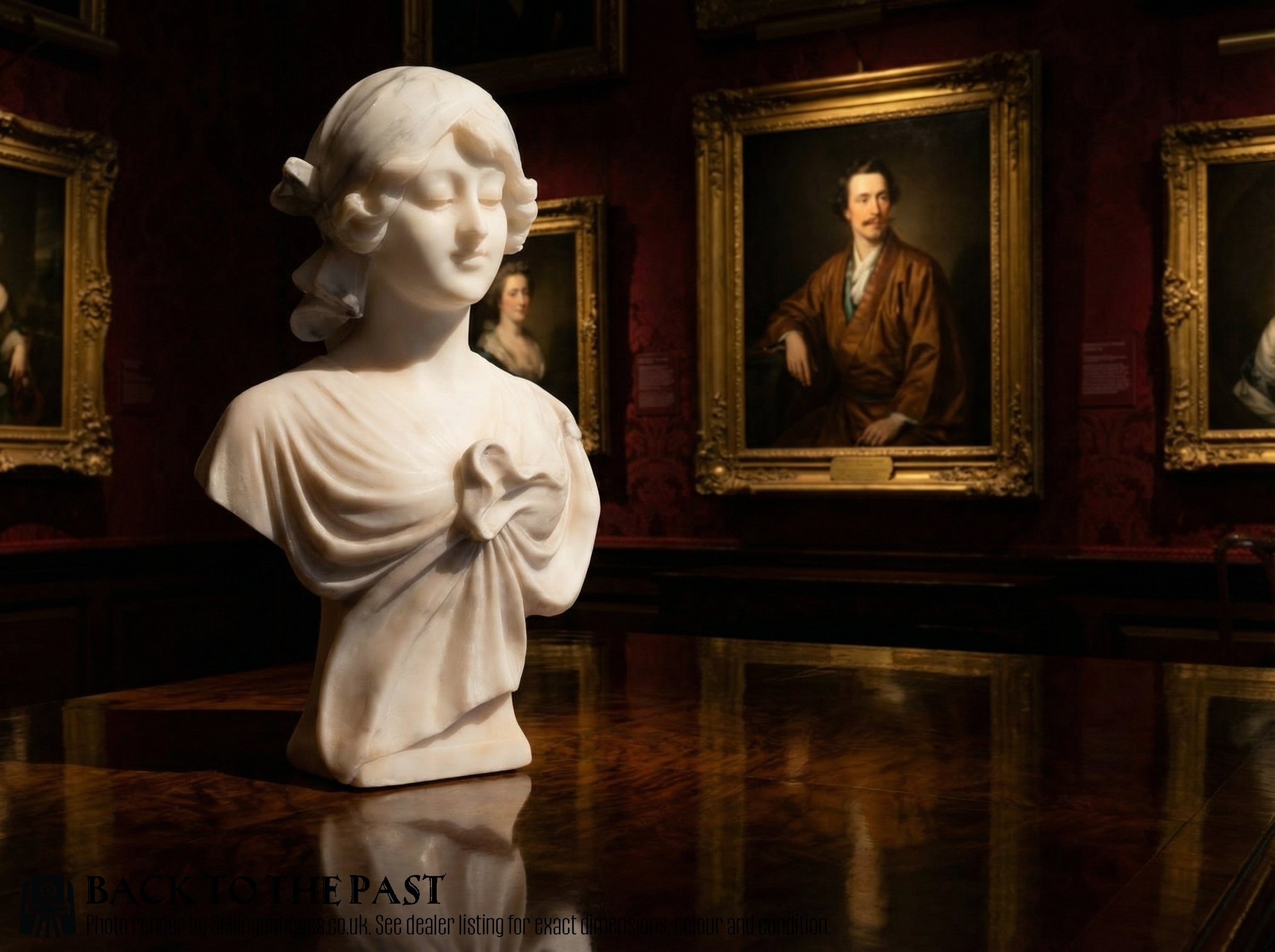
The scope of carved stone sculpture
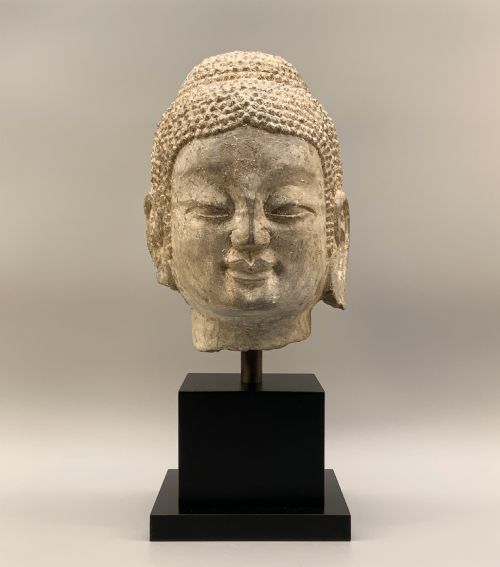
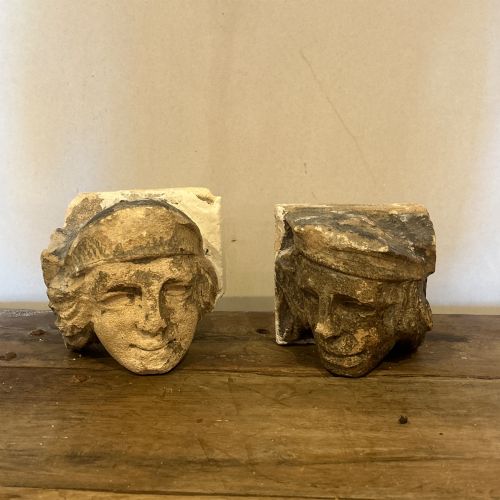
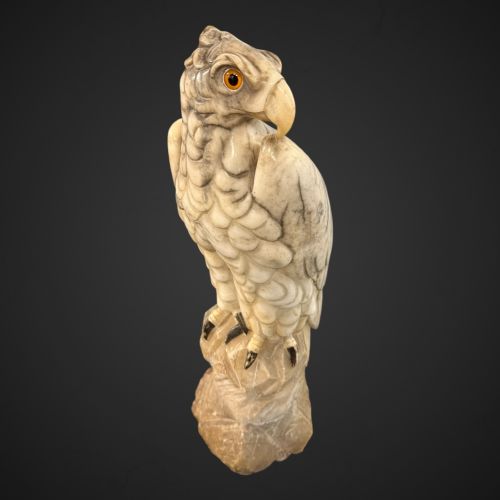
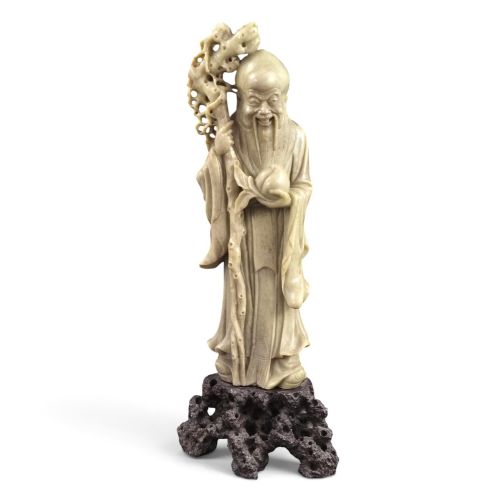
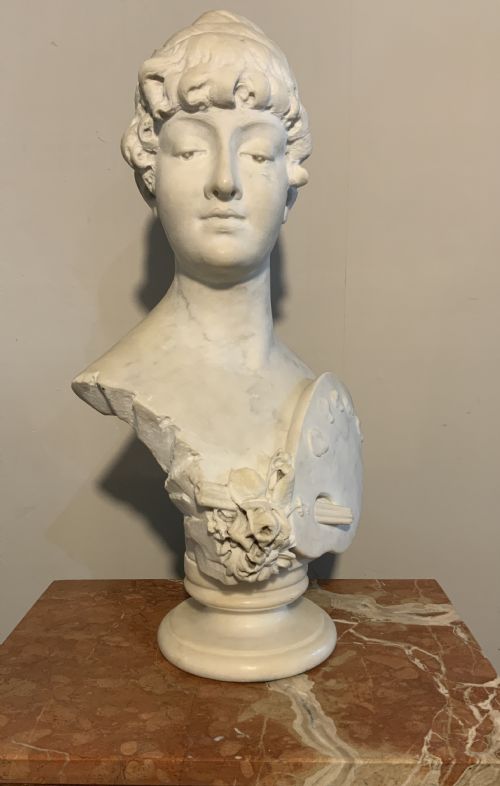
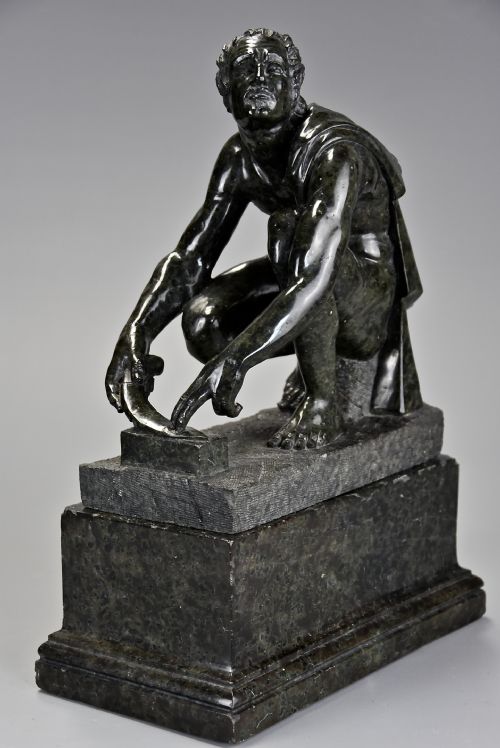
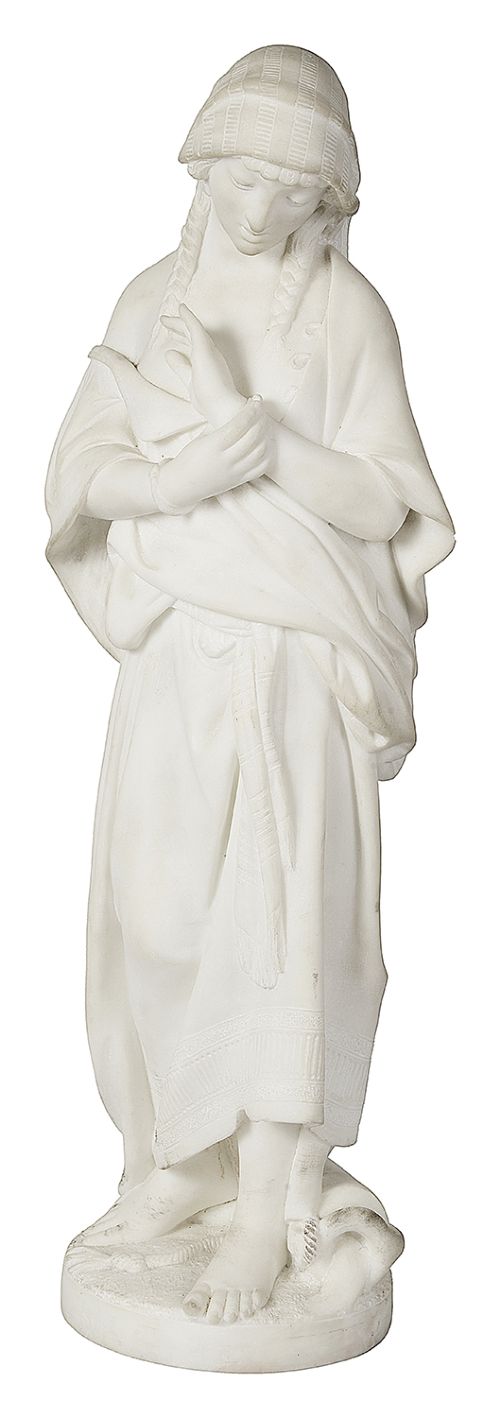
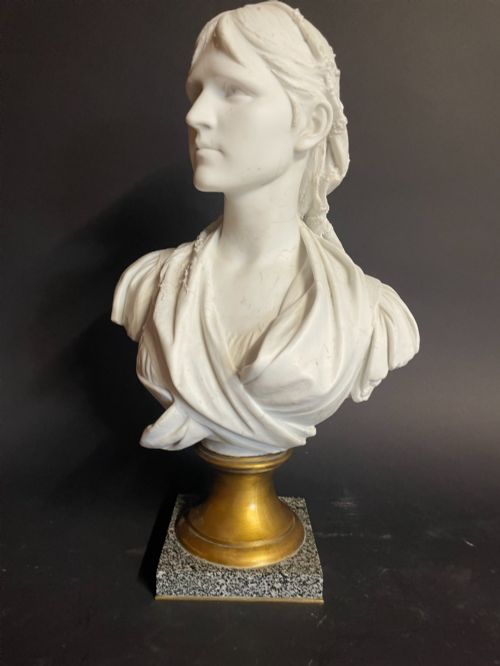
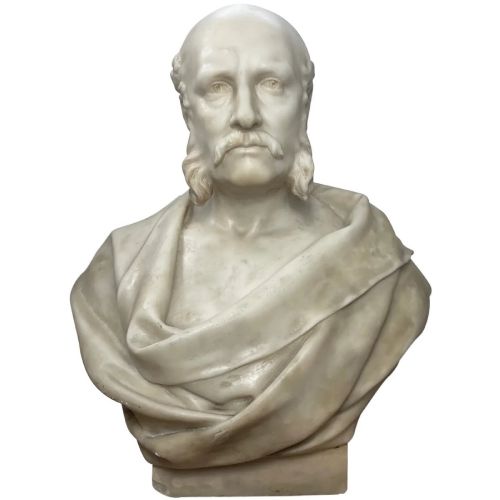
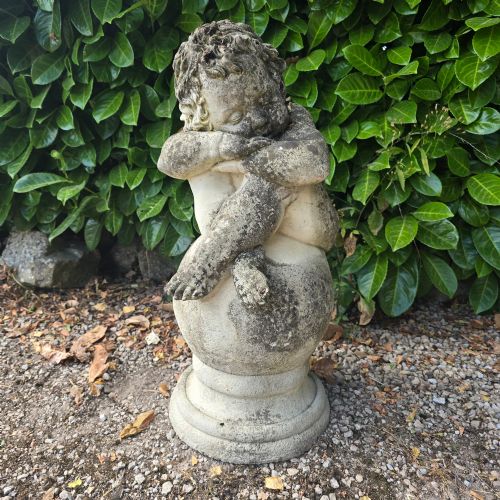
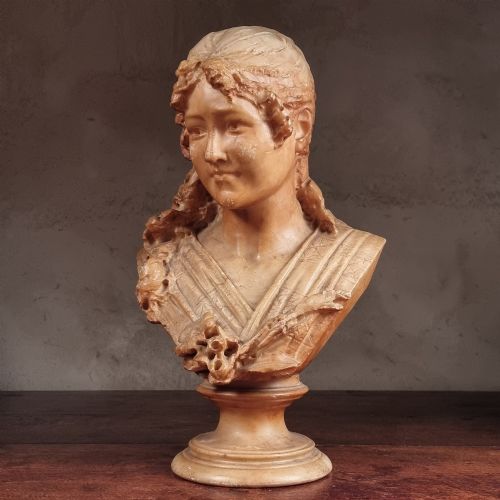
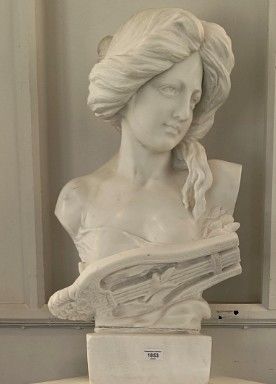
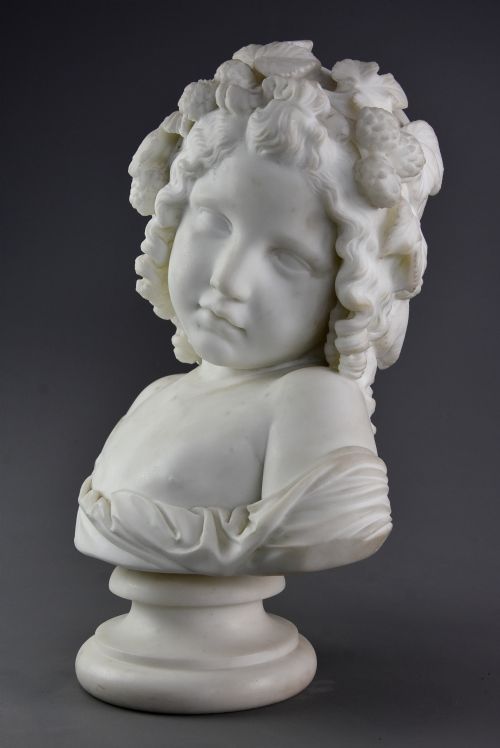
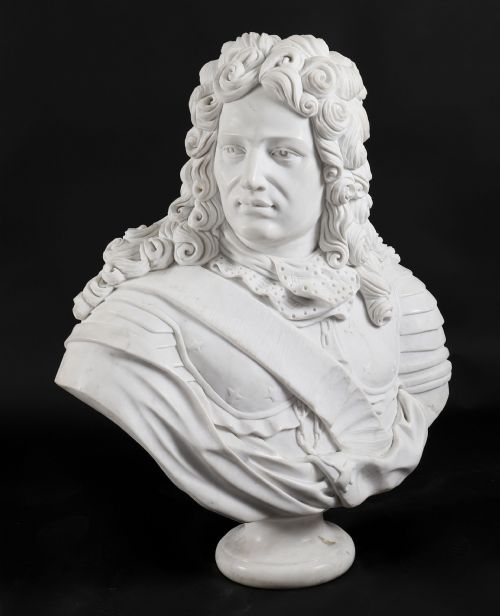
A carved stone sculpture collection encompasses works ranging from pre-sixteenth century medieval fragments and seventeenth century Italian animals to nineteenth century classical figures. Pieces vary widely in scale, from architectural corbel heads of owls and kings to monumental busts and life-size representations of historical figures.
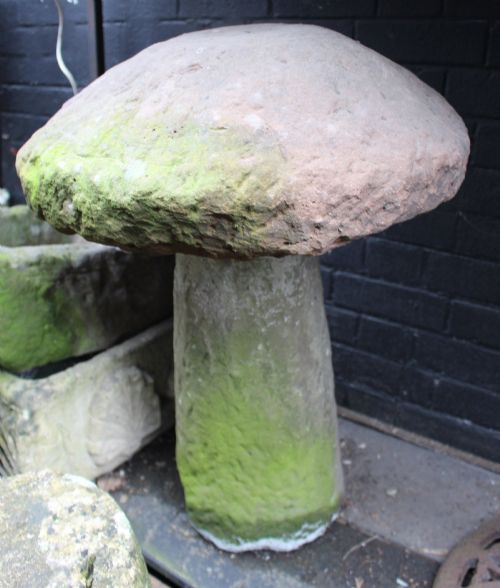
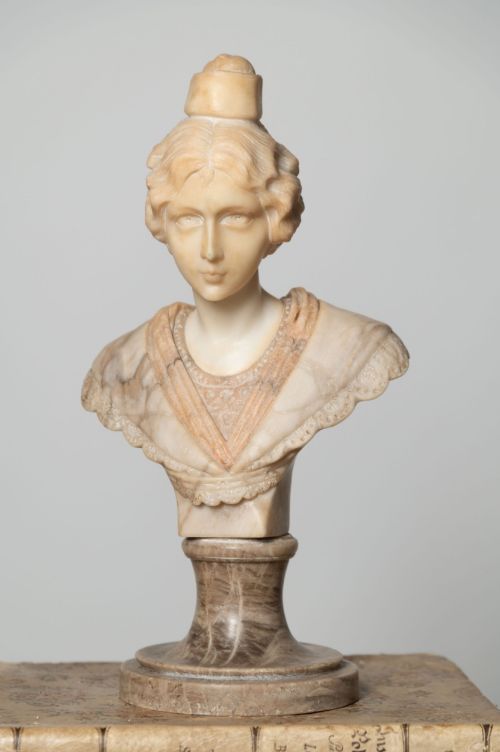
Buyers frequently encounter French and Italian pieces executed in various marbles, alabaster, sandstone, and standard stone. These objects capture distinct stylistic shifts, moving from medieval ecclesiastical masonry through French Classical and Italian Baroque to Neoclassical and Art Nouveau expressions.
Formats include standalone animal carvings, architectural supports, and portrait busts complete with pedestals. Each piece reflects the specific sculptural ambitions of its period, whether decorative or structural.

Materials and construction
Makers utilised a range of media including Carrara marble, white marble, grey marble, alabaster, sandstone, and standard stone. These materials were shaped using traditional chisel and mallet techniques suited to the hardness of the chosen medium.
Surface finishes vary from the smooth, polished white surfaces of nineteenth century neoclassical works to the weathered textures of earlier architectural sandstone and primitive stone corbels.
Retail Price Guide 2026
Typical UK retail prices for carved stone sculpture, calculated from the Sellingantiques database of over a million retail prices indexed since 2003. This retail price guide relies exclusively on Sellingantiques data; no external sources or auction records are used, so the figures do not describe the wider market.
Stone owls and exotic birds occasionally peer out from the historical record, proving that earlier masons enjoyed carving feathered creatures just as much as kings.
Distinctions in quality
Quality rests in the anatomical precision of figurative subjects and the fidelity of drapery, hair, and facial expression. Finer works demonstrate a confident handling of hard materials that achieves lifelike softness in marble or alabaster.
The sophistication of the carving distinguishes vernacular architectural elements like primitive stone corbels from academically trained studio productions and signed pieces by known hands.
Antonio Canova·A. Cipriani
The Carved Stone Sculpture Glossary
- Alabaster
- A fine-grained mineral often used for detailed portrait busts and interior sculptures. Its relative softness compared to granite allows for delicate carving work.
- Corbel
- A structural piece of stone jutting from a wall to carry a weight. In sculpture, these often take the form of carved human or animal heads.
- Neoclassical
- A style spanning the eighteenth and nineteenth centuries inspired by classical antiquity. Pieces in this idiom prioritise proportion, clarity, and heroic subject matter.
- Carrara Marble
- A type of white or blue-grey marble from the city of Carrara in Italy. Sculptors have favoured this material for centuries due to its consistent grain and luminosity.
Frequently Asked Questions
What is a stone corbel?
A stone corbel is an architectural bracket projecting from a wall to support weight above it. Many historical examples feature carved animal or human heads.
These functional masonry elements served structural roles in buildings before being repurposed or collected as standalone sculptures.
How do I care for alabaster?
Alabaster is a softer and more water-soluble material than marble. It requires dry dusting and protection from moisture.
Avoid using liquid cleaners or placing these sculptures in humid environments to preserve the surface finish.
What is Carrara marble?
Carrara marble is a high-grade stone quarried in Tuscany, Italy. It possesses a bright white or subtle grey appearance.
Sculptors utilised this specific marble for neoclassical busts and figures due to its fine, uniform crystalline structure.