






Antique Female Statue
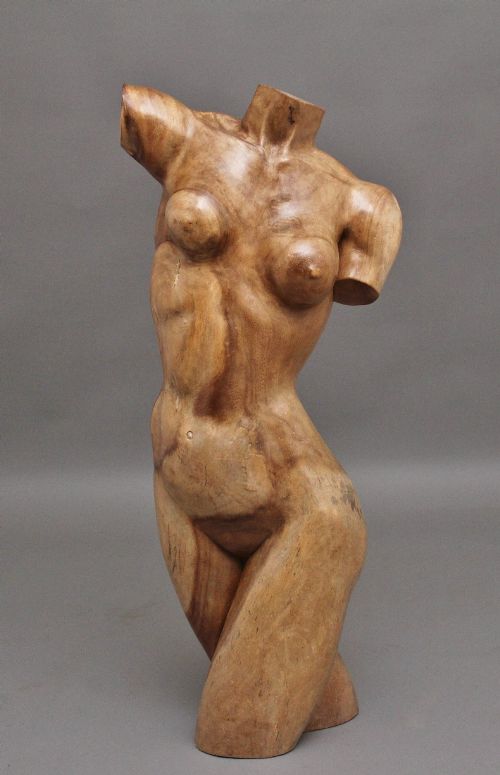
An antique female statue is a carved or cast depiction of a woman, offering tangible craftsmanship and historical character to a room.

What an antique female statue is
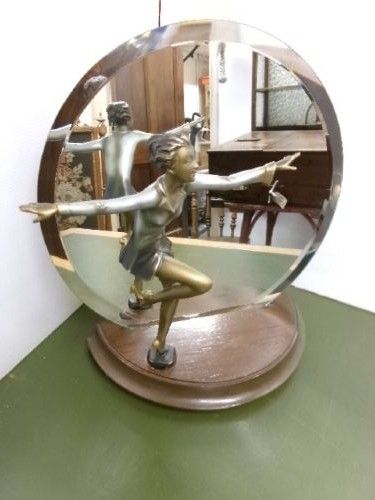
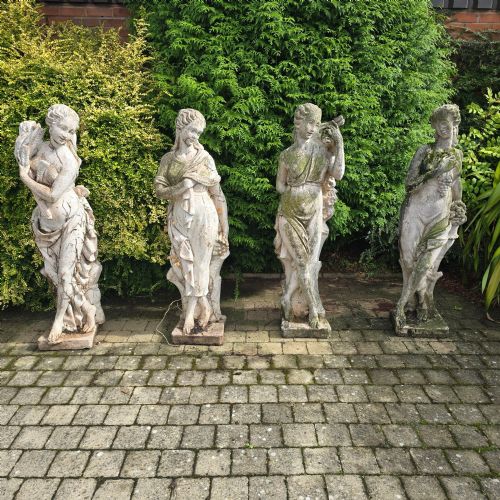
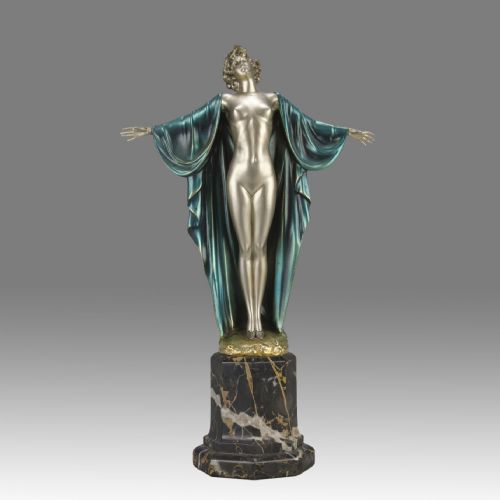
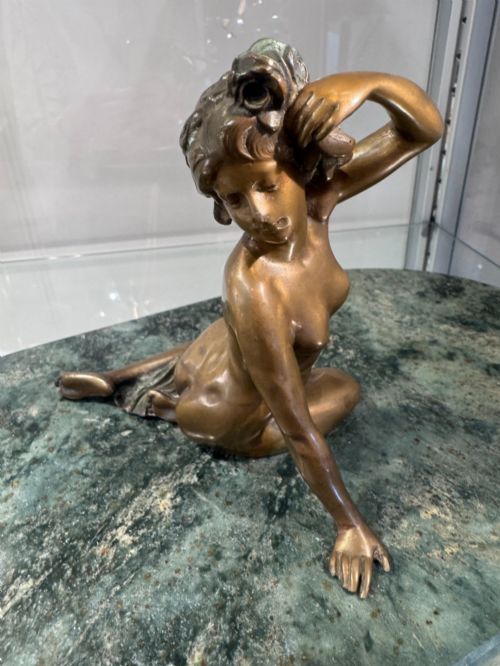
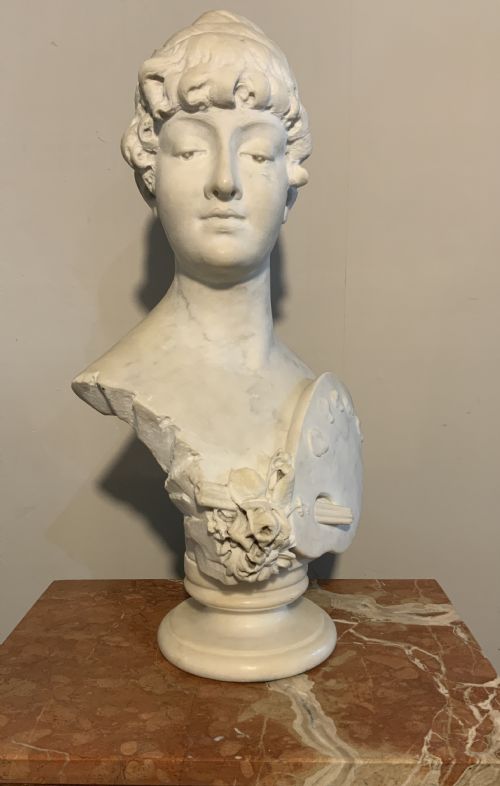
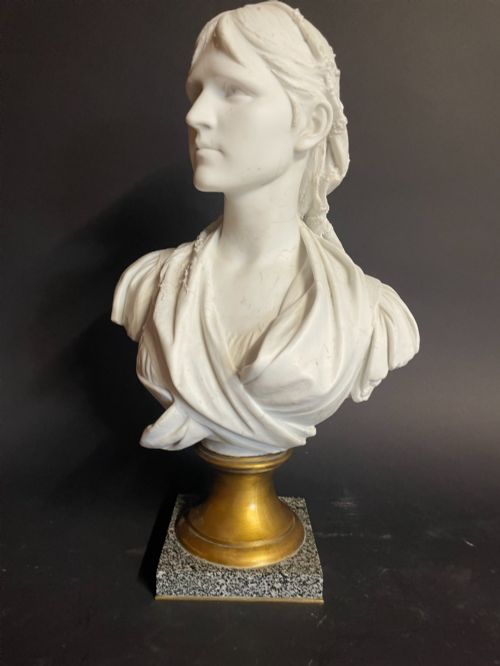
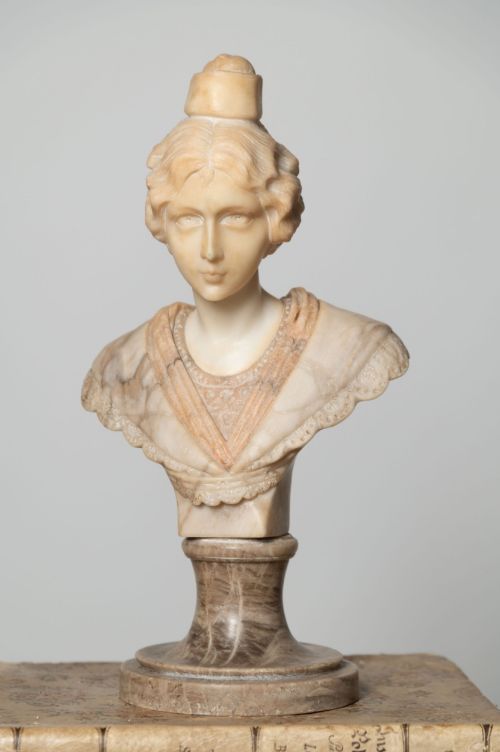
An antique female statue encompasses sculptures, busts, and figures produced across the nineteenth and early twentieth centuries. These pieces draw on Victorian and Art Nouveau aesthetic traditions, ranging from idealized allegorical figures to realistic portrayals.
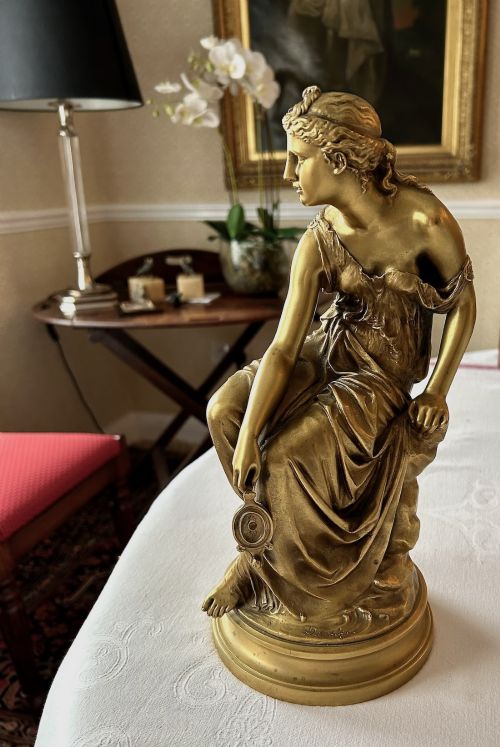
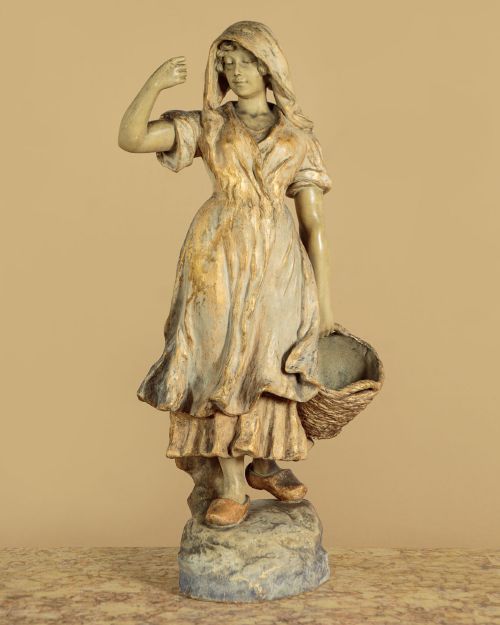
The most common examples on this page are busts and full-length sculptures originating from Italy, France, and Austria. Materials vary from carved stone and marble to cast bronze, alabaster, and plaster.
Makers and sculptors represented include Mathurin Moreau, Emile Laporte, Pugi, and A. Cipriani. Dating spans from the Victorian era into the nineteen-twenties.

How they were made
Sculptors carved stone, alabaster, and marble directly from blocks, refining surfaces with chisels and abrasive agents to achieve smooth skin and drapery texture. Carved pieces often bear signatures or studio marks.
Metal statues and busts utilised casting methods such as the lost-wax technique for bronze, alongside spelter and bronzed plaster alternatives. These casts were frequently chased and patinated by hand after leaving the foundry.
Retail Price Guide 2026
Typical UK retail prices for female statue, calculated from the Sellingantiques database of over a million retail prices indexed since 2003. This retail price guide relies exclusively on Sellingantiques data; no external sources or auction records are used, so the figures do not describe the wider market.
Materials documented across the inventory include carved marble, alabaster, bronze, spelter, and painted plaster.
What varies in quality
Quality rests in the precision of the carving and the nuance of the casting, where master sculptors captured musculature, fabric folds, and facial expression with conviction. Softer or more mechanical execution yields a rigid appearance.
The choice of medium dictates depth, with high-grade translucent alabaster and genuine marble commanding greater visual presence than cast plaster or base metal alloys.

Mathurin Moreau·Emile Laporte·Pugi·A Cipriani
The Antique Female Statue Glossary
- Alabaster
- A fine-grained mineral, often translucent, used extensively for soft-hued nineteenth-century busts and carvings. It accepts intricate detail but remains sensitive to moisture.
- Spelter
- A zinc alloy commonly employed as a less expensive substitute for bronze in nineteenth and twentieth-century figures. It requires a surface finish or patination to mimic heavier metals.
- Patina
- The surface coloration and sheen acquired by bronze through age or chemical treatment. A well-maintained patina enhances the contours of a cast figure.
- Lost-wax casting
- A traditional method for producing metal sculptures from a wax model. This technique allows for complex undercuts and fine surface fidelity.
- Bust
- A sculptural representation of a person from the chest or shoulders up. This format was favoured by Victorian and Art Nouveau makers for interior display.
Frequently Asked Questions
What materials are antique female statues made from?
These pieces appear in materials such as marble, alabaster, bronze, stone, plaster, and bronzed metal. Each medium offers a distinct weight and surface finish.
Softer stones like alabaster provide a translucent quality, while metals allow for sharp casting detail.
Where did these statues originate?
The recorded origins include workshops and studios in Italy, France, and Austria. Continental makers dominated nineteenth-century sculpture production.
Italian studios specialised in carved alabaster and marble, whereas French and Austrian foundries produced bronzes and plaster figures.
How do I identify Art Nouveau pieces?
Art Nouveau examples date from the late nineteenth and early twentieth centuries, featuring fluid lines inspired by natural forms. Figures often incorporate flowing hair and botanical motifs.
Artists such as Mathurin Moreau and Emile Laporte worked within this expressive visual idiom.
How should I care for marble and alabaster?
Alabaster and marble require dusting with a dry, soft cloth to prevent surface abrasion. Moisture must be avoided entirely, particularly with alabaster.
Placement away from direct heat sources protects the stone from thermal shock and drying.