
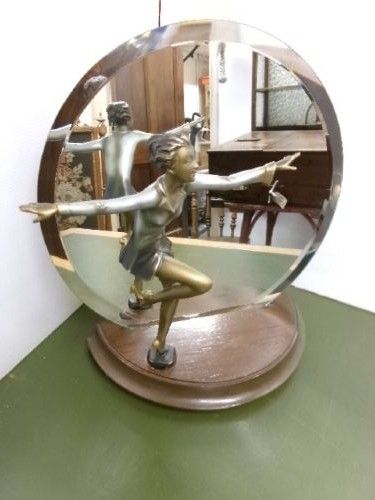
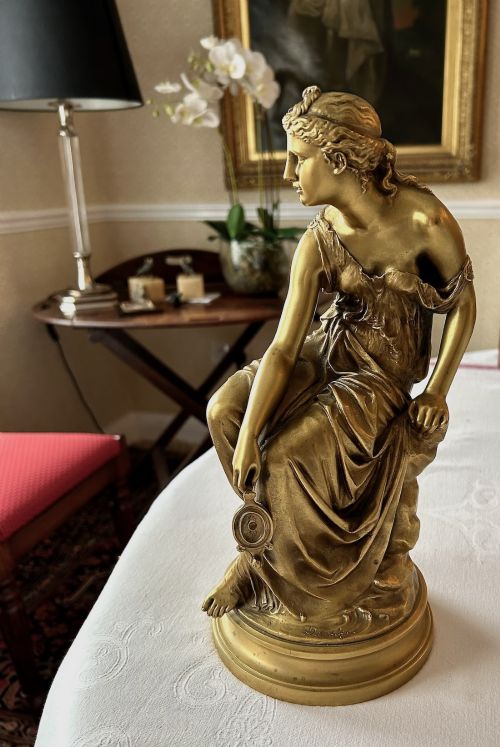


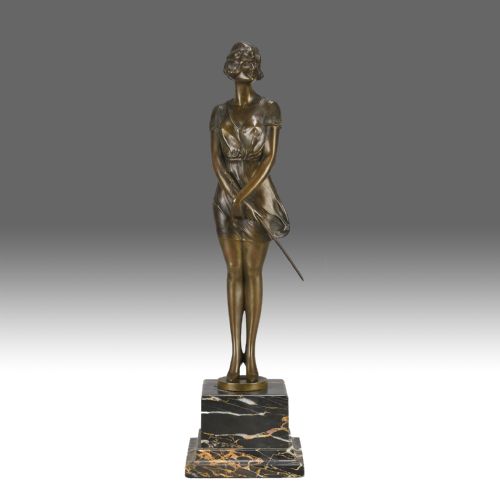
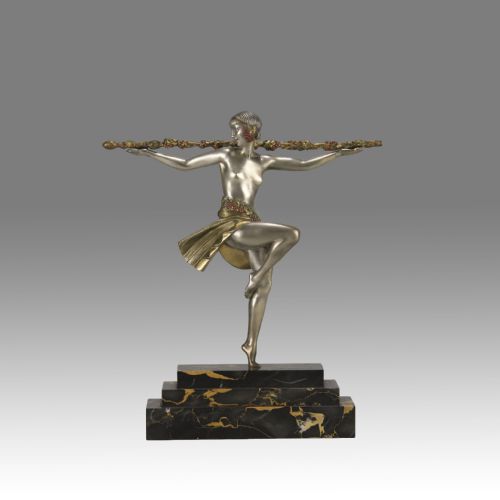
Bronze Female Figure
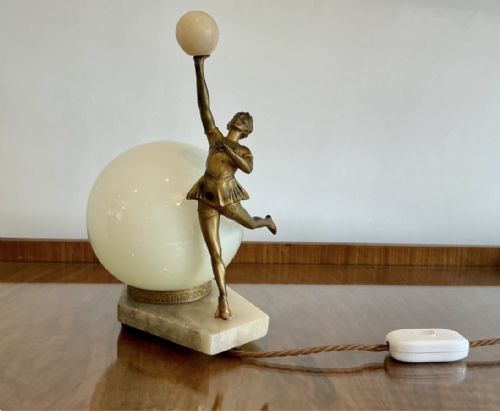
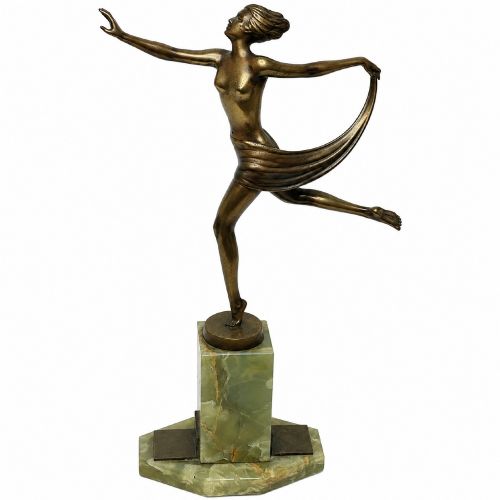
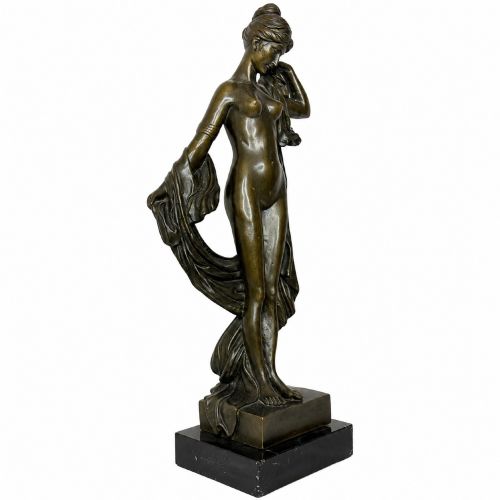
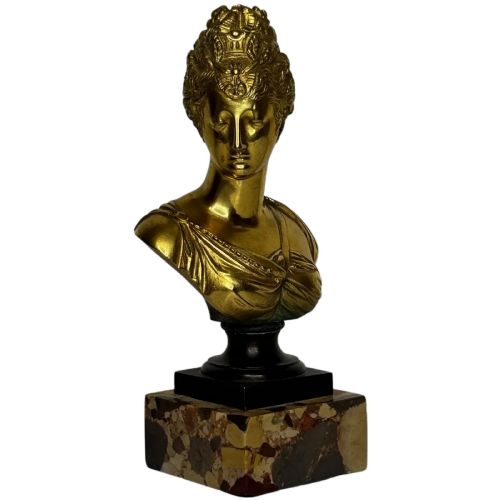
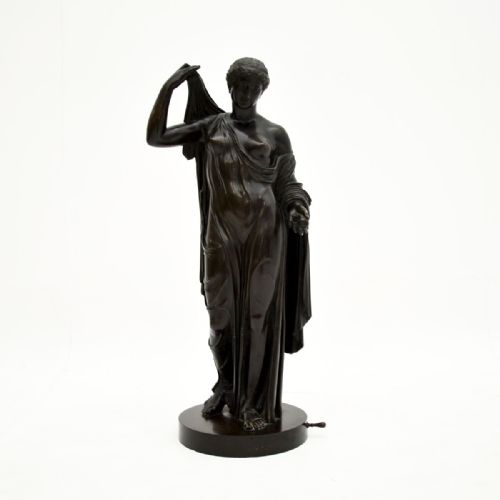
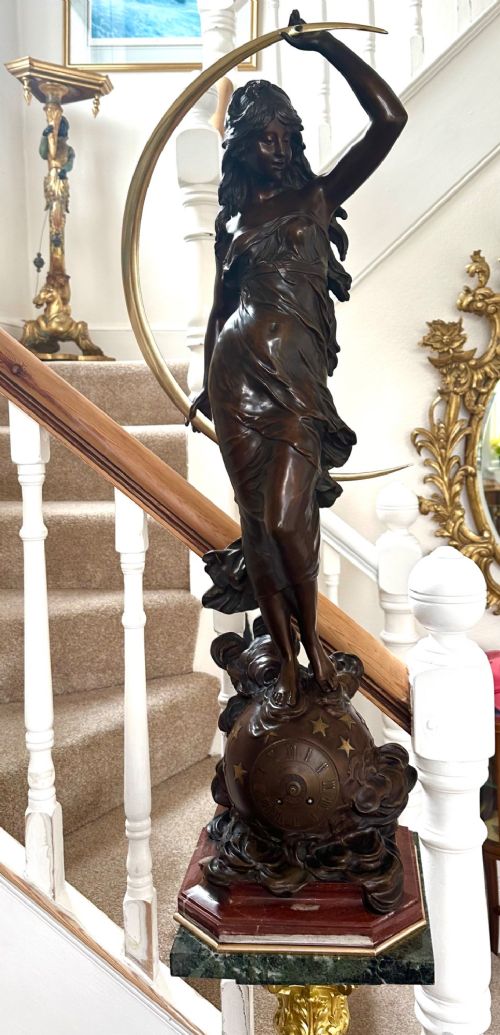
When you search for a bronze female figure, you encounter sculptural works capturing dancers, allegorical maidens, and classical subjects from the nineteenth and early twentieth centuries.

Bronze Female Figure
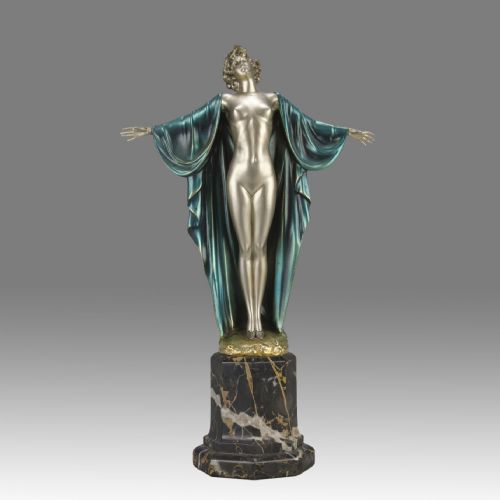
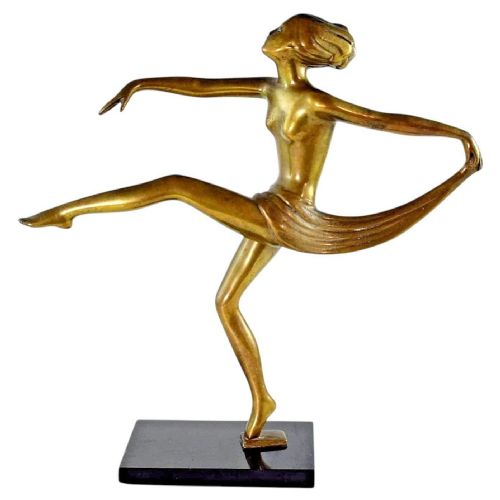
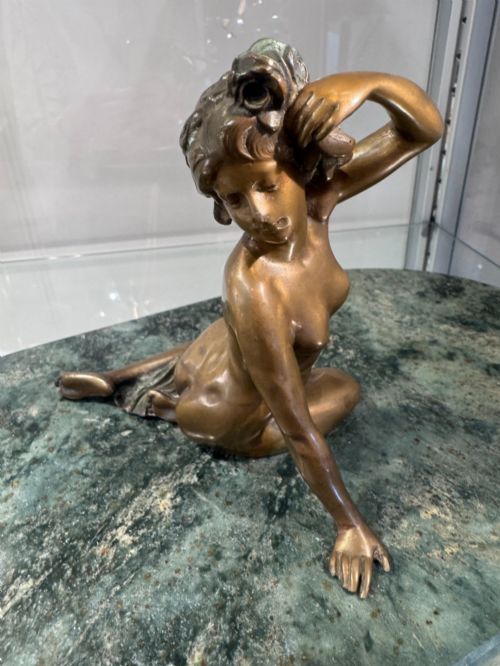
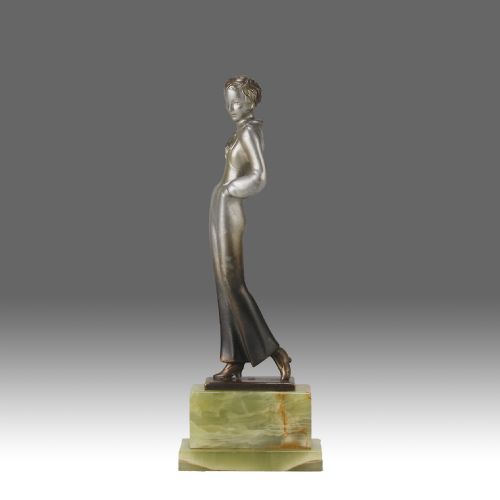
A bronze female figure spans diverse historical movements, ranging from nineteenth-century Neoclassical and French Realist statuary to Art Nouveau and Art Deco designs. Buyers frequently discover subjects such as dancers, classical maidens, allegorical figures, and literary heroines rendered in varied scales.
The pieces on this page appear as freestanding sculptures, busts, table lamps, and advertising displays. Makers utilised materials like marble and onyx bases to support the metalwork, creating stable platforms for the standing or seated forms.
Materials and methods of construction
Foundries cast these figures predominantly in bronze or patinated spelter, often finishing surfaces with cold painting or gilt applications to accentuate garments and skin tones. Spelter serves as an alternative metallic medium found in period figurative works.
Sculptors mounted many pieces onto integrated or separate carved plinths made of marble or onyx. Artisans applied patination manually to achieve darker metallic tones or highlighted specific areas with rich gilding.
Bronze Female Figure Retail Price Guide 2026
Typical asking prices for bronze female figure among the pieces listed under this phrase on Sellingantiques today, from the lower quarter to the upper quarter. They describe what is for sale here now, not the wider market.
Materials recorded across the inventory include patinated bronze, gilt bronze, spelter, marble, onyx, glass, and cold-painted finishes.
Distinctions in quality and execution
Signatures by recognised foundry owners or sculptors, alongside original cold-painted or gilt surfaces, separate workshop-signed editions from unsigned commercial castings. The integration of high-grade marble bases further influences the overall standard of the object.

Etienne-Henri Dumaige·Rudolf Küchler·Ferdinand Barbedienne·Bruno Zach·Pierre le Faguays·Ferdinand Preiss·Josef Lorenzl·August Moreau·Emmanuel Villanis·Affortunato Gory·Mathurin Moreau·Demetre Chiparus·Henri Godet·Jules Dalou·Edouard Drouot·Carrier-Belleuse·Bergman Vienna
The Bronze Female Figure Glossary
- Cold Painted
- A method where non-fired paint is applied to a bronze surface after casting. This technique was widely utilised by Viennese foundries to add vibrant polychrome details to figurative works.
- Spelter
- A zinc-based alloy commonly used as an economical substitute for bronze in decorative figures and lamp bases. It often carries a bronze-like patination to mimic the heavier metal.
- Patination
- The chemical treatment or natural ageing process that colours the surface of a bronze sculpture. Artisans manipulate this process to achieve deep brown, green, or black tones.
- Gilt Bronze
- Bronze metal coated with a thin layer of gold or gold leaf to create a brilliant metallic sheen. It frequently highlights garments and decorative accessories on nineteenth-century figures.
- Grand Tour
- Souvenirs purchased by travellers visiting classical European sites during the nineteenth century. These smaller bronzes often reproduced famous ancient statues and mythological figures.
Bronze Female Figure: Frequently Asked Questions
How do I distinguish bronze from spelter?
Bronze is a heavier, denser metal that develops a stable patina over time and rings with a clear tone when tapped gently. Spelter is softer, lighter, and more brittle, often showing a greyish metal beneath worn spots in the surface finish.
Examining the underside or areas of natural wear helps reveal the base metal composition without damaging the original patination.
What is cold-painted bronze?
Cold-painted bronze refers to sculptures decorated with paint applied after the metal casting process without subsequent firing in a kiln. This technique allowed artists to achieve intricate polychrome details on clothing and skin.
Preserving these pieces requires avoiding liquid cleaners and excessive handling, as the unbaked pigments remain delicate over time.
Are all figures signed by the artist?
Many period pieces bear cast signatures, foundry stamps, or inscribed titles directly on the bronze base or drapery. However, numerous commercial figures and decorative lamps left the workshop unsigned.
An unsigned piece can still demonstrate exceptional casting quality and artistic merit, though signed works by known sculptors command distinct collector interest.
How should I clean a bronze sculpture?
Dusting gently with a soft, dry microfibre cloth is the safest way to maintain the surface of a bronze figure. Avoid commercial metal polishes, abrasive cloths, or chemical solutions that can strip away the original patina.
Keeping the sculpture away from direct sunlight and excessive moisture preserves both the metal finish and any integrated marble or onyx bases.