


Antique Vienna Bronze
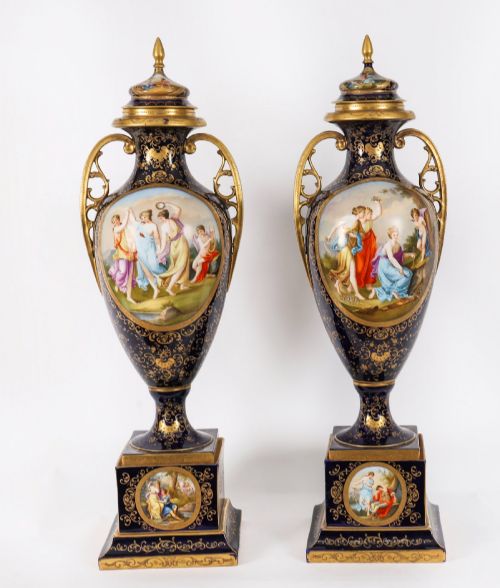
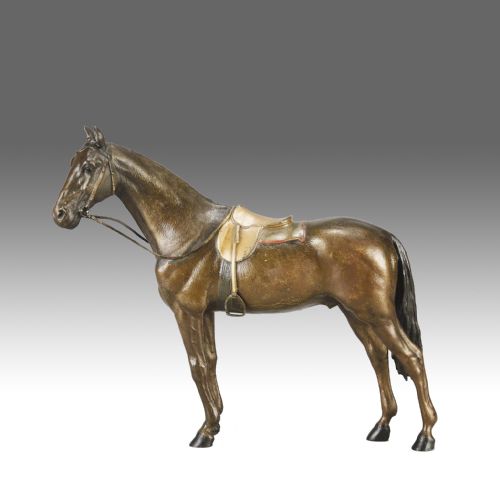
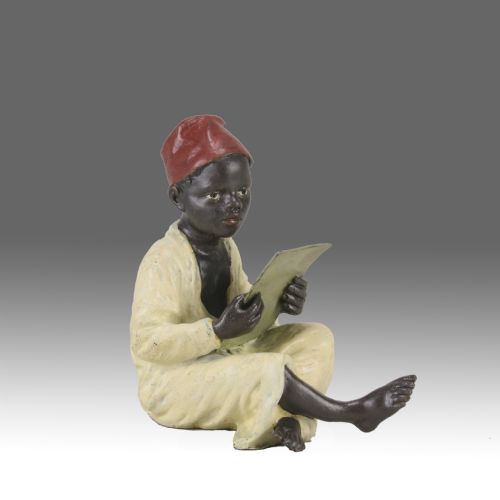
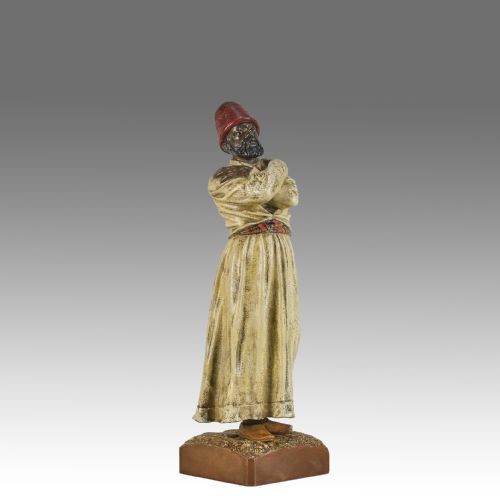
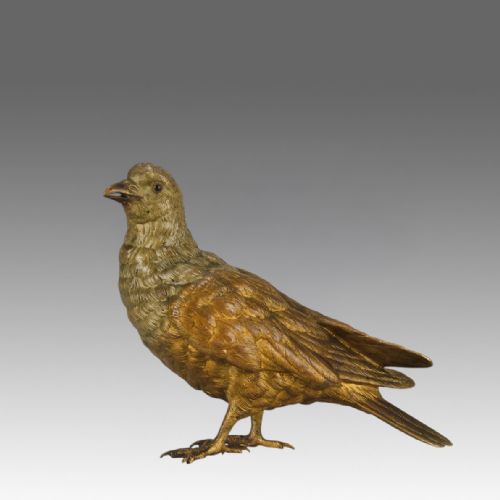
Antique vienna bronze captures miniature animal figures and human subjects finished with vibrant polychrome details.
Antique Vienna Bronze
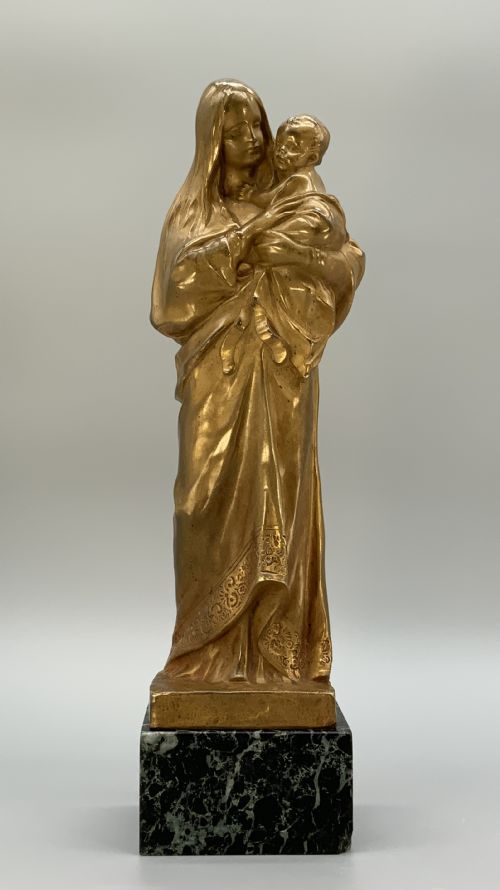
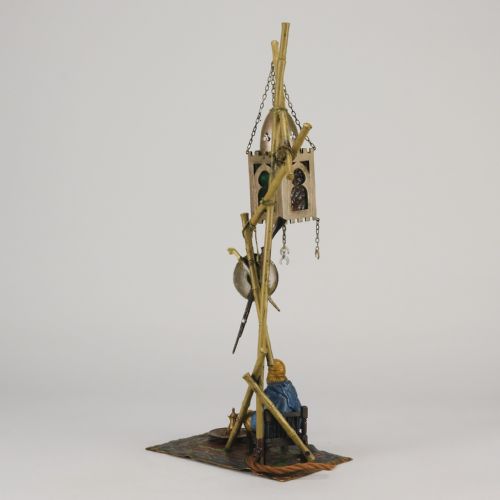
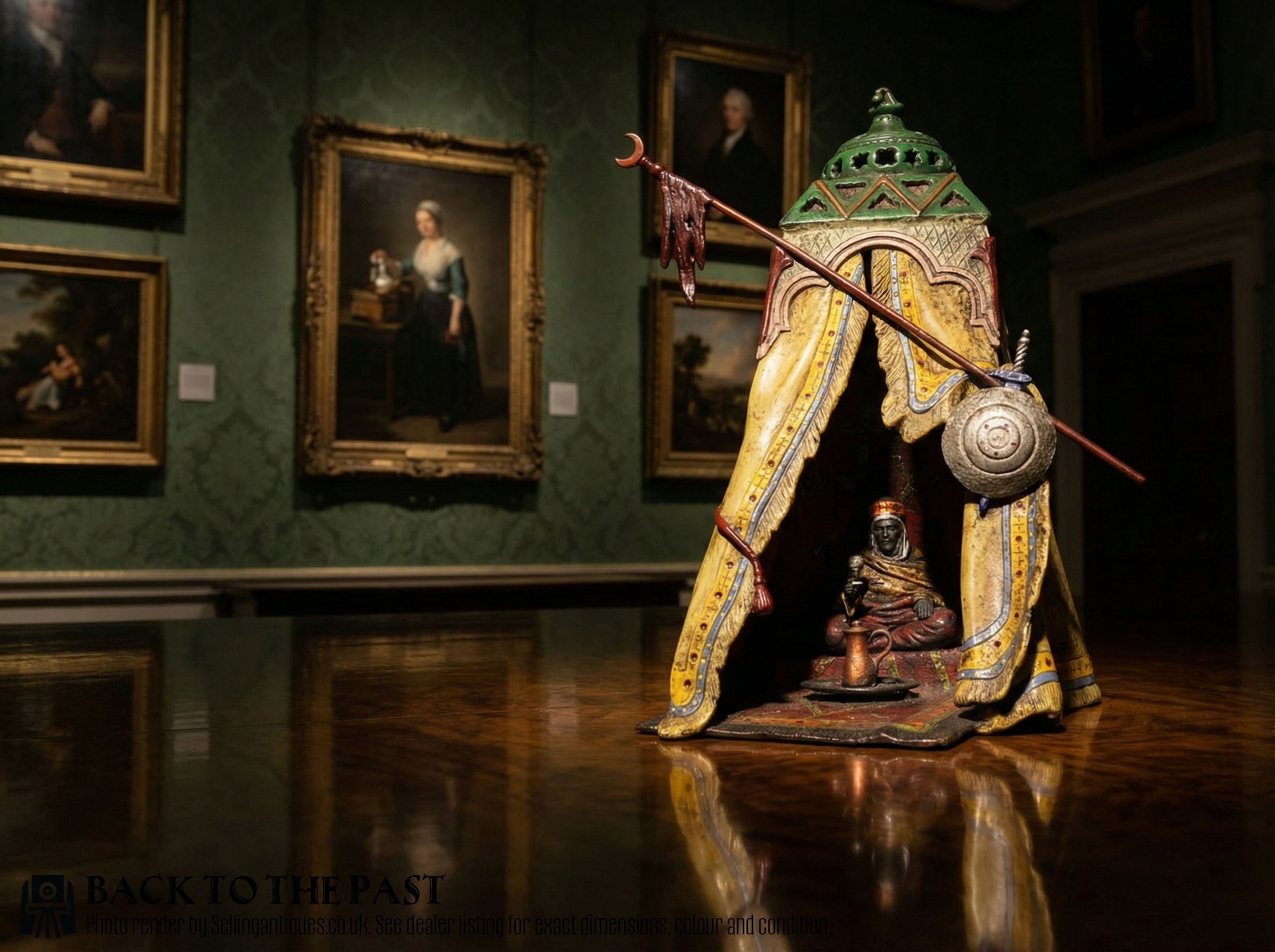
When collectors search for antique vienna bronze, they encounter small-scale cast metal sculptures produced in Austrian workshops during the nineteenth and twentieth centuries. These figures range from animal studies and desk accessories to Orientalist human subjects.
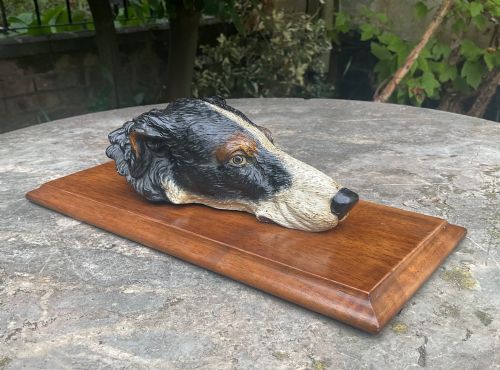
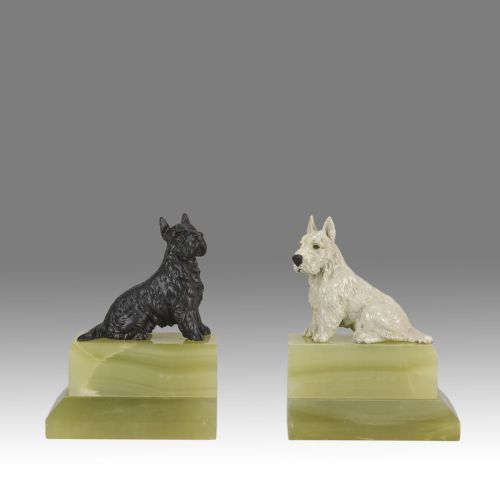
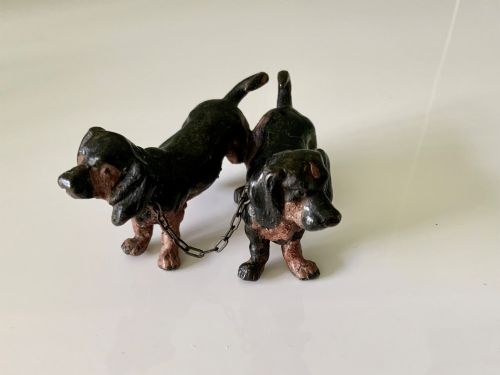
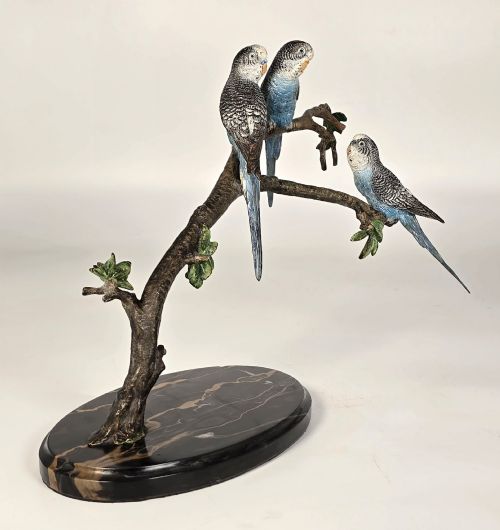
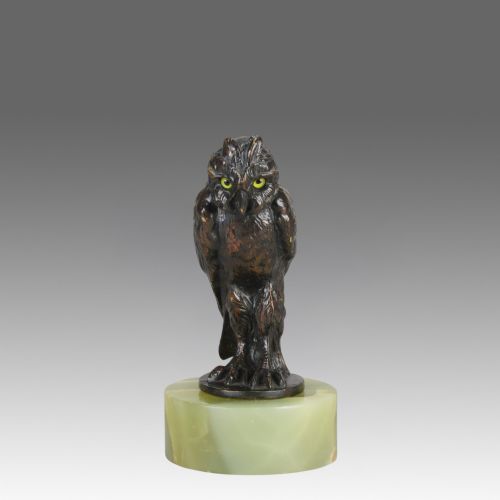
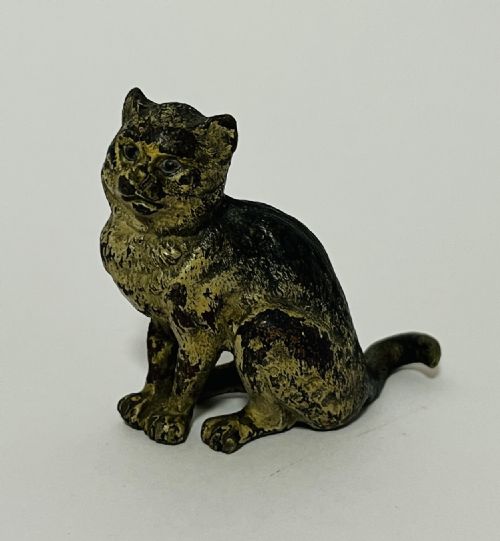
The most common pieces met on this page are cold-painted animal figurines, including dogs, birds, and woodland creatures, often modelled with character and humour. Desk items such as inkwells, bookends, and letter clips also appear frequently among the listings.
Originating primarily from Vienna, these objects span several design movements including Victorian naturalism, Art Nouveau, and Art Deco. The selection reflects production dates reaching from the mid-nineteenth century through to the interwar period.
How they were made
The foundation of these objects is a bronze casting, created using the lost-wax method to capture fine details in feathers, fur, and facial expressions. Some works utilise alternative base metals such as spelter or incorporate mounts of marble and green onyx.
Colour is applied through a cold-painting technique where layers of dust paint or enamel paint are fixed to the unheated metal surface without kiln firing. This low-temperature method allows for intricate multi-coloured patterning on birds, clothing, and naturalistic settings.
Antique Vienna Bronze Retail Price Guide 2026
Typical asking prices for vienna bronze among the pieces listed under this phrase on Sellingantiques today, from the lower quarter to the upper quarter. They describe what is for sale here now, not the wider market.
Materials appearing across the inventory include cold-painted bronze, enamel, marble, onyx, and cast spelter.
What varies in quality
Quality rests heavily on the crispness of the original bronze casting and the nuance of the hand-applied pigment. Superior examples display sharp anatomical definition beneath the paint layers rather than smoothed-over details from worn moulds.
Artistic authorship and studio origin elevate certain works, particularly those bearing recognisable signatures or stamps from prominent Viennese foundries. The complexity of the subject matter, such as multi-figure Orientalist groupings or mechanical elements in inkwells, also separates standard production pieces from masterworks.
Franz Bergman·Franz Xaver Bergman·Rudolf Küchler·Josef Lorenzl·Hans Müller·Franz Gruber·Friedrich Goldscheider
The Antique Vienna Bronze Glossary
- Cold-painted
- A method of decorating metal sculptures where oil-based paints are applied to the cold bronze surface without subsequent firing.
- Geschutzt
- A German term meaning protected or registered, often stamped on Austrian bronzes to indicate a patented design or trademark.
- Orientalism
- An artistic style depicting Middle Eastern and North African subjects, highly popular among Viennese bronze founders.
- Spelter
- A zinc alloy frequently used as a cheaper alternative to bronze for figurative castings and decorative desk accessories.
Antique Vienna Bronze: Frequently Asked Questions
What is cold-painted bronze?
Cold-painted bronze refers to metal sculptures decorated with unbaked oil paints applied directly to the cast surface.
This technique permitted intricate polychrome detailing on feathers, garments, and animal coats without the high temperatures required for enamel firing.
How do I identify a Bergman bronze?
Pieces from the Bergman foundry often feature specific foundry marks, stamped urn symbols, or distinct signature ciphers.
The workshop specialised in naturalistic animals and Orientalist figures characterised by meticulous casting and distinctive colour palettes.
Where were these bronzes made?
These decorative objects were produced primarily in workshops located in Vienna, Austria, during the late nineteenth and early twentieth centuries.
Craftsmen in the region developed a distinct style combining detailed metal sculpture with vibrant surface painting.
How should I clean antique bronze?
Antique bronzes require gentle dusting with a soft, dry brush to preserve delicate surface pigments.
Moisture and chemical cleaners should be avoided because water or solvents easily strip away the original cold-painted finish.