
Vienna Bronze Figurine
A vienna bronze figurine brings miniature worlds to life through detailed metalwork and delicate colour.
Vienna Bronze Figurine
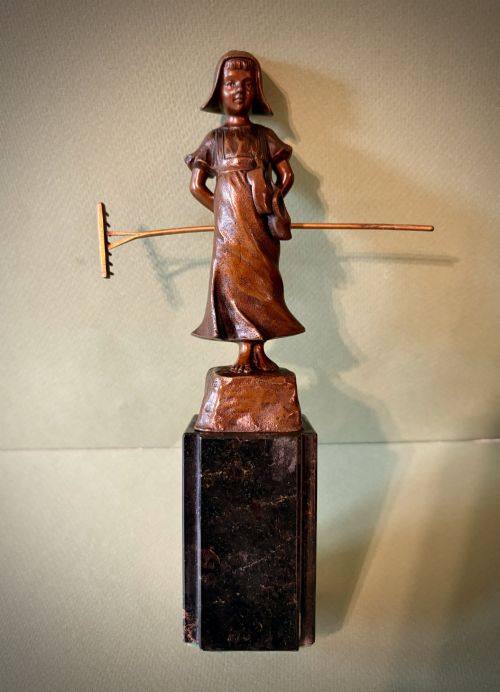
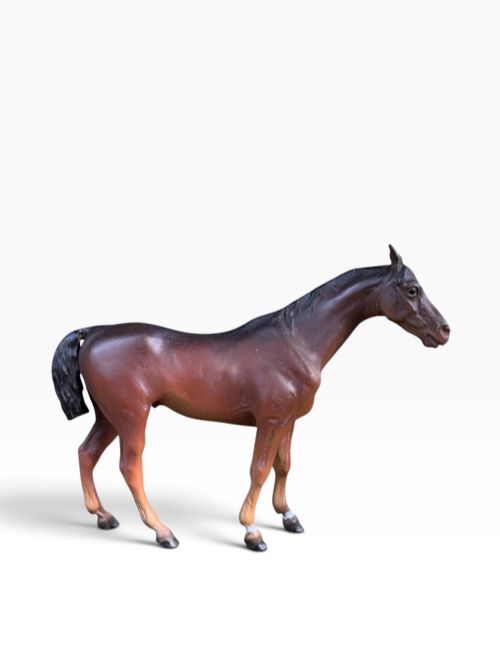
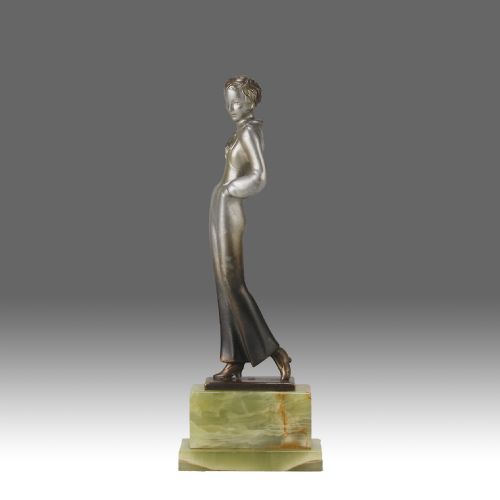
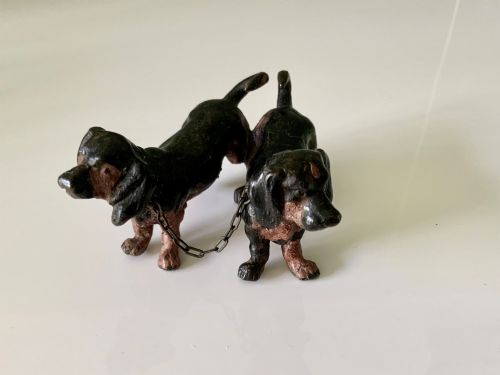
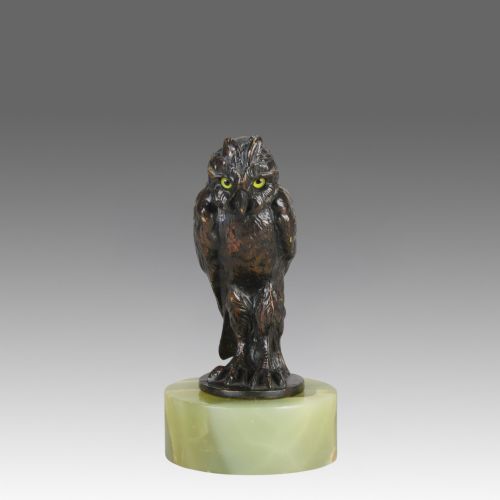
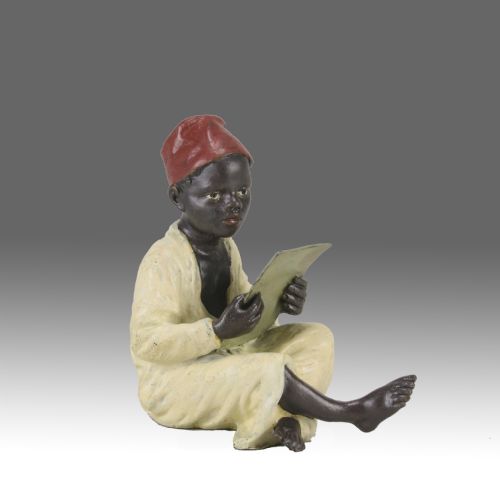
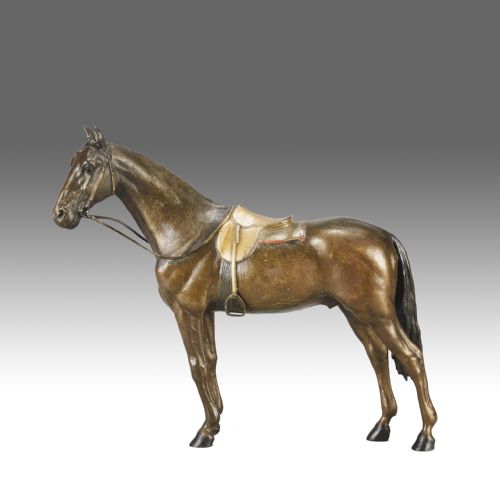
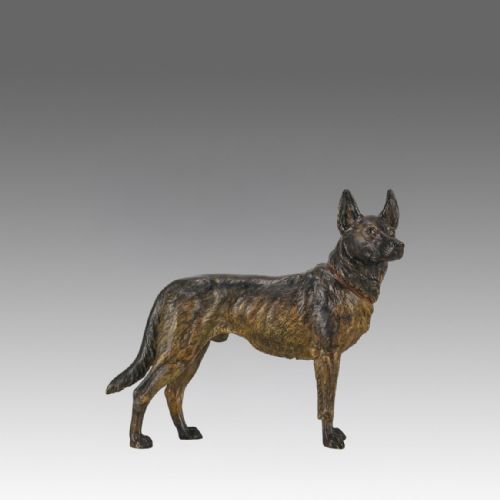
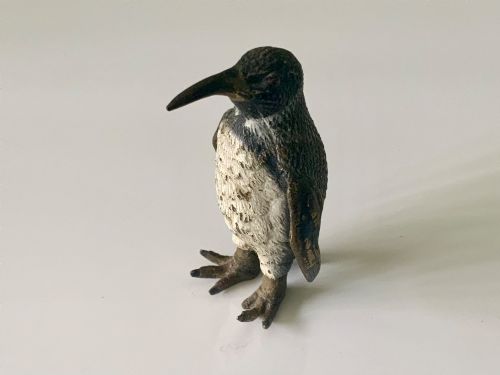
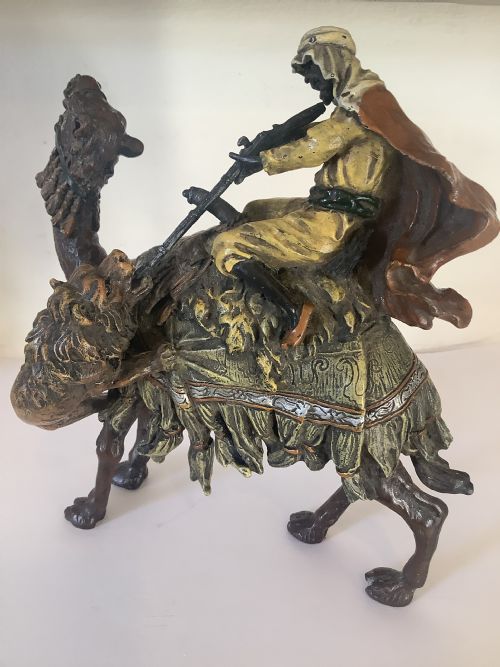
A vienna bronze figurine encompasses small sculptural works produced in Austrian workshops during the nineteenth and twentieth centuries. These pieces typically depict animals, human figures in Orientalist attire, and genre scenes rendered with careful observation.
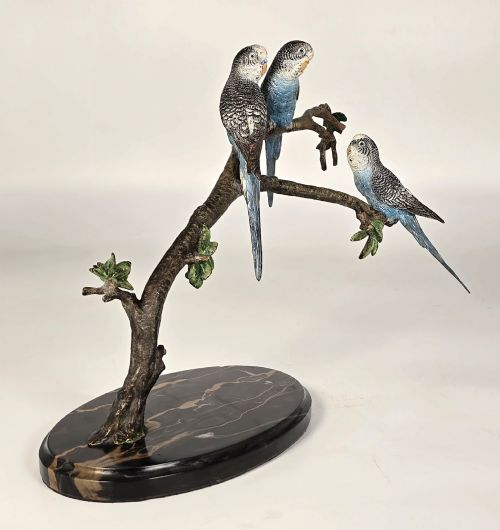
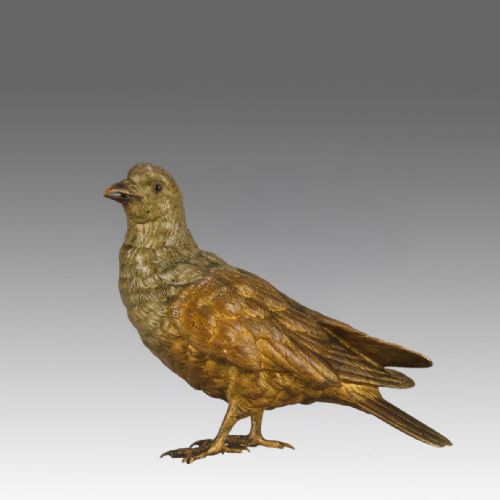
The selections available here span periods from the Victorian era through the Art Deco movement, capturing subjects ranging from naturalistic birds and dogs to expressive human characters. Miniature sculptures and animal figurines dominate the forms, often mounted on bases of marble or onyx.
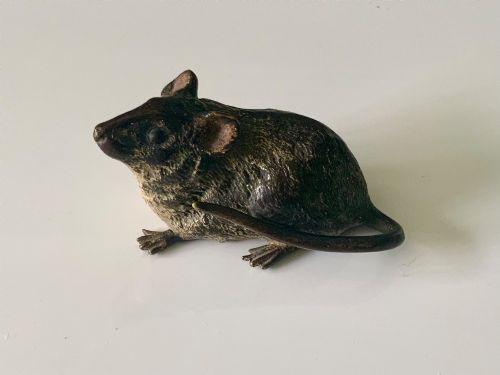
Makers focused heavily on realism combined with decorative flair, resulting in objects that function both as cabinet pieces and desk ornaments. Collectors encounter everything from solitary rodents and birds to complex figures engaged in cultural activities.
How they were made
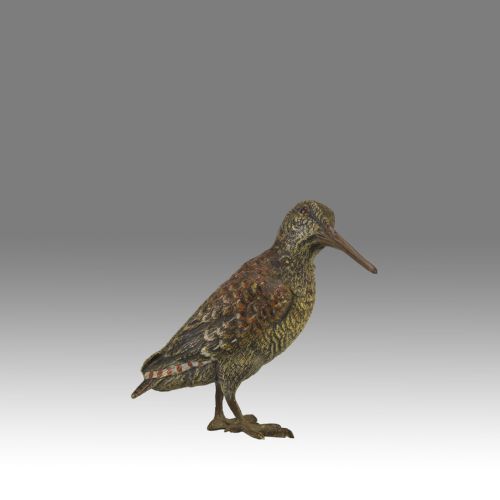
Craftsmen cast these figures in bronze using traditional methods before applying multiple layers of unfired pigment by hand. This cold-painted technique allowed for intricate polychrome details on feathers, fur, and clothing without the need for kiln firing.
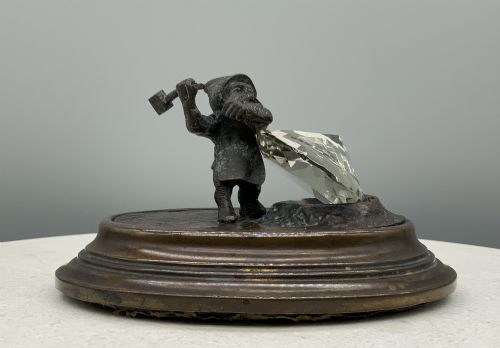
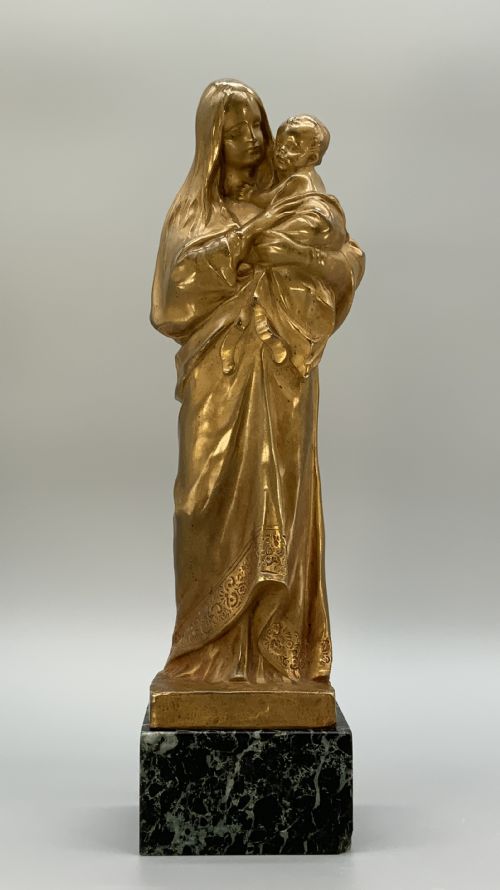
Some works incorporate natural mineral elements, mounting the metal figures on green onyx or marble bases, or pairing them with cut crystal. Gilt bronze finishes also appear, providing a contrasting metallic lustre to specific sculptural compositions.
Listings feature periods spanning from the Victorian era through the 1930s, utilising bronze, paint, onyx, and cut crystal.
What varies in quality
The distinction between tiers rests upon the precision of the casting and the sensitivity of the hand-applied paint. Superior examples exhibit finer anatomical definition in the animal subjects and more complex expressions in human figures.
Signature placement and foundry marks often distinguish works produced by prominent Austrian ateliers from anonymous workshop output. The preservation of the original cold-painted surface heavily influences the desirability of each piece.
Franz Bergman·Josef Lorenzl·Hans Müller·Friedrich Goldscheider·Carl Kauba·Franz Xaver Bergman
The Vienna Bronze Figurine Glossary
- Cold-Painted Bronze
- Metal sculpture decorated with unfired paint applied directly to the surface after casting. This technique creates vibrant polychrome finishes that require careful handling to preserve.
- Orientalism
- Artistic style focusing on subjects from the Middle East and North Africa, popular in European sculpture. These pieces often depict figures in traditional regional attire.
- Vienna Bronze
- Small bronze sculptures produced primarily in Austrian workshops during the late nineteenth and early twentieth centuries. They are recognised for their naturalistic animal subjects and painted details.
- Polychrome
- The practice of decorating sculptural surfaces in multiple colours. In these figures, paint brings realism to feathers, fur, and garments.
- Patina
- The natural or induced coloration formed on the surface of bronze over time. It results from age, handling, or chemical treatment applied by the maker.
Vienna Bronze Figurine: Frequently Asked Questions
What is a vienna bronze figurine?
A vienna bronze figurine is a small metal sculpture originating from Austrian workshops, typically decorated with hand-applied cold paint. These pieces portray animals, birds, and human figures with distinct character.
Craftsmen produced them in vast numbers during the late nineteenth and early twentieth centuries, capturing everything from domestic pets to elaborate Orientalist scenes.
How were these bronzes painted?
Artists used a cold-painting technique, applying layers of dust paint mixed with binder directly onto the cast metal without kiln firing. This method allowed for subtle shading on feathers, fur, and clothing.
Because the paint was not baked on, surviving examples often show varying degrees of surface wear that reflect their age and history.
Why are animals common subjects?
Makers drew inspiration from the natural world, observing the postures of dogs, birds, and woodland creatures with great precision. These animal studies appealed to Victorian and Edwardian collectors who favored realism in decorative objects.
Many animal figures served practical roles as paperweights or desk accessories while adding charm to domestic interiors.
How do I display them?
These miniature sculptures suit placement on desks, bookshelves, or inside glass cabinets where their fine details remain visible. Keeping them away from direct sunlight and moisture helps protect the delicate painted surfaces.
Handling them gently by their bases or main bodies prevents unnecessary friction against the fragile polychrome finish.