



Antique Orientalist Decor
These pieces of antique orientalist decor bring together nineteenth-century craftsmanship and romanticized foreign subjects.
Antique Orientalist Decor
Antique orientalist decor encompasses nineteenth-century and early twentieth-century items reflecting European artistic fascination with Middle Eastern, African, and Asian cultures.
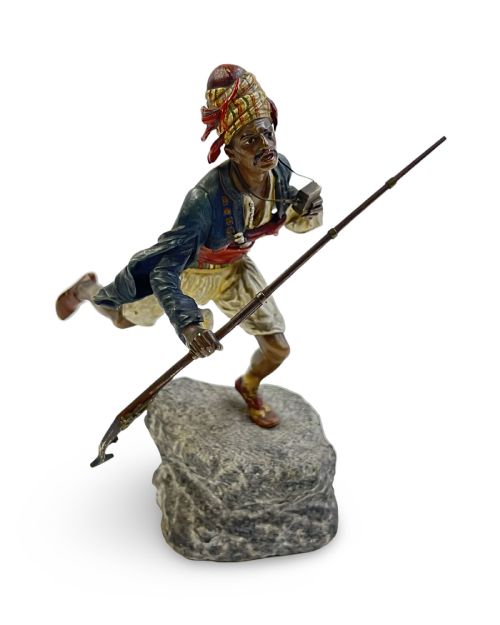
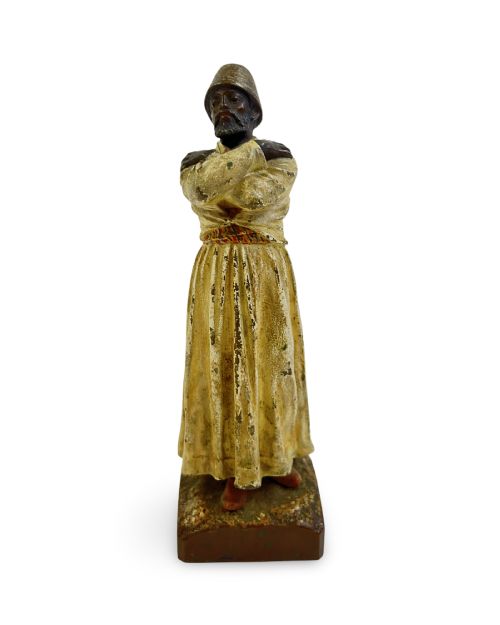
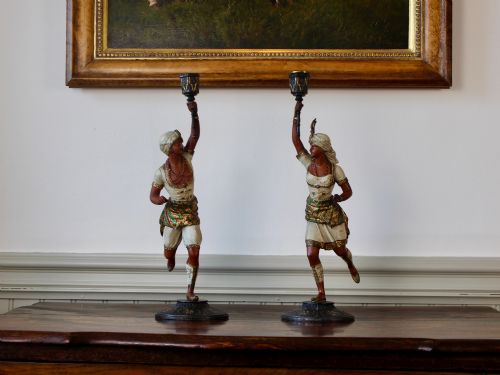
Buyers frequently encounter cold-painted bronze figures, wall pieces, table lamps, ewers, and porcelain figurines spanning the Victorian era and the early twentieth century.
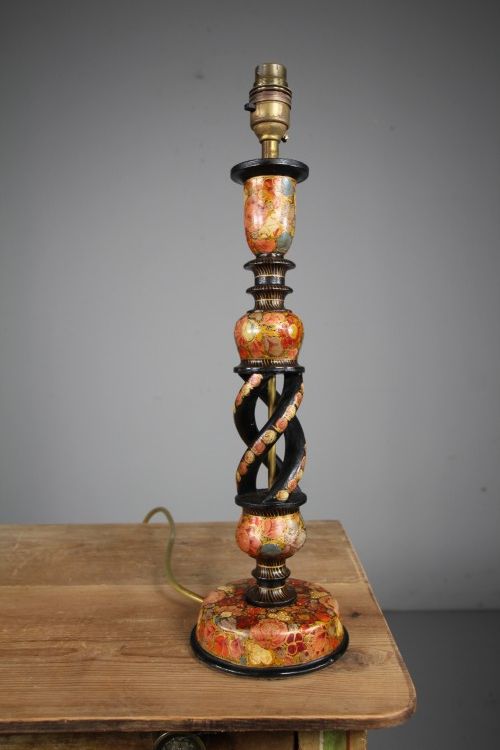
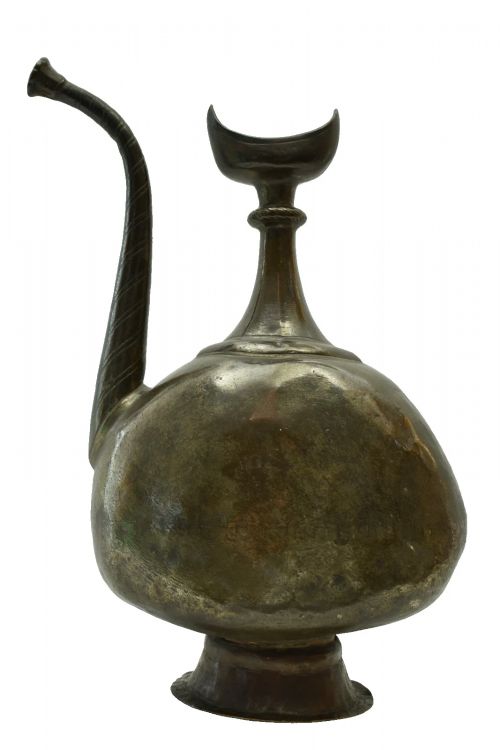
The selection ranges from Anglo-Indian inlaid mirrors and Kashmiri lamps to Ottoman bronze ewers and French painted columns.
Materials and construction methods
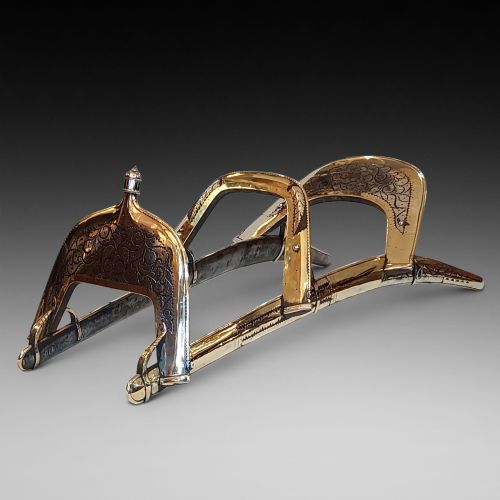
Metalwork relies heavily on cast bronze, brass, and spelter, often finished with cold-painted polychrome decoration or intricate bone and brass inlays.
Wooden and papier-mâché objects utilise traditional lacquering techniques, while canvas panels and paintings employ encaustic and oil pigments.
Ceramic pieces, including porcelain figurines and earthenware pitchers, demonstrate detailed moulding and hand-painted glazes.
Camels and whirling dervishes share shelf space with French ladies and neo-classical columns.
Factors influencing quality
The precision of the casting and the preservation of original cold-painted surfaces heavily dictate the desirability of metal sculptures.
Intricacy in hand-applied inlay work on wood and brass distinguishes standard production items from finer decorative pieces.
Fidelity to period forms and the presence of maker stamps or attributed foundry marks elevate the standing of individual works.
Franz Xaver Bergman·Jennens and Bettridge·Hadley Worcester·Royal Dux
The Antique Orientalist Decor Glossary
- Cold-painted bronze
- Bronze sculpture painted with unheated oil-based paints after casting. This technique was popular in late nineteenth-century Viennese workshops.
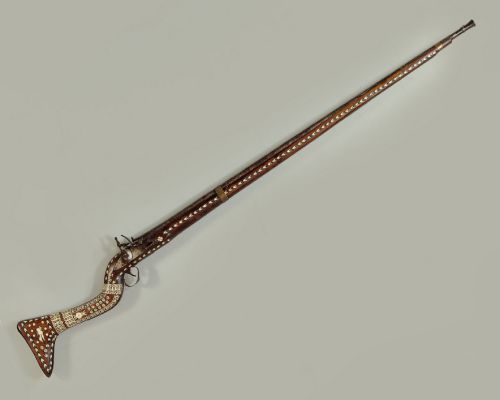
- Jezail
- A traditional type of long-barrelled flintlock or percussion rifle associated with Afghanistan. Often found mounted with decorative bone inlay on wall pieces.
- Ewer
- A large jug with a wide spout used historically for pouring water. Antique examples often feature crescent moon finials and Islamic brass motifs.
- Papier-mâché
- A composite material made from paper pulp or reinforced sheets bound with glue. Jennens and Bettridge utilised this method for lacquered vases.
- Encaustic
- A painting method using heated beeswax mixed with coloured pigments. Applied to canvas for textural depth.
Antique Orientalist Decor: Frequently Asked Questions
What defines orientalist decor?
It encompasses nineteenth-century European artistic interpretations of Middle Eastern, North African, and Asian subjects.
These pieces reflect western fascination with eastern cultures through sculpture, metalwork, and painting.
How do I identify cold-painted bronze?
Cold-painted bronzes feature hand-applied oil paint directly onto the cast metal without firing.
Over time, genuine examples show natural wear to the painted surface, revealing the bronze underneath.
Where were these pieces made?
Items originate from European centres like Vienna, France, and Britain, alongside items imported from Kashmir and the Ottoman Empire.
European factories often created fantasy depictions of distant lands for domestic display.
How should I clean antique metalwork?
Dust metal surfaces gently with a soft, dry brush to preserve delicate patinas and paint.
Avoid commercial polishes, especially on cold-painted items, which strip away original colour.