


Antique Austrian Cold Painted Bronze
Antique austrian cold painted bronze brings small animal figures, desk accessories and dancers into rooms through vivid colour applied to cast metal.
Antique Austrian Cold Painted Bronze
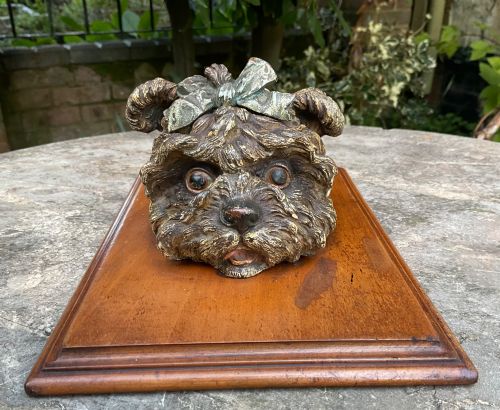
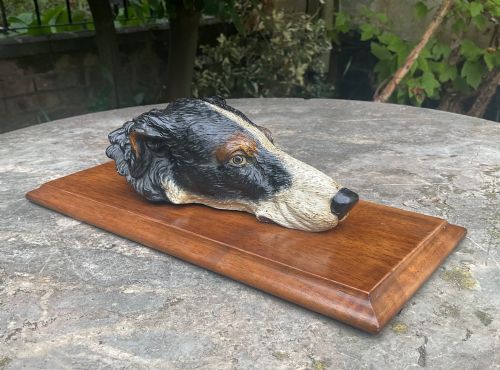
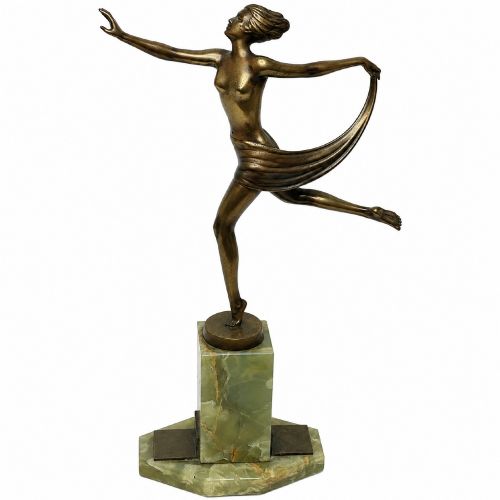
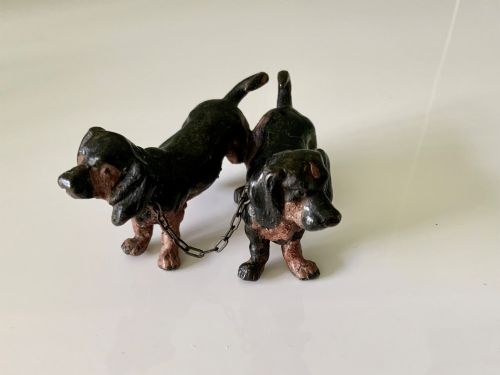
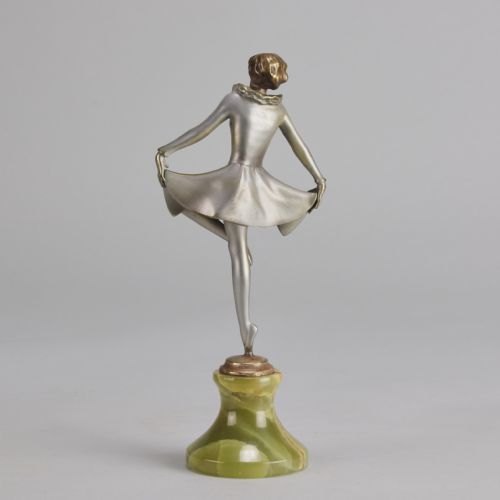
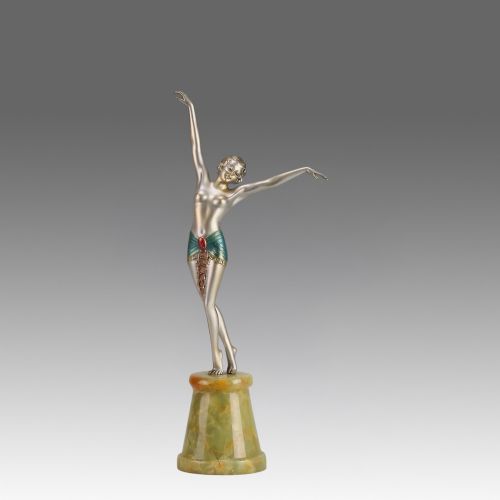
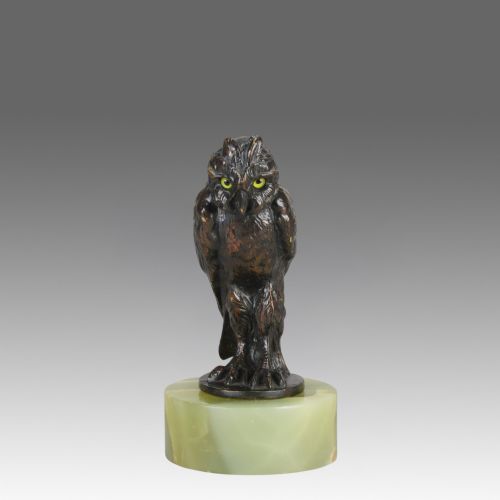
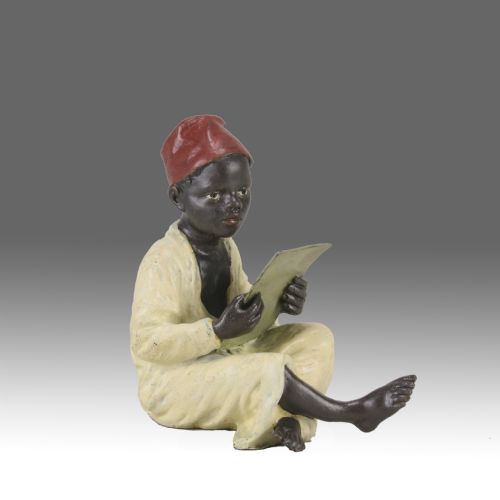
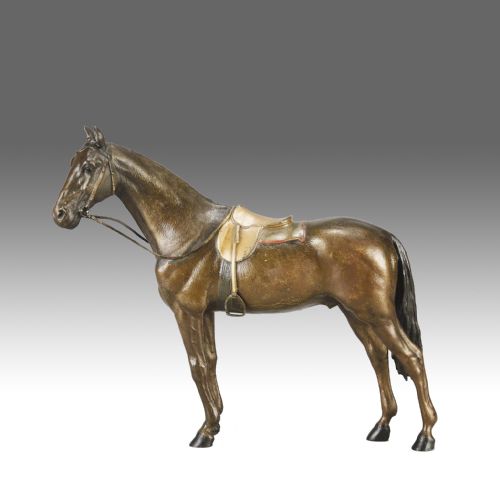
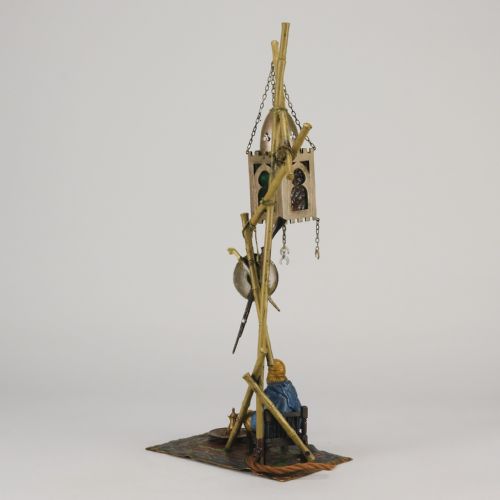
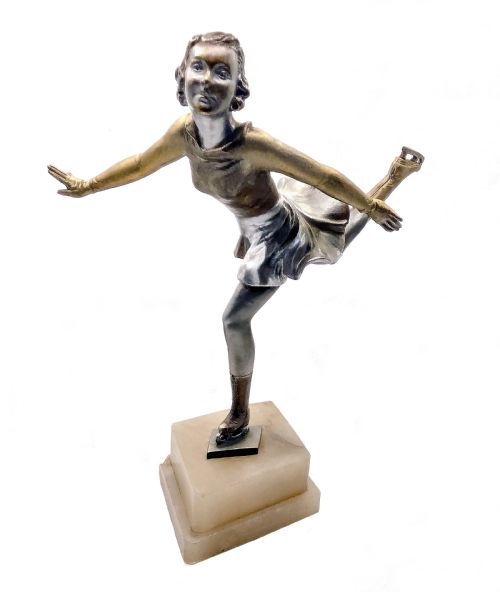
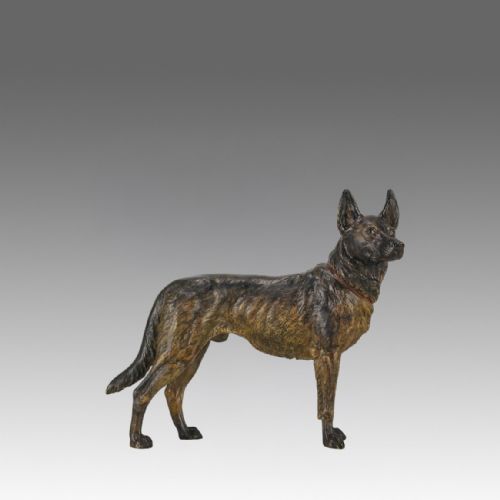
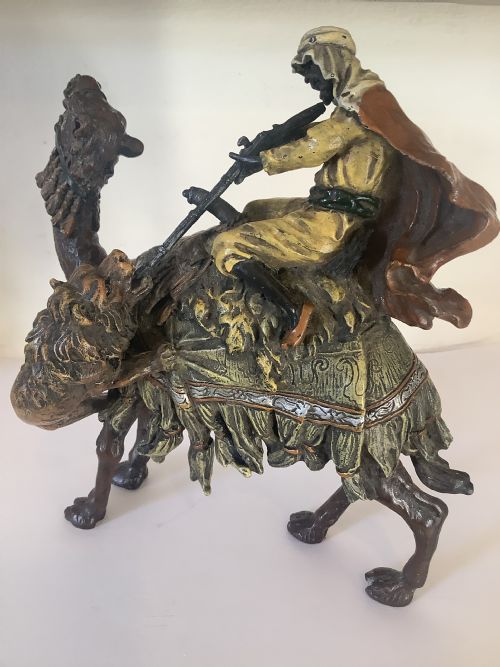
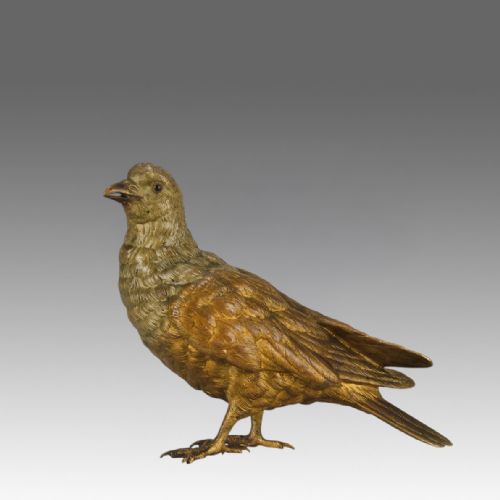
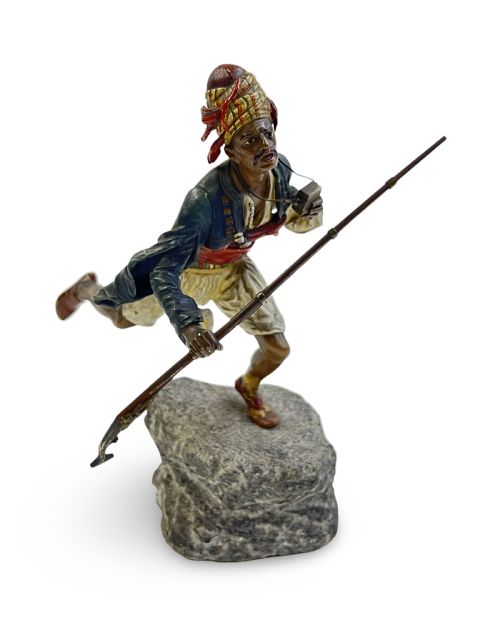
When you search for antique austrian cold painted bronze, you encounter small sculptures, figurines, and desk accessories originating primarily from the late nineteenth and early twentieth centuries. These pieces encompass diverse subjects ranging from native wildlife and domestic dogs to Orientalist human figures and dancers.
The objects span multiple recognised periods including Victorian eras, the Art Nouveau movement, and Art Deco designs. Common forms include paper clips, desk tidies, table lamps, and freestanding animal studies mounted occasionally on green onyx bases.
How they were made
These items begin as bronze castings created through traditional methods, capturing intricate detail in figures of birds, animals, and human subjects. The defining characteristic involves the application of cold paint, meaning the pigment is applied without subsequent firing in a kiln.
Makers utilised enamel paint directly onto the metal surface, sometimes mounting completed bronze figures onto complementary bases made of materials like marble or onyx.
Antique Austrian Cold Painted Bronze Retail Price Guide 2026
Typical asking prices for austrian cold painted bronze among the pieces listed under this phrase on Sellingantiques today, from the lower quarter to the upper quarter. They describe what is for sale here now, not the wider market.
Listings feature periods spanning from the Victorian era through the 1930s, incorporating materials such as onyx, marble, and enamel paint.
What varies in quality
Quality rests significantly in the crispness of the initial metal casting and the preservation of the applied cold paint over time. Finer examples display meticulous detail in feathers, fur, and facial expressions, alongside harmonious colour palettes that remain intact.
The artistic attribution and signature marks also divide the standard production pieces from works associated with prominent foundries and modellers of the period.
Josef Lorenzl·Franz Bergman·Franz Xaver Bergman
The Antique Austrian Cold Painted Bronze Glossary
- Cold-Painted Bronze
- A metal sculpture technique where paint is applied to the bronze surface without heat fixing. This method allows for subtle polychrome decoration on small figures.
- Vienna Bronze
- A term describing small-scale bronze sculptures produced in Vienna during the late nineteenth and early twentieth centuries. These pieces often depict animals or Orientalist scenes.
- Orientalism
- An artistic style reflecting Western interest in Middle Eastern and North African subjects. Figures such as Arab boys, snake charmers, and warriors frequently appear in this genre.
- Spelter
- A zinc alloy used as a substitute for bronze in decorative figures. It appears in several Art Deco pieces on this page.
- Desk Tidy
- A functional accessory designed to organise stationery items on a desk. Many examples incorporate bronze animal sculptures as part of their design.
Antique Austrian Cold Painted Bronze: Frequently Asked Questions
What is cold painted bronze?
Cold painted bronze refers to metal sculptures decorated with paint applied directly to the unheated surface. This technique allows for detailed coloration on small decorative objects.
The method produces varied hues on animal and human figures without requiring kiln firing to set the pigment.
How were these bronzes used?
Many pieces served practical functions on writing desks as paper clips, inkwells, and desk tidies. Others were purely decorative figures displayed on mantelpieces and tables.
Larger items functioned as table lamps or sculptural ornaments within Victorian and Art Deco interiors.
How do I identify Vienna bronze?
Vienna bronzes typically feature realistic or whimsical animal subjects and human figures with distinctive painted surfaces. They originate from Austrian foundries active around the turn of the twentieth century.
Signatures or foundry marks occasionally appear on the metal, though many unsigned examples share the same stylistic traits.
Where should I place them?
These small sculptures suit display on bookshelves, cabinets, and office desks where their detailed modelling can be observed closely. Keeping them away from direct sunlight protects the painted surfaces.
Functional pieces like paper clips continue to serve domestic purposes while adding period character to a room.