


Bronze Orientalist Sculpture
Bronze orientalist sculpture brings the dramatic human drama and exoticism of the near and middle east into western drawing rooms.
Identifying Bronze Orientalist Sculpture
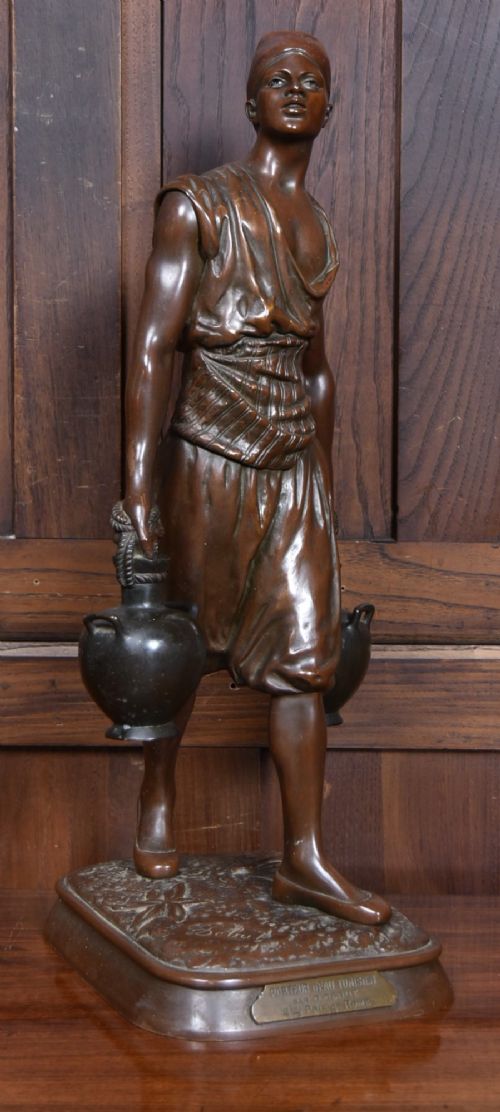
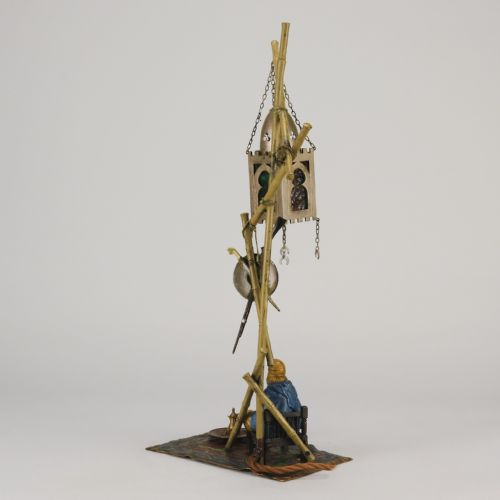
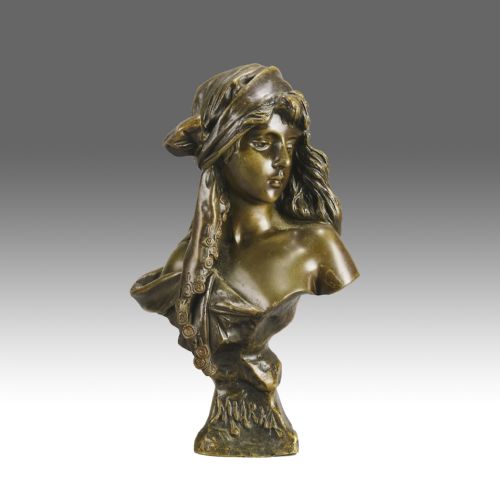
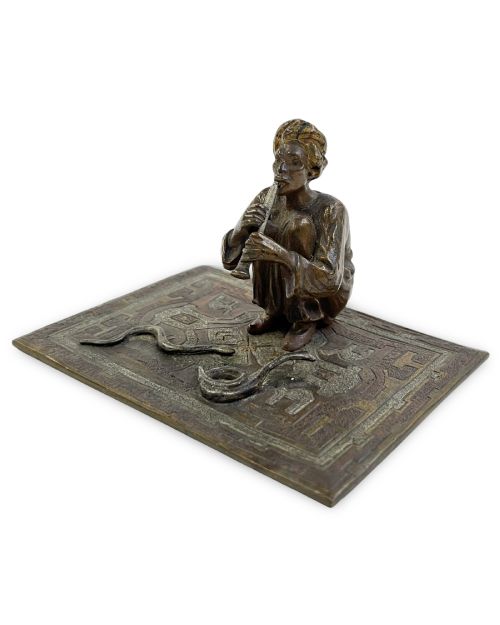
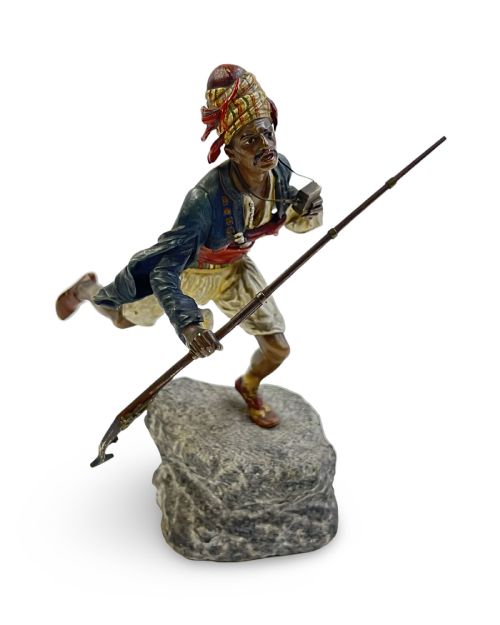
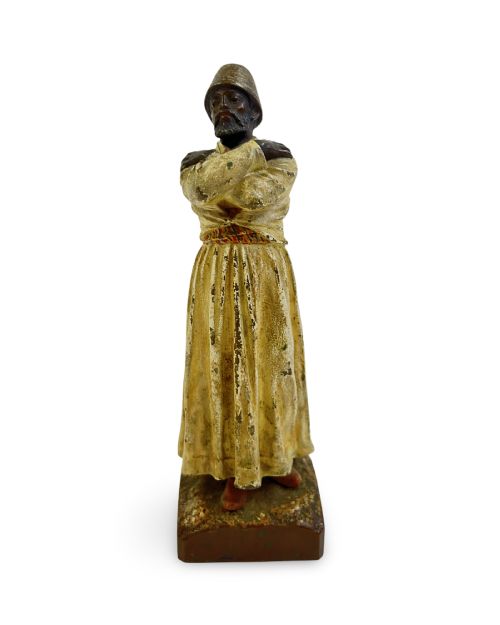
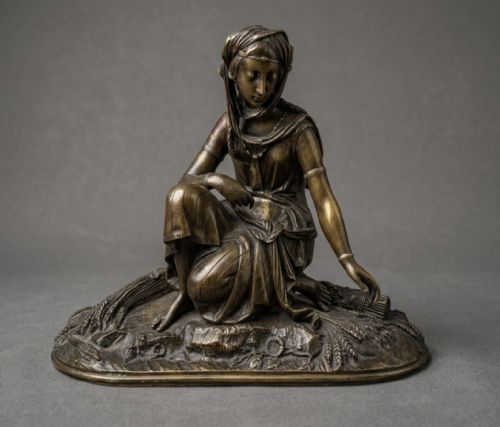
A bronze orientalist sculpture captures figures from middle eastern and north african life, ranging from snake charmers and whirling dervishes to figures writing by tables or tending fields. These works embody the nineteenth century and early twentieth century fascination with distant lands, appearing in forms such as figurines and standalone sculptures.
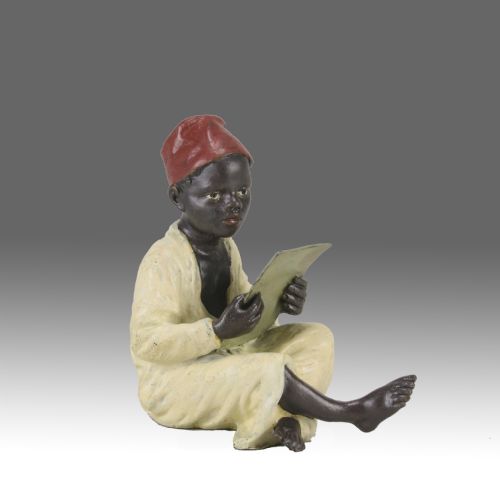
The objects seen here typically emerge from nineteenth century and twentieth century workshops, spanning periods like nineteen hundred, nineteen ten, and nineteen thirty. Buyers frequently encounter representations of arab boys, slave traders, and women in wheat fields, often mounted on marble bases.
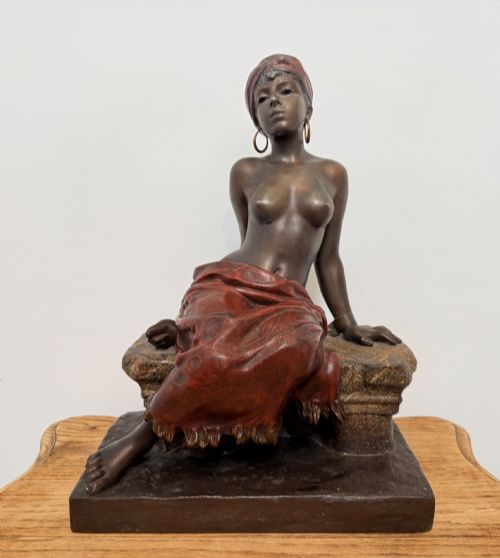
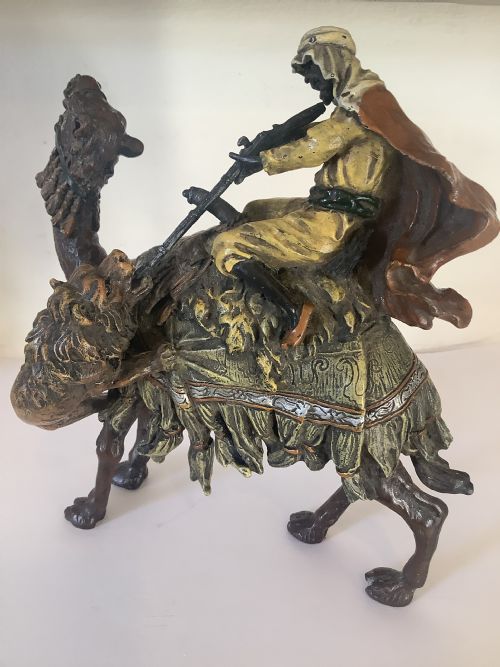
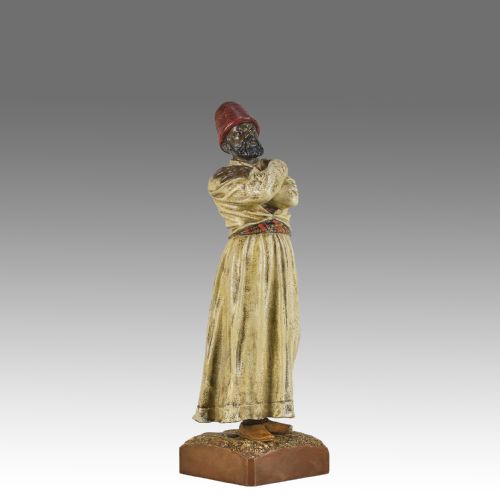
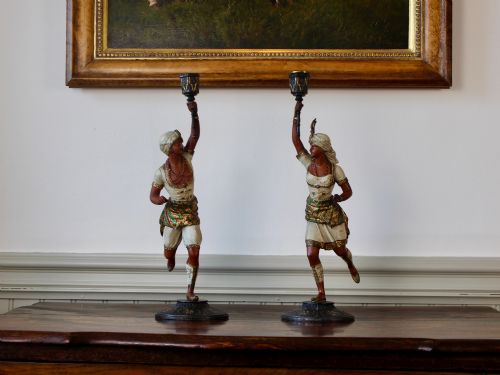
The style draws heavily on orientalist aesthetics, capturing specific cultural clothing, turbans, and architectural elements. Most examples use patinated bronze or cold-painted bronze to render rich costume details and skin tones with striking immediacy.
Materials and Technique
Surface finish is achieved through patination or cold paint, where colours are applied directly onto the cold metal surface rather than fired in a kiln. This cold-painted bronze technique allows for vibrant garments and realistic flesh tones, though the delicate paint remains susceptible to wear over time.
Retail Price Guide 2026
Typical UK retail prices for bronze orientalist sculpture, calculated from the Sellingantiques database of over a million retail prices indexed since 2003. This retail price guide relies exclusively on Sellingantiques data; no external sources or auction records are used, so the figures do not describe the wider market.
Recorded periods span the nineteenth century, nineteen hundred, nineteen ten, and nineteen thirty.
Distinctions in Quality
Preservation of the original cold-painted finish heavily dictates desirability, as untouched, vibrant surfaces retain far more character than faded or heavily restored instances. The depth of the patinated bronze and the naturalism of the sculpting separate standard foundry output from masterworks.
Franz Xaver Bergman·Franz Bergman·Guillot
The Bronze Orientalist Sculpture Glossary
- Cold-painted bronze
- A technique where pigment is applied to a cast bronze figure after casting, without subsequent firing. This method permits vivid coloration on garments and skin, characteristic of Austrian foundries.
- Patinated bronze
- Metal treated with chemical solutions to produce a specific surface colour or aged finish. This process protects the metal while enhancing the sculptural contours.
- Orientalism
- An artistic movement depicting the cultures, people, and landscapes of north africa and the middle east through western eyes. It values theatrical costumes, narrative scenes, and exotic architecture.
- Figurine
- A small three dimensional representation of a human or animal figure. These are typically cast in metal for tabletop display rather than monumental placement.
Frequently Asked Questions
What is cold-painted bronze?
Cold-painted bronze refers to metal sculptures painted after casting using non-fired pigments. This technique produces vibrant, lifelike details on clothing and accessories.
Because the paint sits on the metal surface rather than fusing through heat, surviving pieces often show characteristic ageing and pigment loss where handling occurred.
How do I date these sculptures?
Dating relies on stylistic clues, foundry marks, and the specific material treatments recorded across the nineteenth and early twentieth centuries. Pieces from this genre frequently align with european foundry output between the eighteen hundreds and nineteen thirties.
Examining the casting quality, the type of marble used for bases, and any signature or stamp helps narrow the era of production.
Where were these pieces displayed?
In period homes, these figures were placed on mantelpieces, desks, and cabinet tops as conversation pieces. They allowed collectors to display worldly tastes and an interest in distant cultures.
Their tabletop scale made them suitable for domestic interiors rather than grand institutional galleries.
Are these sculptures signed?
Some examples bear signatures, foundry marks, or artist stamps, while others remain completely unsigned. Signatures can indicate the specific sculptor or the foundry responsible for the casting.
Lack of a signature does not diminish the age or quality of a piece, as many fine nineteenth century works left workshops unmarked.