





French Orientalist Bronze
French orientalist bronze sculptures capture mid-nineteenth-century European fascination with North African subjects, offering intricate casting and rich patination.
What these pieces are
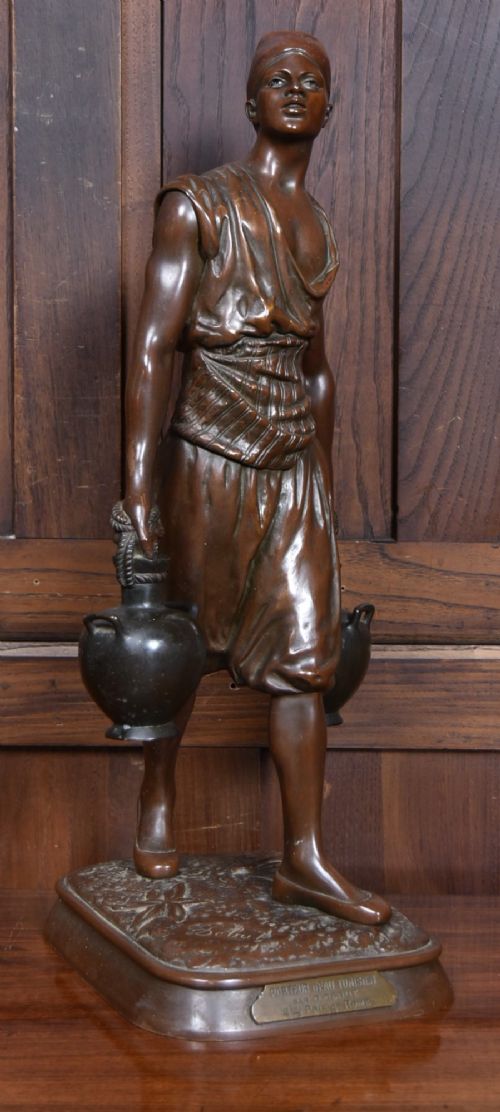
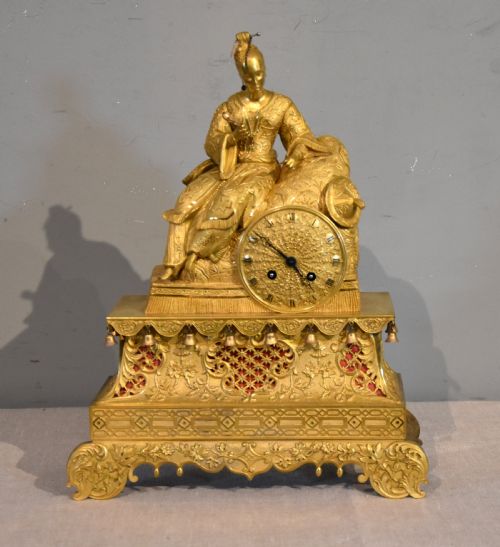
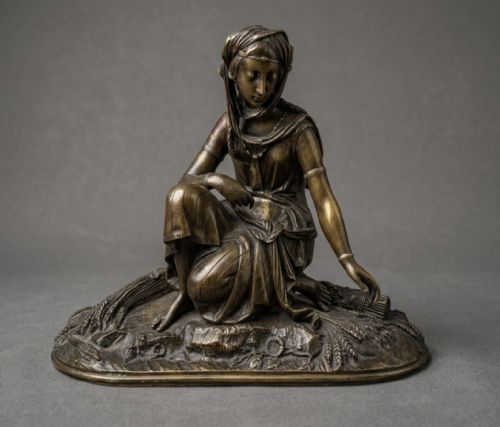
When you search for french orientalist bronze, you are looking at nineteenth-century sculptures and mantel clocks depicting figures such as water carriers, merchants, snake charmers, and riders on camels. These works reflect the European artistic movement of Orientalism, capturing scenes from North Africa and the Near East with a focus on dramatic narrative and regional costume.
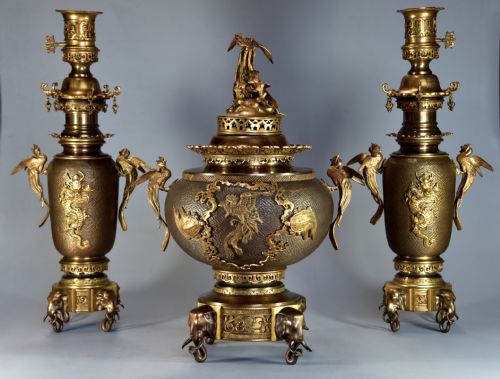
The objects appearing on this page take the form of freestanding sculptures and functional mantel clocks incorporating figural bronzes. Many sit on integrated bases of marble or oak, while others feature applied enamel or parcel-gilt details to accentuate garments and decorative accessories.
Among these offerings, you are most likely to meet nineteenth-century representations of Arab boys, merchants, and statues after known makers. The materials span standard bronze, patinated bronze, cold painted bronzed metal, and spelter substitutes, reflecting the diverse production methods of the period.
How they were made
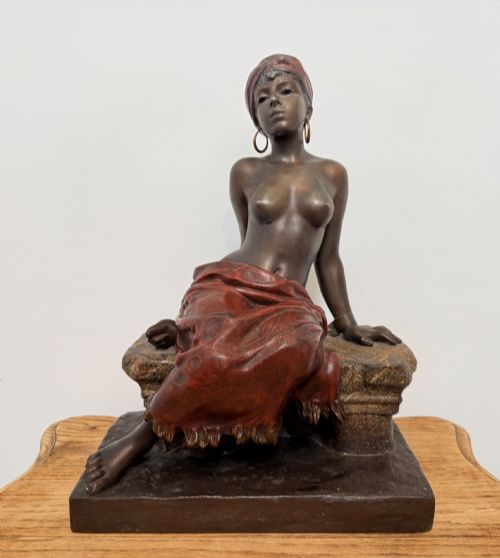
The fabrication of these pieces relies on traditional foundry casting in bronze and spelter, often finished with dark patination or cold-painted pigments. Artisans used surface treatments such as parcel-gilt details and enamel applications to highlight specific textiles and ornamental elements within the design.
Many of these figural sculptures and clock mounts are paired with heavy bases carved from marble or constructed from oak. These supporting materials provide stability and contrast with the metallic figures mounted upon them.
Retail Price Guide 2026
Typical UK retail prices for french orientalist bronze, calculated from the Sellingantiques database of over a million retail prices indexed since 2003. This retail price guide relies exclusively on Sellingantiques data; no external sources or auction records are used, so the figures do not describe the wider market.
Camel riders and serpent handlers share shelf space with water carriers, proving that nineteenth-century desks were wonderfully unpredictable.
What varies in quality
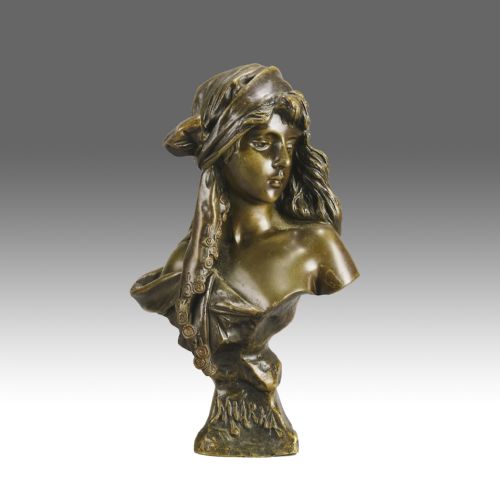
The distinction between standard commercial output and finer work lies in the sharpness of the casting and the sensitivity of the finishing. Superior examples display crisp details in facial expressions, weaponry, and woven garments, whereas lesser pieces often show softened contours and uniform surface textures.
Material choice and base construction also separate tiers of production, with heavy patinated bronze and solid marble bases outperforming lighter spelter figures mounted on simple wood. The presence of polychrome cold-painting or intricate parcel-gilt accents elevates the visual depth of the sculpture.
Arthur Waagen·Charles Arthur Bourgeois·Louis Hottoot
The French Orientalist Bronze Glossary
- Orientalist
- Pertaining to nineteenth-century European artistic works depicting the cultures and peoples of North Africa and the Near East. This style prioritises theatrical realism and narrative genre scenes.
- Patinated Bronze
- Bronze that has been treated with chemical solutions to produce a controlled surface colour or dark finish. This layer protects the metal while enhancing tonal depth.
- Cold Painted
- A technique where non-fired paint is applied directly onto the metal surface of a bronze or spelter sculpture. It allows for vibrant polychrome clothing and skin tones.
- Parcel-Gilt
- Metalwork where specific areas are partially highlighted with a thin layer of gold leaf or gilt. This draws the eye to decorative trims or metallic accessories.
- Spelter
- A zinc alloy commonly utilised as an economical alternative to bronze in nineteenth-century casting. It is softer and lighter than genuine bronze.
Frequently Asked Questions
What subjects do these bronzes show?
These sculptures depict figures from North Africa and the Near East, including merchants, water carriers, snake charmers, and camel riders. The imagery reflects nineteenth-century European interpretations of regional life and costume.
Such scenes were popular in salons and drawing rooms, serving as exotic decorative objects that sparked conversation among collectors and travellers.
Are these pieces made of solid bronze?
While many examples utilise standard bronze or patinated bronze, some figures are cast in spelter, a zinc alloy used as a less expensive alternative during the period. Bases are frequently fashioned from marble or oak to anchor the metalwork.
Examining the weight, underside, and surface wear helps determine whether a piece is cast bronze or a substitute metal.
How do mantel clocks incorporate these sculptures?
Mantel clocks from this period often feature figural bronze statuary integrated into the clock housing or standing beside the dial. The sculptural elements share the same Orientalist themes and patination techniques as freestanding bronzes.
These combination pieces served both as functional timekeepers and as sculptural centrepieces for nineteenth-century interiors.
How should I care for patinated bronze?
Patinated bronze requires minimal maintenance, needing only gentle dusting with a soft, dry cloth to prevent particulate buildup. Avoid using water, abrasive cleaners, or chemical polishes that can strip the original surface finish.
Keeping the sculpture in a stable environment away from excessive humidity protects both the metal patination and any attached marble or wooden bases.