
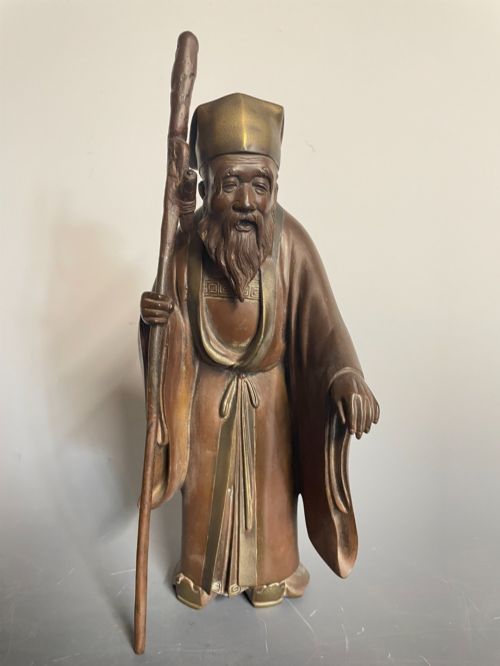
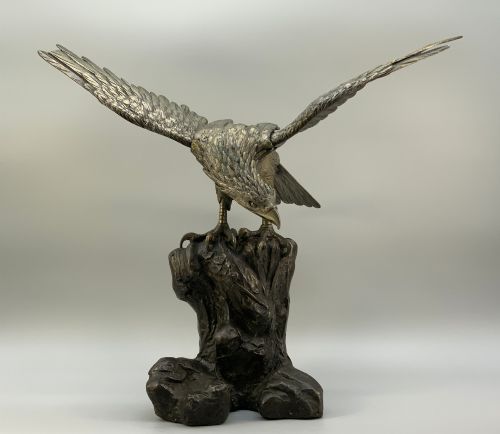
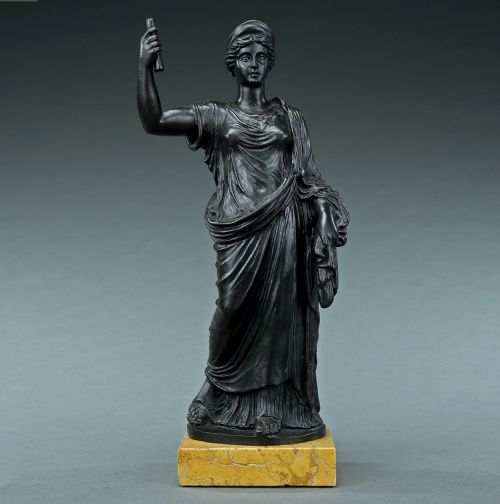
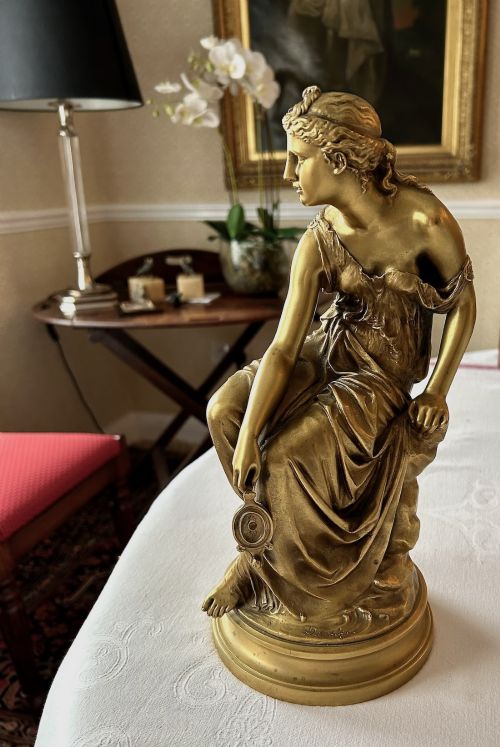


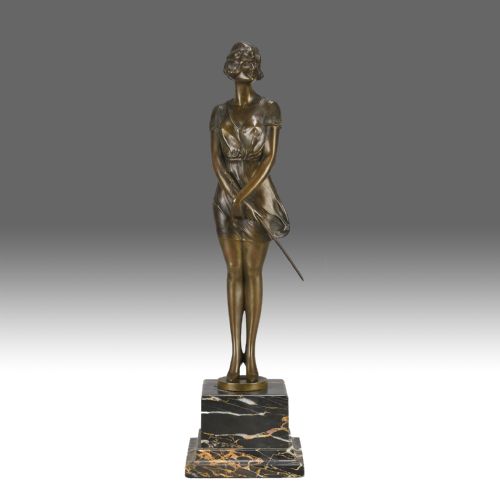
Bronze Figure Sculpture
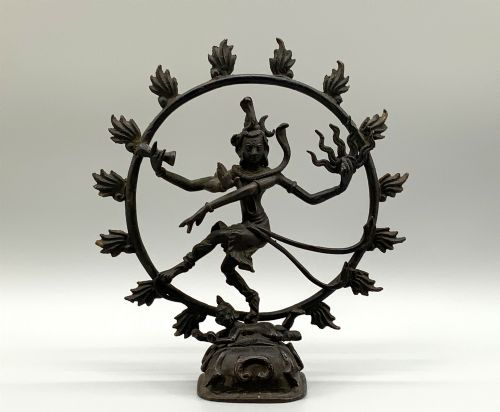
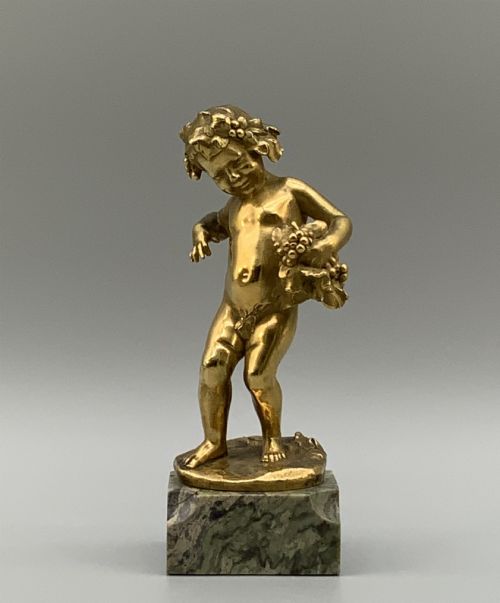
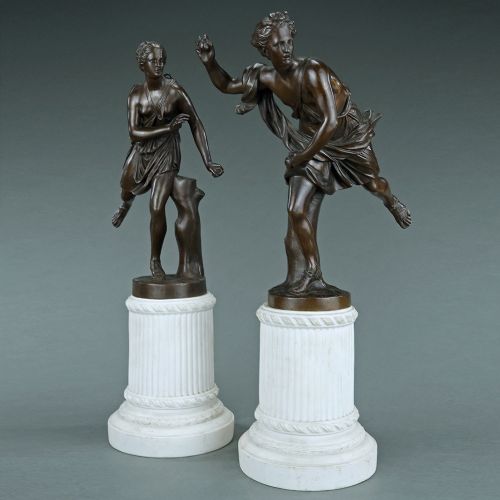
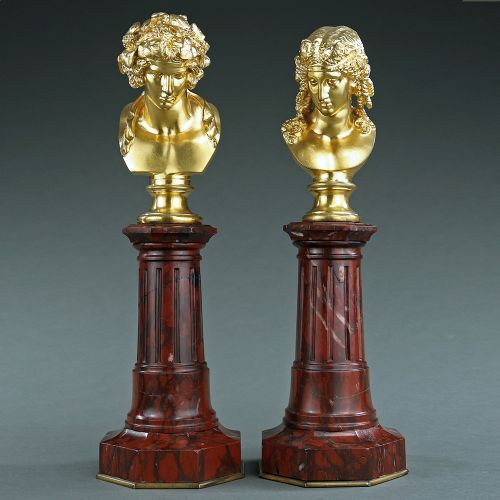
A bronze figure sculpture brings the weight and detail of nineteenth-century foundry work straight to a mantelpiece or desk.
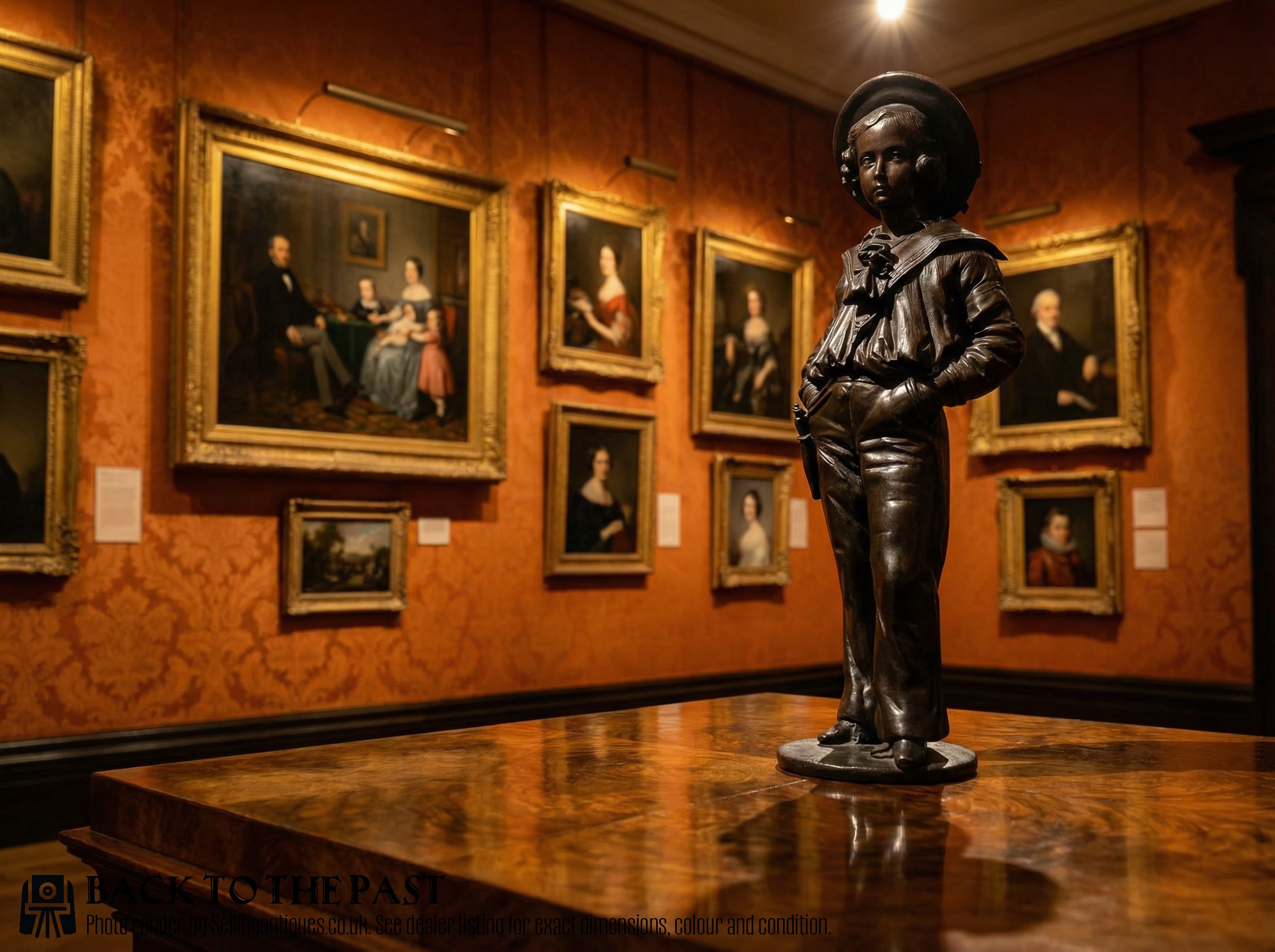
What these bronze figure sculpture pieces are
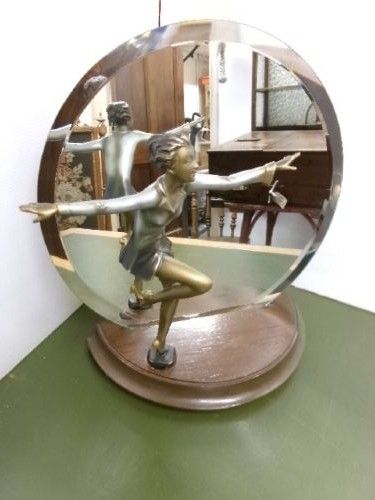
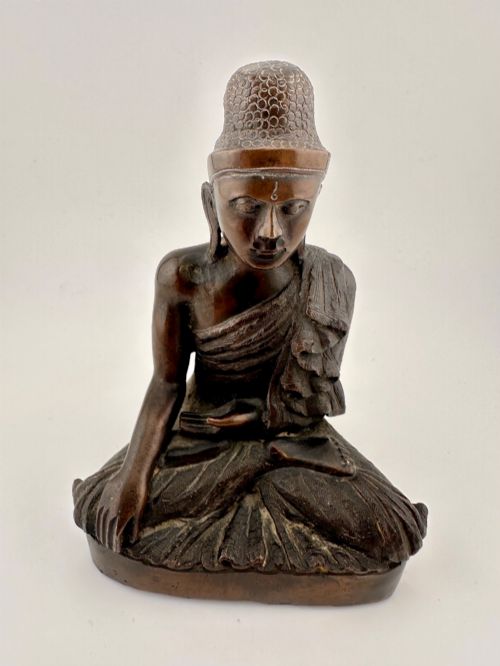
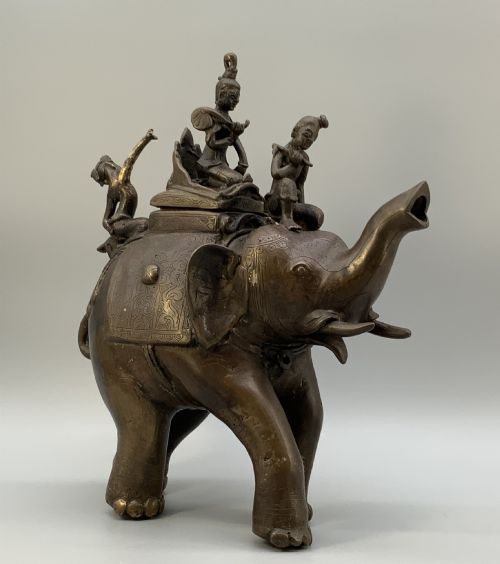
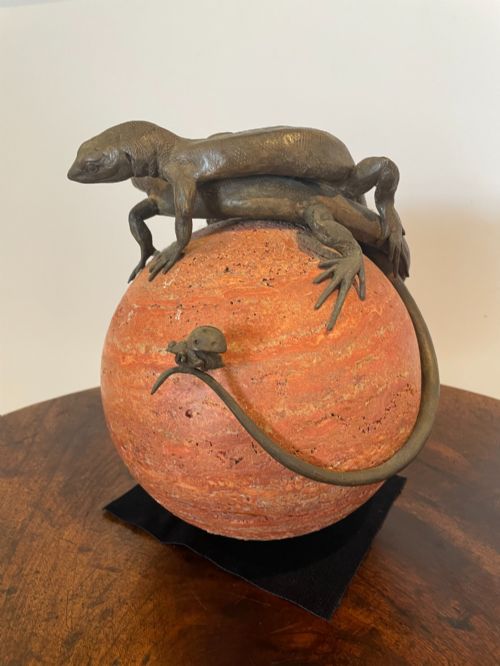
When you search for bronze figure sculpture, you encounter works ranging from Victorian allegorical figures and classical Grand Tour subjects to Orientalist studies and Art Nouveau portrait busts. These pieces include standalone statuettes, mounted figures on marble bases, and figural lamp bases cast in durable metal.
The selections span European workshops, French foundries, and British commissions, frequently capturing human subjects, historical personalities, mythological deities, and animals. Most examples date from the nineteenth century, reflecting the period's fascination with realistic casting and patination.
Collectors find everything from cabinet bronzes bearing signatures of known makers to unmarked decorative works designed for nineteenth-century interiors. Each object relies on metal casting techniques developed across Britain, France, Austria, and Italy.
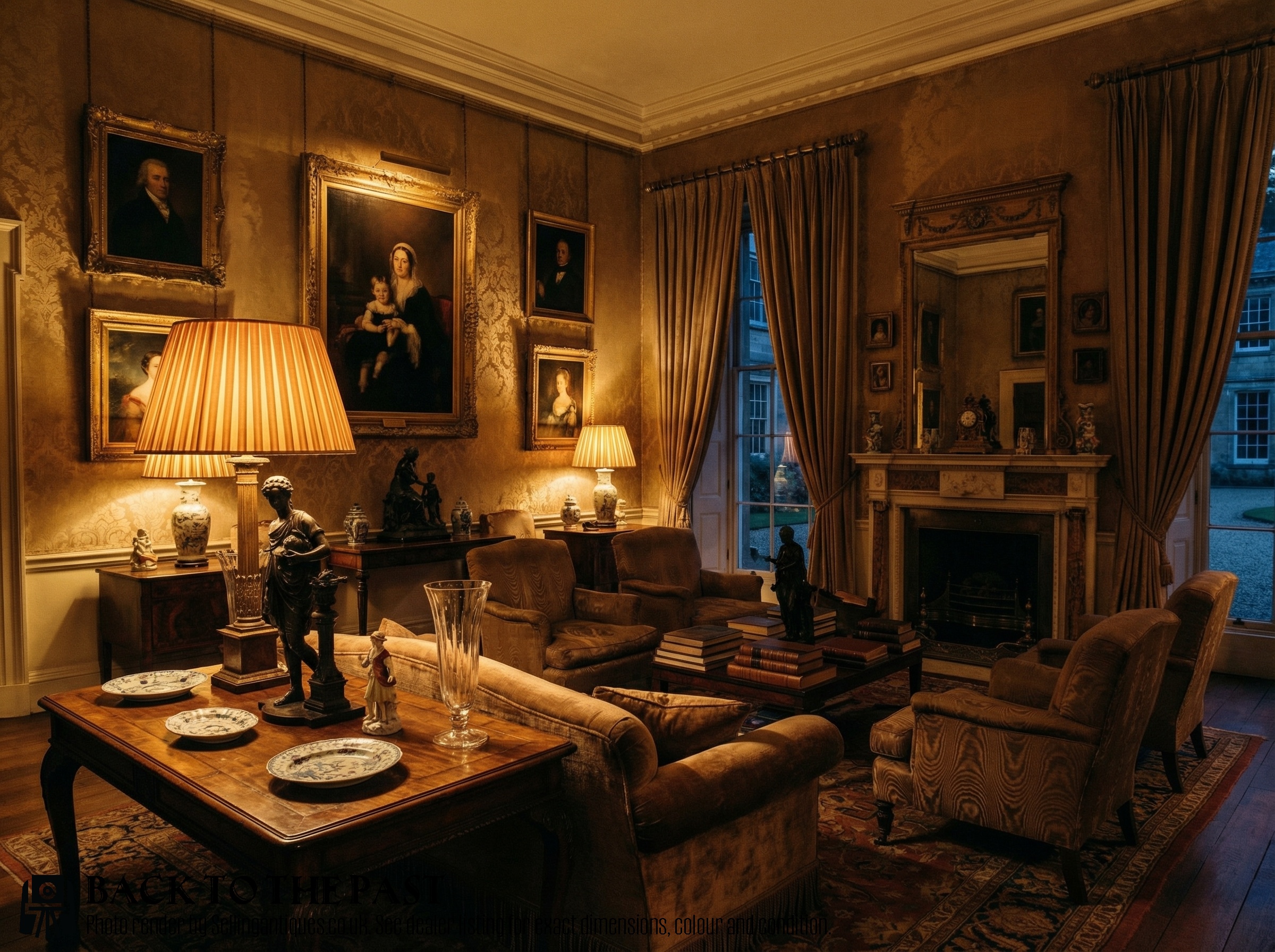
How they were made
Foundries typically utilised the lost-wax method or sand-casting techniques to shape molten metal into complex human and animal forms. Artisans then applied chemical patination to the surface, achieving shades from deep brown to golden bronze.
Retail Price Guide 2026
Typical UK retail prices for bronze figure sculpture, calculated from the Sellingantiques database of over a million retail prices indexed since 2003. This retail price guide relies exclusively on Sellingantiques data; no external sources or auction records are used, so the figures do not describe the wider market.
Listings feature materials including bronze and marble, alongside nineteenth-century periods such as the Victorian era and the year 1880.
What varies in quality
The sharpness of the chasing work separates standard decorative castings from superior studio pieces. When the sculptor and founder take care to define hands, fingers, and facial expressions clearly, the piece holds greater visual interest.
The depth and consistency of the patination also indicate quality, alongside the integration of the figure with its base. Heavier, solid metal castings with crisp foundry stamps or legible signatures demonstrate superior workshop standards.
Arthur Waagen·Georges Van Der Straeten·Perron·Denys Puech·Auguste Moreau·Math Moreau·Ferville Suan
The Bronze Figure Sculpture Glossary
- Patina
- The surface coloration and finish achieved through chemical treatment or natural ageing of the metal. This layer protects the bronze and defines its overall tone.
- Grand Tour
- A nineteenth-century cultural tradition where travellers collected classical antiquities and reductions of famous sculptures in Italy. These portable bronzes served as sophisticated souvenirs.
- Chasing
- The manual refinement of a cast metal surface using hammers and punches to clean up seams and sharpen details. It transforms a rough casting into a finished sculpture.
- Spelter
- A zinc alloy frequently used as a cheaper alternative to bronze during the nineteenth century. Figures made from this material often received a bronze-coloured coating to mimic true metal.
Frequently Asked Questions
How do I clean a bronze figure sculpture?
Dust the surface gently with a soft, dry brush to remove particles without disturbing the underlying patina. Avoid using water, household detergents, or metal polishes that strip away the historic finish.
Apply a very light coat of microcrystalline wax occasionally if the metal appears dry. Buff gently with a lint-free cloth to protect the surface from atmospheric moisture.
Are these figures solid bronze?
Many nineteenth-century sculptures are cast as hollow pieces to reduce weight and save metal, though smaller cabinet statuettes are sometimes solid. Some items listed as bronzed figures are actually patinated spelter rather than true copper-and-tin alloy.
Check the underside or base where possible to inspect the interior metal colour and casting thickness. Weight alone is not a definitive test, as marble bases add substantial heft to hollow castings.
What is an Orientalist bronze?
Orientalist works depict subjects from North Africa and the Middle East, reflecting European interest in foreign cultures during the nineteenth century. These sculptures often feature merchants, tribal figures, or daily scenes rendered with ethnographic detail.
Artists travelled extensively to observe costume and architecture firsthand before sending their models back to European foundries. The resulting casts capture specific textiles, turbans, and goods associated with the region.
How can I tell the age of a bronze sculpture?
Examine the base, fixing screws, and the quality of the surface patination for signs of age. Nineteenth-century pieces often feature hand-threaded nuts, older felt or velvet pads, and natural wear patterns on high points.
Signatures, foundry marks, and registration numbers also help date the work when matched against historical records. Stylistic cues such as Victorian classical drapery or Art Nouveau curves provide further chronological context.