
Antique Table Sculpture
When you search for antique table sculpture, you find decorative figures, animals and lamps designed for interior display.
Antique Table Sculpture
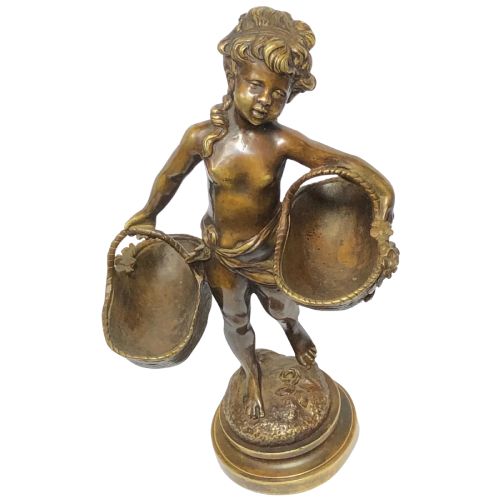
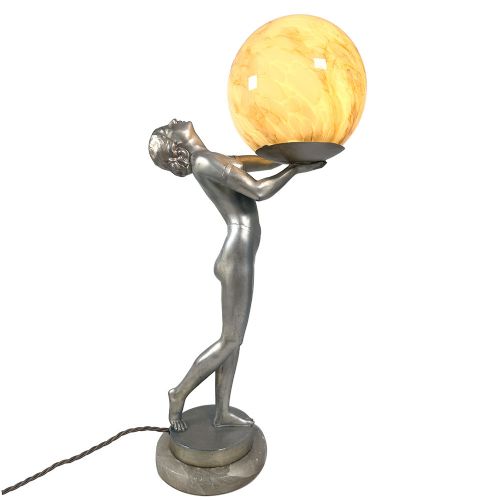
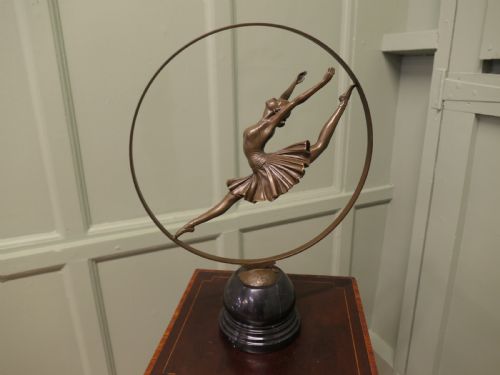
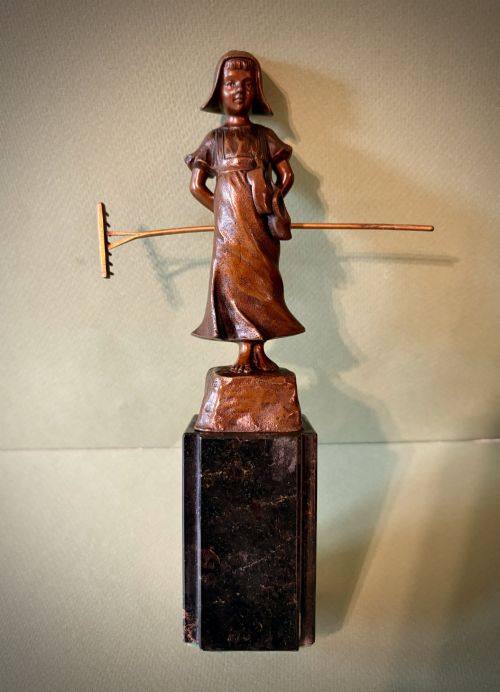
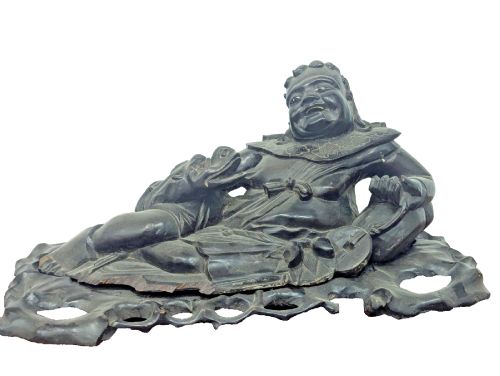
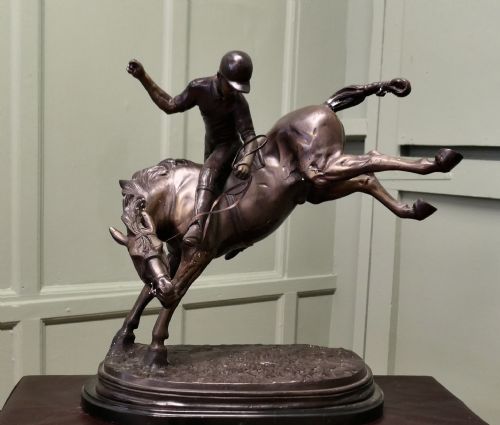
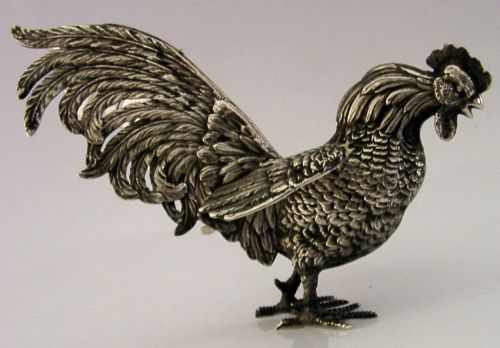
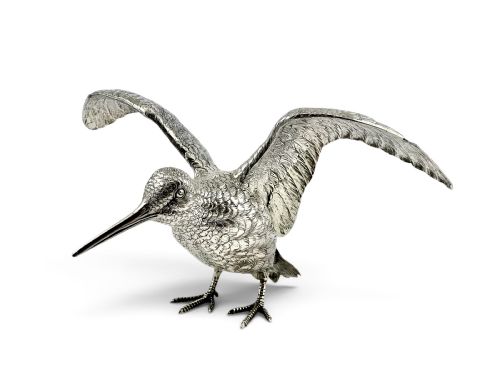
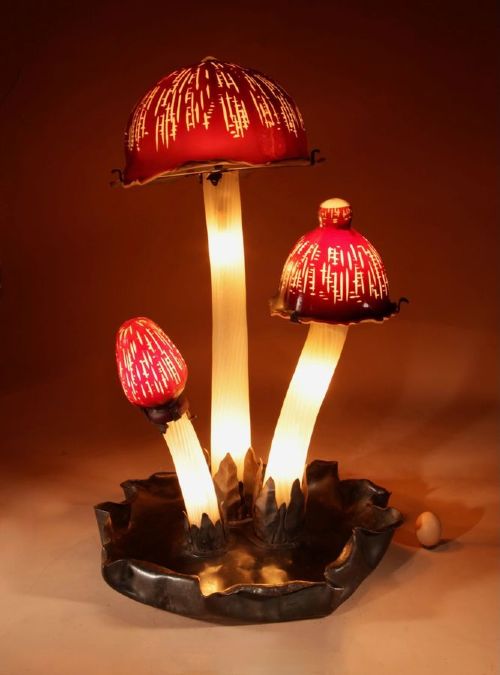
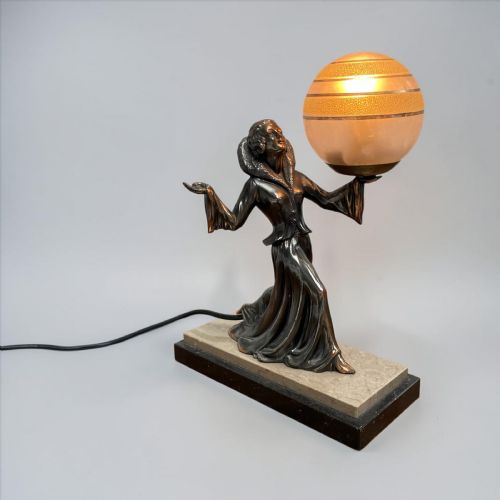
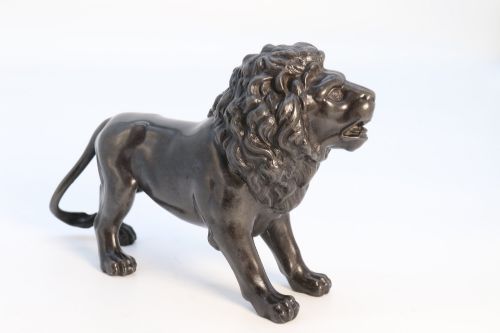
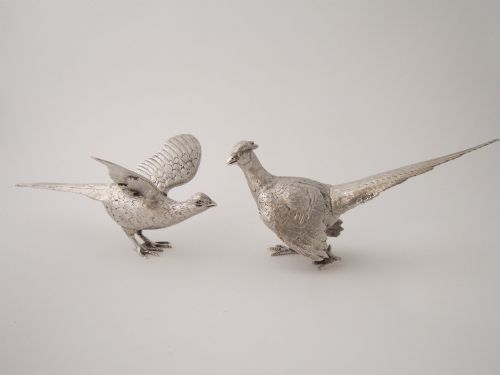
An antique table sculpture encompasses small-scale decorative objects, figures and animal studies created to sit upon furniture surfaces. The pieces seen here range from classical bronze studies and carved wood figures to metal animalier sculptures and figural lamps.
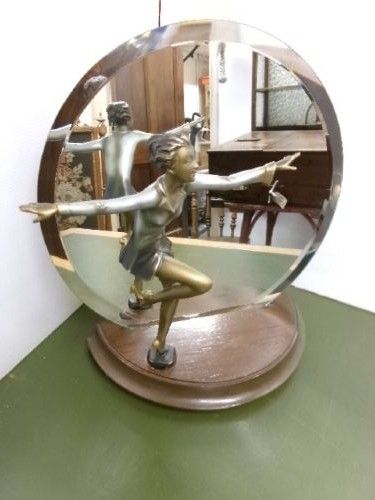
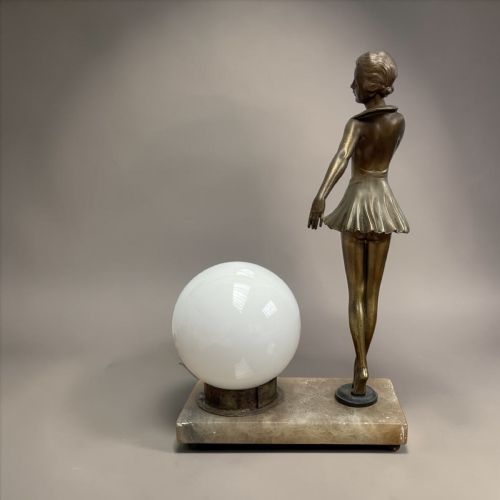
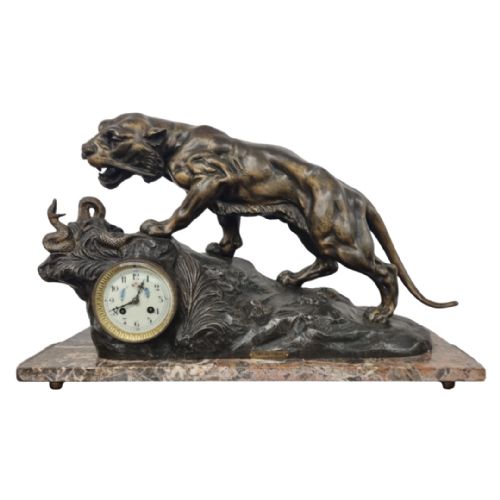
The selection frequently includes Victorian and Edwardian works alongside Art Deco designs and mid-century items. These pieces often combine sculptural form with a practical function, such as mantel clocks, candlesticks and table lamps.
Originating across Britain, France, Germany and the wider Continent, these works reflect diverse aesthetic movements including Neoclassical, Animalier and Black Forest styles. Buyers encounter both cast metal figures and hand-carved natural materials designed for domestic display.
Materials and construction methods
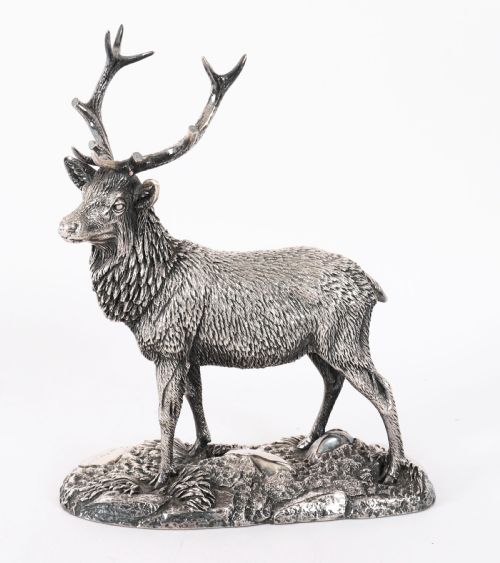
Bronze stands out as a primary metal medium, frequently shaped through traditional casting methods and sometimes finished with cold-painted pigments or gilt highlights. Makers also utilised sterling silver, brass, pewter and spelter to achieve varied weight and detail.
Carved wooden pieces showcase meticulous handwork, particularly in limewood and oak varieties from European workshops. Materials like marble serve as structural plinths, while glass and enamel appear in sculptural lamps and decorative vessels.
The selection encompasses Victorian animal studies, Art Deco figural lamps, and eighteenth-century oak carvings.
Assessing quality in the medium
Carved wooden and ivory-substitute pieces demonstrate craftsmanship through depth of relief and proportion, whereas simpler items display minimal surface texture. The integration of functional elements, such as clock movements or lamp fittings, also distinguishes standard decorative objects from masterworks.
Tom Mackie·R Varnier·Claude Michel Clodian·G Amodio·Franz Bergman·Josef Lorenzl·P J Mêne·Alfred Barye·Baetens London·Masaaki·Franz Xaver Bergman·Friedrich Goldscheider·Ralph Wood·Derby
The Antique Table Sculpture Glossary
- Animalier
- A nineteenth-century artistic style focused on the realistic depiction of animals, particularly predators, stags and domestic dogs. Works in this vein capture creatures in dynamic motion or repose.
- Cold-painted bronze
- A technique where bronze castings are painted with natural oil paints after casting, rather than firing the pigment onto the surface. This method creates vibrant colour but remains susceptible to flaking over time.
- Spelter
- An alloy of zinc and copper frequently utilised as a cost-effective substitute for bronze in decorative figures. It is softer than bronze and often finished with a bronze-look metallic paint.
- Grand Tour
- A cultural journey undertaken by wealthy young Europeans in the eighteenth and nineteenth centuries to study classical antiquities. Figures from this tradition include miniature bronzes of ancient ruins and mythological subjects.
- Okimono
- A Japanese decorative carving intended for display on a tabletop or within a tokonoma alcove. These pieces showcase intricate detail in materials such as carved bronze or ivory.
Antique Table Sculpture: Frequently Asked Questions
How do I identify an Animalier sculpture?
Animalier sculptures focus specifically on realistic portrayals of wildlife and domestic animals, capturing creatures in naturalistic poses. They are typically cast in bronze during the nineteenth century by European workshops.
Look for detailed musculature and dynamic stances that reflect accurate anatomical observation by the artist.
What materials were commonly used?
Makers most frequently worked in bronze, brass, carved wood, and sterling silver, alongside alternative metals like spelter. Marble frequently provided a heavy base for metal figures.
Organic materials such as ivory, glass, and enamel also appear in specific regional styles and Art Deco designs.
How were cold-painted bronzes decorated?
Cold-painted bronzes were decorated by applying oil-based paints directly onto the cooled metal surface without firing. This technique allowed for vivid polychrome finishes on figures such as Orientalist studies and animal models.
Collectors examine these surfaces for the survival of the original pigment layers.