

Carved Polychrome Figure
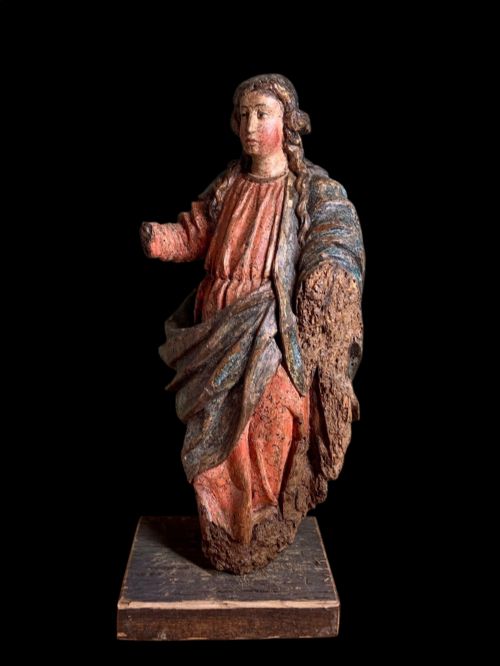
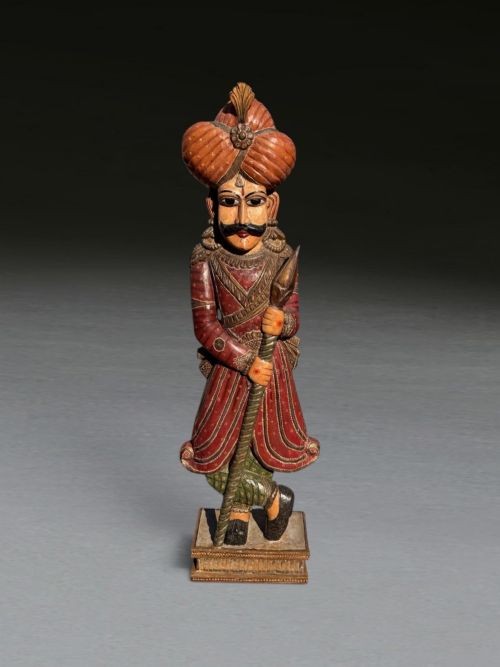
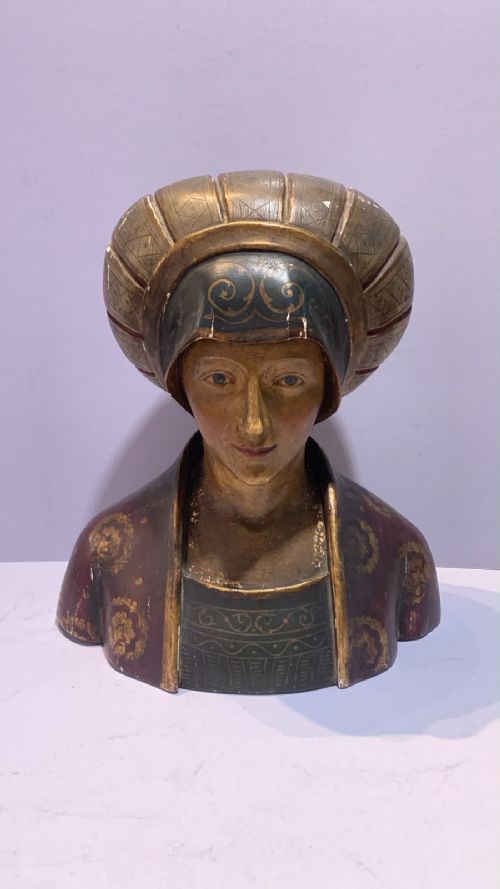
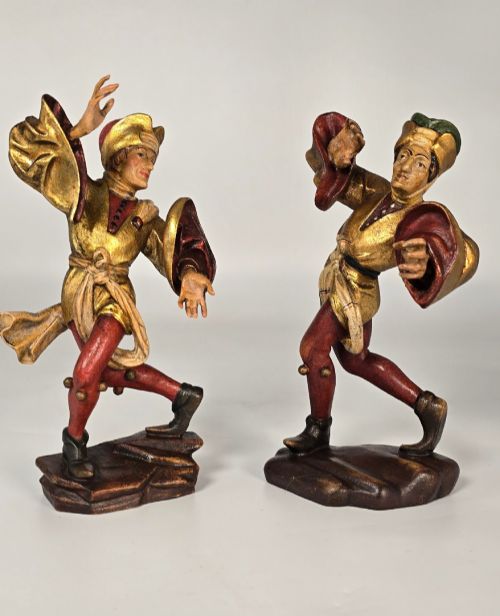
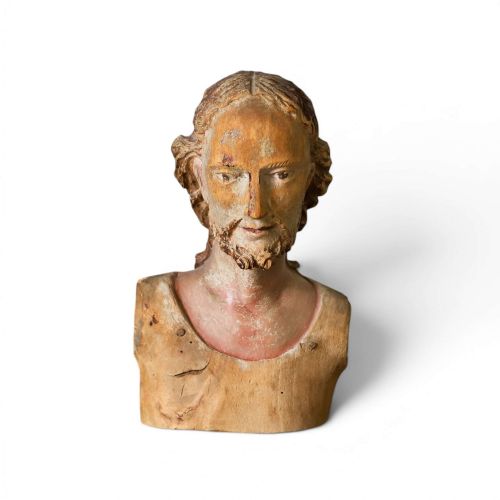
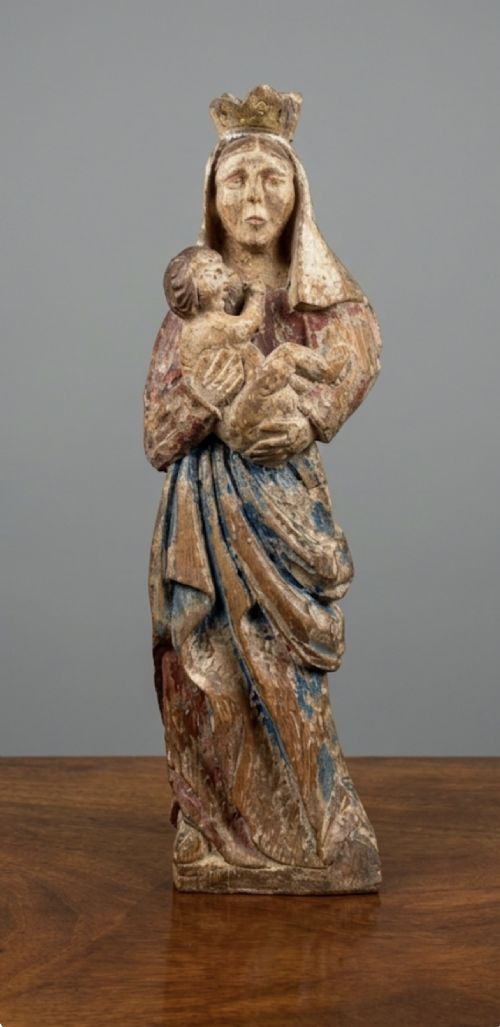
A carved polychrome figure brings painted depth and historic character to a room, ranging from devotional saints to traditional folk carvings.
Carved Polychrome Figure
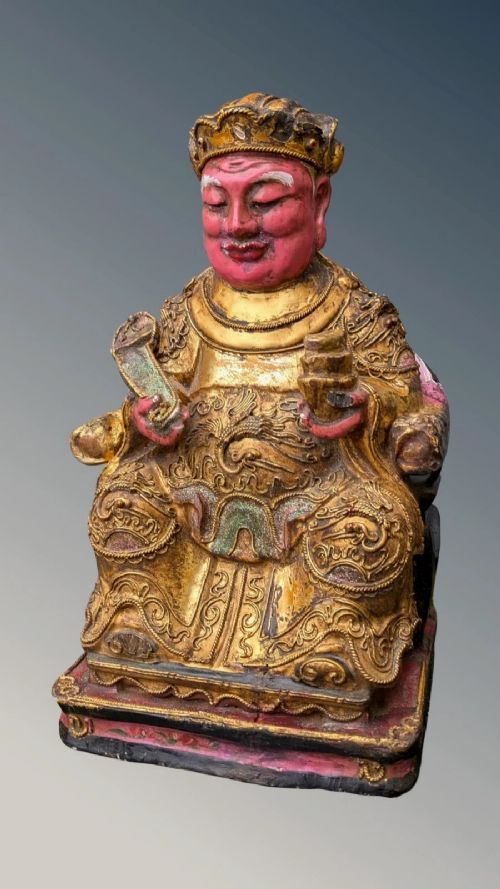
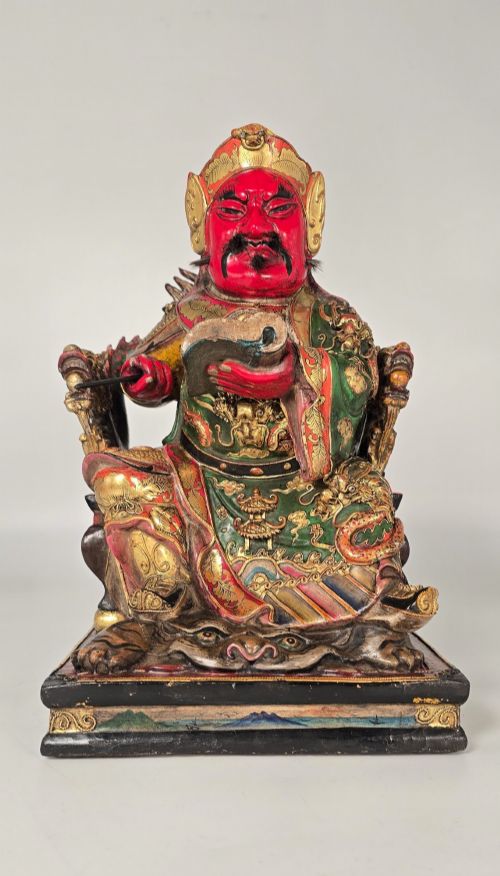
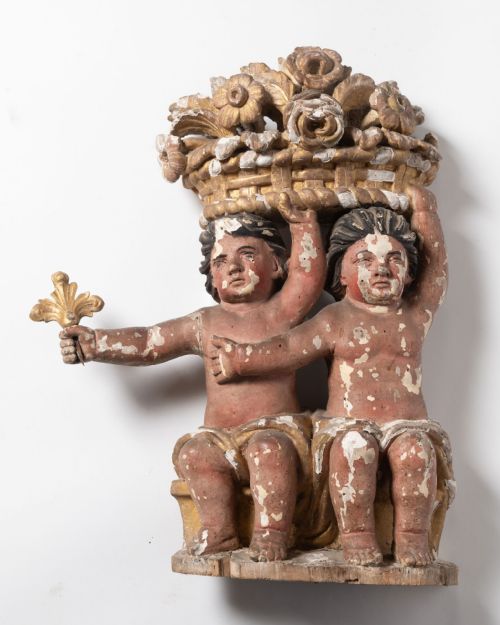
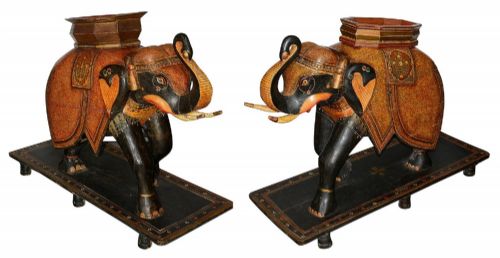
When you search for a carved polychrome figure, you encounter sculptural works shaped from timber and finished with layered paint, gesso or gold leaf. The selections span centuries of craftsmanship, from European devotional saints to Asian deities and regional folk art figures.
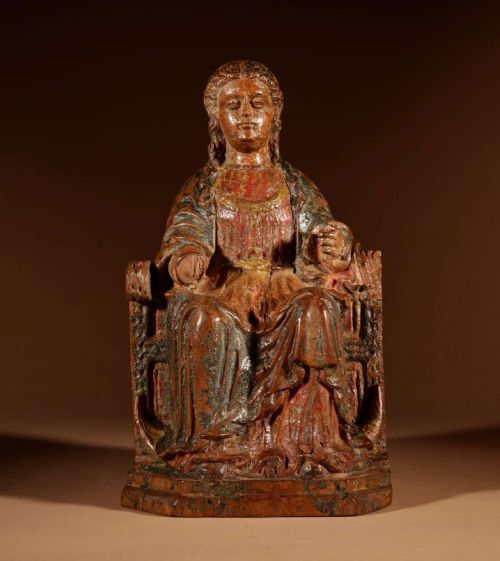
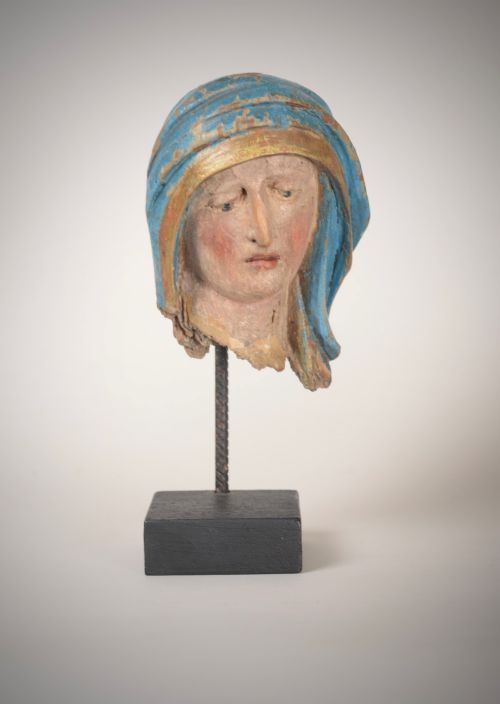
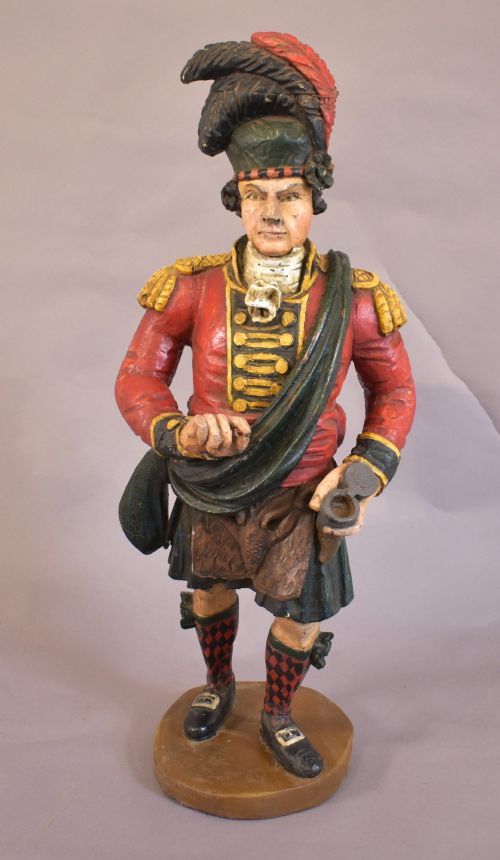
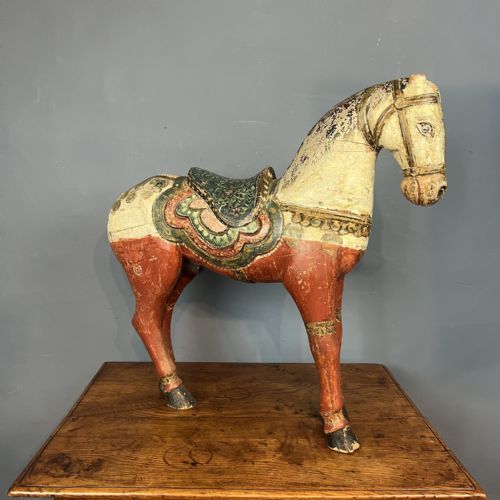
Religious figures from the sixteenth through eighteenth centuries appear frequently, depicting saints, madonnas and biblical scenes with surviving pigments. Alongside these devotional works, the listings hold secular pieces including trade signs, soldiers, dancers and decorative animals.
How they were made
The polychrome finish involved hand-applied paint, pigments, lacquer and gold leaf to bring depth and colour to the carved details. Over time, these surface coatings age and develop a distinct craquelure that marks their extended history.
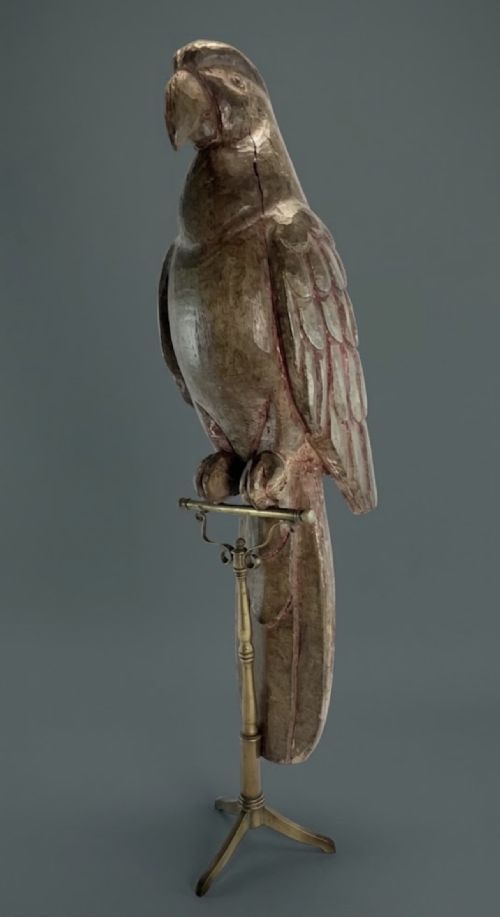
Among the historical saints and solemn deities, a cheeky carved wooden parrot on a brass stand keeps watch.
What varies in quality
The distinction between ordinary and exceptional examples rests on the vitality of the carving and the preservation of the original surface decoration. Master carvers achieved anatomical proportion and emotional weight in drapery and expression, whereas lesser workshop pieces can appear rigid or formulaic.
Surface integrity dictates much of the standing of an individual piece, with untouched original pigments holding greater archaeological and visual interest than heavily restored or later overpainted surfaces.
H S Andy Anderson
The Carved Polychrome Figure Glossary
- Polychrome
- The practice of decorating sculptural works in a variety of painted colours. This technique brings visual narrative and naturalism to carved wood.
- Gesso
- A plaster mixture applied to wood surfaces as a smooth base for paint and gold leaf. It seals the timber grain before pigment application.
- Gold Leaf
- Hammered sheets of gold applied to carved wooden elements to create gilded highlights. It often accents devotional robes and halos.
- Capipote
- A Spanish devotional figure with a carved wooden head and hands attached to a framework dressed in real fabric vestments. These statues served active roles in religious processions.
- Craquelure
- The fine pattern of dense cracking formed across aged paint and gesso layers as materials dry and shift over centuries.
Carved Polychrome Figure: Frequently Asked Questions
What is a carved polychrome figure?
A carved polychrome figure is a three-dimensional wooden sculpture finished with painted pigments, gesso or gold leaf. These pieces encompass centuries of artistic output ranging from religious icons to folk carvings.
Artisans utilised regional timbers to shape subjects as diverse as saints, noblewomen, animals and trade figures, decorating the finished carving with layered colours.
Where were these figures made?
These sculptures originated across various European workshops, Asian dynasties and regional folk art traditions. Italian, Spanish, German and Flemish carvers produced notable devotional works.
Other pieces stem from Chinese traditions involving lacquer and temple figures, alongside European folk art and trade sign workshops.
How do I live with a polychrome figure?
Display these sculptures in stable interior environments away from direct sunlight and excessive moisture to protect the aged wood and painted surfaces. Positioning them on dedicated stands or pedestals highlights their sculptural form.
Gentle dusting with a dry cloth helps maintain the surface without disturbing fragile historic pigments.
How do I date a carved wooden figure?
Dating relies on stylistic clues, garment cuts, tool marks left by the carver and the natural ageing of the wood and gesso layers. Earlier pieces often display distinct hand-carving methods and specific iconographic details.
Examining the composition of the paint layers and the type of timber used assists in placing the object within its proper century.