


Italian Renaissance Sculpture
These italian renaissance sculpture pieces bring the sculptural triumphs of fifteenth- and sixteenth-century Italy into domestic rooms through period originals and later nineteenth-century revivals.
Italian Renaissance Sculpture
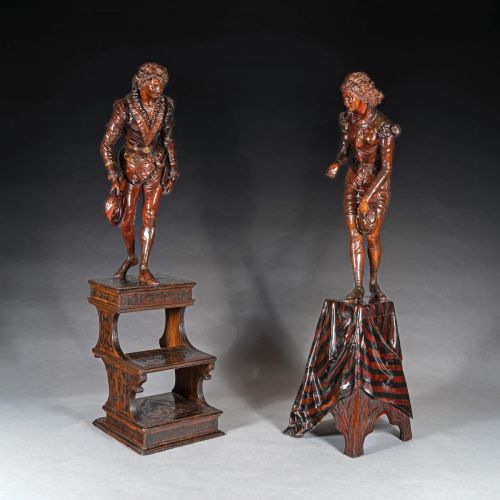
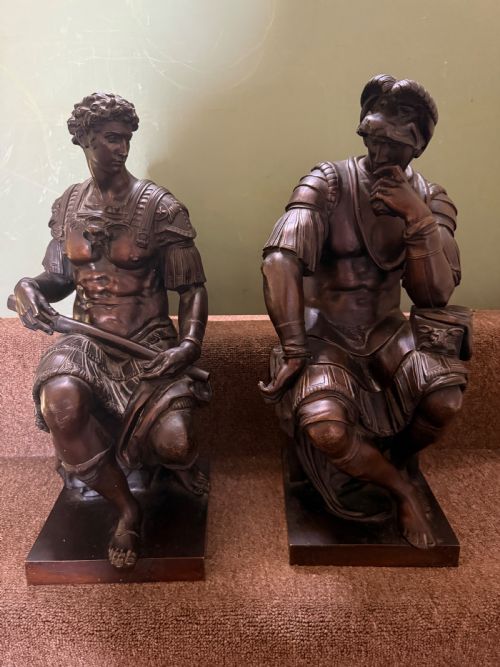
When you search for italian renaissance sculpture, you encounter a distinct mix of genuine sixteenth-century carvings and later nineteenth-century revivals produced during the Grand Tour era. The selection spans freestanding bronze figures, carved walnut panels, marble reliefs, and ecclesiastical chalices.
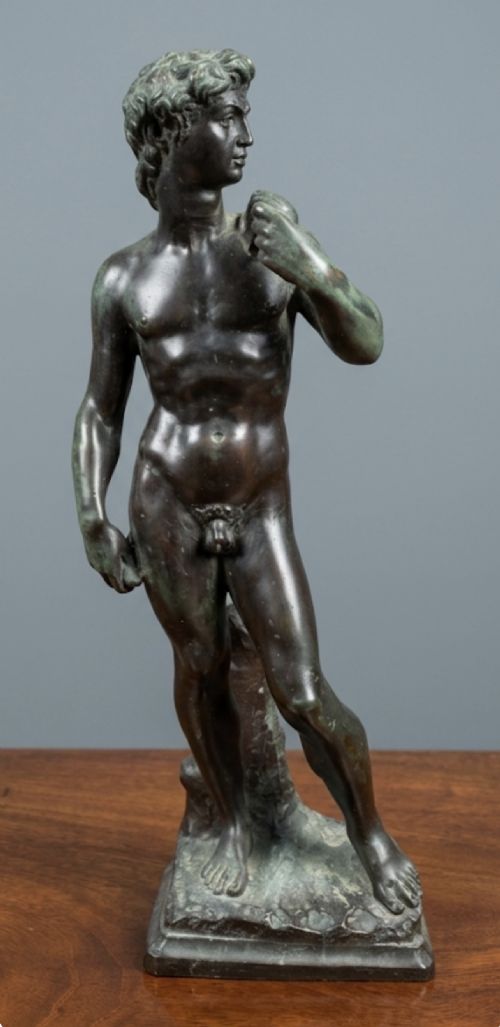
Nineteenth-century souvenir bronzes and Renaissance Revival woodwork dominate the physical evidence, often replicating famous monuments by Michelangelo, Giambologna, and Verrocchio. These later interpretations served as sophisticated cabinet pieces for travellers touring European cultural centres.
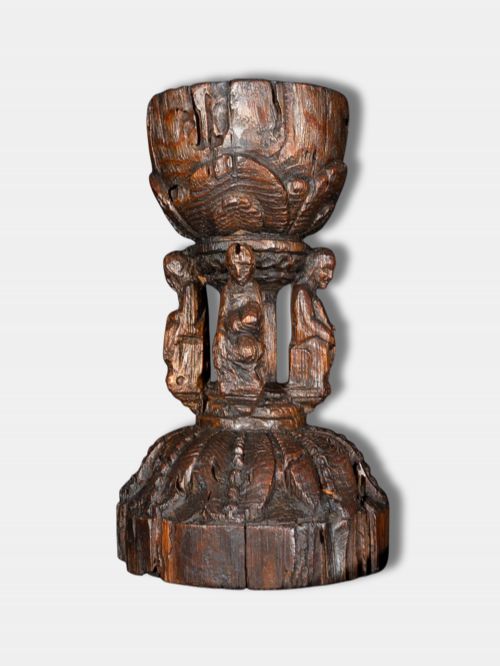
Earlier survivals from the sixteenth and seventeenth centuries appear as walnut carvings, oak chalices, and contemporary bronze castings in the manner of Aspetti. These scarce pieces carry the direct artistic vocabulary of the Italian Renaissance workshops.
How they were made
Foundry-cast bronze forms the backbone of these sculptural objects, utilising the lost-wax technique to capture intricate anatomical detail in subjects like the Medici lions and equestrian monuments. Artisans then chased and patinated the metal surfaces to achieve varied dark and golden tones.
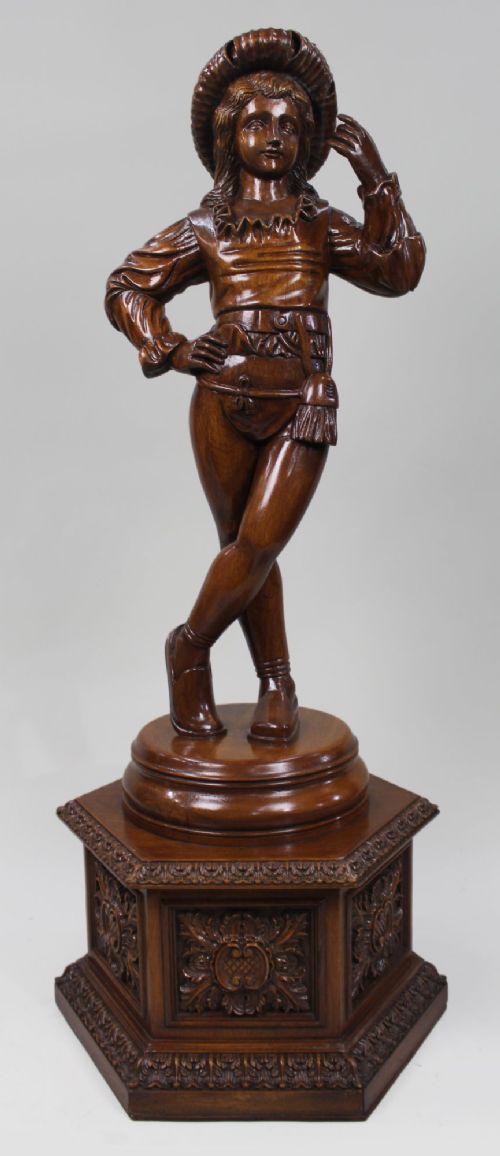
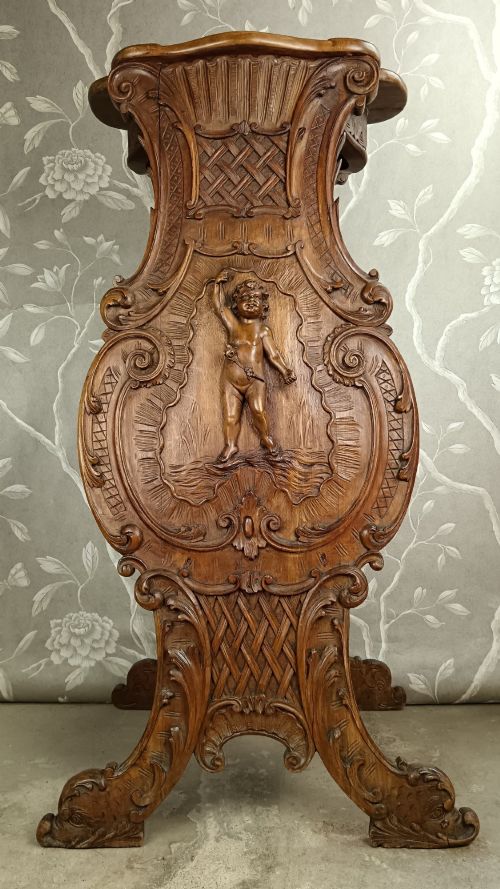
Carved hardwoods such as walnut, lime wood, and oak provide the medium for figures, pedestals, and architectural reliefs. Master carvers utilised seasoned timber to execute deep undercutting, scrollwork, and high-relief mythological scenes.
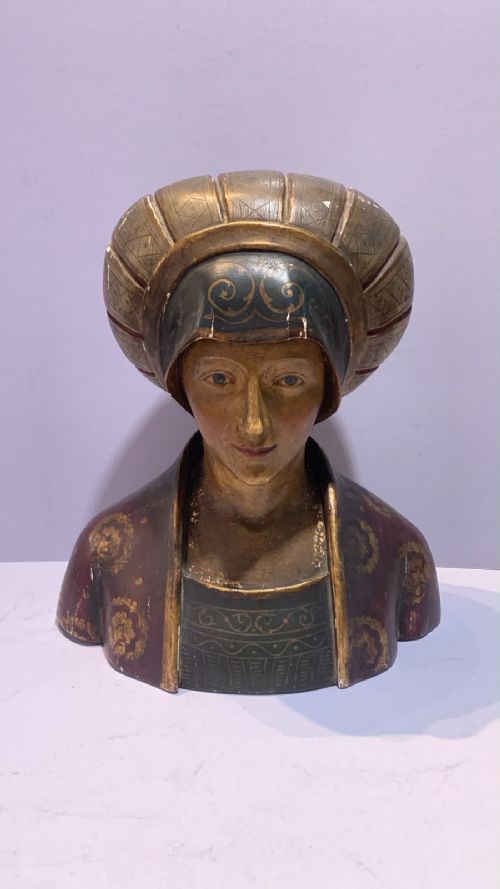
Marble and gesso appear alongside terracotta and gold leaf, particularly in wall plaques, portrait busts, and polychrome angel figures. Sculptors shaped these mineral and plaster materials to emulate classical antiquity.
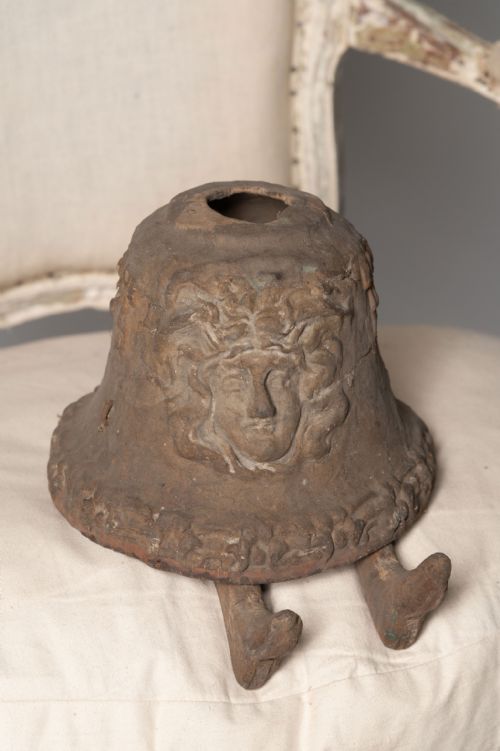
A theatrical prop disguised as Renaissance art proves that Victorian drawing rooms enjoyed a touch of stagecraft.
What varies in quality
Carved wooden pieces reveal quality through the depth of the relief and the confidence of the tool marks left by the maker. Skilled carving demonstrates anatomical conviction and balanced proportions in figures, avoiding stiff or clumsy postures.
The integrity of the material and the preservation of original surfaces govern the standing of marble reliefs and polychrome panels. Intact patination and minimal structural intervention separate master works from heavily restored examples.
Valentino Besarel·Luigi Frullini
The Italian Renaissance Sculpture Glossary
- Grand Tour
- A cultural journey of Europe undertaken by wealthy young men in the eighteenth and nineteenth centuries. Travellers collected bronze reductions of famous sculptures as souvenirs of their time in Italy.
- Lost-wax casting
- A metalworking process where a molten metal is poured into a mould that has been created by means of a wax model. Once the wax is melted away, the bronze fills the cavity.
- Renaissance Revival
- An artistic movement spanning the nineteenth century that drew inspiration from the art and architecture of the fifteenth and sixteenth-century Italian Renaissance. It manifested in furniture, decorative arts, and architectural sculpture.
- Mannerism
- A European art style that emerged in the later years of the Italian High Renaissance around the fifteen-thirties. Characterised by artificiality, elongated proportions, and dynamic, twisting poses.
- Polychrome
- The practice of decorating architectural elements, sculpture, or pottery in a variety of colours. Applied pigments or paint elevate the dimensionality of carved wooden figures.
Italian Renaissance Sculpture: Frequently Asked Questions
How do I tell an original Renaissance piece from a nineteenth-century revival?
Examination of tool marks, casting methods, and material wear patterns provides key indicators of age. Sixteenth-century pieces show period hand-tool execution and natural material degradation, while nineteenth-century revivals reflect industrial casting improvements and specific Victorian collecting trends.
Historical context also assists attribution, as nineteenth-century workshops often reproduced specific monuments with distinct foundry stamps or patination styles characteristic of the Grand Tour market.
What subjects are most common in Italian Renaissance bronzes?
Figures associated with Florentine history and classical mythology dominate the repertoire, including works by Michelangelo, Giambologna, and Verrocchio. Depictions of the Medici family, equestrian monuments like Colleoni, and rearing animals appear frequently.
These subjects reflect the cultural priorities of both Renaissance humanism and the later European travellers who sought recognisable icons of Italian art.
Where were these sculptures displayed in period homes?
Grand Tour bronzes and carved portrait busts were typically arranged on specialised pedestal stands, mantelpieces, or library tables within nineteenth-century drawing rooms. Wall plaques and marble panels hung in wood-panelled studies and hallways.
In earlier centuries, similar religious carvings and chalices occupied domestic chapels or principal reception spaces as demonstrations of piety and status.
How should I care for historic bronze and carved wood sculptures?
Bronze sculptures require stable humidity and occasional light dusting with a soft, dry cloth to preserve the patination. Avoid chemical cleaners that strip the historical surface layer.
Carved wooden figures and walnut panels benefit from protection against direct sunlight and central heating sources to prevent timber shrinkage and cracking.