


19th Century Portrait Bust
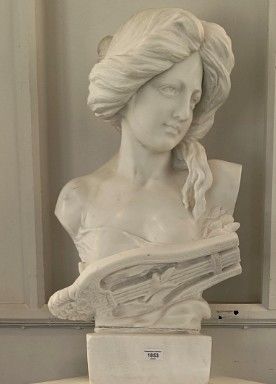
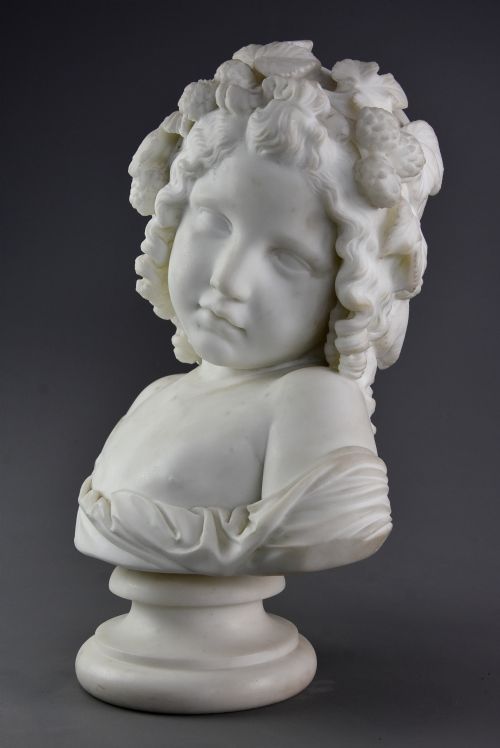
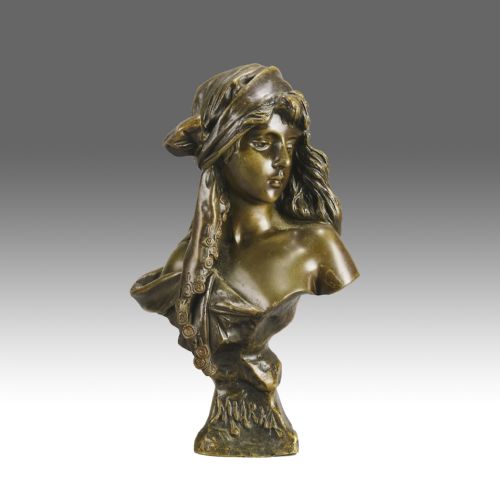
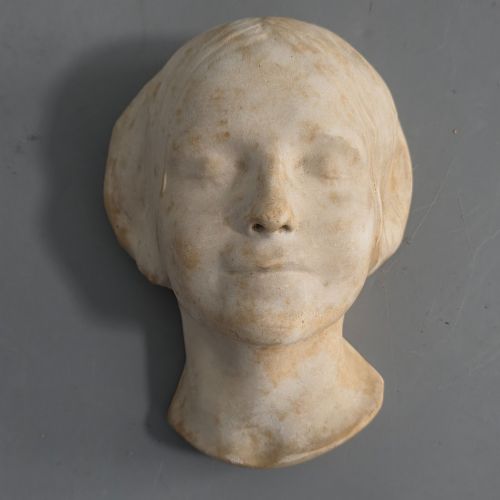
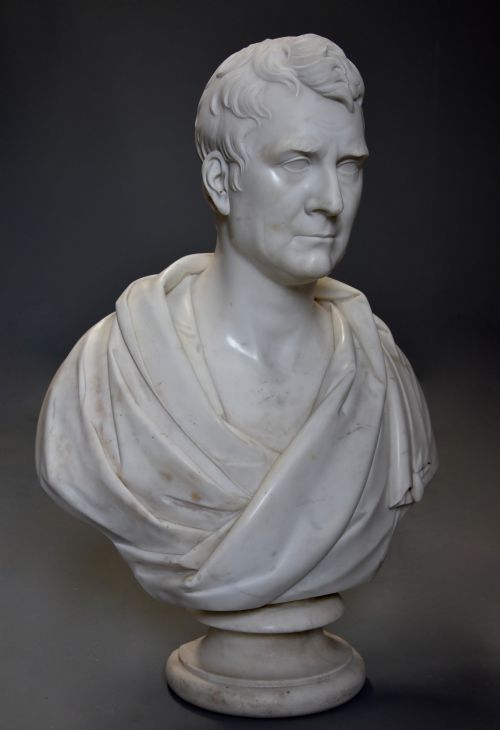
A 19th century portrait bust captures the likeness of historical figures, classical personages, or private individuals in cast bronze, carved marble, and terracotta.
19th Century Portrait Bust
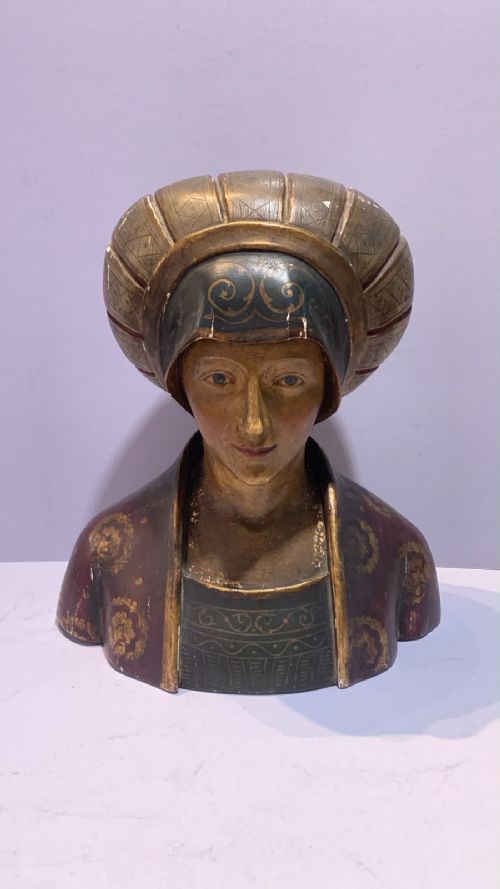
A 19th century portrait bust focuses on the head and shoulders of a subject, translating classical antiquity, literary characters, and contemporary sitters into three dimensions. These pieces serve as physical records of historical admiration, personal identity, and the widespread taste for sculptural decoration during the Victorian and preceding decades.
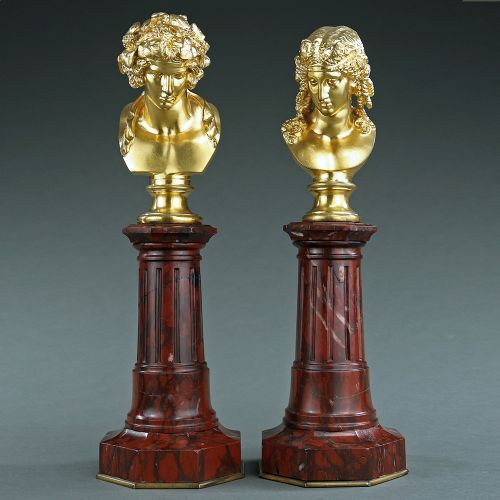
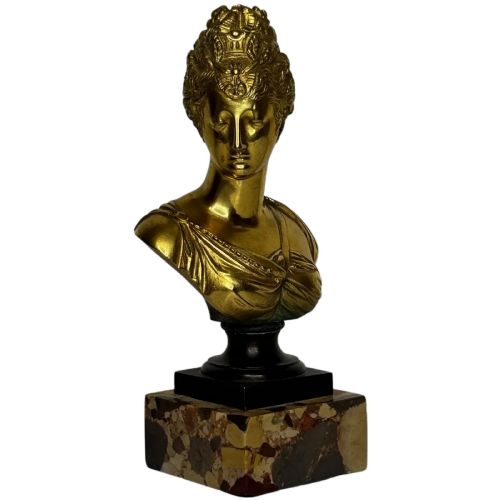
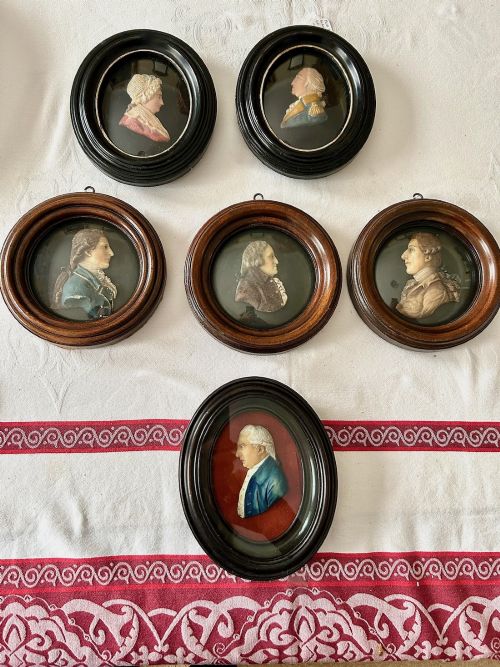
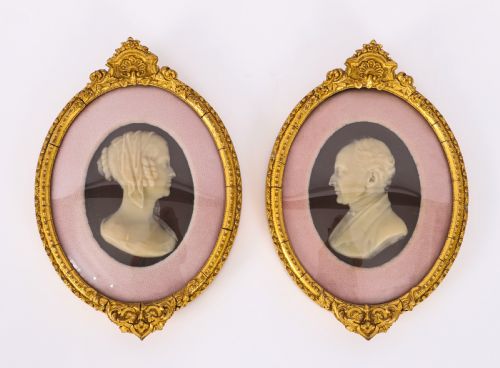
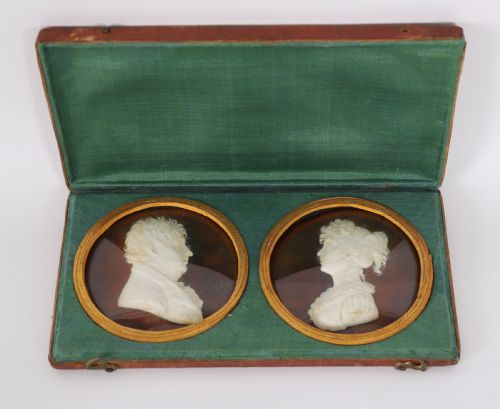
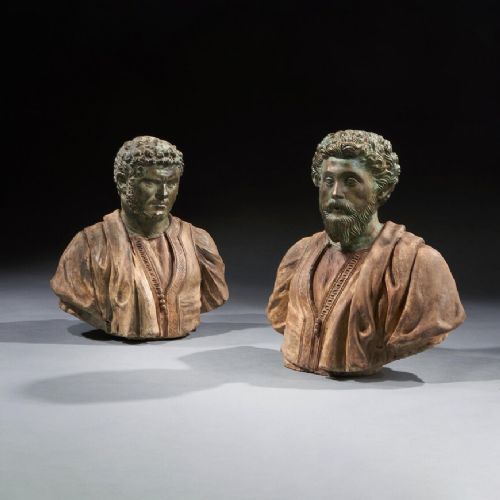
The selections available here range from small Grand Tour bronze reductions of classical deities to life-sized marble likenesses of statesmen, poets, and private citizens. Alongside freestanding sculptures in alabaster and plaster, the listings include framed wax relief profiles, painted portrait miniatures, and wall plaques derived from the same sculptural impulse.
Materials and production methods
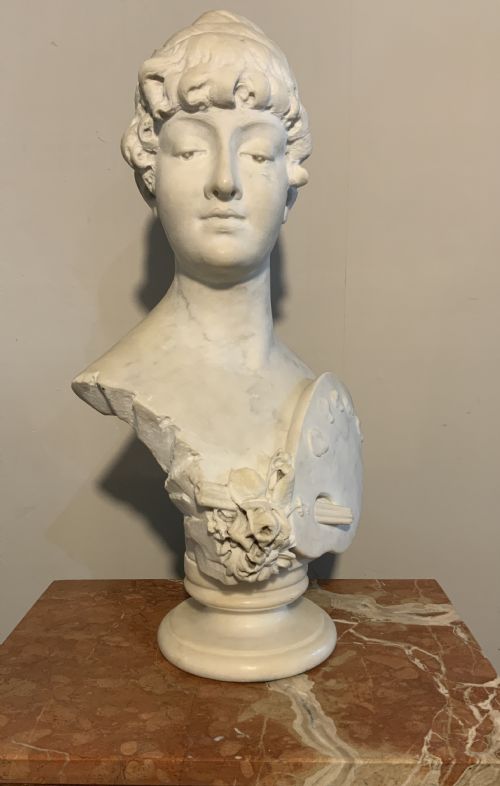
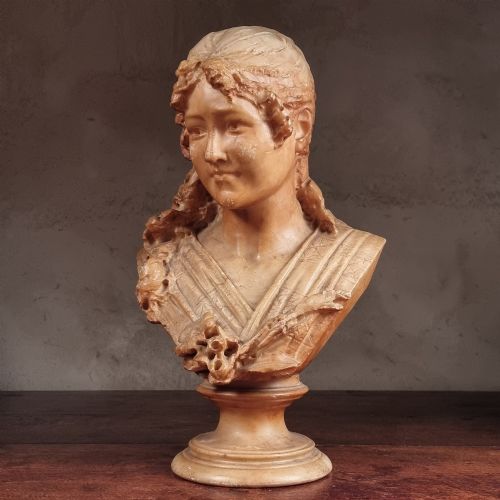
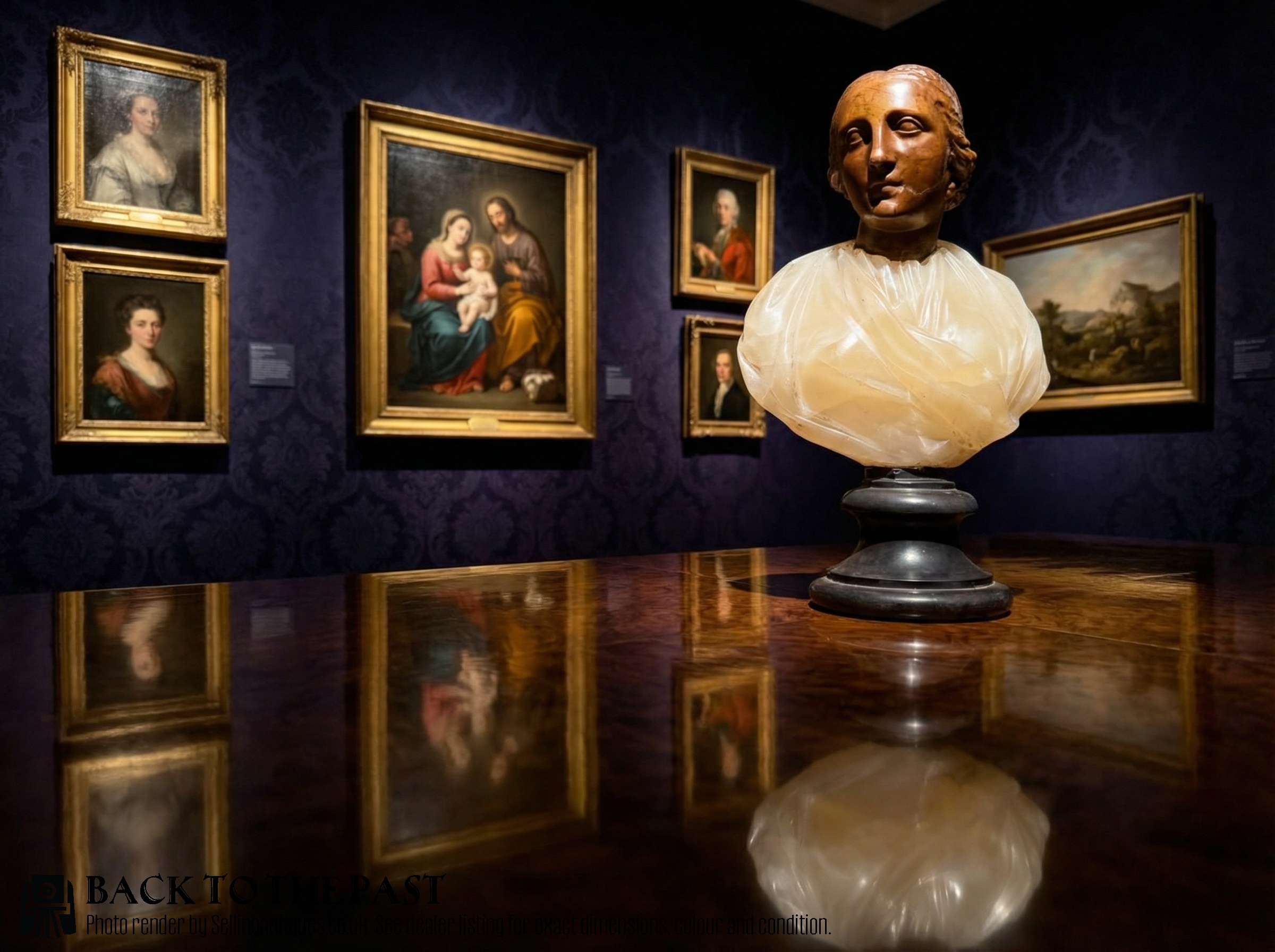
Foundry-cast bronze and carved stone dominate the physical record, with Carrara marble, white marble, and alabaster providing a smooth, luminous surface for classical and portrait subjects. Artists also utilised terracotta, plaster, wax, and cast iron to shape these likenesses, often mounting bronze busts upon integrated marble bases or pedestals.
Many works bear the distinct signatures of named sculptors or founders, while others reflect the output of European foundries and studios producing pieces after antique models. Relief portraits frequently combine wax or plaster elements mounted within dedicated wooden frames, preserving intimate profiles of nineteenth-century families.
Listings feature periods spanning from the early nineteenth century through to nineteen hundred, encompassing Victorian, Art Nouveau, and Regency aesthetics.
Distinctions in craftsmanship and execution
Stone and marble carvings separate themselves through the sensitivity of the polish and the anatomical accuracy around the collarbones, jaw, and eyes. Works carrying the signature of an established sculptor or originating from major European studios demonstrate a higher degree of individual hand-finishing than unsigned decorative pieces.
Emmanuel Villanis·Raffaelo Monti·John Wenlock Rollins·Alajos Strobl
The 19th Century Portrait Bust Glossary
- Grand Tour
- A traditional trip through Europe undertaken by upper-class young men to absorb classical art and culture. Pieces acquired during these travels often include miniature or reduced bronzes and carved alabaster copies of ancient sculptures.
- Patination
- The surface coloration and chemical treatment applied to bronze sculpture over time by the foundry or natural ageing. A well-maintained patination enhances the contours and depth of the metal.
- Neoclassical
- An artistic movement drawing inspiration from the classical art and culture of ancient Greece and Rome. This aesthetic prioritises clean lines, restrained emotion, and heroic subject matter.
- Intaglio
- A design engraved into the surface of a material such as plaster or stone so that the impression sits below the flat plane. These small-scale works were frequently grouped together in framed sets.
- Bisque
- Unglazed porcelain that has been fired once, producing a matte, stone-like surface resembling white marble. It was frequently utilised for small decorative portrait figures and plaques.
19th Century Portrait Bust: Frequently Asked Questions
What materials were used for these busts?
Makers of the period utilised a wide variety of materials, most notably cast bronze, Carrara marble, terracotta, alabaster, and plaster. Some smaller domestic pieces were cast in iron or modelled in wax and mounted inside protective frames.
Selection depended upon the intended destination of the sculpture, with heavy stone and bronze reserved for public rooms and gardens, while lighter wax and plaster mediums suited intimate domestic interiors.
How do I identify a Grand Tour piece?
Grand Tour sculptures typically represent famous classical figures, ancient deities, or renowned historical emperors such as Marcus Aurelius and Caracalla. These reductions allowed nineteenth-century travellers to bring iconic museum pieces back into their private homes.
They are commonly cast in bronze or carved in alabaster and marble, frequently bearing the distinct patination and wear associated with nineteenth-century European foundry work.
Were these sculptures signed by the artist?
Many nineteenth-century portrait busts carry signatures, foundry marks, or dates inscribed directly into the base or shoulder by the sculptor. Prominent artists often signed their works to denote authorship and professional execution.
Unsigned pieces remain common, representing commercial foundry production or studio copies made after antique or classical precedents rather than individual artistic commissions.
How should I display a marble bust?
Marble and stone sculptures require a stable, level surface capable of supporting considerable weight, such as a sturdy wooden table, dedicated pedestal, or architectural console. Placing them away from direct sunlight and fluctuating heat sources protects the stone.
Dusting the surface with a soft, dry cloth preserves the carved details and natural finish without introducing moisture that could harm porous materials like alabaster or plaster.