






Victorian Stone Bust
A victorian stone bust captures nineteenth-century portraiture in solid form, offering classical gravity and carved detail for your interior.
Victorian Stone Bust
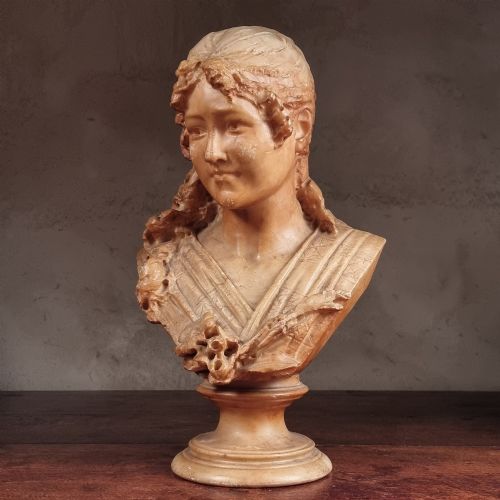
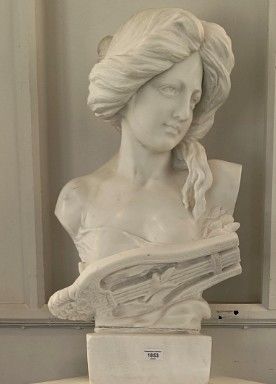
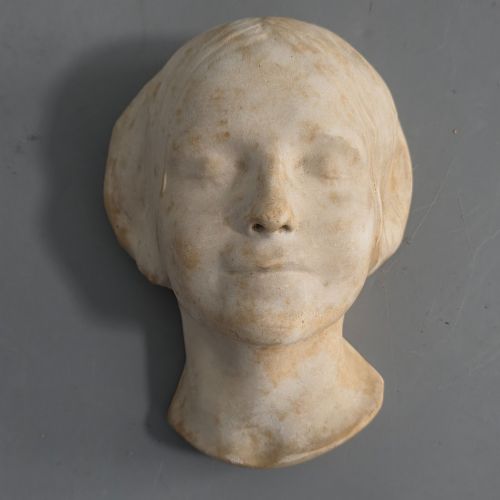
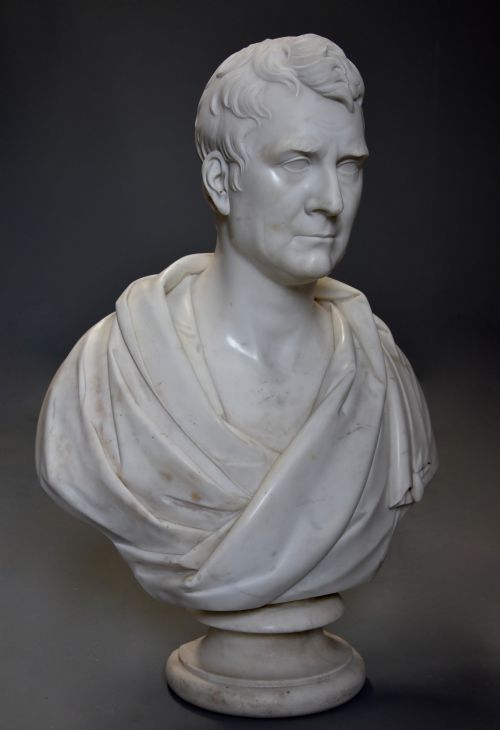
When buyers search for a victorian stone bust, they encounter sculpted representations of historical figures, mythological subjects, and anonymous sitters. These works draw upon nineteenth-century classical revivalism and neoclassical tastes, spanning portrait busts, death masks, and figural sculptures.
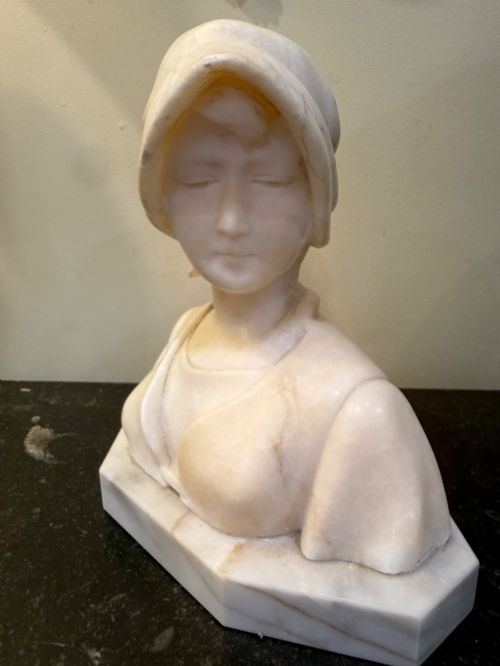
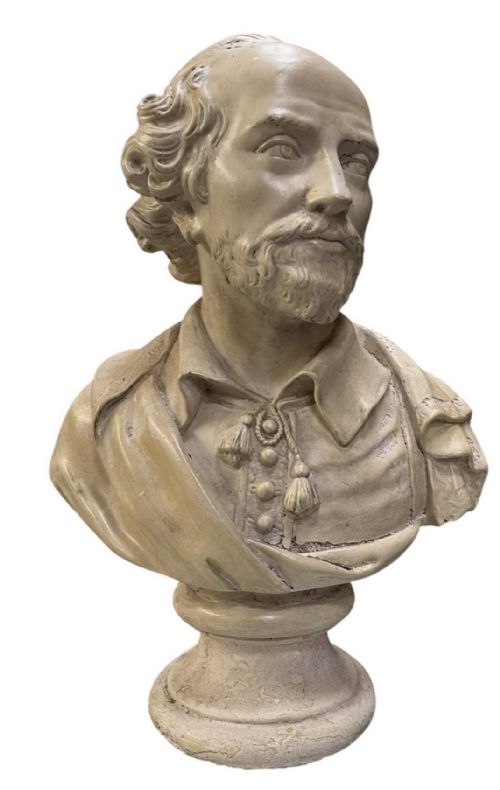
The versions met most frequently on this page originate from nineteenth-century workshops, ranging from monumental civic portraits to smaller depictions of young women and gentlemen. Alongside direct depictions, the selections include associated decorative supports such as marble columns and alabaster plant stands.
Makers and subjects vary widely, incorporating named personalities like James Loch MP and Shakespeare alongside unidentified Dutch girls, naval gentlemen, and Orientalist figures. The physical scope extends from solid marble and alabaster carvings down to simulated stone plaster renderings.

Materials and Working Methods
Sculptors inscribed signatures, dates, and sitter details directly into the material on select commissions, while others produced works after known painters or classical models. Workshops deployed variegated green marble and gilt accents on related pedestals and display columns to complement the main sculptures.
A youthful subject gazes out from the shelf, frozen mid-thought while someone's forgotten pet dog chews endlessly at the marble floor.
Distinctions in Execution
The upper tier of works displays anatomical precision, subtle facial expression, and deep undercut carving in high-grade Carrara marble or fine alabaster. Softer materials like plaster or simulated stone yield simpler surface textures and less nuanced rendering of hair and fabric folds.
Signatures by documented sculptors and verifiable historical subjects elevate the standing of a piece significantly above anonymous decorative carvings. The ambition of the composition, from standard portraiture to complex figural groupings, dictates the overall sculptural success.
J Francis·Raffaelo Monti·John Wenlock Rollins·Mieczyslaw Leon Zawiejski·Pugi
The Victorian Stone Bust Glossary
- Alabaster
- A fine-grained, translucent stone favoured by nineteenth-century sculptors for its soft appearance and suitability for delicate interior carving. It scratches more easily than marble.
- Carrara marble
- A high-grade white or blue-grey stone quarried in Italy, widely utilised for nineteenth-century portrait busts due to its durability and uniform grain.
- Neoclassical
- An artistic style drawing inspiration from the classical art and culture of ancient Greece and Rome, prevalent across nineteenth-century sculpture.
- Death mask
- A cast taken from the face of a deceased person, which sculptors translated into stone or plaster to create permanent likenesses.
Victorian Stone Bust: Frequently Asked Questions
What materials make up these busts?
The listings show pieces carved primarily from various forms of marble, including Carrara and variegated green varieties, alongside alabaster and solid stone.
Other works utilise plaster, occasionally treated to resemble stone, matching the diverse production methods of nineteenth-century workshops.
How do I identify the subject?
Many sculptures include inscribed names, dates, or titles directly upon the base or reverse, identifying political figures, literary subjects, or mythological characters.
Unsigned pieces rely on stylistic clues, costume details, and facial characteristics to suggest whether a sitter represents a specific historical person or an idealised type.
Where should I display a bust?
These sculptures suit placement on sturdy mantelpieces, tabletops, or dedicated architectural columns and pedestals designed to bear the weight of stone.
Positioning them away from direct sunlight and heavy foot traffic protects the softer alabaster and plaster surfaces from accidental impact.
Are these pieces signed?
Certain works bear the signature, monogram, or stamp of the originating sculptor or studio, documenting the hand behind the carving.
Many period pieces remain unsigned, reflecting standard workshop output where the quality of the stone and execution stands on its own merits.