


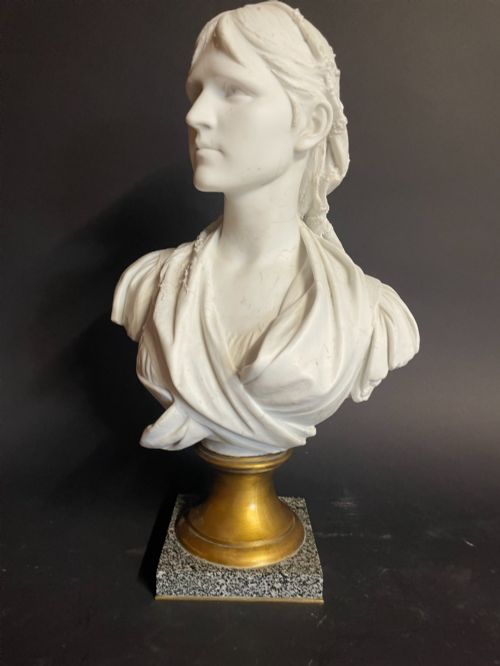

Classical Marble Statue
A classical marble statue brings the sculpted grace of antiquity into a room, drawing the eye with carved stone figures and mythological subjects.
Classical Marble Statue
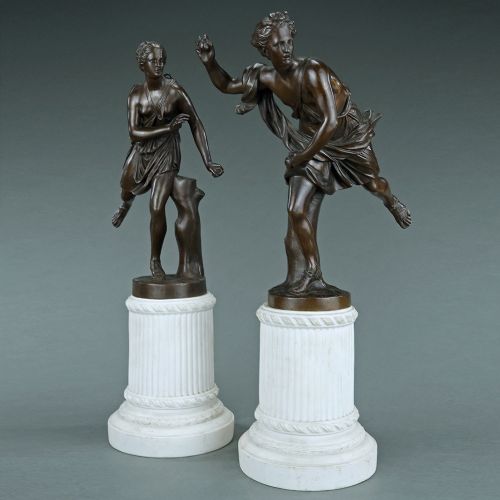
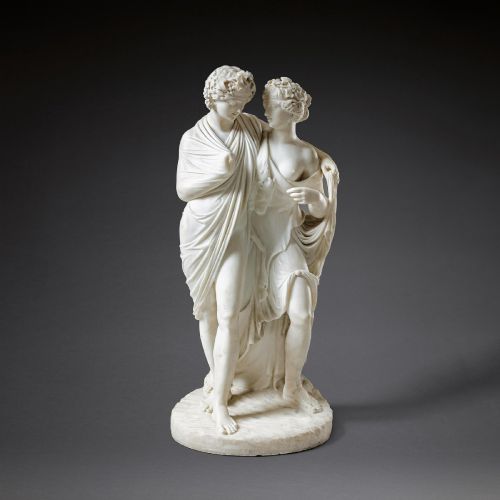
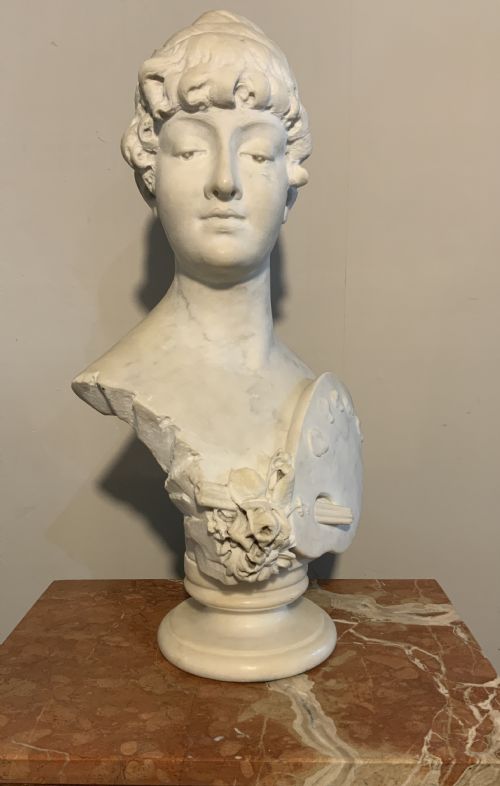
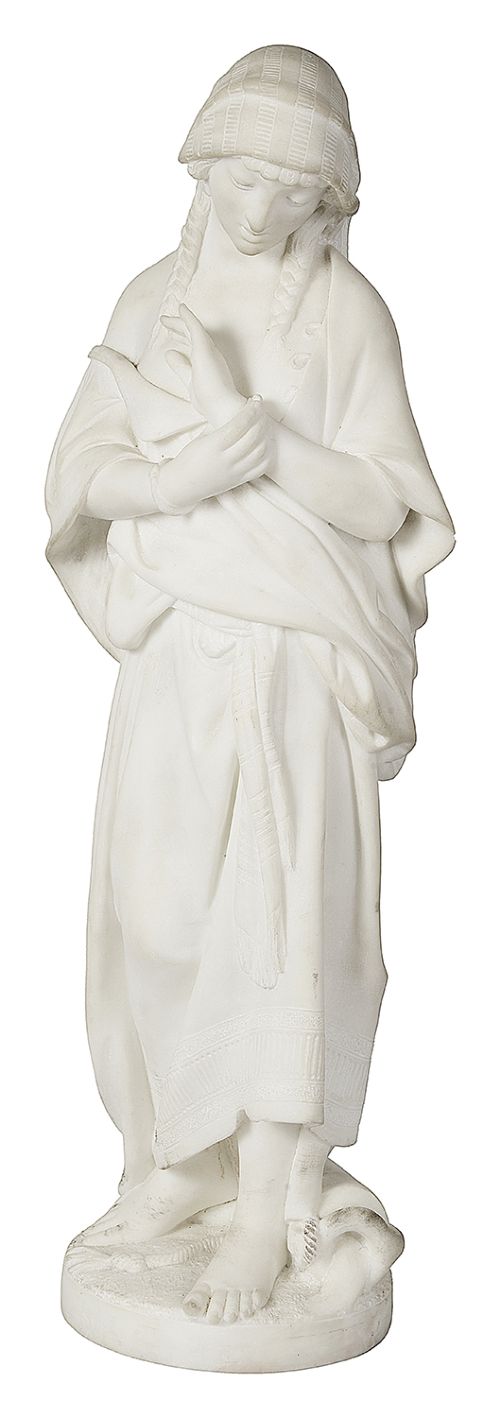
A classical marble statue embodies the aesthetic of ancient antiquity, rendered in carved stone or white marble during the nineteenth century by European workshops. Buyers seeking a classical marble statue encounter Italian Grand Tour reductions of famous antiquities, alongside French Neoclassical busts and figural groups.
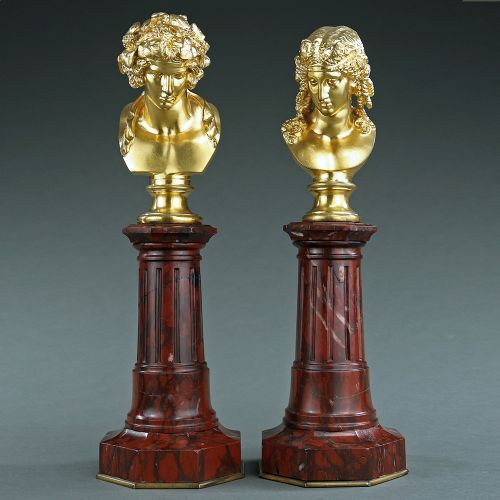
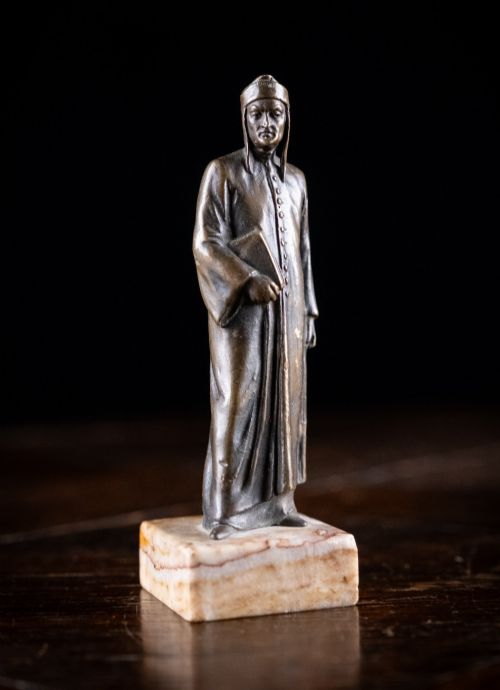
The objects span full figures, portrait busts, and allegorical groups mounted on stone or fossil marble bases. Workshops in Florence and Naples produced many of these pieces for travellers collecting souvenirs of their tours.
Materials and Technique
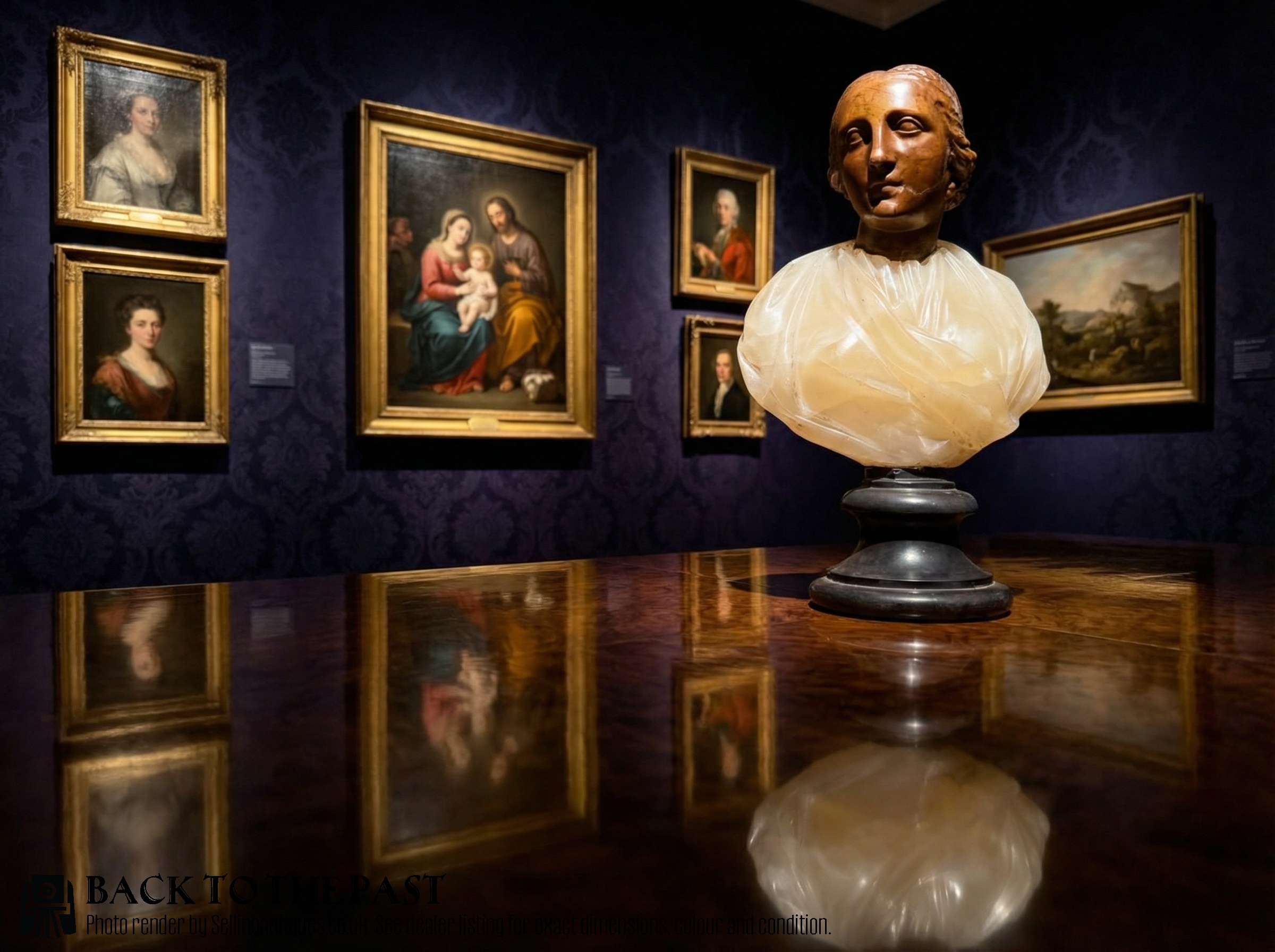
Carvers shaped white marble, Carrara marble, and alabaster using chisels and drills to capture the soft drape of fabric and the musculature of the human form. Artisans combined carved stone with cast bronze, ormolu collars, and fossil marble plinths.
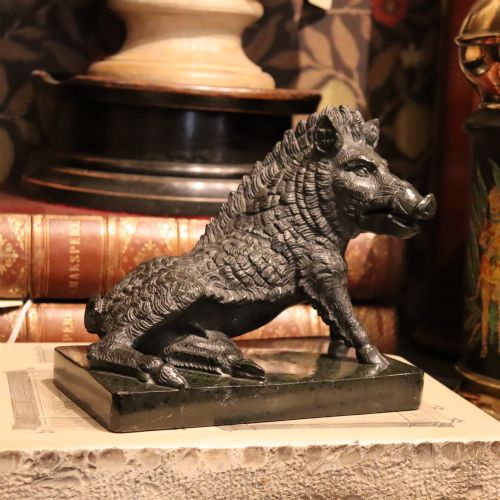
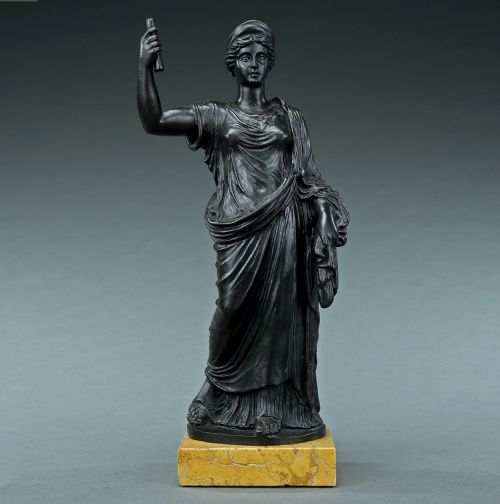
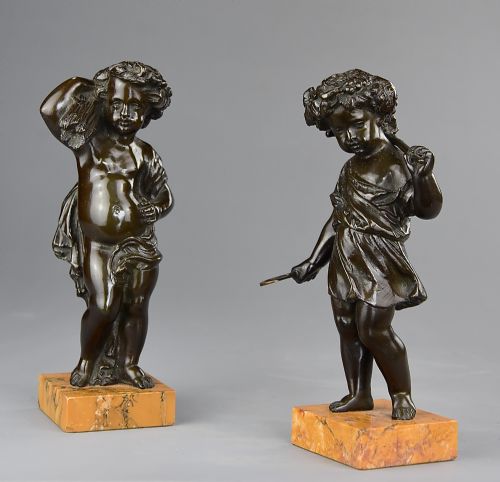
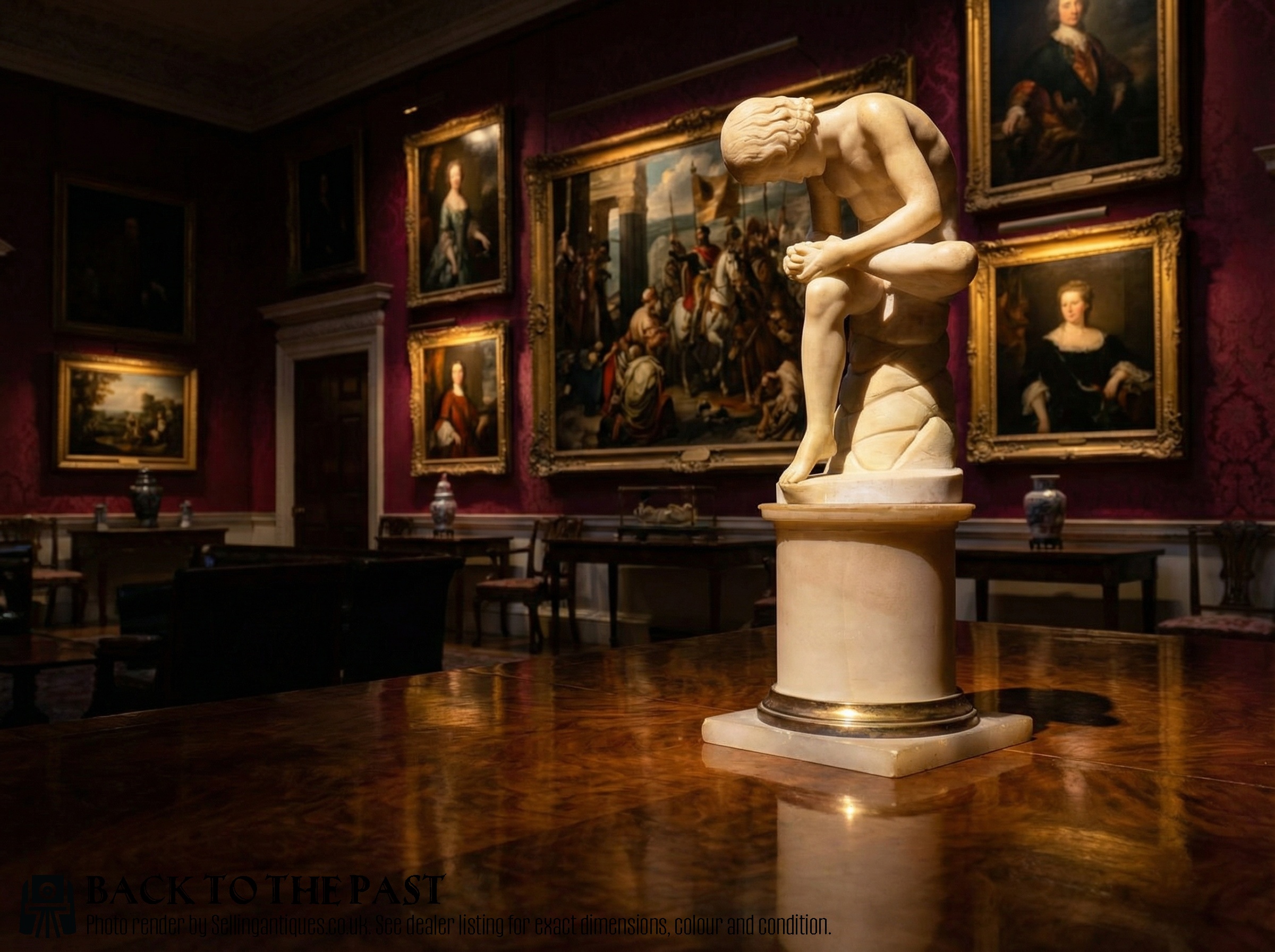
Foundries utilised the lost-wax casting method for bronze companion pieces, applying patinas ranging from dark brown to cold-painted finishes. Sculptors often worked after ancient models, recreating famous mythological and historical subjects.
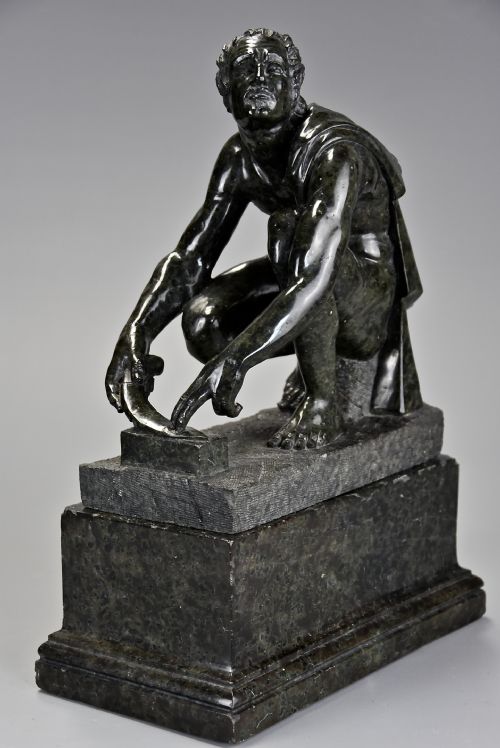
Several statues capture ancient athletes sharpening knives or wrestling lions, proving that even antiquity enjoyed a dramatic gym routine.
Evaluating Execution
Quality rests in the crispness of the carving and the fidelity of the proportions to the antique source. A superior piece displays subtle graduation in the stone, sensitive rendering of facial expressions, and clean undercutting of hair and drapery.
The integration of the figure with its base also dictates standard, with finer works utilising matching marble plinths or finely chased ormolu mounts rather than plain or mismatched supports.
Charles Louis Malric·Susse Freres·Barbedienne·Carlo Albacini·Pierre le Faguays·Barranti·Eugene Aizelin·Emile Carlier·J Francis
The Classical Marble Statue Glossary
- Grand Tour
- A cultural journey undertaken by wealthy young Europeans to visit the antiquities of Italy. These travels generated a demand for reduced-scale marble and bronze sculptures.
- Neoclassical
- An artistic movement drawing inspiration from the art and culture of classical antiquity. It prioritises solemnity, balanced proportions, and mythological subjects.
- Carrara Marble
- A type of white or blue-grey marble quarried in the city of Carrara in Tuscany. It was favoured by sculptors for its fine, uniform grain.
- Ormolu
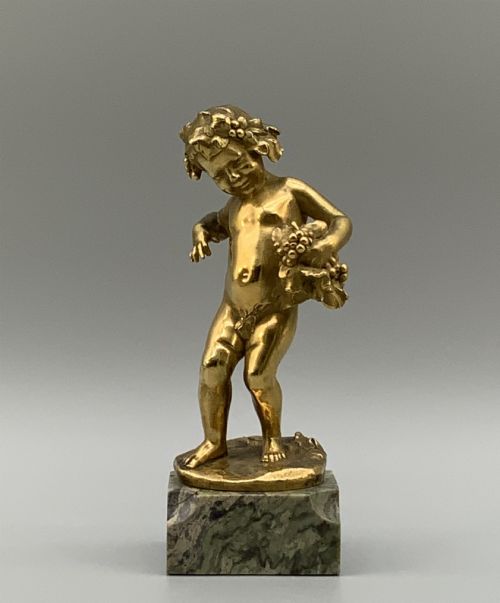
- Gilded bronze used for mounts, collars, and decorative accents on pedestals and clocks. The technique involves applying a gold-mercury amalgam to the bronze base.
- Alabaster
- A fine-grained, translucent stone often used for carved figures and vases. It allows light to penetrate slightly beneath the surface.
Classical Marble Statue: Frequently Asked Questions
What is a Grand Tour sculpture?
A Grand Tour sculpture is a miniature or reduced-scale replica of a famous ancient monument or statue acquired by travellers in Italy during the nineteenth century.
These pieces served as educated mementos of classical art and were cast in bronze or carved in marble to adorn private libraries and drawing rooms.
How do I clean a marble statue?
Cleaning requires only a soft, dry cloth to remove dust from the surface crevices. Water and chemical cleaning agents can damage the stone or erode historical patinas.
Professional restoration is recommended for valuable pieces showing grime accumulation or structural damage.
Are these pieces from ancient Greece?
Almost all pieces found here date from the nineteenth century rather than antiquity. They are revival works inspired by Greek and Roman models rather than original archaeological artefacts.
Sculptors of this era reinterpreted classical themes using contemporary nineteenth-century techniques and materials.
What is Parian ware?
Parian ware is a type of unglazed bisque porcelain developed in the nineteenth century to imitate white marble. It was widely used for portrait busts and literary figures.
The material allowed manufacturers to produce detailed sculptural groups at a scale distinct from carved stone.