


Antique Stone Bust
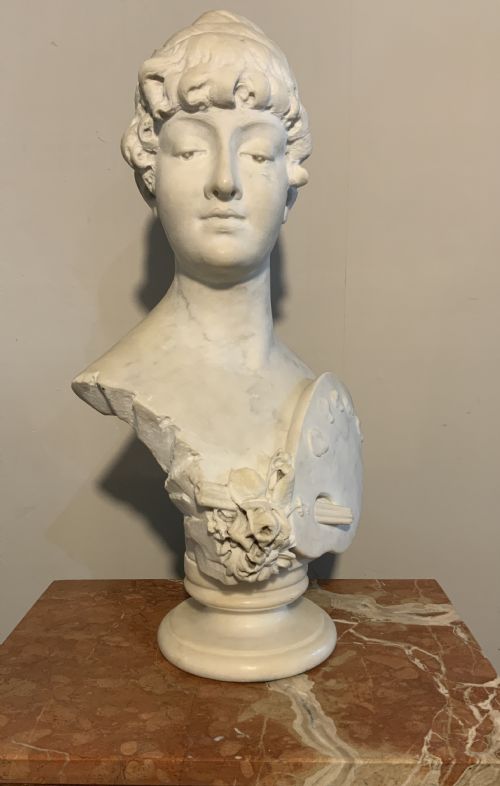
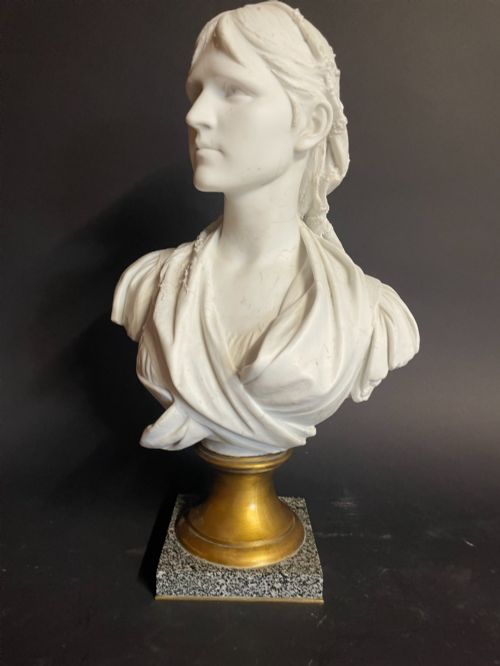
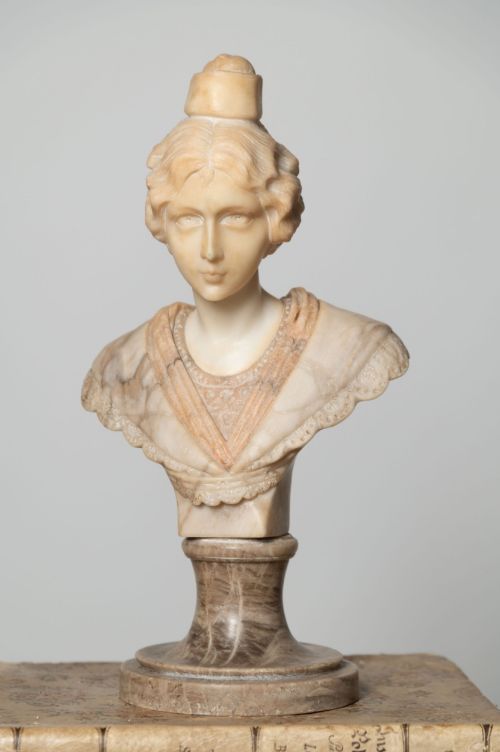
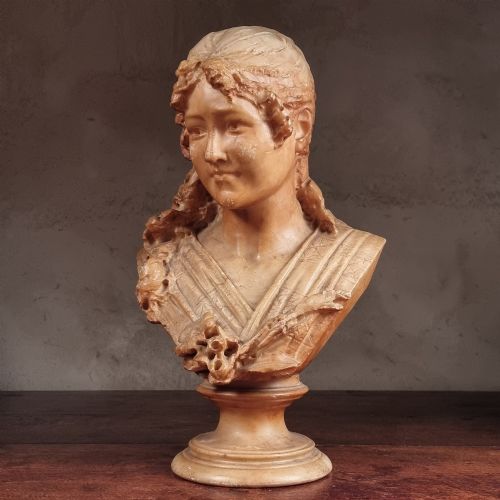
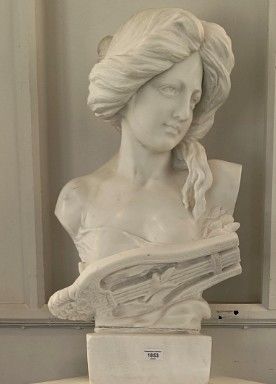
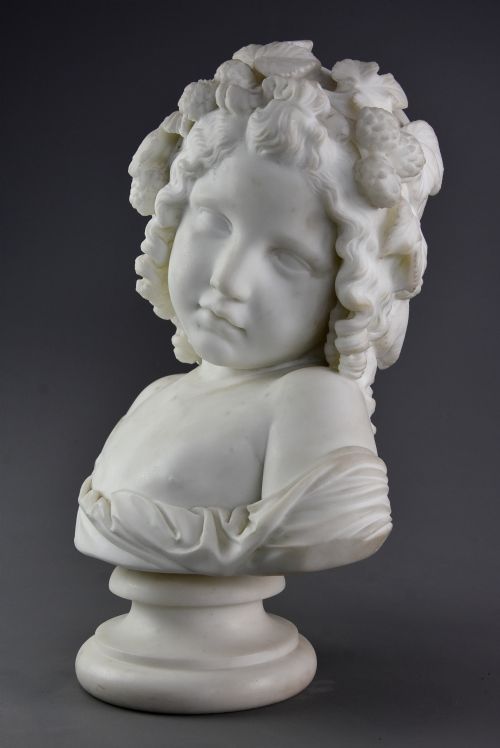
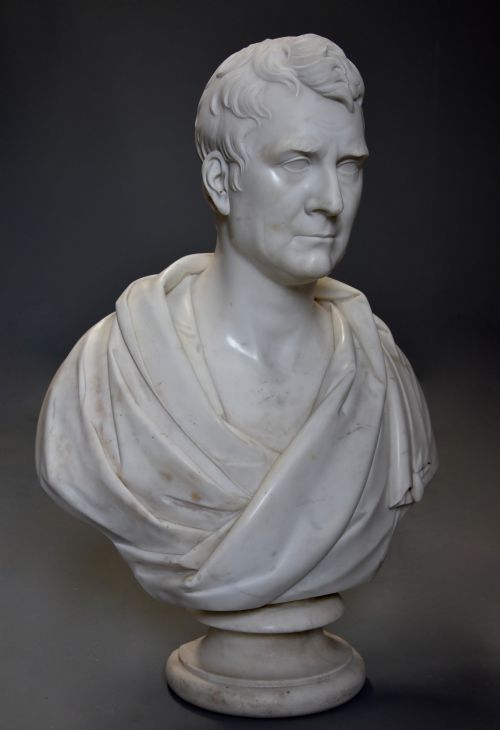
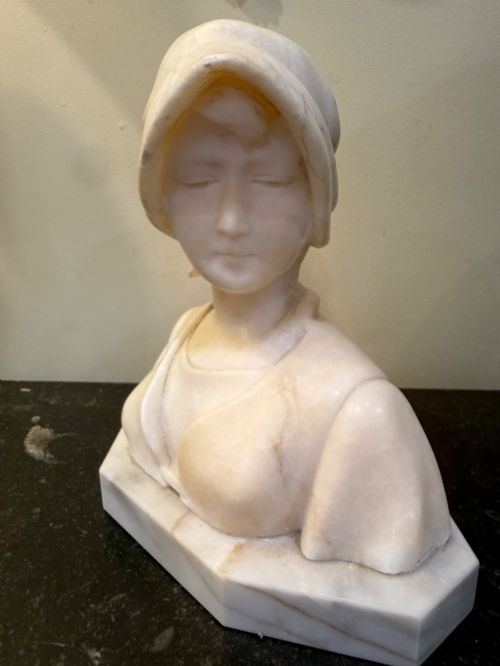
When you search for an antique stone bust, you are looking for carved likenesses of female subjects rendered in marble and alabaster.
What an antique stone bust is
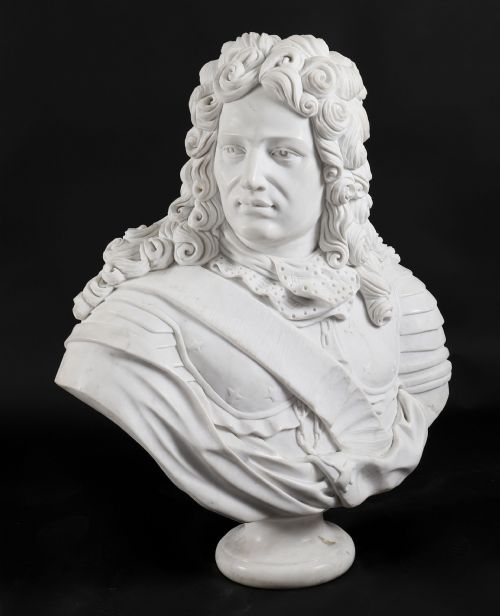
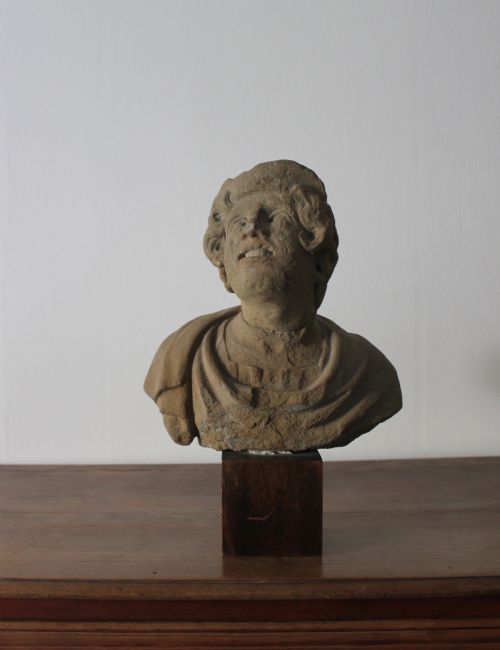
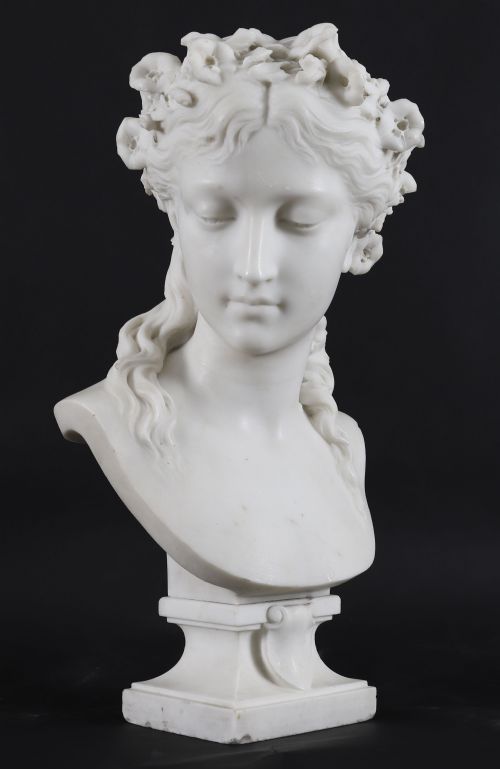
An antique stone bust presents a carved representation of the human head and shoulders, typically focusing on female subjects as recorded in these listings. When you search for an antique stone bust, you encounter works spanning the seventeenth century through to the early twentieth century.
The selections available here range from seventeenth-century Italian Baroque marble heads of mythological figures like Juno to nineteenth-century Victorian neoclassical pieces. You will also find Arts and Crafts alabaster carvings of young ladies alongside twentieth-century French examples.
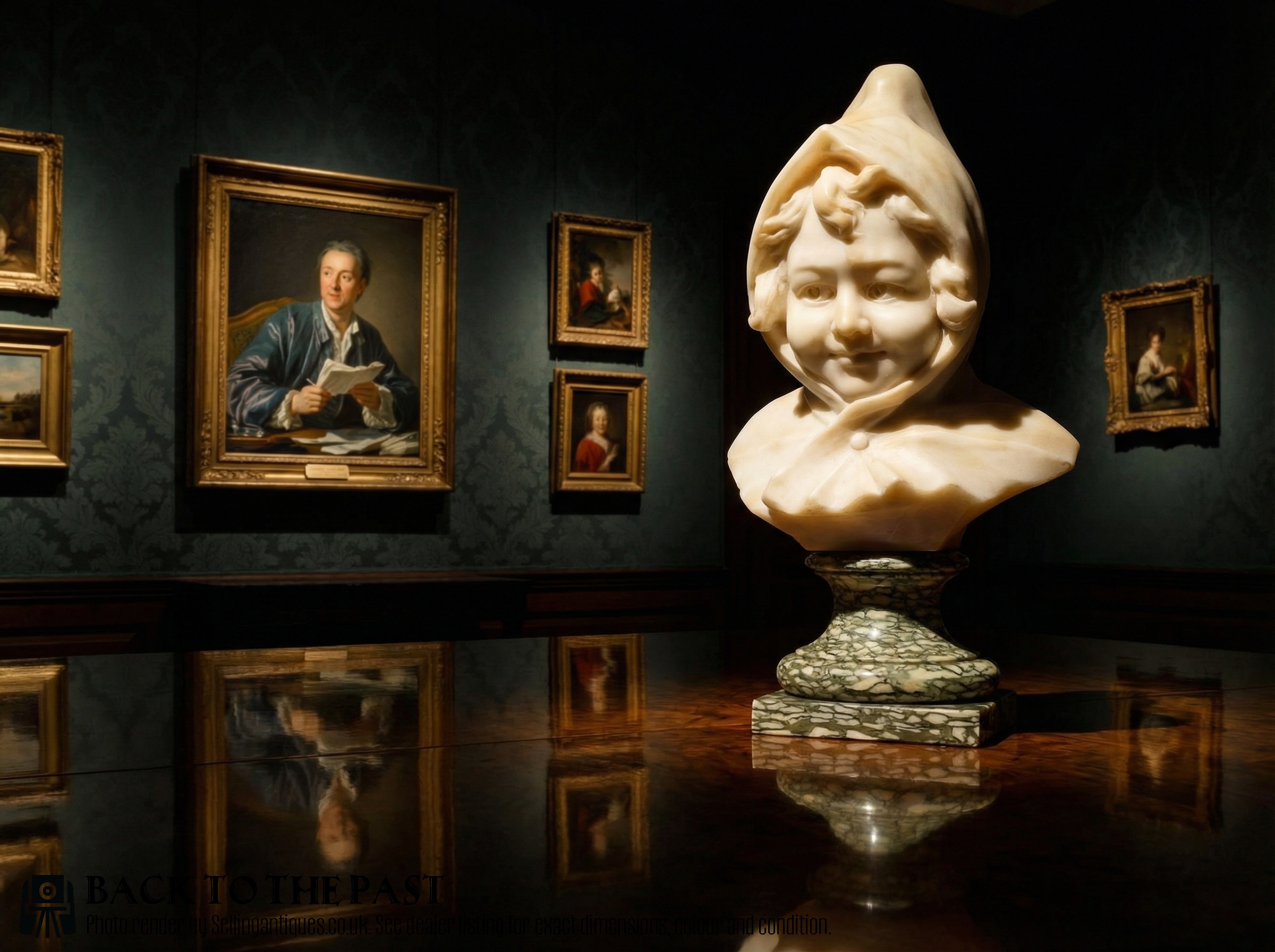
These sculptures bring classical and historical forms into domestic interiors, capturing specific historical revivals from French classical styles to Art Nouveau sensibilities. Each piece offers a tangible connection to historical stone-carving traditions.
Materials and construction
The makers of these sculptures utilised natural stone materials, predominantly recording marble and alabaster in the listed pieces. Alabaster offers a softer, translucent quality favoured for detailed female portraits, while marble provides the durability and smooth finish seen in seventeenth-century and Victorian works.
Carving techniques required skilled hand-chiselling of raw blocks to achieve the lifelike drape of garments, facial expressions, and hair details. Additional elements on certain items incorporate giltwood or painted wood, combining carved stone surfaces with complementary support materials.
Retail Price Guide 2026
Typical UK retail prices for stone bust, calculated from the Sellingantiques database of over a million retail prices indexed since 2003. This retail price guide relies exclusively on Sellingantiques data; no external sources or auction records are used, so the figures do not describe the wider market.
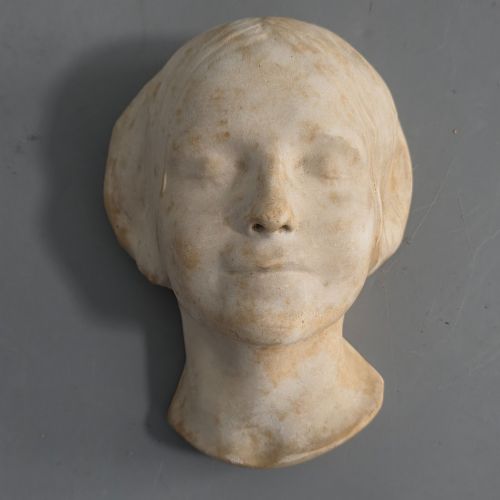
Several young ladies captured in nineteenth-century alabaster retain remarkably serene expressions despite centuries of shifting fortunes.
Indicators of quality
Quality in these carvings rests upon the finesse of the chisel work and the natural figuring of the stone. Superior examples display subtle facial expressions, realistic anatomical proportions, and delicate treatment of hair and drapery.
The choice of material also dictates the character of the piece, with finely translucent alabaster or high-grade marble commanding greater visual presence than simpler regional stones. Age and historical attribution, such as documented seventeenth-century Italian origins, further elevate the standing of a sculpture.
The Antique Stone Bust Glossary
- Alabaster
- A fine-grained, soft stone used extensively for sculptural works due to its translucency. It allows carvers to achieve soft facial contours.
- Marble
- A hard metamorphic rock prized for its smooth texture and ability to hold fine detail over centuries. It forms the basis of many classical and Baroque pieces.
- Baroque
- An ornate artistic style originating in the seventeenth century, characterised by dramatic movement and emotional intensity. Italian works from this period often depict classical deities.
- Neoclassical
- A revival style drawing inspiration from the classical art and culture of ancient Greece and Rome. Victorian interpretations frequently utilise this aesthetic.
Frequently Asked Questions
Where should I display a stone bust?
These sculptures suit stable, weight-bearing surfaces such as sturdy console tables, pedestals, or dedicated display ledges.
Ensure the placement protects the soft surface of alabaster or marble from accidental knocks and heavy foot traffic.
How do I clean an antique alabaster bust?
Dust the surface gently using a soft, dry brush or a clean microfibre cloth to prevent accumulation.
Avoid using water, chemical cleaners, or damp cloths, as moisture can easily stain or dissolve soft stone materials.
How can I tell marble from alabaster?
Marble is generally harder and colder to the touch, with a crystalline structure that resists scratching from common metal implements.
Alabaster is softer, often displays a greater degree of light translucency, and can be marked more easily.
What periods do these sculptures represent?
The listings span from the seventeenth century through the Victorian era up to the early twentieth century.
Distinct stylistic markers help differentiate seventeenth-century Baroque figures from nineteenth-century neoclassical or Arts and Crafts interpretations.