

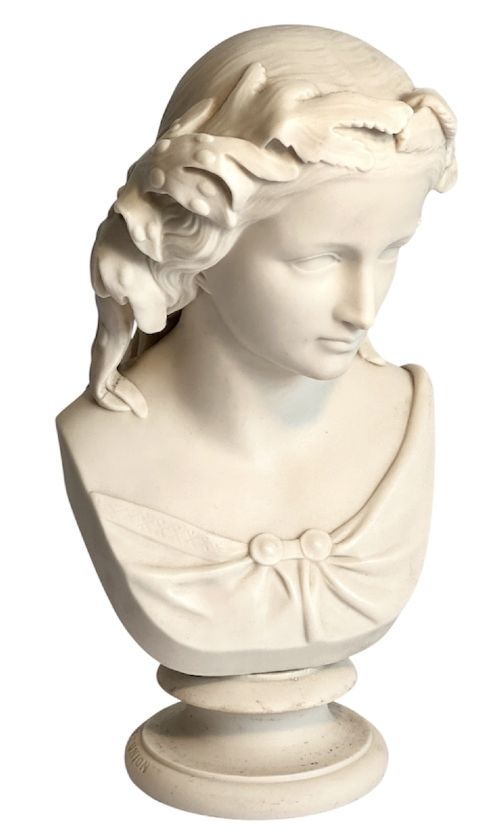
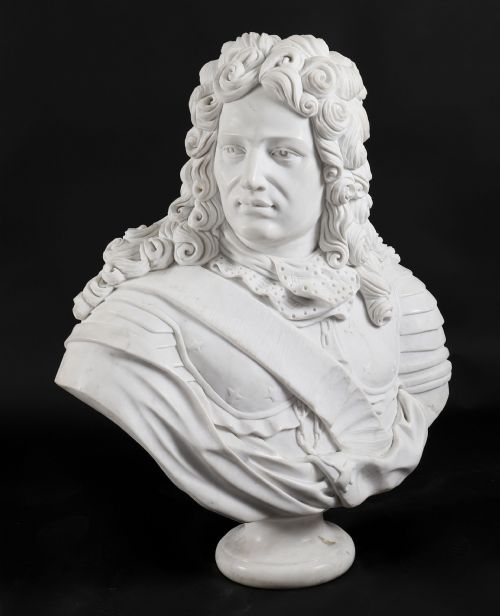
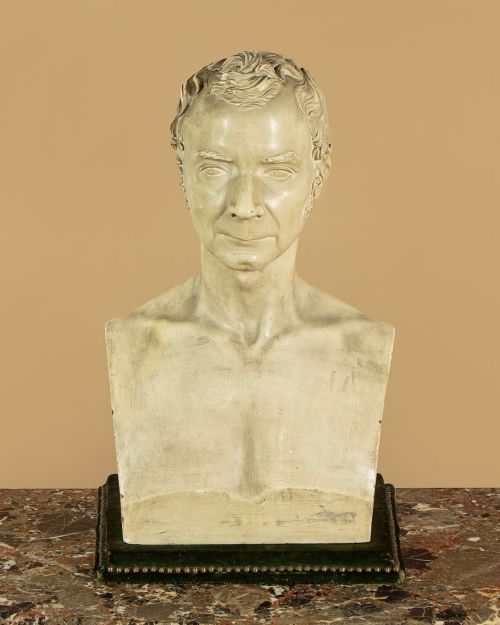
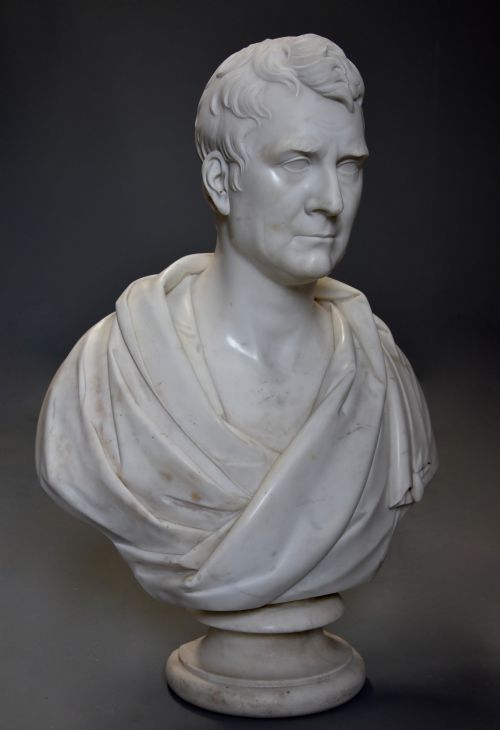

Classical Portrait Bust
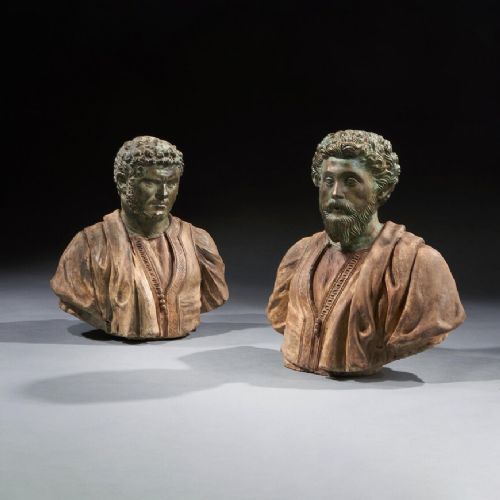
A classical portrait bust brings the severe grace of antiquity directly into a study or drawing room, capturing historical and mythological figures in stone and metal.

Classical Portrait Bust
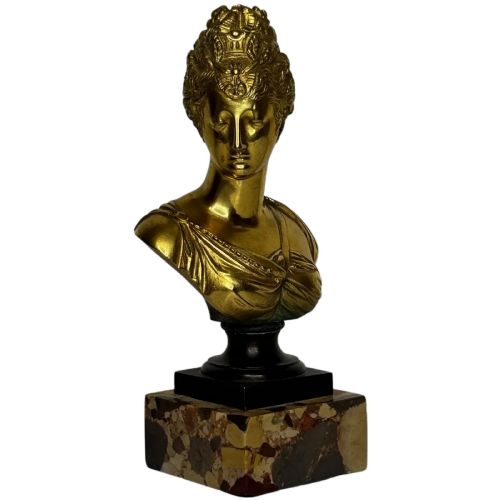
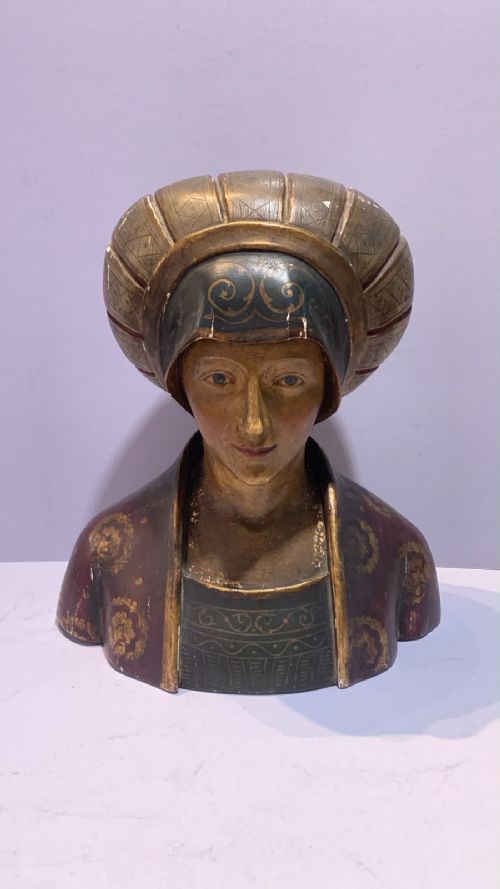
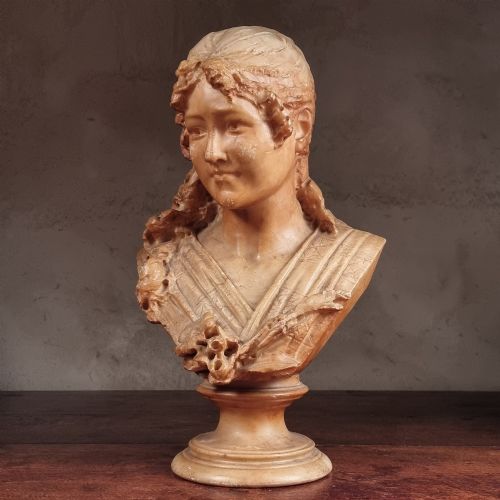
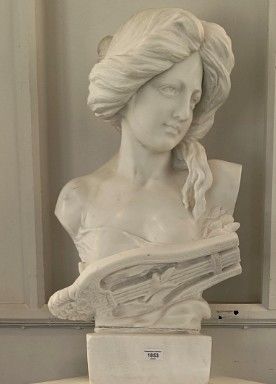
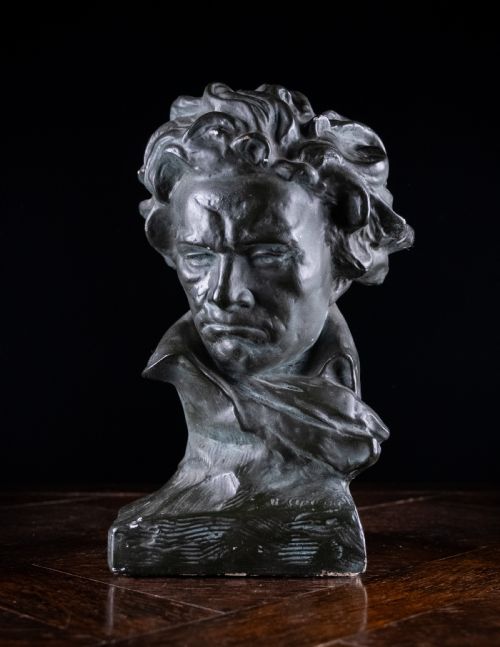
A classical portrait bust represents historical figures, mythological personages, poets, and nobility through sculptural likenesses. When searching for a classical portrait bust, buyers encounter works spanning from the seventeenth century through the twentieth century, with nineteenth-century examples dominating the selection.
The forms range from monumental civic portraits and library library busts to Grand Tour souvenirs and wall plaques. These pieces depict subjects such as Roman emperors, Greek muses, literary figures, and anonymous noblemen and women.
Originating largely from British, French, and Italian workshops, the selection includes both carved stone likenesses and cast metal or plaster studies. Library busts and smaller Grand Tour pieces form the most common encounters for collectors browsing this inventory.
How They Were Made
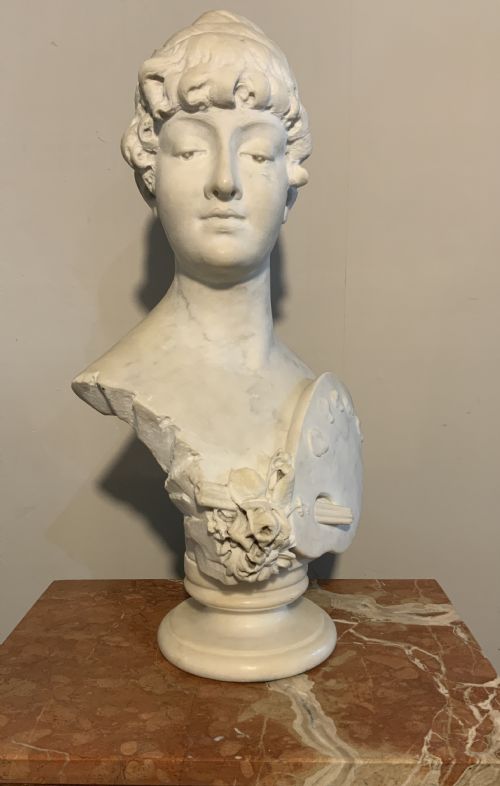
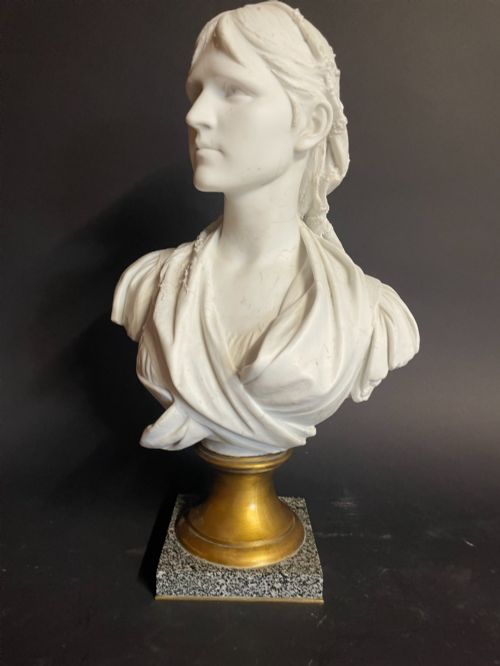
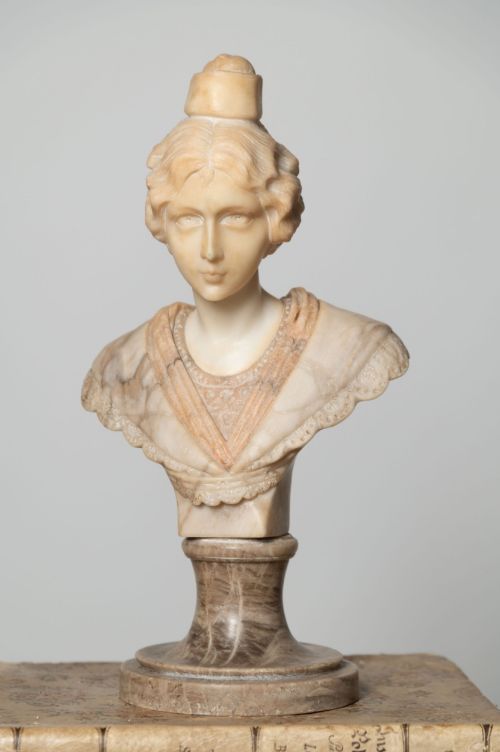
Carvers shaped marble, alabaster, and stone using chisels and drills to capture drapery, hair, and facial expressions. Carrara marble and fine alabaster provided the smooth, luminous surfaces favoured for classical subjects.
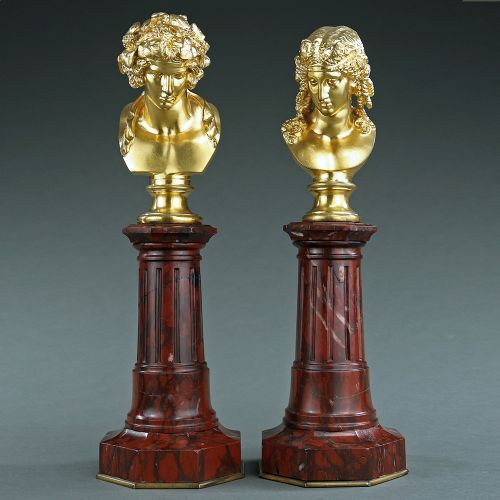
Foundries produced bronze and gilt bronze sculptures through the lost-wax or sand-casting methods, often mounting the finished metal busts on marble bases. Plaster and terracotta served as alternative mediums, sometimes painted or patinated to simulate heavier materials.
Classical Portrait Bust Retail Price Guide 2026
Typical asking prices for classical portrait bust among the pieces listed under this phrase on Sellingantiques today, from the lower quarter to the upper quarter. They describe what is for sale here now, not the wider market.
Several Roman emperors and nineteenth-century poets share shelf space with Beethoven and a celebrity cellist.
What Varies in Quality
Material selection separates standard works from exceptional examples, with flawless white marble or heavy patinated bronze commanding greater attention than painted plaster. The presence of a signature from a known sculptor or foundry elevates the stature of the piece.
J Francis·Raffaelo Monti·E Villanis·Georges-Charles Coudray·Giuseppe Moretti
The Classical Portrait Bust Glossary
- Grand Tour
- A nineteenth-century tradition where wealthy travellers collected souvenirs of classical art and architecture across Italy and France. These objects often included bronze or marble reductions of famous ancient sculptures.
- Parian Ware
- A fine-grained, unglazed porcelain developed in the nineteenth century to imitate white marble. It was frequently utilised for portrait busts of literary figures and royalty.
- Neoclassical
- A style spanning the eighteenth and nineteenth centuries that revived the aesthetics of ancient Greece and Rome. It prioritises symmetry, restraint, and classical proportions.
- Patination
- The surface finish or colour developed on bronze, plaster, or stone over time or through chemical treatment. A well-preserved pat patina enhances the depth and texture of sculptural details.
Classical Portrait Bust: Frequently Asked Questions
Where should I display a marble bust?
Marble and bronze busts require sturdy surfaces such as console tables, pedestals, or dedicated library shelves. Their weight demands stable placement away from high-traffic areas where they might be accidentally knocked.
Positioning them near natural light sources helps accentuate the carved contours of the face and the texture of the drapery.
How do I clean an alabaster bust?
Alabaster is a softer stone than marble and is sensitive to moisture, meaning water should be avoided during cleaning. A soft, dry microfibre cloth or a gentle dusting brush removes surface dust safely.
Applying liquid cleaners can dissolve the gypsum content of the stone, permanently dulling its polished finish.
What is a library bust?
Library busts are smaller sculptural portraits designed to sit upon bookshelves or desk tops, typically depicting famous writers, philosophers, and poets. They served as scholarly decoration in nineteenth-century studies and private libraries.
Subjects like Dante, Shakespeare, and Homer appear frequently in this format.
How can I tell plaster from marble?
Plaster feels lighter than stone and often displays a slightly chalky or painted surface texture rather than the crystalline depth of marble. Tapping plaster produces a duller sound compared to the dense resonance of carved stone.
Examining the underside or seams can also reveal mould lines typical of plaster casting.