
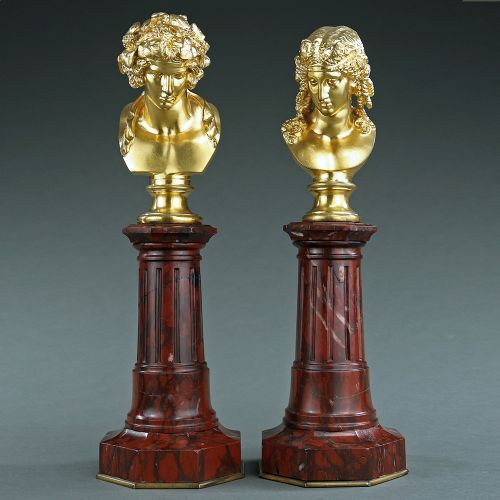
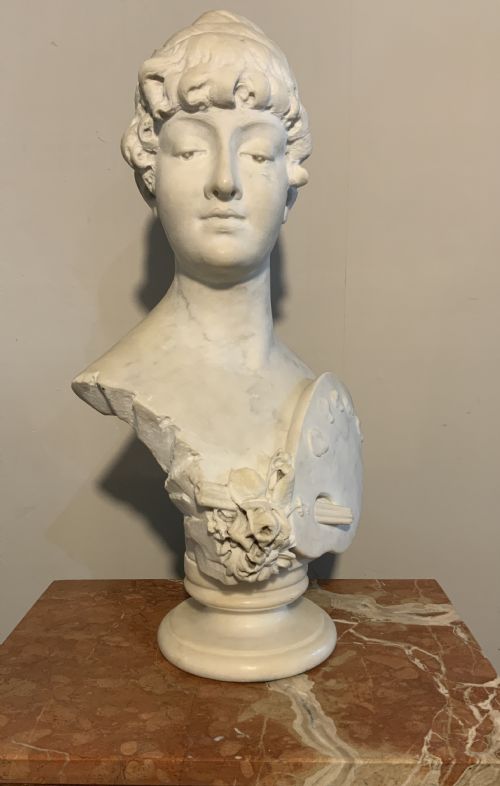
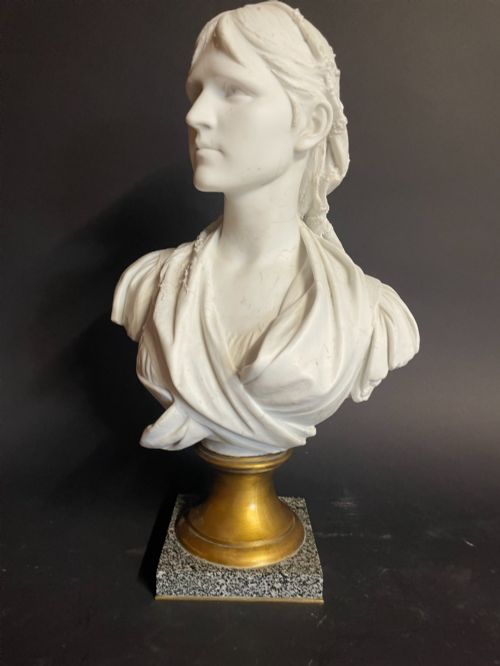
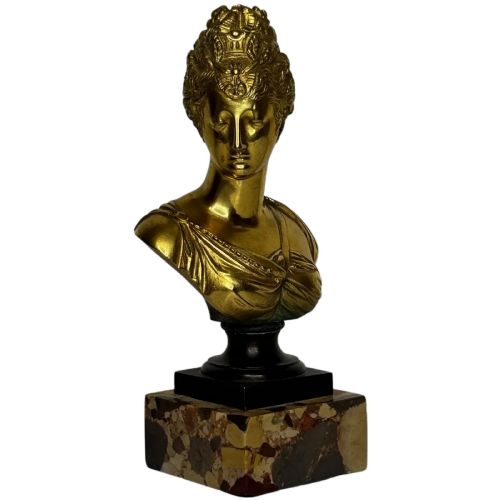
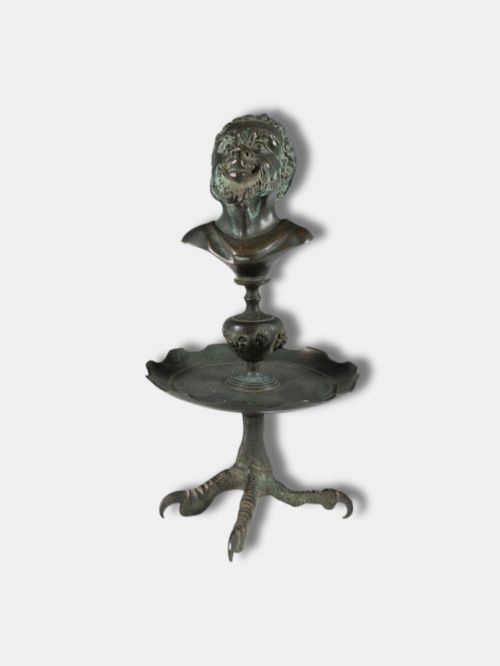
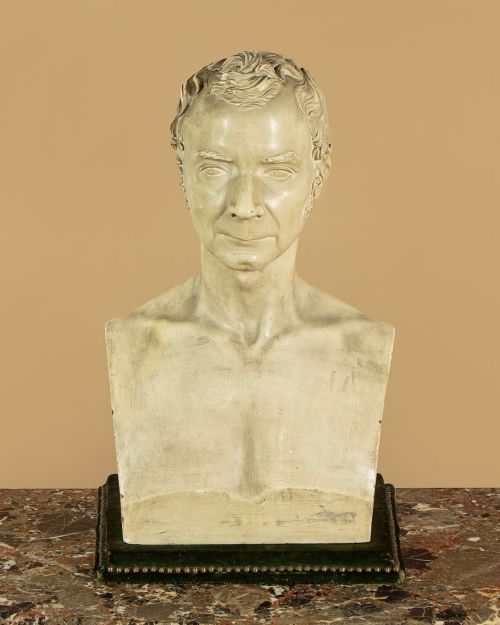
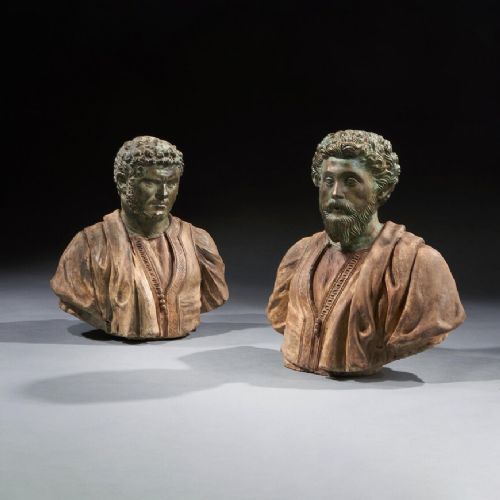
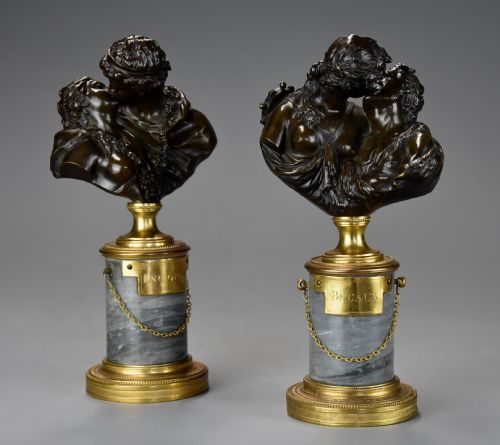
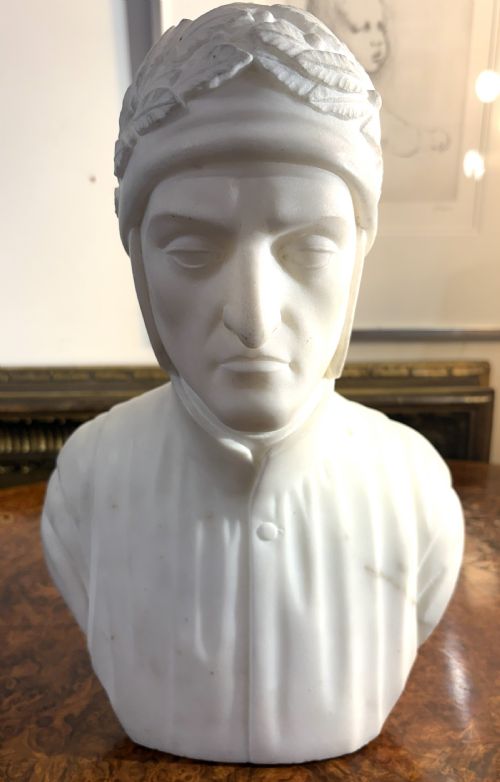
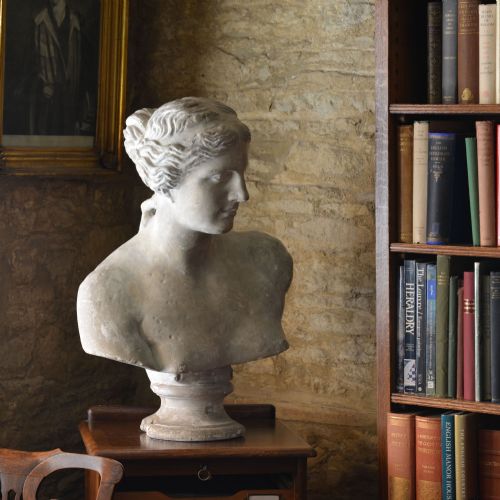


Grand Tour Bust
A grand tour bust brings the classical world into the home, echoing ancient statues collected by travellers across Europe.
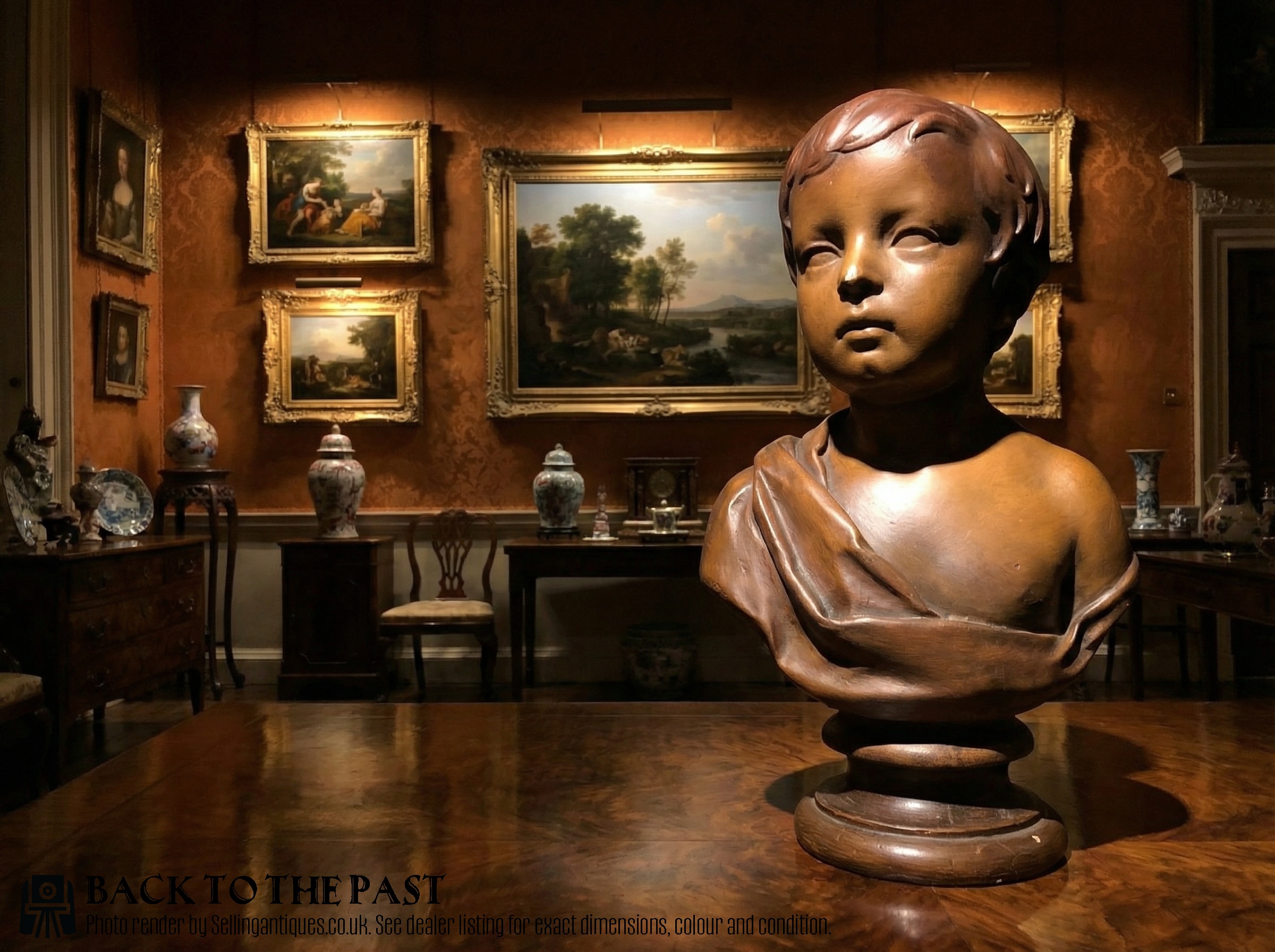
Grand Tour Bust
A grand tour bust represents classical figures, Roman emperors, and philosophers modelled on ancient sculpture. These pieces served as portable mementos for travellers journeying through Italy during the eighteenth and nineteenth centuries.
Collectors frequently encounter bronze and marble versions on this page, often mounted on fitted stone plinths. Subjects range from mythological deities such as Apollo and Diana to historical figures like Homer and Caesar.
Scale varies widely, from cabinet library pieces designed for desks to larger sculptural studies. Many follow specific antique archetypes originating from famous collections in Rome and Florence.
Materials and methods
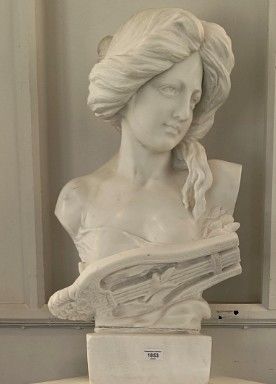
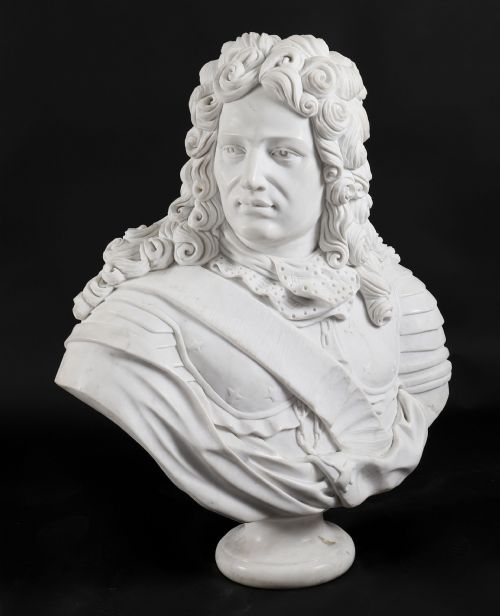
Foundries produced bronze casts using the lost-wax method, applying chemical patinas to simulate ancient patination. Marble carvers worked by hand, utilising Carrara and Sienna stone to replicate the finish of excavated fragments.
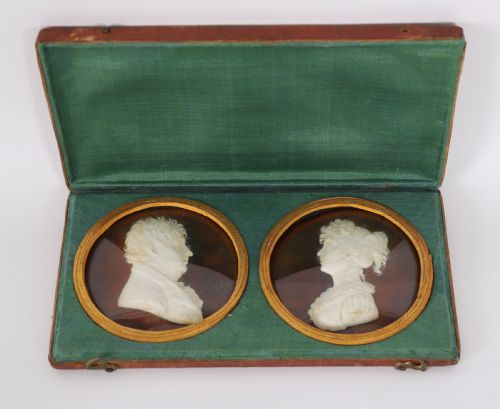
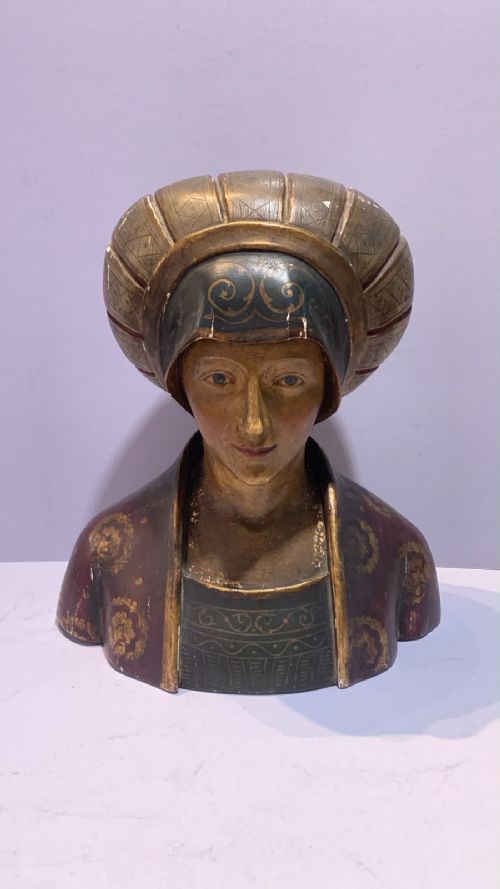
Plaster and terracotta served as accessible mediums for detailed library busts and relief plaques. Makers combined these materials with wood bases or brass mounts to complete the desk and cabinet accessories.
Subjects cover Roman emperors, Greek philosophers, and mythological figures including Antinous, Homer, and the Caesars.
Assessing quality and execution
The choice of supporting material influences the overall success of the piece, particularly where multi-coloured marbles and detailed patinas are integrated. Workshops that employed named sculptors or signed their casts achieved greater refinement in the final finish.
Mathurin Moreau·R. Mattei
The Grand Tour Bust Glossary
- Patina
- The surface sheen or coloration developed by bronze and metal through age or chemical treatment. This finish protects the metal and defines the sculptural contours.
- Carrara marble
- A type of white or blue-grey stone quarried in Tuscany, widely utilised for neoclassical sculpture and architectural details. It provides a luminous surface for portrait heads.
- Lost-wax casting
- A metalworking process where a molten metal is poured into a mould that has been created by means of a wax model. This technique allows for intricate detail in bronze figures.
- Neoclassical
- A style spanning the eighteenth and nineteenth centuries that revived the aesthetics of classical antiquity. It influences the proportions and subject matter of these sculptures.
- Terracotta
- Fired clay used for sculptural studies and portrait models. It offers a warm reddish-brown tone favoured by modellers before final casting or finishing.
Grand Tour Bust: Frequently Asked Questions
What is a grand tour bust?
A grand tour bust is a miniature or cabinet-sized copy of an ancient sculpture, purchased by travellers touring European cultural sites.
These pieces were produced primarily during the eighteenth and nineteenth centuries as educational and decorative souvenirs.
How were they displayed?
Owners typically placed them on libraries, desks, or custom pedestals alongside books and scientific instruments.
Pairs of opposing historical figures or deities were frequently arranged symmetrically on mantelpieces or architectural brackets.
How do I identify the subject?
Inscriptions on the base or shoulders often name the classical deity, philosopher, or Roman emperor depicted.
Iconographic details, such as the lion skin of Hercules or the wreath of Caesar, help distinguish the figures when inscriptions are absent.
Which materials are most common?
Bronze and white marble dominate the surviving examples, supported by patinated terracotta and plaster casts.
Many incorporate contrasting coloured marble bases, such as Sienna or alabaster, to elevate the visual impact of the portrait.