





Vintage Plaster Sculpture
Vintage plaster sculpture brings classical figures, theatrical props and animal studies into an interior with remarkable tactile presence.
Vintage Plaster Sculpture
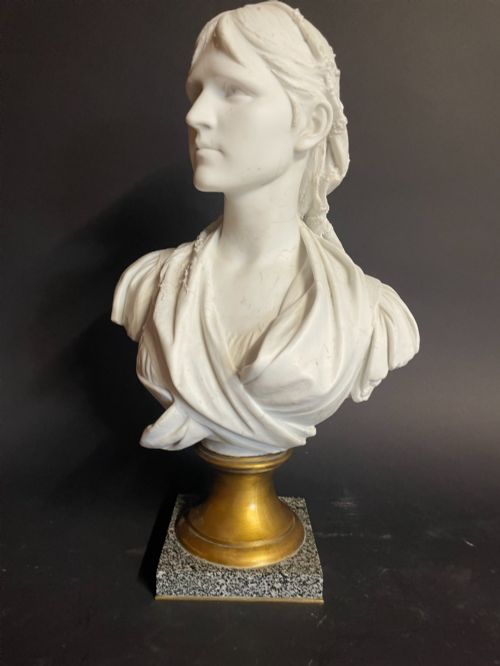
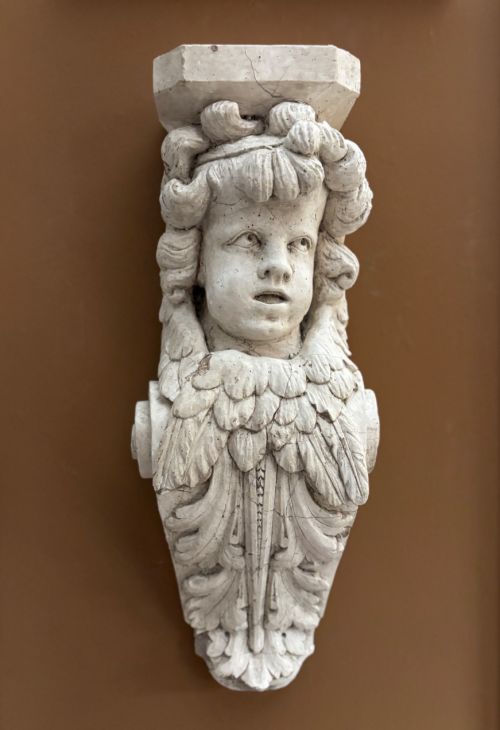
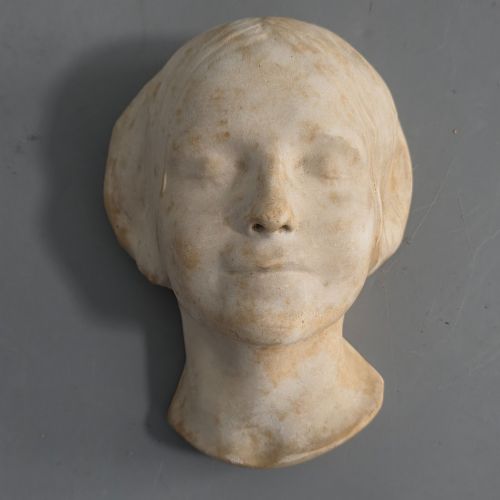
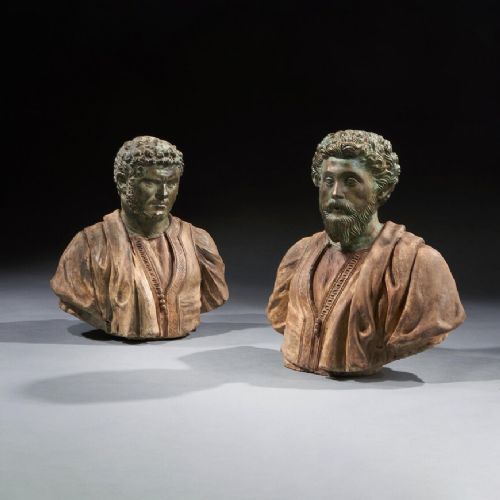
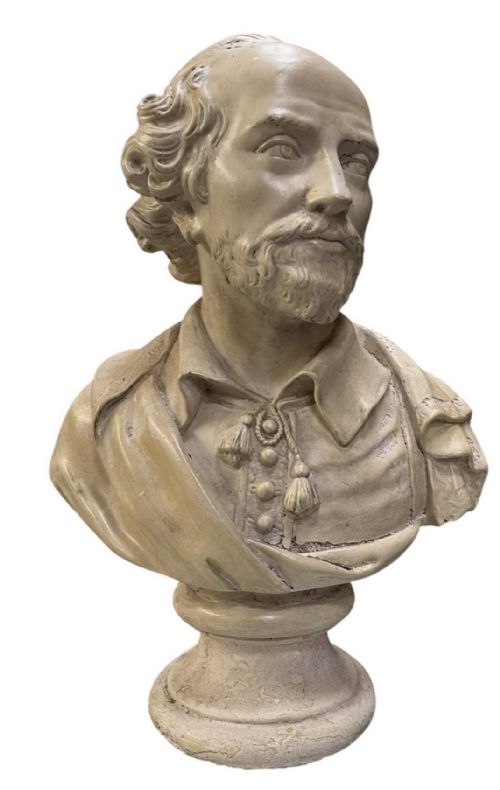
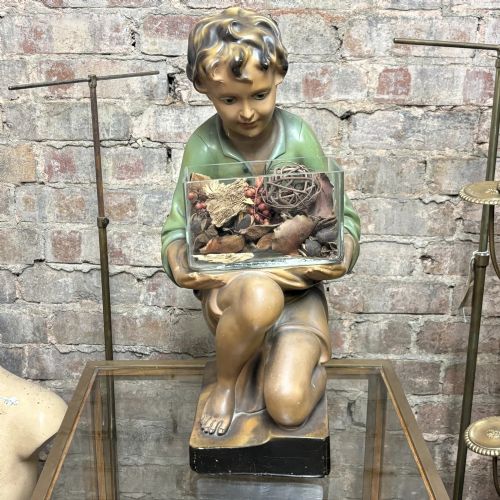
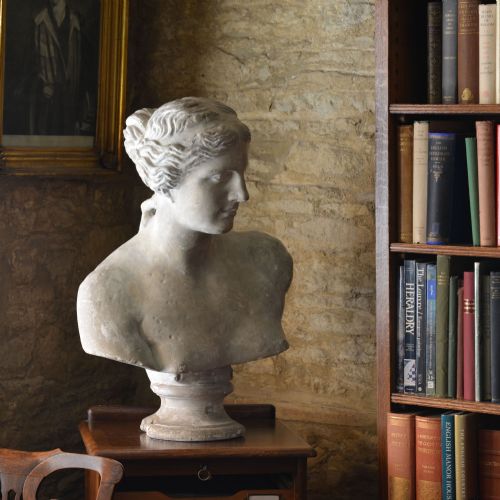
Vintage plaster sculpture encompasses a wide range of decorative objects, from portrait busts of historical figures and classical deities to animal models and architectural wall corbels. Buyers searching for vintage plaster sculpture regularly encounter nineteenth century library busts, early twentieth century figures and Art Deco pieces created across Britain, France, and Italy.
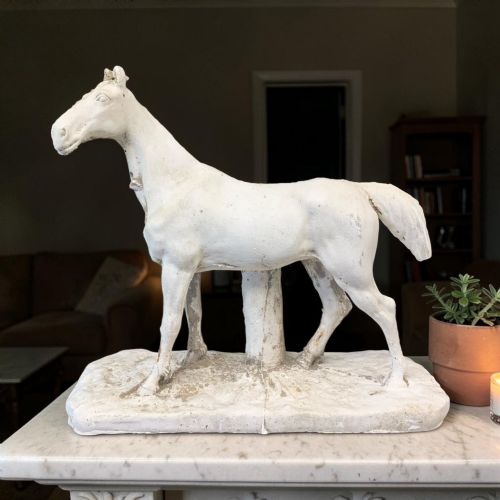
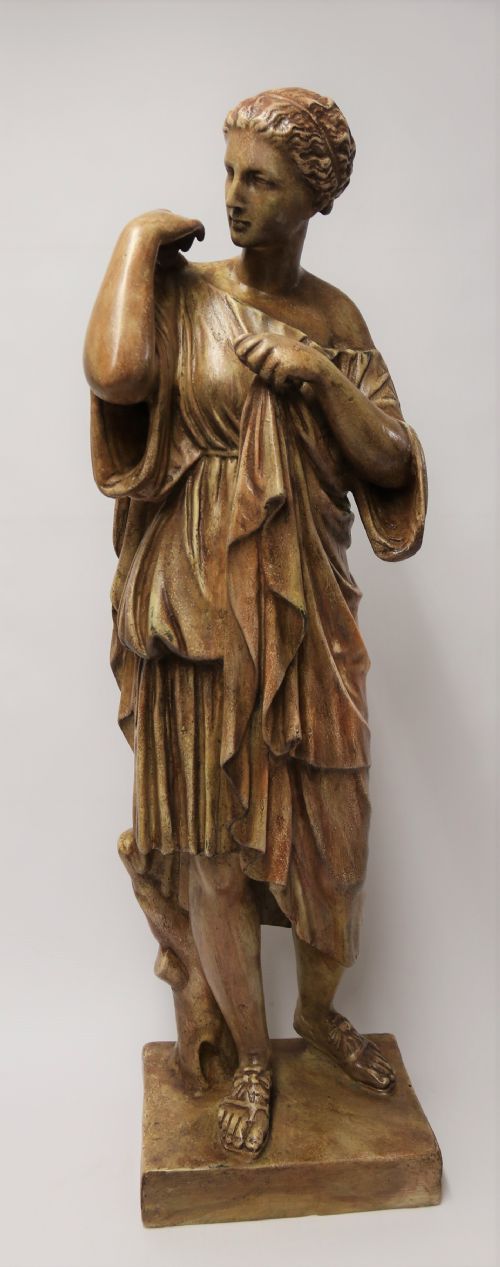
The selection includes life size representations of historical figures such as Beethoven and Napoleon alongside mythological subjects like Venus de Milo and Diana the Huntress. Studio cast models of horses, bulls and dogs sit alongside ecclesiastical figures and theatrical props.
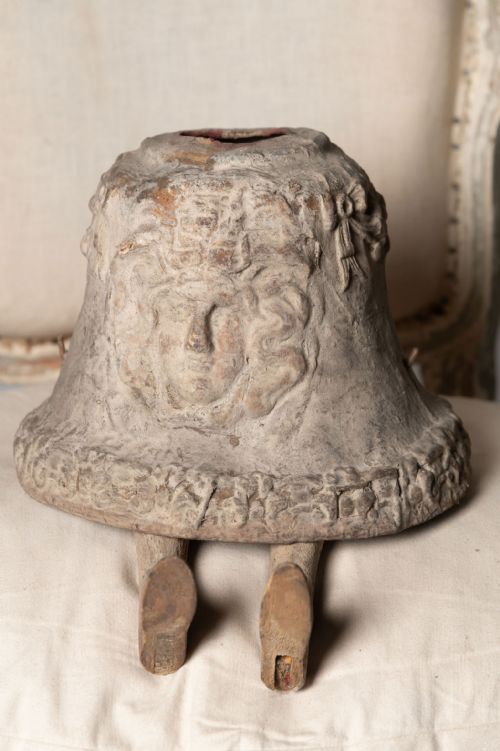
Formats extend beyond freestanding statues to include wall plaques, relief panels, pedestals and caryatids. Many pieces reflect Neoclassical, Victorian and Modernist sensibilities, demonstrating the enduring popularity of plaster as a versatile medium for sculptural reproduction and original modelling.
Materials and Techniques
Makers utilised gypsum plaster poured into moulds, often supported by internal wooden armatures or metal reinforcement for larger figures. Gesso was frequently applied as a preparation layer to smooth surfaces before painting or gilding.
Many surfaces received hand painted decoration, bronze effects or gold leaf applications to simulate more costly materials like bronze, stone or marble. Terracotta and glass elements occasionally appear alongside wood components in pedestals and stands.
Vintage Plaster Sculpture Retail Price Guide 2026
Typical asking prices for vintage plaster sculpture among the pieces listed under this phrase on Sellingantiques today, from the lower quarter to the upper quarter. They describe what is for sale here now, not the wider market.
The inventory spans the nineteenth century through the Edwardian period and the nineteen thirties and forties.
Judging Quality
Quality rests in the crispness of the mould and the subtlety of the hand finished details. Superior examples retain sharp facial expressions, clean garment folds and precise lettering on portrait bases, whereas worn casts lose definition through repeated moulding.
The sophistication of the surface finish dictates distinction. Skillfully applied paint, patination and gold leaf elevate a cast, whereas crude overpainting obscures the underlying sculptural form.
D Brucciani Co London·Raffaelo Monti·Joseph Constant·Rouillard Angers·Octave Galliard Sansonetti·Bohumil Rezl
The Vintage Plaster Sculpture Glossary
- Plaster
- A building material consisting of a paste of gypsum, sand, and water that sets hard when dry. It serves as the primary medium for casting sculptural replicas and original works.
- Gesso
- A plaster mixture used as a smooth base coat for painting or gilding. It provides a receptive surface for subsequent decorative finishes.
- Corbel
- A structural member projecting from a wall to support a weight. Plaster versions often take decorative figural or architectural forms.
- Caryatid
- A sculpted female figure serving as an architectural support taking the place of a column. They appear in pairs supporting cornices or lintels.
- Animalier
- Art depicting the naturalistic behaviour of animals. Sculptures in this genre capture creatures such as horses and bulls with anatomical precision.
Vintage Plaster Sculpture: Frequently Asked Questions
How do I clean vintage plaster?
Dust surfaces gently with a soft dry brush to prevent dirt settling into porous areas. Avoid liquid cleaners because moisture damages historical plaster.
Keep pieces away from damp environments to preserve painted and gilded finishes.
Were these painted originally?
Many pieces received hand painted finishes, bronze patination or gold leaf soon after casting. Makers often decorated plaster to imitate marble, terracotta or bronze.
Later overpainting frequently occurred, so examining the underlying layers helps determine age.
How do I date a plaster bust?
Examine the style of the clothing, hair and subject matter alongside any inscribed signatures or foundry marks. Nineteenth century pieces often display neoclassical austerity while Art Deco examples feature stylised geometric lines.
Base construction and the type of surface wear also provide clues to the decade of production.