





Classical Plaster Cast
A classical plaster cast brings the noble restraint of antiquity straight into a room, offering tactile connection to ancient sculpture and Renaissance masterpieces alike.
Classical Plaster Cast
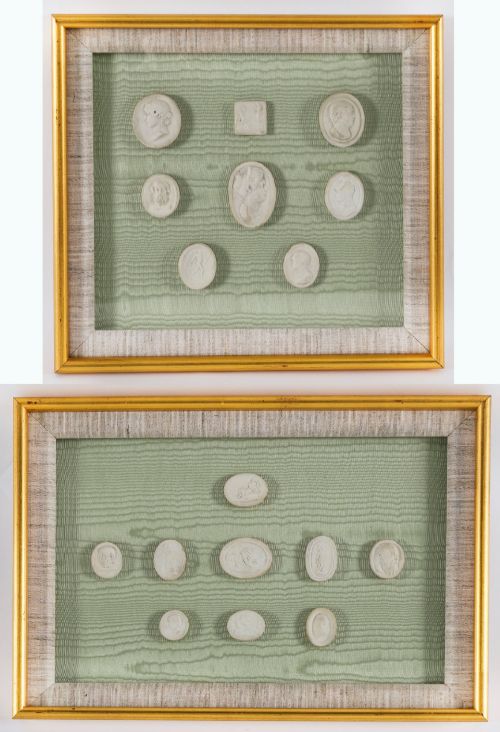
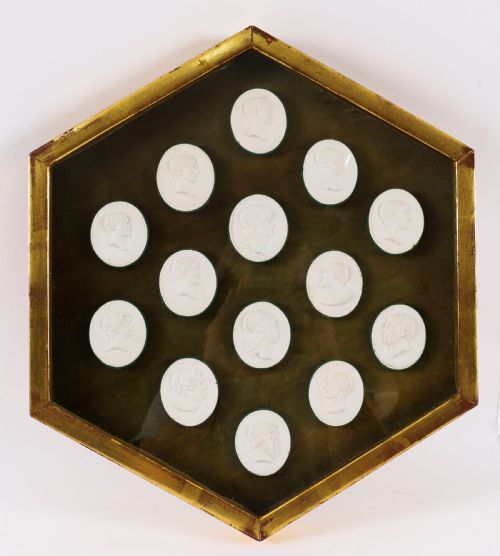
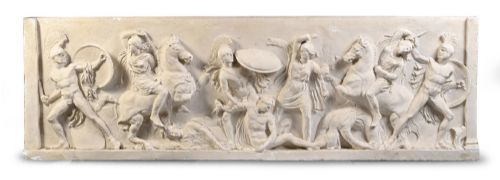
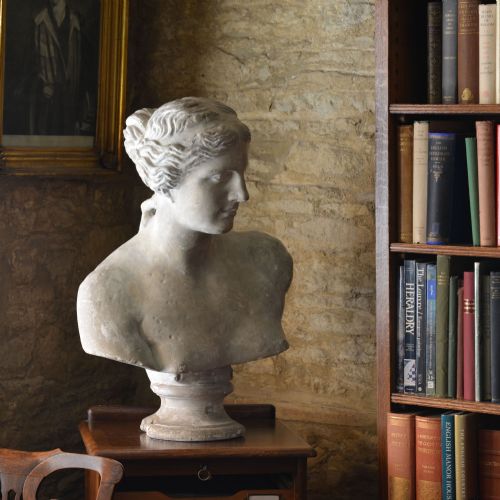
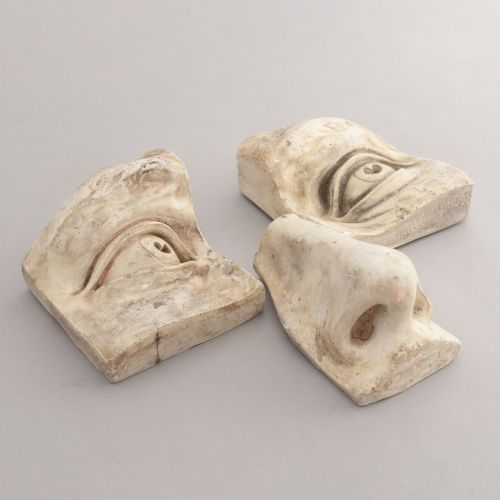
When you search for a classical plaster cast, you encounter a fascinating tradition of reproducing renowned sculpture, architectural relief, and glyptic art for study and display. These objects range from full-scale sculptural busts of historical figures and mythological subjects to meticulous framed panels of intaglios and cameos.
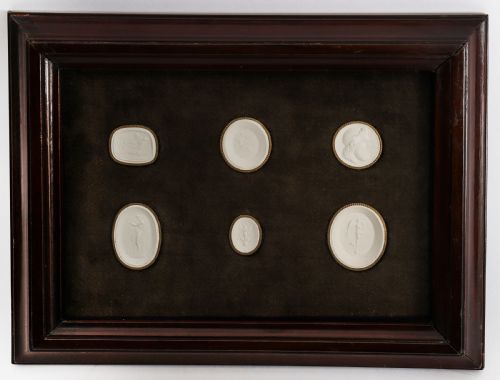
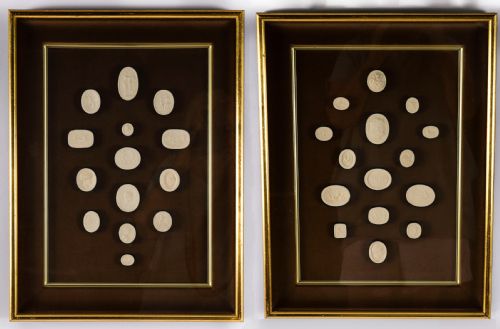
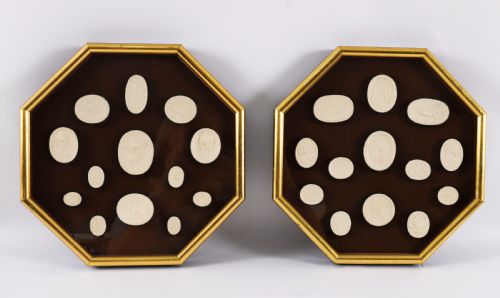
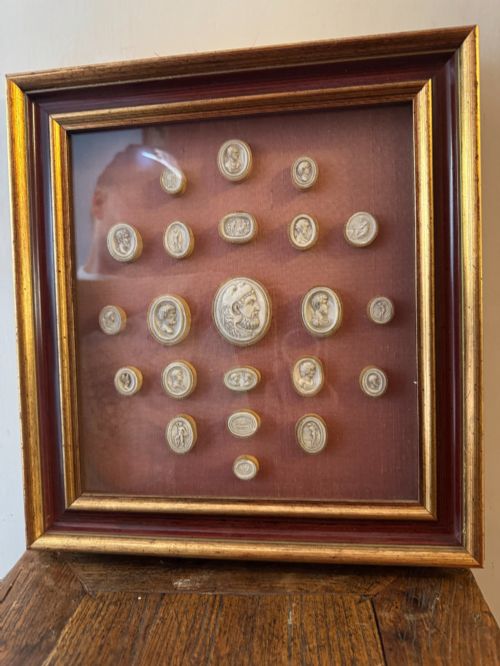
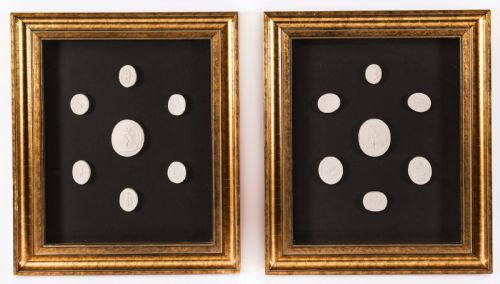
The most common iterations on this page are Grand Tour souvenirs and academic studies originating from the eighteenth and nineteenth centuries. Miniature intaglios, arranged in collections within giltwood or velvet-lined frames, share space with substantial figures like Venus de Milo, Ludwig van Beethoven, and Michelangelo's David.
Makers drew directly from classical antiquity and Renaissance masters, creating portable editions for private cabinets and drawing rooms. Pieces reflect neoclassical tastes and the educational ambitions of collectors who travelled across Europe to acquire miniature galleries.
Materials and production methods
The primary material is fine plaster or gypsum, sometimes mixed with marble dust to achieve a dense, stone-like weight and surface texture. Artisans poured these mediums into moulds taken directly from antique marbles, bronzes, and carved gems, capturing minute details of hair, drapery, and facial expression.
Framed intaglio panels incorporate secondary elements such as wood, glass, and velvet or fabric backings to securely hold and display the delicate gypsum reliefs. Gilt wood frames frequently complement the white or patinated plaster, adding architectural presence and protecting the fragile casts from handling.
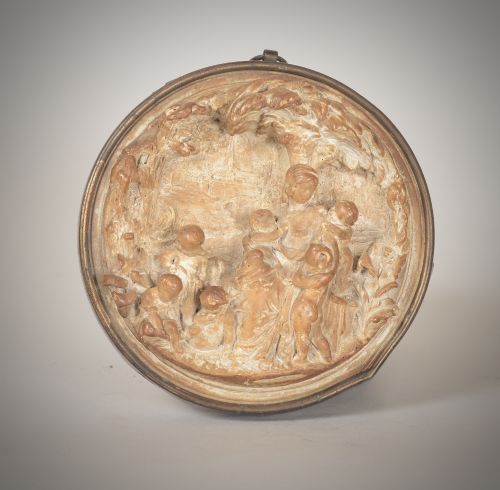
Finishes vary from plain matte white surfaces to patinated treatments that simulate aged marble, bronze, or terracotta. Certain items receive hand-painted details or careful mounting within specialised box frames to preserve intricate sets of miniature casts.
Listings feature works spanning the eighteenth to the twentieth centuries, utilising plaster, gypsum, giltwood, velvet, and marble dust.
Distinctions in craftsmanship
The sophistication of the presentation elevates certain pieces above standard workshop output. Professionally arranged sets by established makers, housed in bespoke velvet-lined frames with original giltwood surrounds, demonstrate superior care and higher artistic ambition.
Giovanni Liberotti·Pietro Bracci
The Classical Plaster Cast Glossary
- Intaglio
- An engraved gem or casting where the design is sunken below the surface. These pieces were designed to be pressed into wax or admired for their intricate miniature detail.
- Cameo
- A method of carving or casting where the subject is raised in relief against a contrasting background. They frequently depict classical profiles and mythological scenes.
- Grand Tour
- A traditional trip through Europe undertaken by upper-class young men to study art and antiquities. Travellers collected plaster casts and intaglios as portable evidence of their refined education.
- Plaster cast
- A three-dimensional copy of a sculpture or relief created by pouring liquid gypsum into a mould. They served as essential teaching tools for artists and cherished ornaments for collectors.
- Neoclassical
- A Western cultural movement drawing inspiration from the art and culture of classical antiquity. This aesthetic heavily influences the subjects and proportions found in these casts.
Classical Plaster Cast: Frequently Asked Questions
How were intaglio panels displayed?
Intaglio panels were typically arranged in sets within wooden frames, often backed with velvet or fabric to highlight the crisp white plaster. Collectors hung them on walls or stored them in cabinet drawers for close examination.
These framed groupings functioned as portable art galleries for nineteenth-century travellers.
How do I care for antique plaster?
Antique plaster requires a dry environment away from excessive moisture and direct sunlight. Dusting should be done gently with a soft, dry brush to protect the delicate surface details.
Avoid using water or liquid cleaners, as plaster is porous and easily stained or softened by moisture.
What subjects are most common?
Common subjects include classical deities, philosophers, historical figures, and renowned sculptures like the Venus de Milo and Michelangelo's David. Mythological scenes and profile portraits dominate intaglio and cameo collections.
These themes reflect the classical education and aesthetic priorities of the collectors who originally commissioned them.