


White Plaster Bust
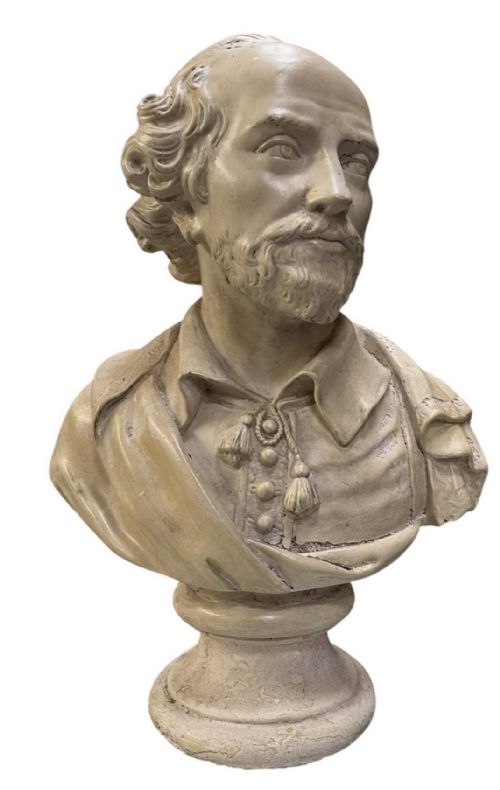
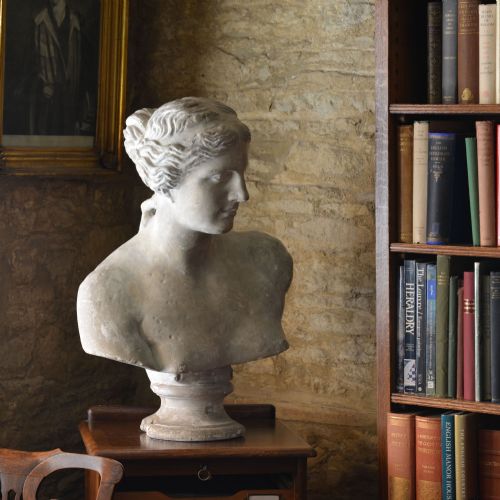
These white plaster bust examples bring neoclassical presence into a room, capturing historical figures and anonymous sitters with crisp, chalky detail.
White Plaster Bust
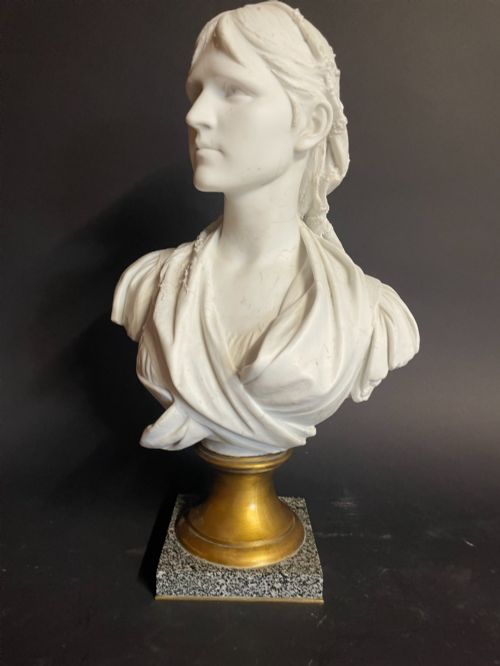
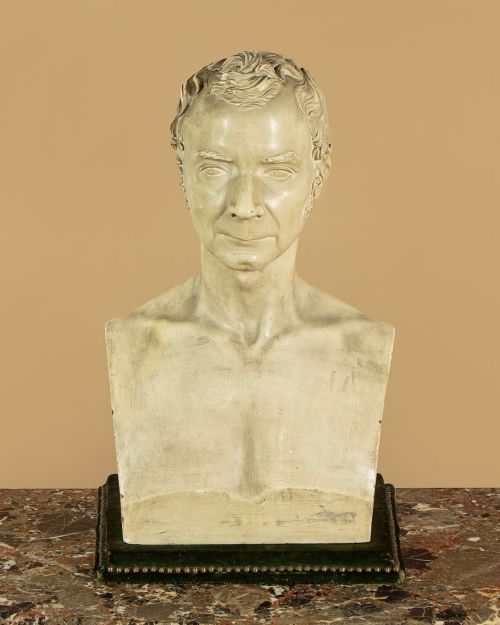
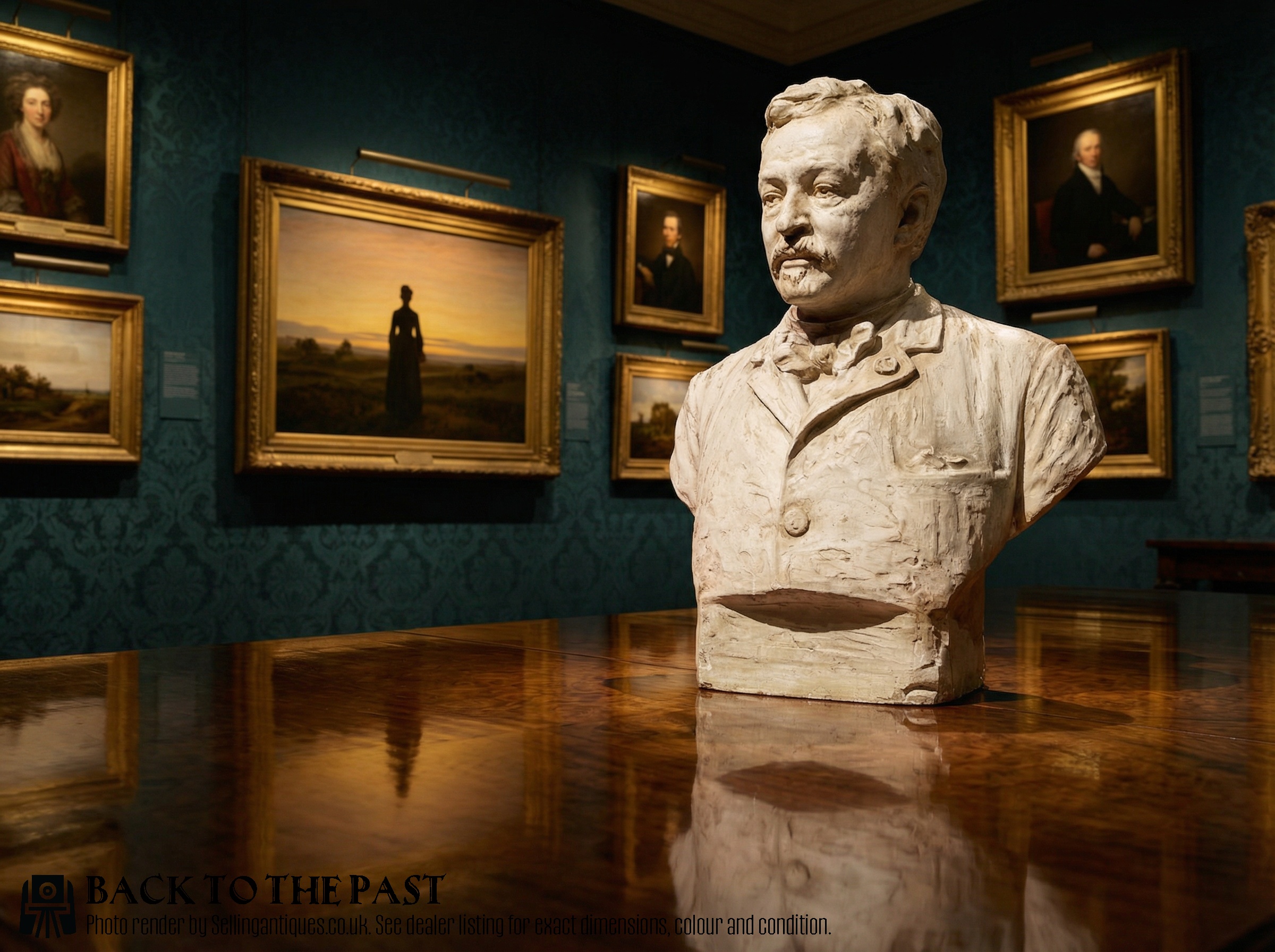
A white plaster bust offers the gravitas of classical sculpture in a more accessible medium, ranging from grand library pieces depicting literary figures to anonymous gentlemen. When you search for a white plaster bust, you encounter works spanning the nineteenth and early twentieth centuries, drawing heavily on classical revival and neoclassical aesthetics.
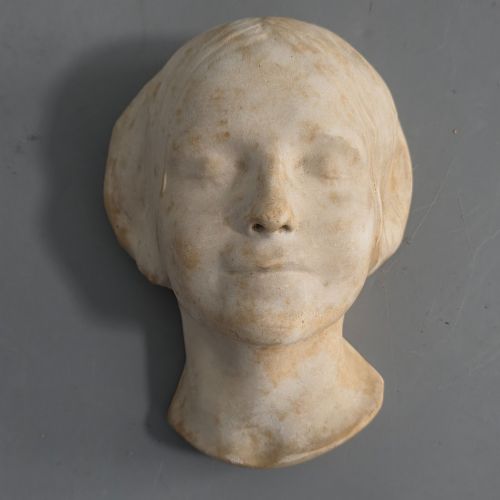
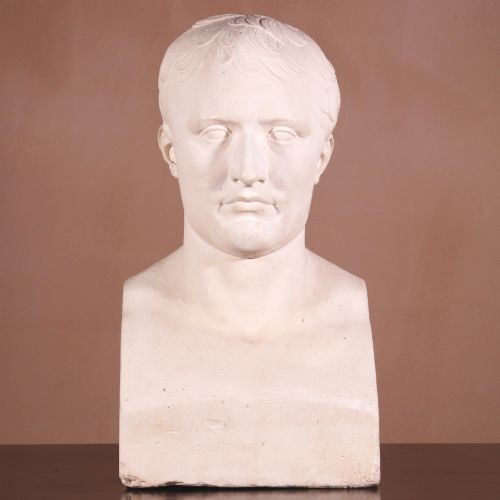
The selections here include likenesses of historical figures such as Napoleon, Shakespeare, Homer, and Walter Scott, alongside iconic classical subjects like Venus de Milo and Michelangelo's David. Alongside full-sized library sculptures, you find related formats such as death masks and pressed glass paste cameos that share the same sculptural ambition.
Originating predominantly from British, French, and Italian traditions, these pieces capture the refined tastes of nineteenth-century interiors. They served as scholarly ornaments for study walls and drawing rooms, designed to display intellectual engagement and classical learning.
How they were made
Plaster and gypsum form the primary body of these sculptures, capturing fine details from moulds taken directly from original carved marbles or clay models. This medium allows for sharp rendering of hair, drapery folds, and facial expressions without the arduous process of stone carving.
Many examples incorporate secondary materials to elevate their presentation, mounting the white plaster onto brass brackets, marble bases, granite blocks, or alabaster supports. These contrasting mounts provide stability and visual weight, framing the chalky white surface of the bust effectively.
White Plaster Bust Retail Price Guide 2026
Typical asking prices for white plaster bust among the pieces listed under this phrase on Sellingantiques today, from the lower quarter to the upper quarter. They describe what is for sale here now, not the wider market.
Listings feature periods spanning from 1800 to 1930, utilising plaster, gypsum, marble, granite, alabaster, stone, and glass paste.
What varies in quality
The integration of the support structure also dictates the calibre of the piece, with substantial mounts of marble, alabaster, or brass enhancing the overall presence. A well-cast bust possesses a convincing sense of bodily weight and balanced proportions that anchors the sculpture within its architectural setting.
Raffaelo Monti·James Tassie
The White Plaster Bust Glossary
- Neoclassical
- A style rooted in the revival of classical Greek and Roman art, prioritising heroic subject matter, clean lines, and dignified restraint. This aesthetic dominated European sculpture and architecture throughout the eighteenth and nineteenth centuries.
- Plaster
- A building and sculpting material made from gypsum, mixed with water and allowed to set in a mould. It provides an economical yet highly detailed medium for replicating classical statuary.
- Library bust
- A sculptural portrait designed specifically for display on bookshelves or mantelpieces in nineteenth-century studies. These pieces often depict authors, philosophers, and historical statesmen to signal scholarly pursuits.
- Death mask
- A cast taken from the face of a recently deceased person, usually in plaster or wax, to preserve their likeness. In nineteenth-century collections, these objects held both artistic and memorial significance.
White Plaster Bust: Frequently Asked Questions
How do I clean a plaster bust?
Dust your white plaster bust gently using a soft, dry brush or a feather duster to prevent particles from settling into the porous surface. Avoid using water or liquid cleaners, as moisture can dissolve the plaster and ruin the matte finish.
For stubborn grime, consult a professional conservator rather than attempting chemical removal at home. Keeping the sculpture away from direct sunlight and damp environments preserves the crispness of the material.
Are these pieces original antiques?
The pieces available originate primarily from the nineteenth and early twentieth centuries, reflecting the period's enthusiasm for classical revival sculpture. Makers utilised traditional moulding techniques to reproduce antique marbles for contemporary domestic display.
Examining the underside, the type of mounting materials, and surface wear helps confirm the age of the plaster. Each object carries the patination accumulated through decades in private libraries and drawing rooms.
Where should I display a bust?
Position your sculpture on a sturdy mantelpiece, bookcase, or dedicated bracket where it can command eye-level attention. Placing the piece against a dark wall makes the bright white plaster stand out dramatically.
Ensure the surface is stable and free from vibrations, particularly for larger items mounted on marble or brass. Adequate side lighting highlights the contours of the face and the folds of drapery.
What subjects are most common?
Literary figures and classical deities dominate these collections, reflecting Victorian educational ideals. You frequently encounter likenesses of Shakespeare, Homer, Dante, and classical subjects like Venus de Milo.
Historical commanders and statesmen such as Napoleon also appear regularly in library sizes. Anonymous gentlemen and classical youths provide alternative options for interior styling.