

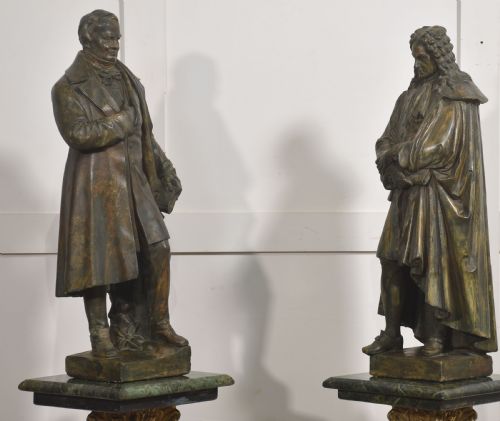
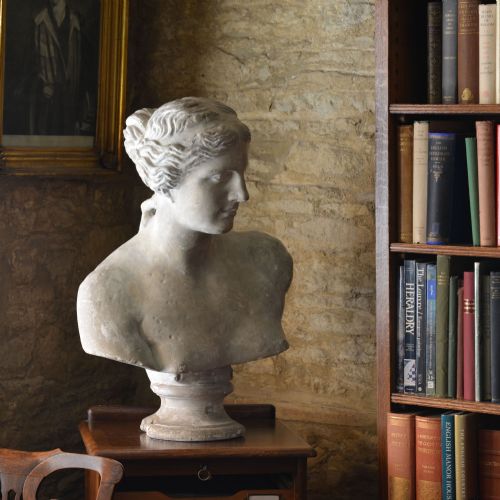

Antique Plaster Sculpture
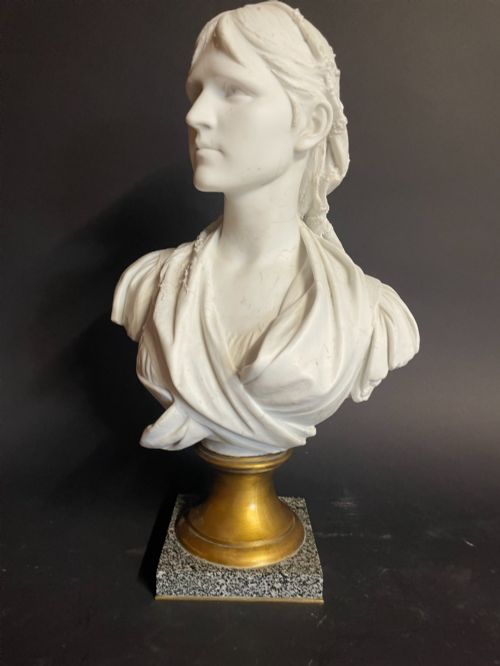
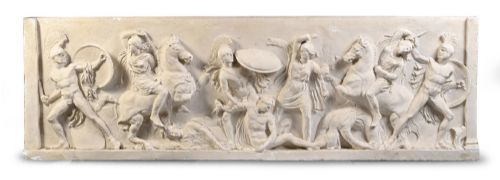
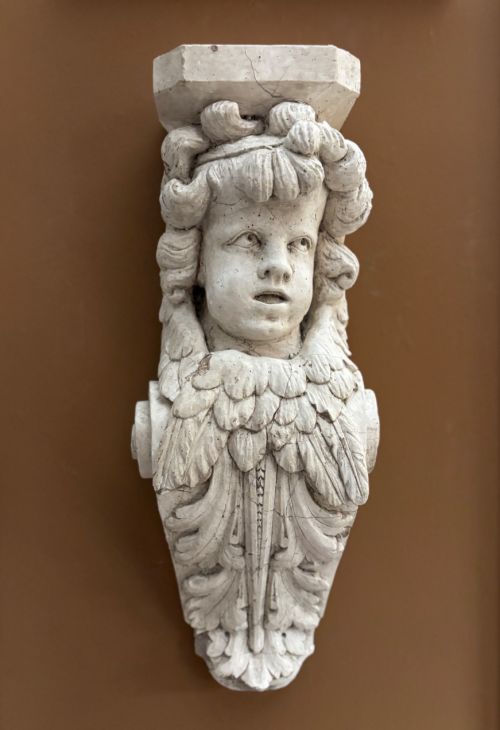
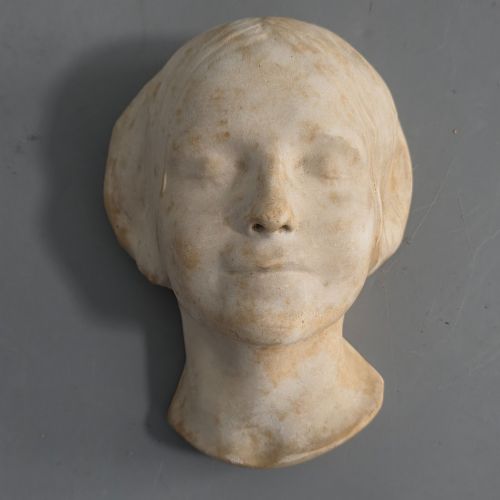
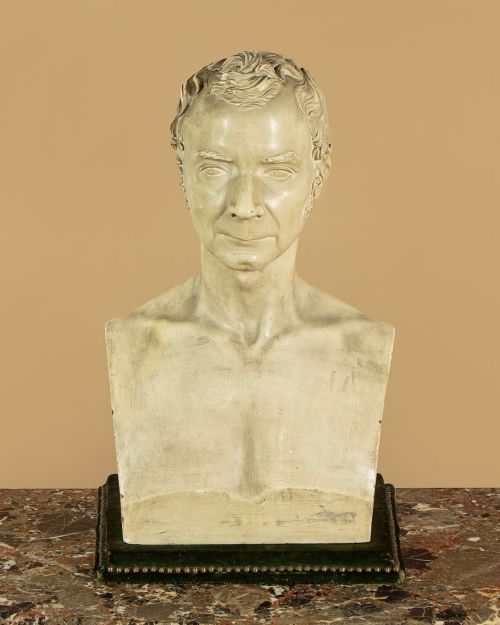
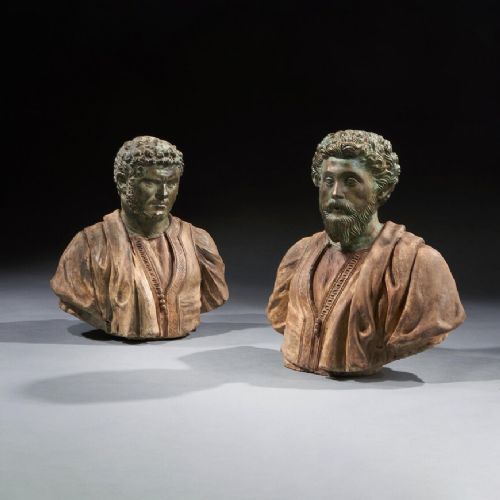
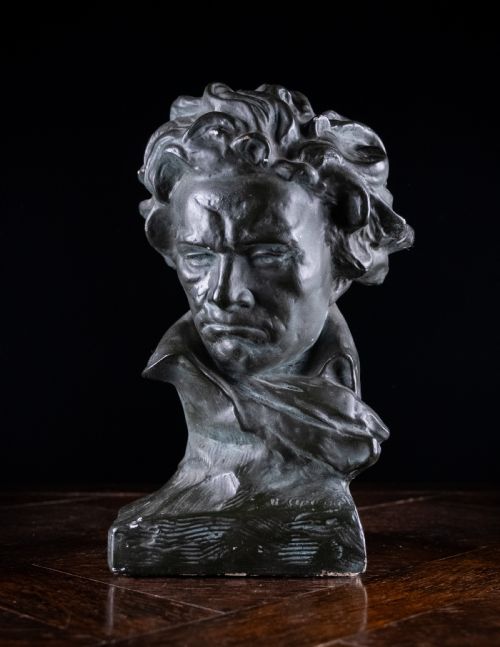
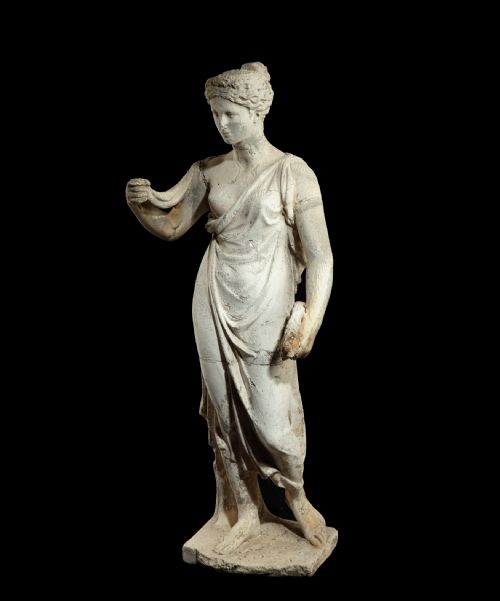
Antique plaster sculpture brings classical presence and crisp modelling into a room, offering timeless form without the weight of carved marble.
Antique Plaster Sculpture
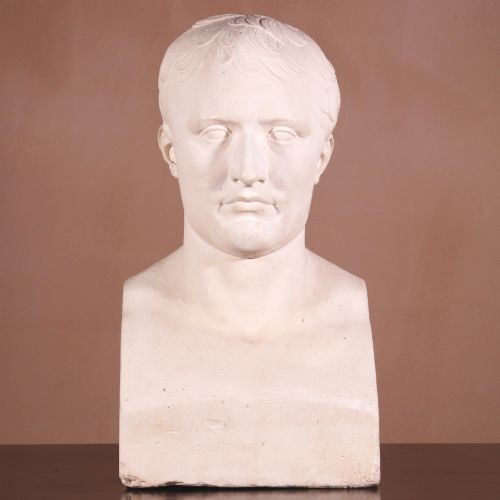
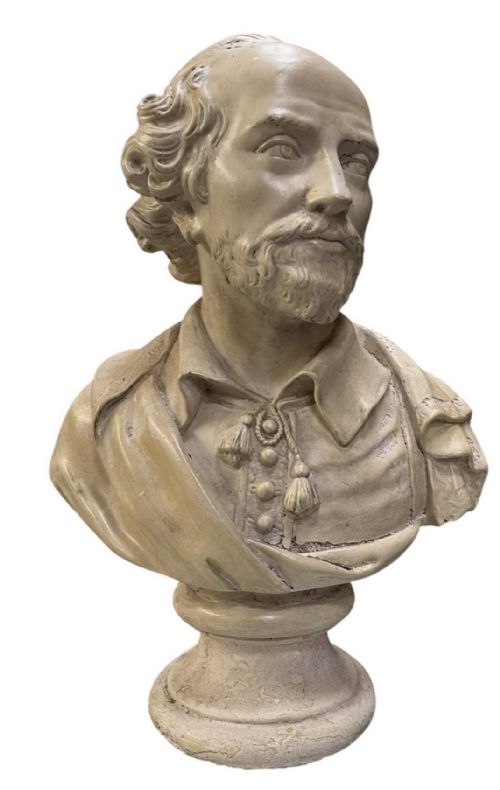
You are most likely to meet subjects such as Napoleon, the Venus de Milo, and mythological figures like Una and the lion. These pieces draw from Neoclassical and Edwardian aesthetics, reflecting a sustained European taste for academic sculpture translated into accessible mediums.
How they were made
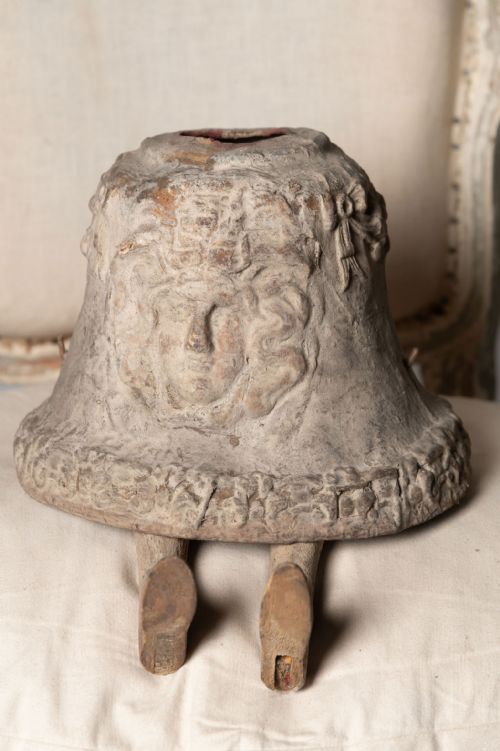
These works rely primarily on gypsum plaster, sometimes paired with terracotta or mounted on wooden bases. Artisans poured or pressed the plaster into moulds taken from original carvings or clay models, capturing fine surface details before the material set.
Antique Plaster Sculpture Retail Price Guide 2026
Typical asking prices for plaster sculpture among the pieces listed under this phrase on Sellingantiques today, from the lower quarter to the upper quarter. They describe what is for sale here now, not the wider market.
The inventory spans the Victorian and Edwardian eras, incorporating Neoclassical and Modernist styles executed in gypsum, plaster, and terracotta.
What varies in quality
The sophistication of the surface finish also distinguishes finer sculpture. Skilful patination and subtle paint layers give depth and weight, while crude or heavy-handed overpainting obscures the underlying modelling.
Octave Galliard-Sansonetti·Epstein
The Antique Plaster Sculpture Glossary
- Plaster
- A building and casting material made from gypsum, valued for its ability to capture fine detail in moulds. It hardens quickly and served as an affordable medium for classical sculpture reproductions.
- Terracotta
- Baked red clay used for sculptural models or sometimes confused with painted plaster. It shares a matte, porous texture but possesses a heavier, ceramic composition.
- Gypsum
- The soft sulphate mineral from which plaster of Paris is derived through calcination. It forms the base substance for the cast figures found in this category.
- Neoclassical
- A Western cultural movement drawing inspiration from the art and culture of classical antiquity. It heavily influenced the creation of plaster busts and mythological figures throughout the nineteenth century.
- Edwardian
- A stylistic period spanning the reign of King Edward VII, noted in these sculptures through refined portraiture and decorative confidence. Pieces from this era often show polished academic technique.
Antique Plaster Sculpture: Frequently Asked Questions
What is an antique plaster sculpture?
An antique plaster sculpture is a three-dimensional figure or bust cast from gypsum plaster, typically dating from the nineteenth or early twentieth century. These pieces often reproduce classical antiquities or depict historical figures for domestic display.
They served as decorative art objects in libraries, studies, and drawing rooms during the Victorian and Edwardian periods.
Where should I display plaster sculpture?
These sculptures need stable indoor environments away from direct sunlight, high humidity, and heavy traffic where they might get knocked. Placing them on sturdy pedestals, mantelpieces, or secure shelves protects them from accidental impacts.
Good directional lighting can enhance the subtle shadows and modelling characteristic of plaster portraiture.
How do I date a plaster bust?
Dating relies on examining the mounting materials, the style of the base, and any signatures or stamps impressed into the plaster. Victorian and Edwardian pieces often feature characteristic wooden socles or fixings peculiar to their manufacturing era.
The subject matter and historical dress depicted in the portrait also provide strong clues to the period of production.