




Classical Figural Sculpture
Classical figural sculpture brings mythological figures and allegorical studies into interiors through enduring bronze and marble casts.
Classical Figural Sculpture
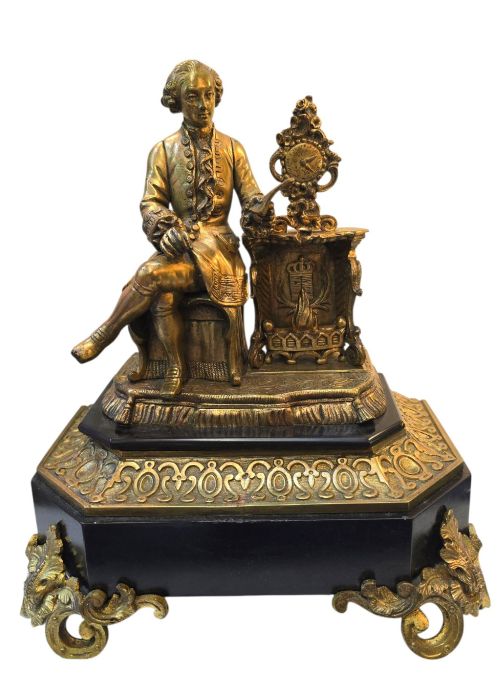
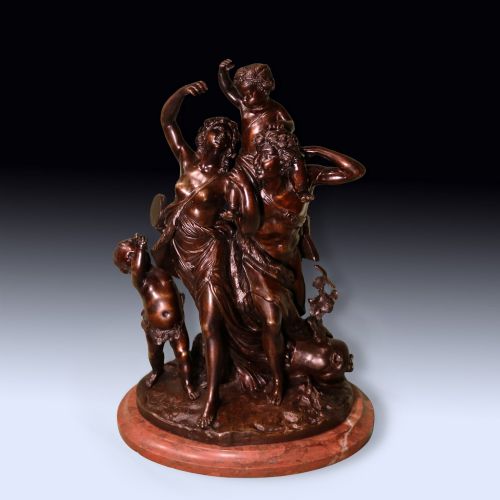
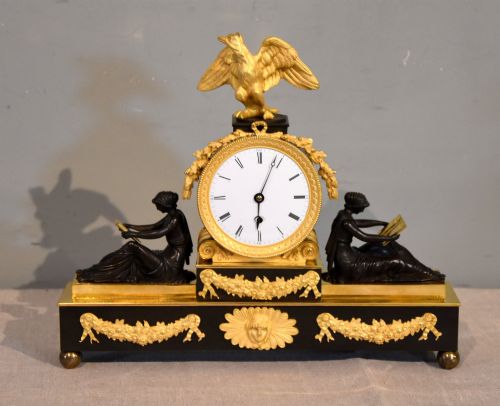
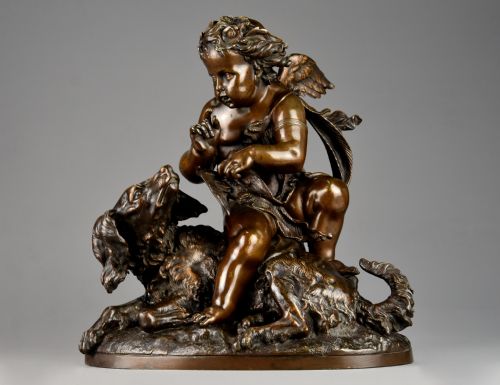
Classical figural sculpture encompasses cast metal and carved stone representations of human figures drawn from mythology, allegory, and classical antiquity. Buyers searching for classical figural sculpture encounter standing deities, winged putti, and narrative figure groups integrated into freestanding statues, mantel clocks, and torcheres.
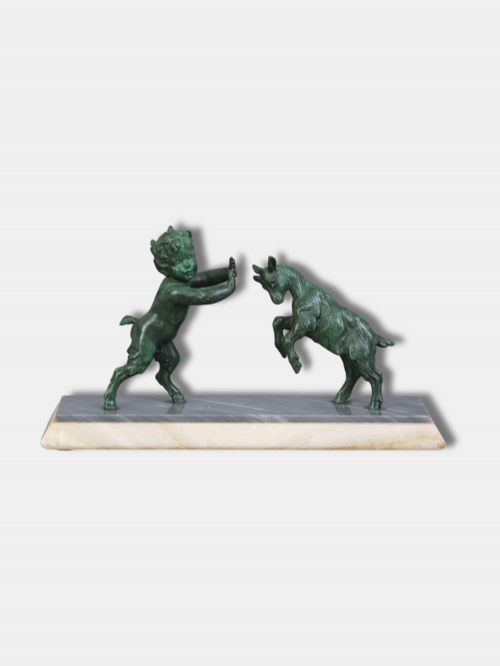
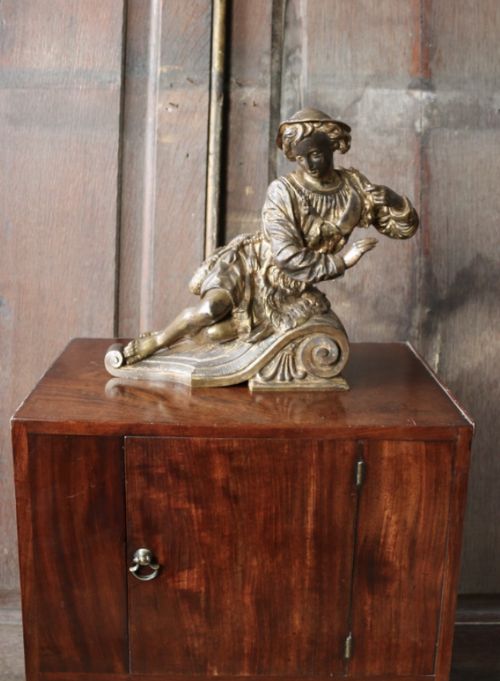
French foundries and workshops dominate the pieces on this page, producing works stretching from the Regency period through the late 19th century and into the early 20th century. Subjects range from singular female musicians and bacchic youths to complex figure groups executed after celebrated historical sculptors.
Beyond standalone statuary, these sculptural forms serve functional roles as table lamps, floor lamps, and clock cases. The human form remains the central vehicle for expression, whether depicting pastoral scenes with fauns or grand allegorical themes of glory and fortune.
Materials and construction methods
Foundries utilised bronze as the primary metal for casting detailed human forms, employing patinated finishes to create tonal depth or adding gilt and ormolu highlights for decorative contrast. Marble and onyx provide substantial plinths and architectural cases that anchor the weight of the metal figures.
Sculptors modelled their subjects in clay or wax before casting in bronze using traditional methods, often finishing the metal surfaces by hand with chisels and files to sharpen anatomical details. Spelter and brass appear alongside bronze in lighting fixtures and clock garnitures, offering alternative metallic mediums for domestic display.
Listings span the 19th century through the 1950s, incorporating Neoclassical, Art Nouveau, and Regency stylistic revivals.
What separates standard examples from exceptional ones
Quality rests upon the crispness of the cast and the sensitivity of the hand-chasing applied to the metal after removal from the mould. Superior examples retain anatomical precision, subtle facial expressions, and well-defined drapery folds that weaker castings blur or smooth over.
The integration of the figure with its mounting, whether a marble socle base or an elaborate clock housing, dictates the overall architectural success of the piece. Master founders ensured that patination techniques enhanced the underlying metal rather than masking surface imperfections.
Emile Carlier·Carrier Belleuse·Richard Avrilli·Antonio Merente·Giambologna·Justo de Gandarias·Hector Lemaire·F. De Luca·Humphrey Hopper·Clodion·Auguste Moreau·Ernst Barrias·Dumond·Jean-Jules Cambos·P. Della Vedova·Antoine Bofill·Carl Kauba
The Classical Figural Sculpture Glossary
- Patina
- The surface coloration and sheen developed on bronze through age or chemical treatment. This chemical layer protects the underlying metal while providing rich tonal variations.
- Ormolu
- Finely ground high-carat gold applied to a bronze base using a mercury amalgamation process. This technique produces a brilliant, durable golden finish found on decorative mounts and clock garnitures.
- Socle
- A short plinth or pedestal supporting a bust, figure, or vase. It elevates the sculpture visually and provides physical stability on a flat surface.
- Spelter
- An alloy of zinc and lead or copper used as an economical alternative to bronze. It appears frequently in late 19th-century decorative figures and clock cases.
- Torchere
- A tall ornamental stand or floor lamp designed to hold lights. In sculptural works, the figure itself often supports the lighting fixtures.
Classical Figural Sculpture: Frequently Asked Questions
What is patinated bronze?
Patinated bronze refers to metal treated with chemical solutions to produce intentional surface colours ranging from deep brown to verdigris green. This treatment enhances the visual depth of the sculptural form.
Foundries used various chemical recipes to achieve specific tones that highlighted the contours and muscles of the cast figures.
How do I distinguish bronze from spelter?
Bronze exhibits greater weight, sonority when tapped lightly, and a finer grain when the metal is exposed beneath the surface. Spelter is softer, lighter, and typically requires a painted or electroplated finish to simulate bronze.
Examining the underside or hidden fastening points often reveals the greyish metal characteristic of zinc-based spelter alloys.
Where were these sculptures made?
The majority of these pieces originate from French foundries operating in Paris during the 19th century, though English and Italian workshops are also represented. Paris served as the primary European centre for artistic bronze casting.
Foundries collaborated closely with prominent sculptors to produce both limited edition casts and commercial ornamental bronzes.
How should I clean a bronze figure?
Dust bronze sculptures gently with a soft, dry microfibre cloth to prevent the accumulation of abrasive particles. Avoid using commercial metal polishes or water, which can strip the historical patina.
Applying a light microcrystalline wax periodically helps protect the metal surface from atmospheric moisture and handling oils.