




Antique Clay Figurine
These antique clay figurine pieces span diverse global traditions and centuries, offering rich sculptural detail and historic character.
Antique Clay Figurine
An antique clay figurine captures human, animal, and mythological subjects in moulded or modelled ceramic forms. Collectors seek these pieces for their tangible link to past domestic display and sculptural artistry.
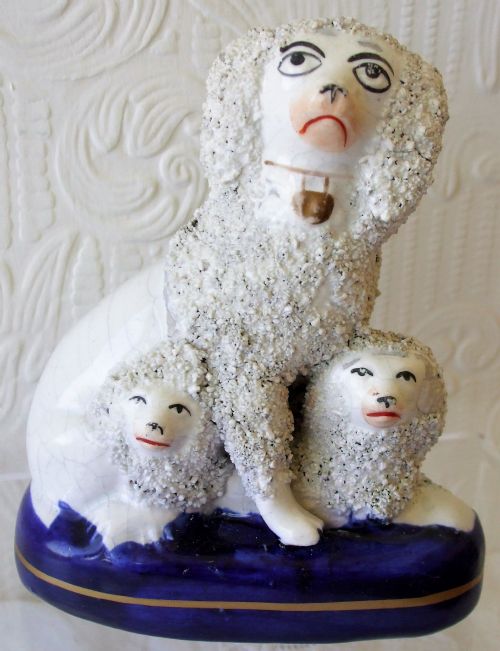
The selection ranges widely across eras and origins, from pre-Columbian figures and eighteenth-century Italian works to Victorian Staffordshire poodles and spaniels. Staffordshire pottery animals and Victorian mantle figures appear frequently among current choices.
Makers utilised various scales, from diminutive miniature poodles to substantial terracotta busts and full figures. Each object records the decorative taste of its period, whether classical revival or art deco.
How they were made
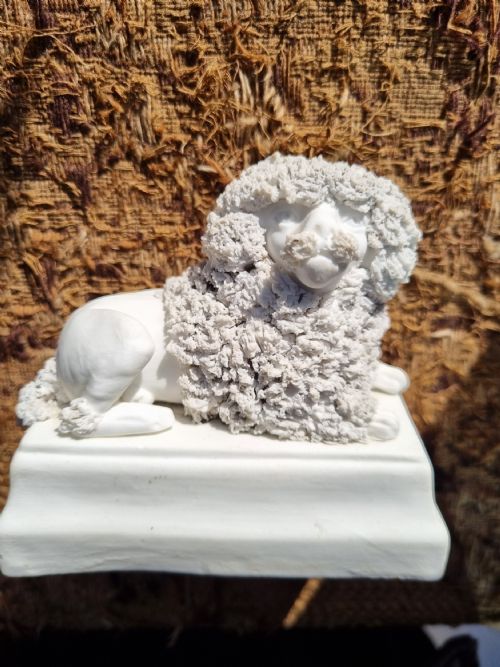
Potters and sculptors shaped these works primarily from terracotta, earthenware, and bisque pottery. Artisans often pressed the clay into moulds or modelled the forms by hand before firing.
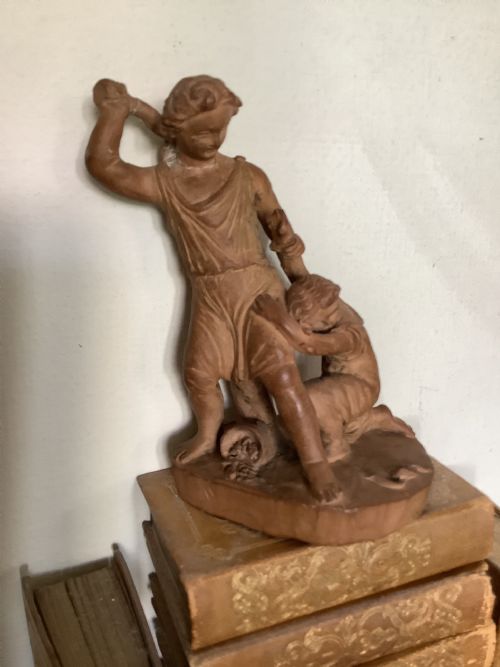
Makers then decorated the dried clay using glazes, enamel colours, and occasional gold leaf highlights. Some figures received minimal surface treatment to showcase the natural warmth of the fired terracotta.
Listings span centuries from pre-Columbian eras through the nineteenth-century Victorian period into twentieth-century art deco works.
What varies in quality
Surface finish and glazing application also mark the upper tiers of craftsmanship. Even firing and careful hand-painting or glazing demonstrate the high standard expected by serious collectors.
James Dudson·Joseph Gott
The Antique Clay Figurine Glossary
- Terracotta
- A porous, brownish-red earthenware clay that is fired at relatively low temperatures. Artists often leave it unglazed to reveal its natural earthy tone.
- Bisque
- Unglazed ceramic porcelain or earthenware that has undergone a single firing. It possesses a matte, tactile surface texture popular in nineteenth-century figures.
- Staffordshire pottery
- Ceramics produced in the English county of Staffordshire, renowned for domestic figures and animal groups. These include popular spaniels, poodles, and historical subjects.
- Earthenware
- Pottery fired at lower temperatures that remains porous unless glazed. It forms the robust body of many traditional British and European figures.
- Enamel
- A durable vitreous composition fused to the ceramic surface during firing. It provides bright, permanent colour decoration on glazed figures.
Antique Clay Figurine: Frequently Asked Questions
What are antique clay figurines made of?
These sculptures consist primarily of earthenware, terracotta, and bisque pottery. Artisans shaped the clay using moulds or direct modelling techniques before firing the material in kilns.
Surface decoration often includes applied glazes, enamel pigments, and occasional gold leaf details. Some terracotta pieces remain unglazed to emphasise the natural texture of the fired earth.
How do I care for terracotta figures?
Keep terracotta and earthenware away from damp environments because the porous clay absorbs moisture easily. Dust the surfaces gently with a soft, dry brush.
Avoid using water or liquid cleaning solutions on unglazed pieces. Handle the figures carefully by their bases to protect delicate extremities and decorative encrustations.
Are Staffordshire dog figures common?
Staffordshire pottery dogs, particularly poodles and spaniels, form a prominent category within nineteenth-century British ceramics. Potters produced them in pairs to ornament Victorian mantelpieces.
These canine figures frequently feature distinctive textural details like modelled curls, painted eyes, and coloured cushions. They remain among the most recognizable ceramic figures from the Victorian era.
How can I tell the period of a figure?
Dating relies on stylistic clues, manufacturing materials, and subject matter characteristic of specific eras. Victorian pieces often show distinct Staffordshire animal forms, while twentieth-century examples display art deco styling.
Signatures, stamps, or specific glaze characteristics also provide clues to the workshop or maker. Comparing the piece's baseline material and form with established historical examples helps confirm its age.