




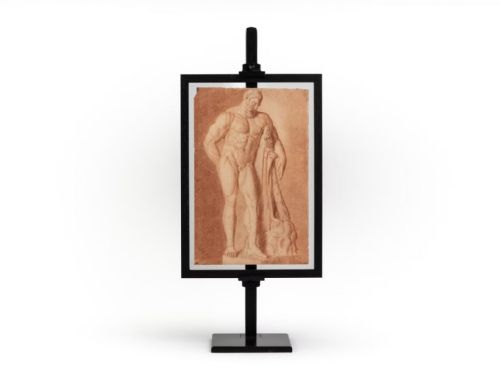

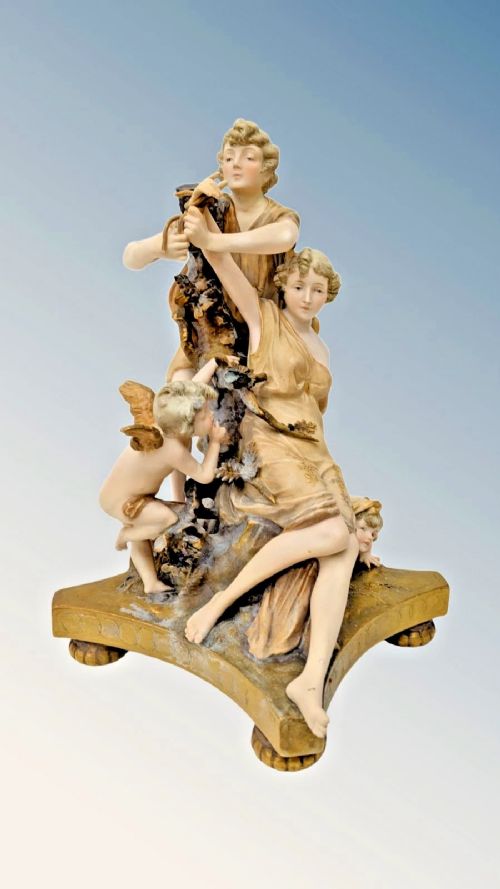


Terracotta Classical Sculpture
Terracotta classical sculpture brings ancient mythology and imperial portraits into domestic interiors through moulded and modelled clay.
Terracotta Classical Sculpture
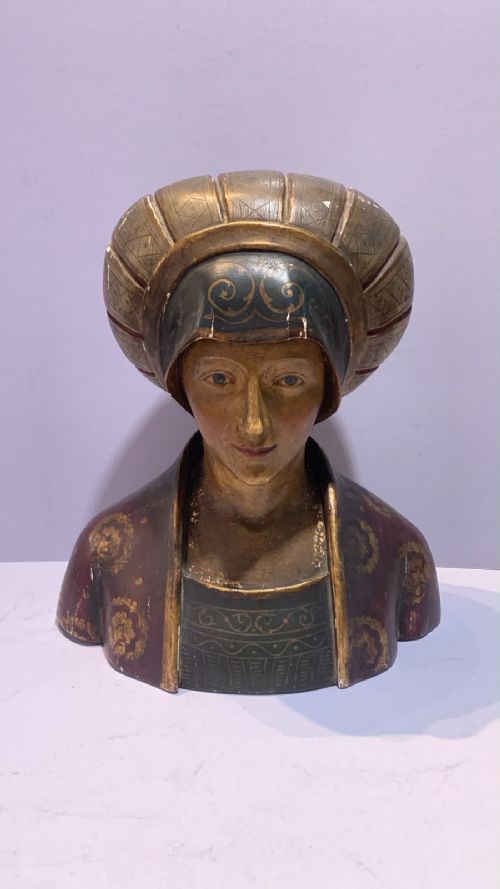
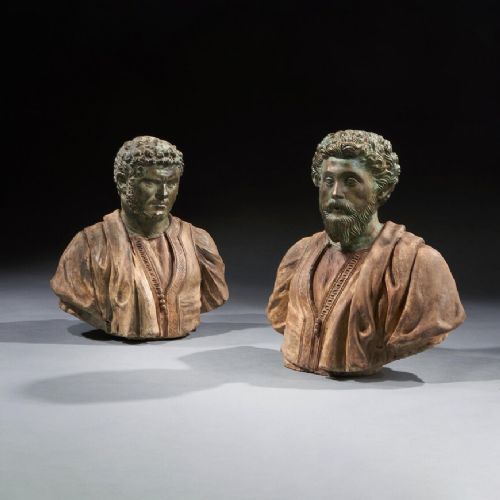
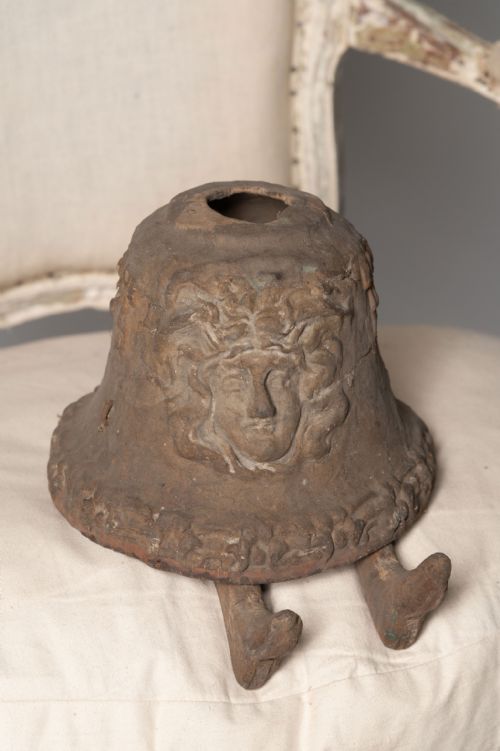
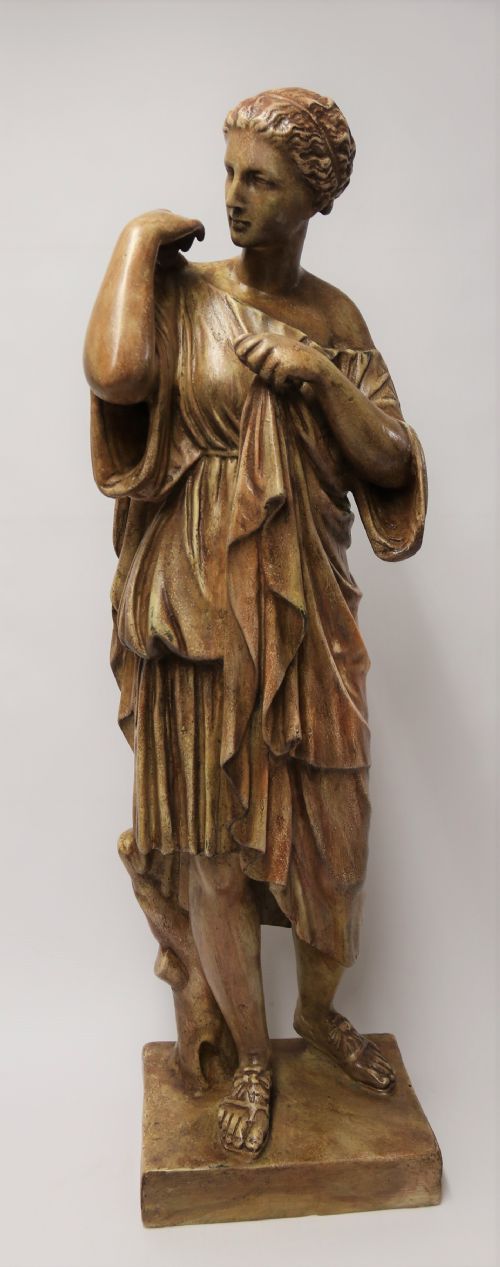
Buyers seeking terracotta classical sculpture encounter works modelled after antique deities, mythological figures and Roman emperors. These pieces originate predominantly from the nineteenth century, encompassing Grand Tour souvenirs, theatre props and gallery statuary.
The most frequent forms on this page include portrait busts of Caesars and noblewomen alongside full figures like Diana the Huntress, Cupid and Psyche, and Spinario. Many adopt Neoclassical and Renaissance Revival styles directly influenced by classical antiquity.
Objects range from small cabinet figures to monumental showroom pottery produced by major European factories. Makers across Italy, Austria, France and Britain supplied these clay interpretations to satisfy a Victorian appetite for classical art.
Materials and Construction
Makers shaped these sculptures primarily from terracotta, earthenware and clay, sometimes finishing surfaces with paint, gesso or faux marble effects to mimic stone or bronze. Workshops utilised slip casting or hand moulding techniques before firing the clay in kilns.
Detailing often involved skilled post-firing channelling and surface patination, transforming standard reddish earth into convincing patinated bronze or weathered marble. Plaster and porcelain appear among related sculptural works alongside mixed media elements.
Listings feature periods spanning from pre-sixteenth century fragments to the twentieth century, with nineteenth century Neoclassical works predominating.
Distinctions in Quality
Quality rests upon the crispness of anatomical modelling, the depth of undercut details in hair and drapery, and the subtlety of surface finishing. Superior pieces retain the sharp profile lines characteristic of skilled hand-tooling after the initial mould release.
Richard Avrilli·Royal Dux·Compton Potters Art Guild·Antonio Rossellino·Goldscheider·Joseph Gott·Octave Galliard-Sansonetti
The Terracotta Classical Sculpture Glossary
- Terracotta
- Fired unglazed clay of a brownish-red colour utilised extensively for sculptural models and architectural ornaments. Its porous nature accepts patination and paint readily.
- Neoclassical
- A style spanning the eighteenth and nineteenth centuries drawing direct inspiration from the art and culture of classical Greece and Rome. It prioritises restraint, symmetry and heroic subject matter.
- Grand Tour
- A cultural journey undertaken by wealthy young Europeans through France and Italy to view classical antiquities. Tourists acquired small sculptures and busts as tangible evidence of their travels.
- Patination
- The surface treatment applied to sculpture to simulate age, oxidation or specific materials such as bronze. It enhances the visual depth of moulded clay details.
- Undercut
- A recessed area in a sculpture carved beneath an overhanging element. Skilled modellers utilise undercuts to create realistic depth in hair and fabric folds.
Terracotta Classical Sculpture: Frequently Asked Questions
What is terracotta classical sculpture?
Terracotta classical sculpture comprises fired clay figures and busts modelled after ancient Greek and Roman art. These pieces range from nineteenth century Grand Tour souvenirs to monumental European pottery.
Makers drew inspiration from classical mythology, imperial portraits and Renaissance masterpieces to decorate period interiors. The resulting works capture antique forms in an accessible medium.
How were these sculptures displayed?
Nineteenth century collectors typically placed these busts and figures on mantelpieces, pedestals and library tables. They formed part of an academic domestic interior that celebrated classical learning.
Larger pieces often stood in hallways or drawing rooms upon faux marble columns or wooden plinths. Smaller figures integrated easily into cabinet displays alongside bronzes and ceramics.
How do I care for terracotta?
Terracotta requires gentle dusting with a soft, dry brush to prevent dirt accumulation within recessed carved details. Avoid using water or liquid cleaners, particularly on painted or patinated surfaces.
Keep sculptures away from damp environments and direct sunlight to protect the fired clay body and any surface finishes. Stable indoor humidity prevents paint flaking and structural stress.
How do I date a piece?
Dating relies upon stylistic markers, material composition, manufacturer stamps and foundry marks impressed into the clay. Nineteenth century works often reflect revival movements and Grand Tour production methods.
Examining the base, interior hollows and firing methods provides clues regarding workshop origin. Signed pieces often correspond to documented active periods of specific sculptors.