


Antique Decorative Bust
An antique decorative bust brings sculptural presence to a room, capturing human form across classical revival and art nouveau styles.
Antique Decorative Bust
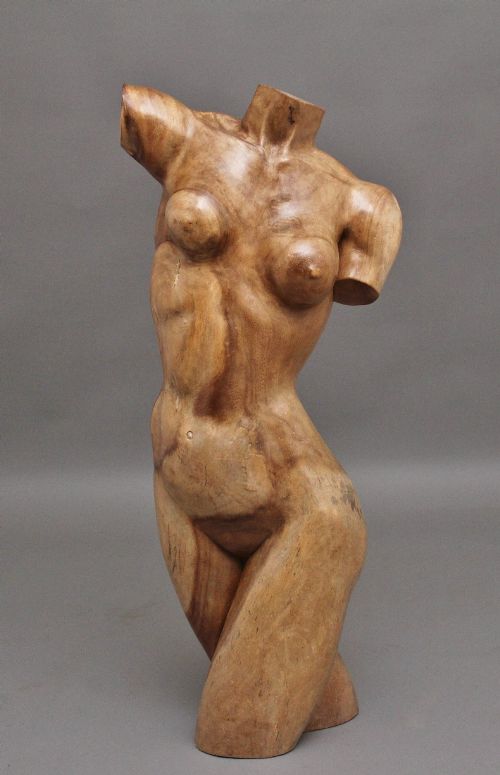
When you search for an antique decorative bust, you look at sculpted portraits and figures spanning the nineteenth century through the early twentieth century. The selection ranges from classical mythological subjects to life size female torsos and historical personages.
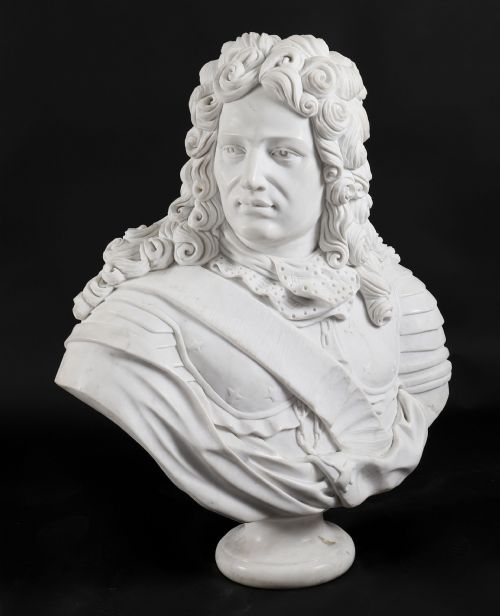
You meet versions executed in various materials including marble, terracotta, alabaster, plaster, and bronze. These pieces appear in distinct aesthetic movements such as Victorian, Neoclassical, Art Nouveau, and Art Deco.
Materials and construction methods
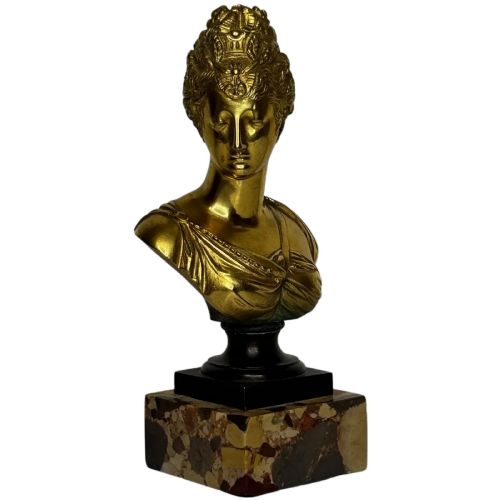
Carving stone requires skilled hand labour, utilising materials like Carrara marble and alabaster to achieve smooth facial contours and draped garments. Bronze and gilt bronze examples involve metal casting techniques, sometimes paired with marble bases or integrated as inkwells.
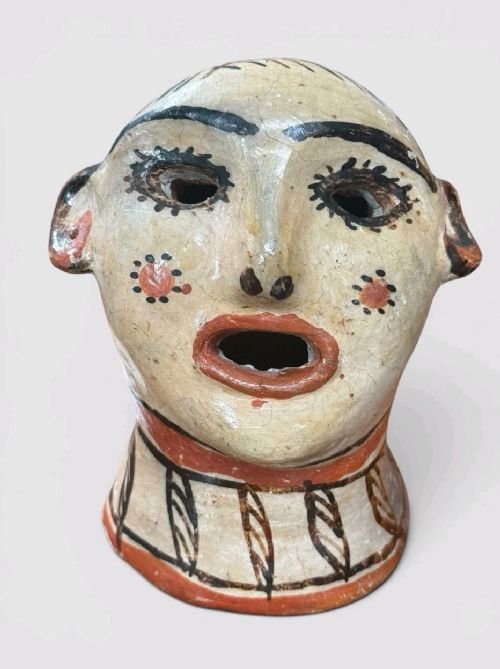
Plaster and terracotta pieces rely on moulding and casting, frequently finished with paint, glaze, or patination to emulate metal or stone. Workshops also combined materials, mounting ceramic or metal figures upon wooden and ormolu pedestals.
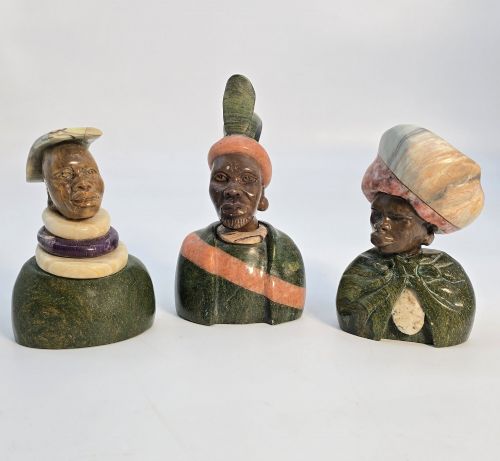
The inventory records diverse stylistic influences, ranging from French Rococo and Neoclassical revival to African tribal art and Balinese dance.
Factors determining quality
The degree of anatomical precision and depth of detail in the carving or casting separates finer works from standard production pieces. Master sculptors achieve subtle transitions in expression and texture, particularly in hair and fabric, whereas lesser items remain stiff and shallow.
Material selection dictates the baseline quality, with solid Carrara marble and finished bronze commanding greater craftsmanship than moulded plaster. The presence of a recognised artist signature or foundry mark elevates a piece above unsigned studio work.
Henri Godet·John Wenlock Rollins·Ernst Whaliss·Auguste Moreau·P.H Mourey·Bohumil Rezl
The Antique Decorative Bust Glossary
- Alabaster
- A fine grained translucent stone used for soft white portrait sculptures. It permits a delicate quality of light to penetrate the surface.
- Terracotta
- Fired clay moulded or modelled into sculptural forms. This material takes surface paint and glaze readily.
- Carrara marble
- A white or blue grey marble quarried in Italy. Sculptors favour it for classical portraiture due to its uniform crystal structure.
- Spelter
- A zinc alloy cast and patinated to imitate bronze. It appears frequently in decorative figures from the nineteenth century.
- Patina
- The surface sheen or coloration developed through age and chemical treatment. It accentuates the contours of metal and stone.
Antique Decorative Bust: Frequently Asked Questions
Where should I place a bust in my home?
These sculptures sit well upon mantelsides, side tables, or dedicated pedestals and plinths where light catches their contours. They serve as focal points in hallways, libraries, and living spaces.
Ensure the surface supports the weight of denser materials like marble or bronze. Pair smaller plaster or terracotta pieces with stable shelving away from heavy foot traffic.
How do I clean marble and alabaster?
Dust surfaces gently with a soft dry cloth to prevent particles from settling into porous areas. Avoid chemical cleaners and excess water, which damage patinas and painted finishes.
Alabaster requires particular care because it dissolves in moisture. Consult a specialist conservator before attempting deeper cleaning on stained stone.
How can I tell plaster from terracotta?
Plaster feels lighter and colder initially, showing a chalky composition if exposed beneath paint. Terracotta has a heavier, ceramic density typical of fired clay.
Tertacotta pieces often display residual red or brown earthen tones where surface finishes have worn. Plaster relies entirely on applied paint or wash for colour.
What distinguishes Art Nouveau busts?
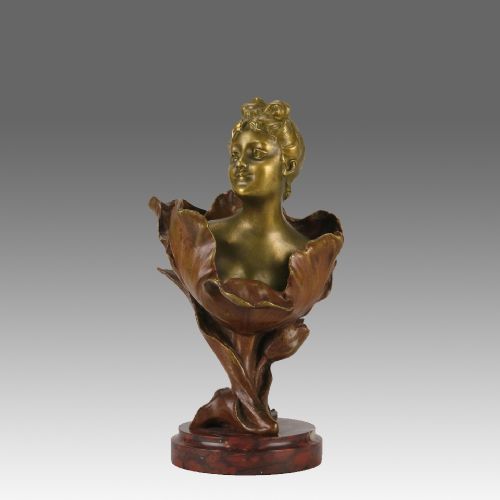
Art Nouveau works incorporate flowing organic lines, stylized hair, and botanical motifs such as flowers or drapery. They frequently depict female allegorical figures related to nature.
Artists utilised materials like ceramic, spelter, and tinted terracotta to capture these sinuous forms. This style contrasts with the rigid symmetry of earlier Neoclassical pieces.